Haleakalā National Park’s Kīpahulu District is a world away from the volcanic summit most visitors picture. On Maui’s eastern coast, trails wind past streams, cultural sites and ocean views in a landscape where Native Hawaiian communities have lived for generations.
The district is about 12 miles beyond Hāna, and getting there requires patience as well as preparation. These five ideas will help you plan time on the coast, choose a trail that fits your group and respect the people and places that make Kīpahulu special.
1. Make the drive part of a careful plan
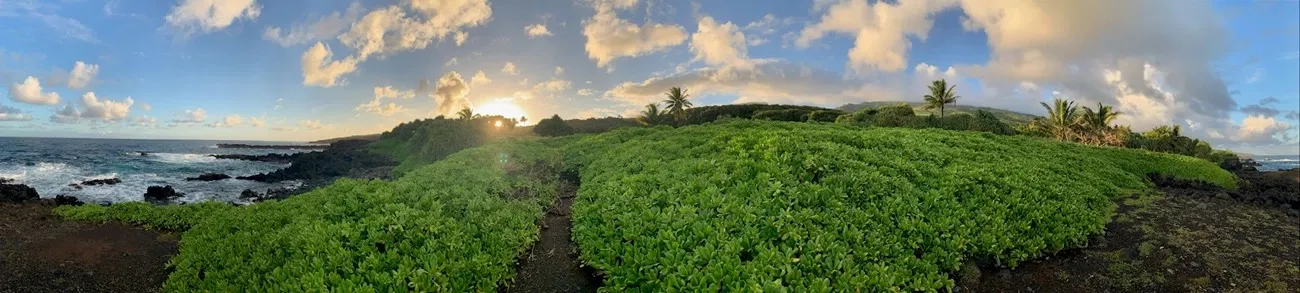
The road to Hāna is winding, with narrow stretches and bridges. Allow generous time in both directions, drive patiently, and pull over only in legal, safe places. Do not block driveways, traffic or access to homes. The communities along the route are not attractions on a set: residents rely on the road for everyday life.
Fuel the vehicle and bring food and drinking water before you leave areas with services. The NPS describes Kīpahulu as remote, so download directions and check weather, road information and park alerts before setting out. Rain can change the character of both the drive and the trails.
Start early enough to complete your chosen activities and return safely. Avoid constructing a schedule that requires racing between waterfalls or driving an unfamiliar road when tired. The district has different operating details from Haleakalā’s summit, so check its own hours and fee information.
2. Start with the visitor center and the cultural landscape
Rangers at the Kīpahulu Visitor Center can explain conditions, trails and available programs. Their advice is especially helpful after heavy rain or when a member of the group is unsure about the route. Ask which areas are open that day and choose a walk everyone can manage.
The district protects an area with a long history of Native Hawaiian settlement and continuing cultural significance. The NPS explains that the park contains ahupuaʻa, traditional land divisions extending from uplands to the sea. Streams, forests, farms and the coast are connected within this landscape.
Stay on marked routes and leave archaeological features, plants and stones where they are. If a cultural demonstration is offered, listen and observe respectfully, and ask before taking close photographs of participants. These are living traditions, not merely exhibits from the past.
3. Walk the Kūloa Point Trail for a shorter coastal outing
The NPS describes the Kūloa Point Trail as a half-mile loop from the visitor-center area. It passes a cultural demonstration area and archaeological sites on its way to ocean views at the mouth of ʻOheʻo Gulch. Although shorter than the inland hike, the trail can still be wet or uneven; wear shoes with traction and take your time.
From appropriate viewpoints, visitors can see the Pools of ʻOheʻo. The park’s current conditions page says the pools are not accessible for swimming, and the district page says entry is prohibited because of safety concerns. View them from the trail instead of entering the water or crossing a barrier.
Keep away from the ocean edge, where waves and slippery rock can be dangerous. Watch children closely and follow posted closures. A short loop is more enjoyable when the group can stop to observe the coast without rushing or leaving the designated path.
4. Choose Pīpīwai Trail only if the whole group is ready
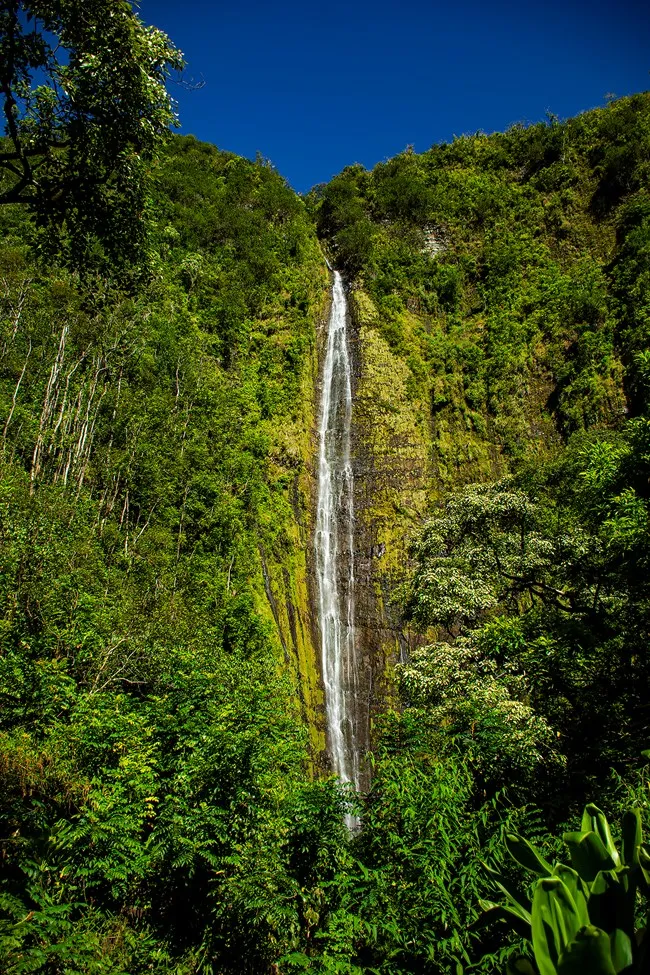
The Pīpīwai Trail is a more demanding inland hike. The NPS lists the trip to the Waimoku Falls viewing area as four miles round trip with about 800 feet of elevation change. Makahiku Falls can be seen from an overlook about half a mile in; the route continues past a bamboo forest, boardwalks and footbridges.
Carry water, rain protection and appropriate footwear, and allow time for the complete return. Mud and changing weather can make progress slower than expected. Check trail status before starting and obey signs: off-trail travel is dangerous and prohibited. Never enter a stream or approach a waterfall base in search of a better photograph.
If a four-mile walk does not fit the group’s energy, the shorter coastal loop is a good alternative. The goal is to return safely with time to appreciate the surroundings, not to make a distant viewpoint at any cost.
5. Leave room for weather and a return visit
Rain supports Kīpahulu’s streams and vegetation, but it can also change trail conditions quickly. Check the forecast and official alerts on the day, and be prepared to change plans if heavy rain or flooding is a concern. Never cross a flooded stream or ignore a closure because the weather appeared clear earlier.
Camping is available in a designated Kīpahulu campground by reservation; consult the current NPS and Recreation.gov information for rules and availability. Overnight stays elsewhere in a vehicle or outside a designated campground are prohibited. Visitors planning a day trip should leave enough daylight and energy for the return drive.
Before leaving, clean mud from footwear and equipment as directed by the park to help protect native forests. Pack out litter, observe wildlife without disturbing it and remember that a quieter, slower visit can be the best way to experience this coast.