Above Kawaihae Bay on Hawaiʻi Island stands Puʻukoholā Heiau, a sacred temple connected to a pivotal period in Hawaiian history. The stone structure and the neighboring landscape tell stories of Kamehameha I, political change, Hawaiian spirituality and a community whose connections to the place continue today.
Puʻukoholā Heiau National Historic Site is compact enough for a thoughtful stop, but the history deserves more time than a quick photograph. These four parts of a visit can help you understand the site and approach it respectfully.
1. Begin with the story at the visitor center
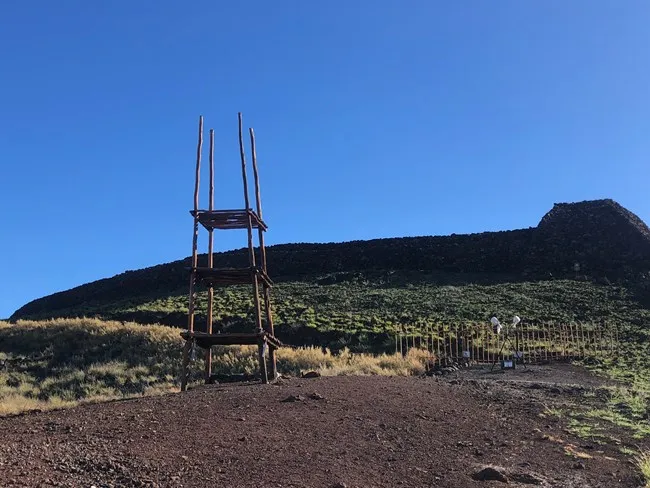
Start at the visitor center’s exhibits and open-air lānai. The National Park Service offers interpretation in Hawaiian and English, as well as a smartphone audio tour. Rangers may be available to answer questions or lead talks when staffing permits. Ask what is offered that day rather than assuming a program runs on a fixed schedule.
The NPS describes the temple as a key part of Kamehameha’s rise and the eventual unification of the Hawaiian Islands under his rule. Its interpretation recounts a prophecy that called for a heiau on Puʻukoholā, dedicated to Kamehameha’s family war god Kūkāʻilimoku. The site’s history includes both leadership and conflict; take time to read the park’s account rather than reducing it to a single heroic image.
The park is fee-free according to current NPS information. Before arriving, check hours and alerts: the visitor center parking entrance and exit have different closing times, and high winds or storms can affect the trail. Water and restrooms are available at the visitor center; bring sun protection for the exposed grounds.
2. View Puʻukoholā Heiau from the designated route
Puʻukoholā Heiau was built in 1790–91. The park describes traditional accounts of workers passing stones from the Pololū area across Kohala to build its walls without mortar. The scale of the undertaking is striking, but the structure’s sacred purpose is central to its meaning.
Visitors do not enter the heiau. Follow the marked trail and view it from permitted areas, without climbing walls, moving stones or disturbing offerings. The site remains meaningful to Native Hawaiians, and respectful distance is part of caring for it.
The NPS describes a half-mile loop through the grounds. Allow time for signs and questions as well as the walk itself. Wear comfortable shoes, carry water and move at a pace that suits the group. Contact the park before visiting if you need detailed accessibility information for the route.
3. Consider Mailekini Heiau and the bay
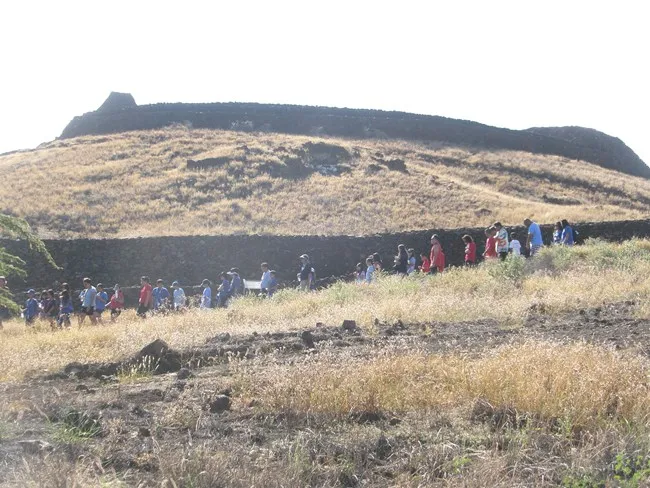
Below Puʻukoholā stands the older Mailekini Heiau. NPS interpretation describes its later use as a fort associated with Kamehameha’s defense of Kawaihae. The change in use illustrates how Hawaiian leaders responded to new political and military pressures as foreign ships, weapons and trade arrived.
The park also tells the story of Hale o Kapuni, a temple site believed to be submerged offshore and associated in local tradition with shark deities. Its remains are not a destination to enter the water and seek out. Use the established overlook and the park’s interpretation to understand the connection between the shoreline, bay and cultural landscape.
Wildlife sightings are unpredictable. If you look for movement in the bay, stay on the visitor route and behind barriers, and remember that the purpose of the site extends beyond wildlife watching. Ocean conditions, heat and wind can change quickly, so follow staff instructions and posted notices.
4. Make room for the people and stories behind the structures
The site’s interpretation includes Pelekane, a royal residential area, and the story of Keōua Kūʻahuʻula, Kamehameha’s rival and cousin, who was killed there in 1791. The park presents the complex events around his arrival and death through historical accounts and traditions. Reading those accounts at the site can help visitors appreciate the human stakes behind the surviving stonework.
The visitor center also interprets John Young, a British sailor who became an adviser to Kamehameha. Ask a ranger about the homestead and current access rather than assuming every historic area is open for independent exploration. These connected stories show the rapid changes in Hawaiʻi during the late eighteenth and early nineteenth centuries.
If a ranger talk or cultural activity is offered, listen, ask thoughtful questions and request permission before close photographs of participants. Leave plants, stones and cultural objects in place. A visit can be both welcoming and solemn when it recognizes that this is a sacred landscape with living descendants and traditions.
Check the National Park Service links below for current conditions, directions and operating hours before traveling. A flexible schedule gives you room to learn, walk safely and leave without rushing the site or its stories.