The white structure above the waters of Pearl Harbor is one of Hawaiʻi’s most recognizable landmarks, but a visit is more than a sightseeing stop. The USS Arizona Memorial marks the resting place of many sailors and Marines killed in the attack on December 7, 1941. The National Park Service asks visitors to approach it as a place of remembrance.
Thoughtful planning makes space for both the practical details and the history. These four steps can help you arrange the memorial program, understand what is available at the visitor center and visit with the respect the place deserves.
1. Reserve the memorial program before building the day around it
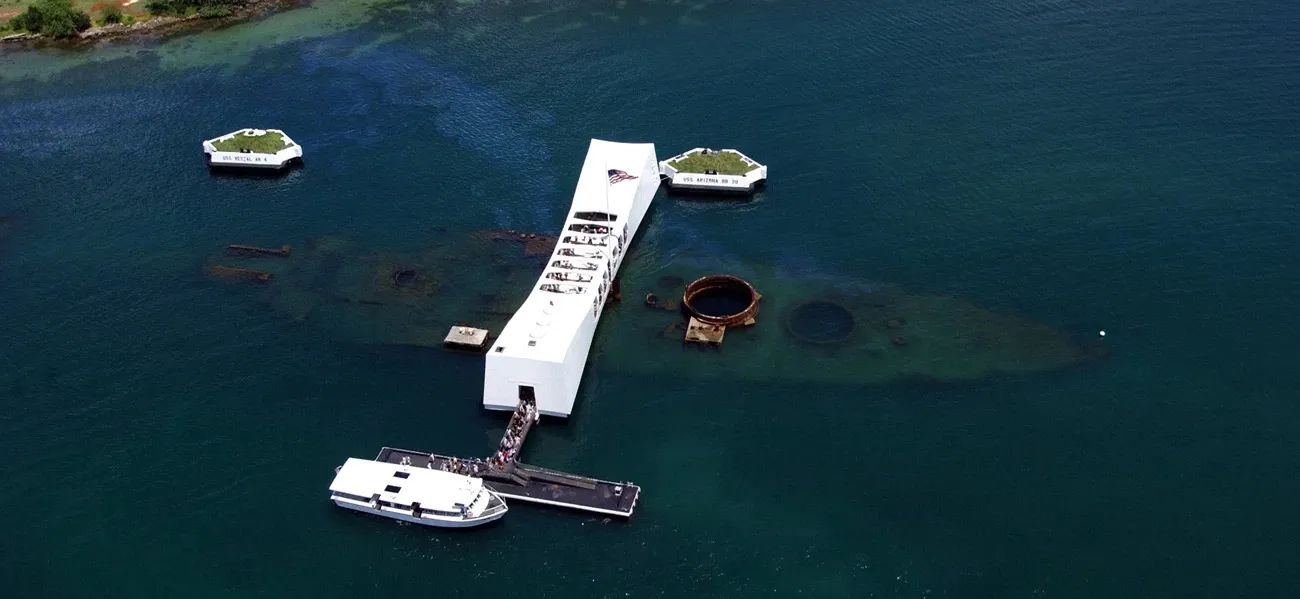
The USS Arizona Memorial sits in the harbor and is reached by a Navy-operated boat. The National Park Service directs visitors to Recreation.gov for timed reservations. The program itself is free, but the reservation carries a $1 service fee per ticket. As policies and availability can change, check the official reservation page for the current release schedule and conditions.
Do not count on buying or collecting a ticket on arrival. The park says it does not distribute same-day tickets at the visitor center. A standby line may be offered when capacity permits, but participation is not guaranteed. If seeing the memorial is central to your trip, secure a reservation before making the rest of your schedule dependent on it.
The park recommends arriving an hour before your program time. That gives you a margin for parking, security, finding the departure area and reviewing instructions. A reserved time is not a promise of an uninterrupted crossing: boats and access can be affected by weather, safety or maintenance. Check park alerts shortly before traveling and listen to staff on the day.
2. Give the visitor center time of its own
The Pearl Harbor National Memorial visitor center has museum exhibits, outdoor interpretive material and waterfront views. Admission to the visitor center and its museums is free. These spaces help set the events of the attack within a broader story, so allow time to read and reflect instead of treating the exhibits only as a waiting room for the boat.
The museums introduce the circumstances leading up to the attack and its aftermath through objects, photographs and personal accounts. Pause over individual stories as well as the larger chronology. The harbor remains an active military installation, and the historic landscape is also a working place; obey signs and follow staff instructions about where visitors may go.
The park’s documentary film is separate from the boat program. Consult the daily schedule on arrival if you hope to see it. Allow enough time for the film and galleries without risking a missed reservation: the easiest plan is to leave an unhurried buffer on either side of your assigned program.
3. Understand what happens on the water
The memorial program includes an orientation, a boat ride and time at the memorial, subject to safe operation. The memorial spans the remains of USS Arizona, where many of those lost on the ship are still entombed. The building is a place of mourning and remembrance, not simply a viewing platform.
Before boarding, use the restrooms and prepare your group for a short period away from the visitor center. The park says there are no restrooms on the boat or memorial. Keep children close, speak quietly and give other visitors room. Photos are permitted in many visitor areas, but be attentive to posted restrictions and put remembrance ahead of a perfect image.
For guests with mobility or access needs, the park describes accessible features at the visitor center and memorial program. Contact the National Park Service before the visit for details that matter to your party, including boarding and the conditions on your travel date. Staff can explain the available accommodations and any interruptions.
4. Plan a respectful, flexible visit
Check the park’s current hours, security and bag policy before leaving your accommodation. Pack lightly, dress for warm weather and changing showers, and bring sun protection. A refillable water bottle can be useful while exploring the grounds; check current rules for what may be taken onto the boat and memorial.
Other Pearl Harbor historic sites have separate operators, admission arrangements and schedules. If you hope to visit more than one, consult each operator and allow realistic travel and entry time. Do not assume an Arizona Memorial reservation includes another attraction or that all sites follow the same operating hours.
The most rewarding visit leaves room to slow down. Read the names, listen to the stories presented by the park and remember that families continue to have personal connections to this place. A considerate itinerary includes space for contemplation as well as the practical steps needed to reach the memorial.
Visitor information and reservation practices can change. Check the National Park Service and Recreation.gov links below for current operating conditions before your trip.