At Craters of the Moon, southern Idaho’s familiar horizon gives way to black lava, cinder cones, and the surprising shapes left by ancient eruptions. The National Monument and Preserve is an easy place to be curious: a short walk can reveal rope-like lava, scattered wildflowers, or the entrance to a dark lava tube.
A little preparation makes the experience more rewarding. The park’s loop road and caves are seasonal, the lava surface can be rough, and cave visits require a separate free permit. These five ideas offer a practical first-visit plan while leaving room to explore at your own pace.
1. Begin at the Robert Limbert Visitor Center

Start at the visitor center for current road and trail conditions, exhibits, maps, and advice from park staff. The landscape stretches much farther than a single overlook suggests, and an introduction to the different lava formations helps turn a view of dark rock into a story about movement, cooling, and time.
Ask specifically about the seven-mile Loop Road and any closures on the day of your visit. Snow changes access in winter and spring, while summer brings heat and strong sun. Drinking water is available at the visitor center, so fill bottles before heading out and carry enough for your plans.
Cell service is limited in the monument. Download the National Park Service app and any maps you need before arriving, and check the visitor center’s seasonal hours. If you intend to enter an open cave, stop here first: the cave permit is issued in person during business hours.
2. Take Your Time Around the Loop Road
The Loop Road connects several trailheads and overlooks through the volcanic landscape. Rather than rushing to the farthest stop, choose a few places that fit your group’s interests and allow time to get out of the car. The light and the apparent texture of the lava can change considerably across a day.
Devils Orchard offers a chance to walk among lava fragments and vegetation, while the Spatter Cones and North Crater area tell a different part of the volcanic story. Follow the park’s designated routes and signs: some fragile areas prohibit off-trail travel. Do not climb on formations or collect rocks to take home.
The park’s road and parking areas are exposed, and dark lava absorbs heat. In summer, start early, wear sun protection, and carry water. In colder months check the road status before assuming you can drive the loop; winter access can instead involve snow travel and very different preparation.
3. Walk the Caves Trail Across the Lava
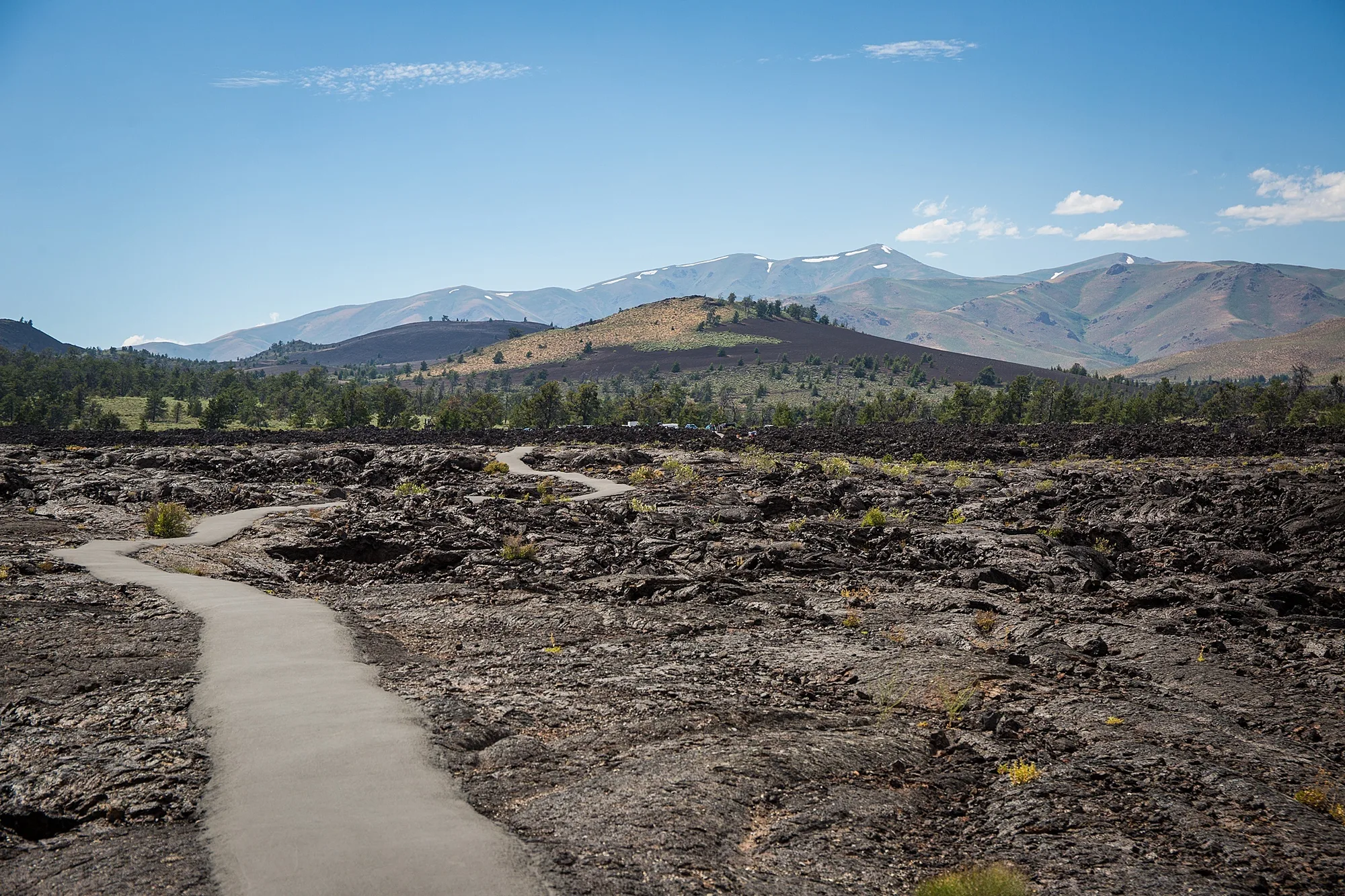
The Caves Trail crosses lava toward two visitor caves, Indian Tunnel and Dewdrop Cave. The National Park Service lists the route as about 1.6 miles round trip. Even if you decide not to enter a cave, the walk offers a close view of the surface formed by flowing lava.
Stay on the available trail to protect fragile formations. Wear sturdy shoes and watch your footing; lava can be sharp, uneven, and extremely hot in direct sun. Bring a flashlight for any cave visit and be prepared for cooler temperatures below the surface.
Pets are not allowed on trails or in caves, and hot surfaces can burn paws. Do not leave an animal unattended in a vehicle. Check the park’s current pet rules and make an appropriate plan before traveling.
4. Get a Permit Before Entering a Lava Tube
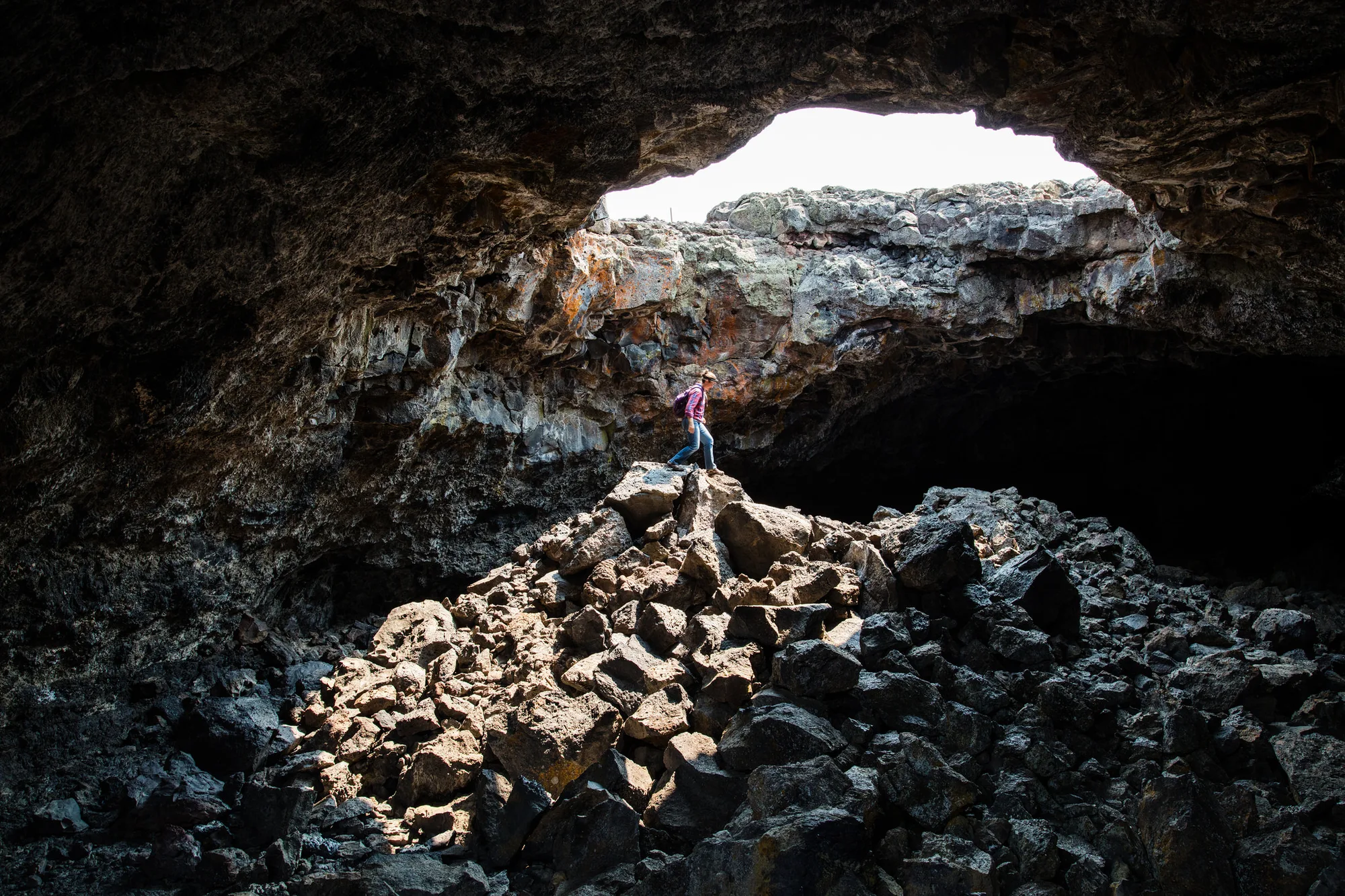
As of the park’s current conditions listing, Indian Tunnel and Dewdrop Cave are open when conditions allow. Entering either requires a free cave permit obtained in person at the visitor center. Other park caves are closed, including Buffalo Caves, Boy Scout Cave, and Beauty Cave; check the current listing immediately before your trip because conditions can change.
The permit process helps protect bats from white-nose syndrome. The park says clothing and gear previously used in another cave or underground space cannot be taken into these caves, even if washed. Bring clean, appropriate equipment and answer the ranger’s screening questions honestly.
Indian Tunnel has stairs at its entrance; Dewdrop Cave has a bouldered entrance. Both require care on uneven ground, and the park says everyone entering should be able to walk independently; caves are not appropriate for infants. Avoid disturbing bats, stay out of closed areas, and turn back if your group is not equipped or comfortable.
5. Plan for More Than One Season
Summer provides the most straightforward opportunity to drive the loop and explore open trails, but it can be hot and dry. Spring and fall bring changing conditions, and snow can close roads or keep caves inaccessible. Winter offers a different experience, with opportunities for prepared visitors to travel on snow when conditions and regulations allow.
Choose a short list of stops rather than trying to cover every trail. The park’s landscape rewards close attention: small plants can grow in the shelter of lava, and a change in light reveals details that are easy to miss from a moving car. Leave everything where you find it for the next visitor.
Before leaving, consult the National Park Service’s current conditions, cave information, park brochure, and visitor questions. Confirm hours and cave access again shortly before your visit.