The Snake River takes a dramatic plunge east of Twin Falls, where Shoshone Falls pours over the rim of a deep basalt canyon. The city calls the 212-foot waterfall the “Niagara of the West,” but its most useful travel lesson is distinctly Idahoan: the amount of water you see can change enormously with the season.
Come expecting more than a single photograph. A little planning helps you understand the river, choose an accessible viewpoint and make time for the nearby lake. These five tips will help turn a quick stop into a more rewarding visit.
1. Time your visit around the river, not just the calendar
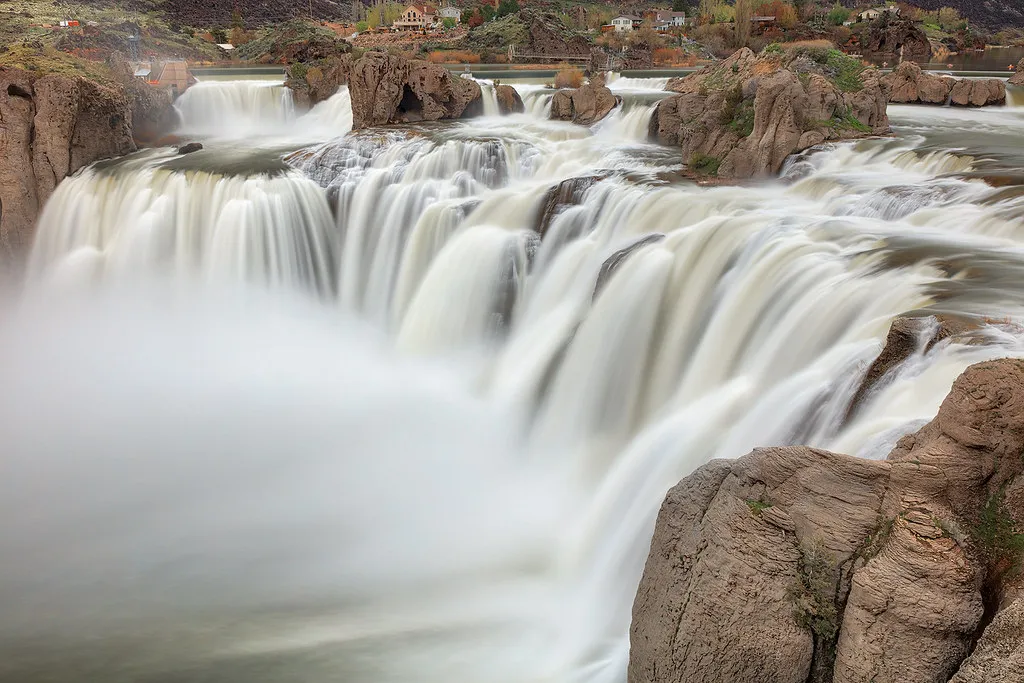
Spring is generally the best season to see Shoshone Falls at its fullest, according to the City of Twin Falls. Winter snowfall, the timing of the melt and water management all influence the result, so even a spring date is no guarantee of a thundering curtain. A wet winter can produce a very different scene from a dry one.
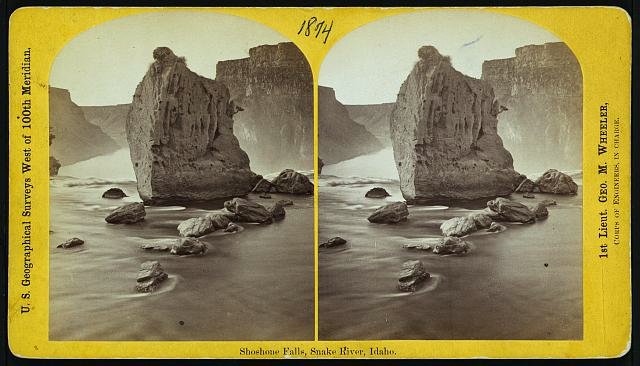
During summer, water is diverted upstream for irrigation. In fall, the city says the falls can appear nearly dry as water is used to recharge reservoirs. That does not make a later trip pointless: lower water can reveal the shape and dark texture of the canyon. It does mean that a postcard showing a wall of white water should not be treated as a promise of what you will see on arrival.
If the waterfall is the main reason for your drive, check recent conditions with the city before setting out and leave room in your itinerary for a change of plans. A photograph from another year is not a live water report.
2. Make the overlook your first stop
Shoshone Falls Park is reached from Shoshone Falls Grade Road east of Twin Falls. The city lists 4155 Shoshone Falls Grade Road as its navigation address. Follow the signed approach into the canyon and give yourself time for the drive down and back rather than scheduling the visit between two tight appointments.
The payoff is a close look across the Snake River canyon toward the falls. Listen as well as look: in high water, spray and sound make the viewpoint a very different experience from a quiet low-flow day. Long-exposure photographs can soften the motion of the water; the actual appearance depends on both conditions and where you stand.
The city notes that visitors can see the falls from accessible viewing areas close to parking. Check its current accessibility information and any work notices before your visit if a step-free route is important. Stay behind established barriers, supervise children closely and keep away from canyon edges, which are not a safe shortcut to a better angle.
3. Look at the canyon as well as the waterfall
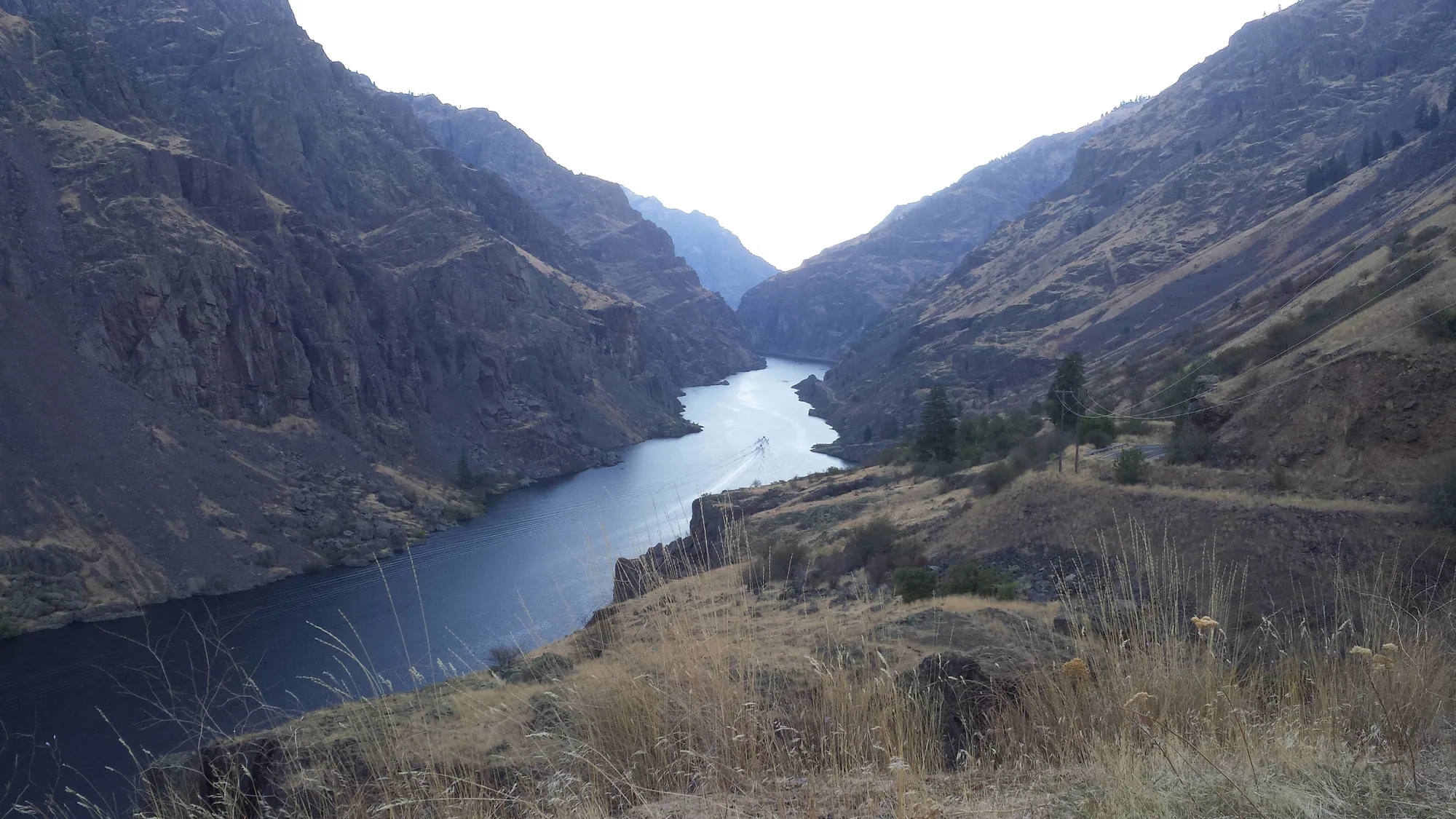
The drop is the obvious attraction, but the broader landscape explains why the view is so memorable. The Snake River has carved a deep canyon through basalt on its way toward the Columbia River. From the viewing area, look beyond the falling water at the dark rock walls, the river channel and the contrasting open land above the rim.
The city describes the falls as roughly 900 feet wide as well as 212 feet high. The width is easiest to appreciate when a substantial volume of water spreads across the brink; at low flow, individual channels and rock features may be more apparent. Both views tell a story about the same place.
Take a moment to notice how the working river and the scenic river coexist. Irrigation upstream supports surrounding agriculture, while the city park offers public access to a major natural feature. Seasonal variation is part of that relationship, not simply an inconvenience for visitors.
4. Add Dierkes Lake if you have a little more time
The city identifies Dierkes Lake Park as a nearby companion to Shoshone Falls. Consider bringing a picnic and giving yourself time to relax by the water after the overlook. Check city notices before making swimming or other water activities the centerpiece of a trip, since conditions, facilities and seasonal availability can change.
For families, this is a sensible way to balance the excitement of the falls with a less hurried stop. Pack water, sun protection and layers: an exposed, warm afternoon can feel different once the breeze picks up near the canyon. Carry out your trash and follow posted rules for pets and park use.
Neither the lake nor the falls requires you to fill every minute. If the overlook is crowded, pause away from the main rail, let another group enjoy the view and return when there is room. The scenery is more enjoyable when nobody is trying to rush a picture at the edge.
5. Check the practical details before the descent
The city charges a seasonal vehicle fee, and hours, fees and facility access can change. Consult the official Shoshone Falls page and current city notices before leaving; do not rely on an old travel post for gate hours. If you are traveling with a larger vehicle or accessibility needs, check current arrangements directly with the city.
Plan a little extra time around peak spring flow, weekends and holidays. Bring drinking water and shoes with good traction, and remember that wet surfaces can be slippery. Weather can shift, and the amount of spray near a viewpoint varies with the river.
Most of all, treat this as a river landscape rather than a guaranteed spectacle. Whether the water is roaring over the brink or exposing more of the rock beneath, Shoshone Falls offers a striking introduction to the Snake River canyon and the changing seasons of southern Idaho.