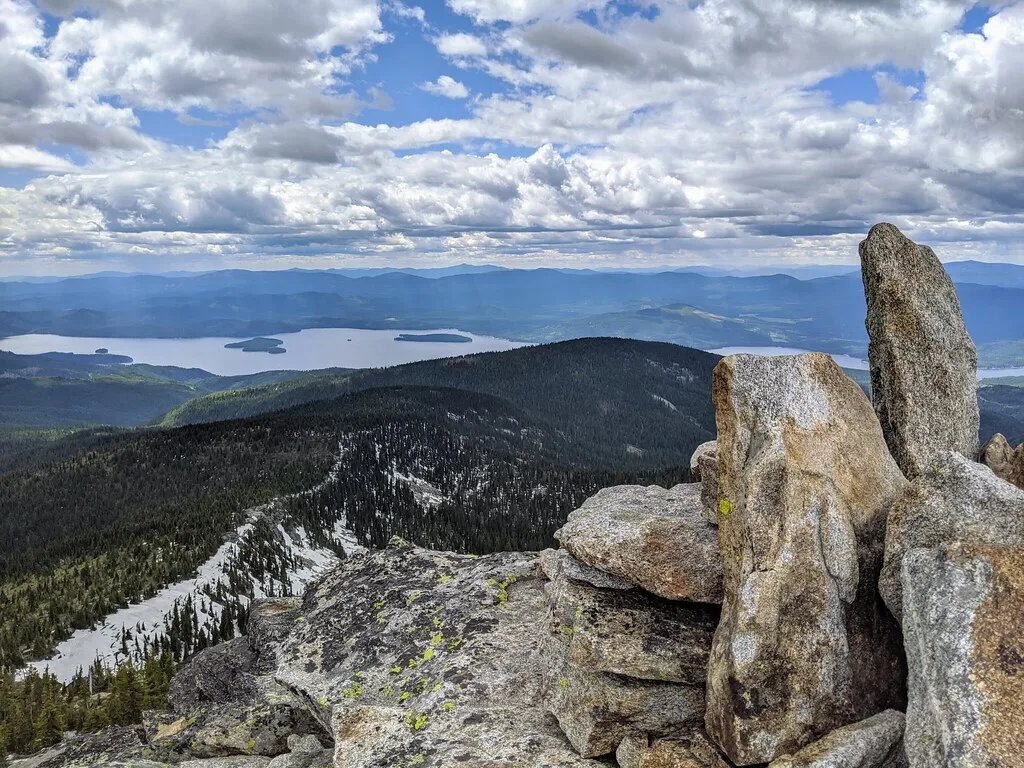
The Sawtooth Mountains rise sharply above a wide valley near Stanley, Idaho, where lakes, pine forests, and mountain trails invite a slower kind of getaway. You can enjoy the view from the shore of Redfish Lake, take a walk toward Fishhook Creek, or plan a longer wilderness trip—provided you are ready for mountain weather and seasonal changes.
The Sawtooth National Recreation Area is large, and a route that looks short on a map can take more time than expected. These four ideas are a starting point for a first visit, with room to choose the pace that suits your group.
1. Begin Near Stanley and Check Conditions
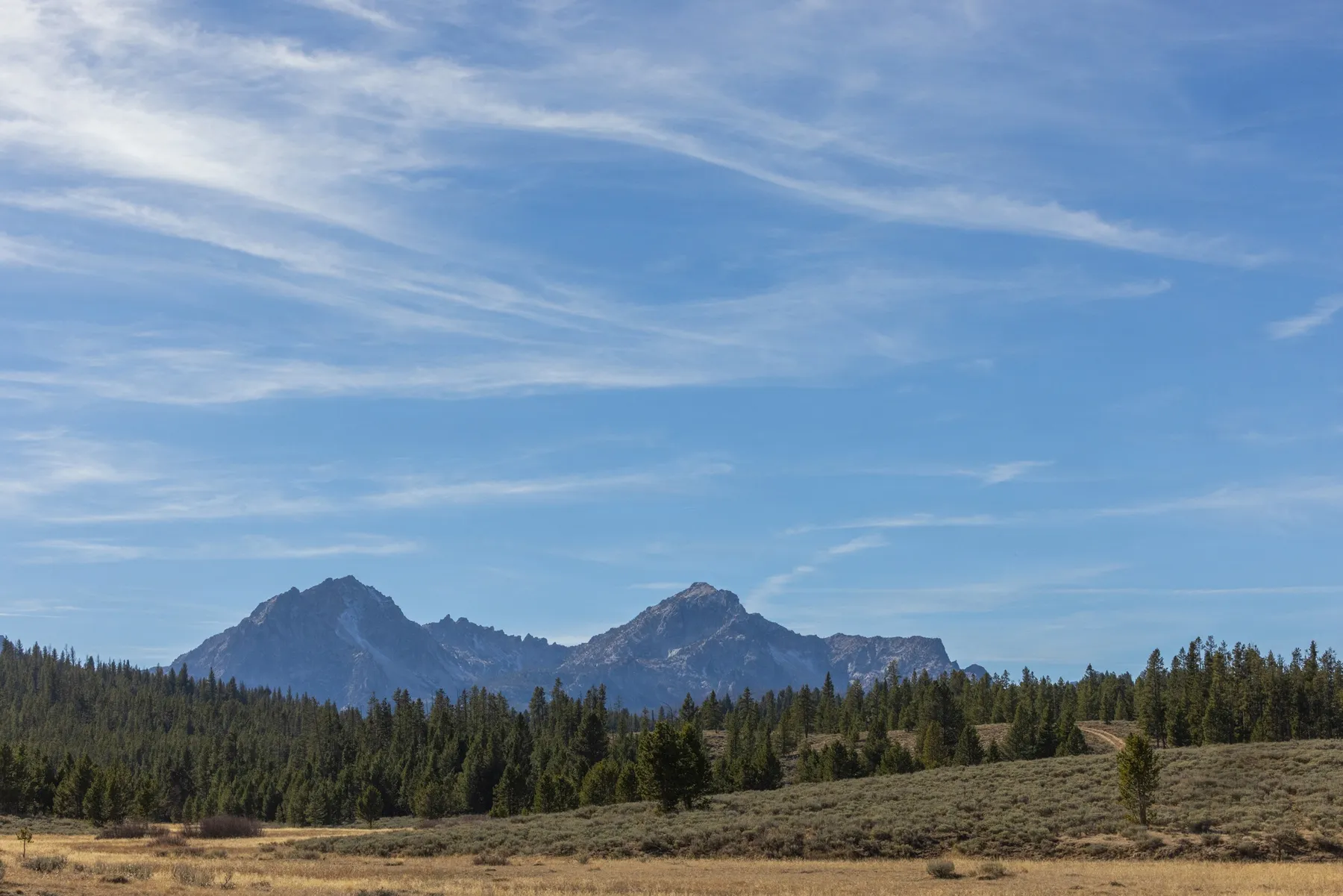
Stanley is a useful base for the northern Sawtooth National Recreation Area. From the valley, the jagged range provides an impressive backdrop, but the mountains can also create rapidly changing weather. Even in summer, pack an insulating layer and rain protection, and check the forecast before heading for a trail or lake.
Before choosing a hike, consult the Forest Service for current trail conditions, road access, fire restrictions, and wilderness rules. Snow can remain at higher elevations well into the warmer months, and storms or wildfire activity can change plans. Cell service is limited in many places, so download maps and share your itinerary before leaving reliable coverage.
A ranger station or visitor center can help you choose a route appropriate for your group. Ask about the actual conditions on the day you arrive rather than assuming a trail is clear because an older report calls it easy.
2. Spend Time at Redfish Lake
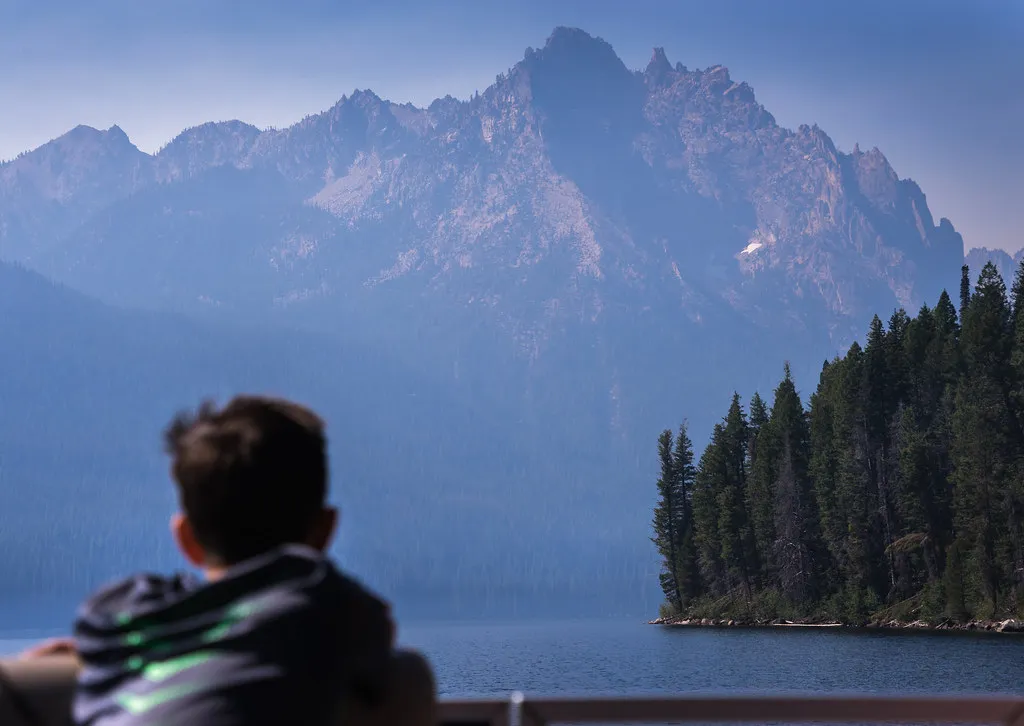
Redfish Lake sits at the base of the Sawtooth Range south of Stanley. Its shoreline, mountain views, and developed recreation facilities make it a natural first stop. Visitors can enjoy the lake from a day-use area or arrange a water-based outing, depending on the season and the services operating during their visit.
Redfish Lake Lodge offers visitor services, and Forest Service and Recreation.gov information describe options such as lake tours, rentals, and a shuttle across the lake. These are seasonal commercial services, not a guarantee of a departure on any particular date. Check the operator’s current schedule, cost, and accessibility before building a hike around a boat connection.
Mountain water is cold. Wear a properly fitted life jacket when boating or paddling, watch the weather, and choose an activity that matches your experience. Do not leave food or trash where wildlife can reach it, and follow posted rules for the lake and surrounding recreation sites.
3. Choose a Trail for Your Group
Fishhook Creek is one option near Redfish Lake. The Forest Service’s trail information describes a roughly four-mile round trip to an open meadow. That distance and description are useful for planning, but snow, mud, fallen trees, or maintenance work can change the experience. Ask for the latest report and turn around if conditions do not suit your group.
The Stanley-to-Redfish Trail is another possibility: Forest Service information describes a gravel route connecting Stanley’s Pioneer Park with a pullout on Redfish Lake Road. Its listed length is about 4.5 miles, so decide in advance whether you are walking one way with a pickup or planning a longer return trip. The Forest Service says e-bikes are not allowed on this trail.
Carry water, food, navigation, and clothing for a change in weather. Stay on designated trails and give others room. If you enter the Sawtooth Wilderness, read the specific group-size, dog, food-storage, and campfire rules that apply to your route; regulations and restrictions can differ from those at a developed campground.
4. Plan Camping and Seasonal Services Early
Redfish Lake and the surrounding forest have a range of developed campgrounds. Point Campground, for example, is near the lake and has specific restrictions on which types of vehicles fit its sites. Other campgrounds have different facilities, reservation rules, and operating seasons. Compare the actual site details before booking rather than assuming every campground has the same amenities.
Reservations can fill, and mountain services often operate seasonally. Check Recreation.gov or the managing agency for current availability, fees, water, toilets, and vehicle limits. Store food and scented items as required, pack out trash, and confirm current fire restrictions before bringing firewood or planning a campfire.
Leave room for an unhurried evening in the valley. The best part of a Sawtooth visit may be watching light move across the peaks after a day on the trail, with no need to squeeze in another destination before dark.
Before your trip, consult the Forest Service’s Sawtooth trail information, the visitor guide, and Point Campground details. Recheck current conditions, restrictions, and operating schedules shortly before you go.