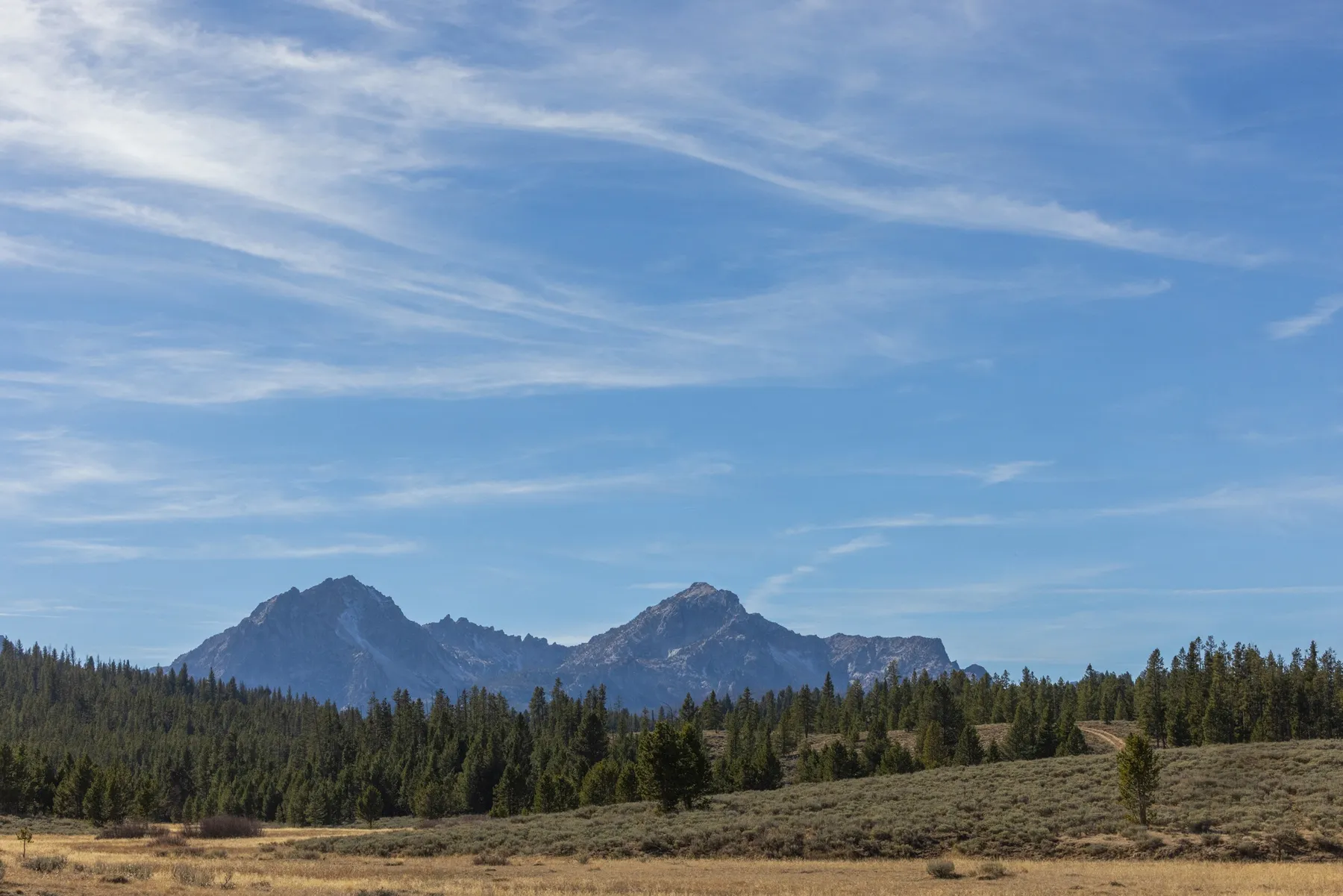
In the Idaho Panhandle, Priest Lake stretches beneath the Selkirk Mountains, its shoreline alternating between forest, beaches and small pockets of development. It is the kind of destination where a day can begin beside the water and end under the cedars without requiring a crowded itinerary.
Priest Lake State Park describes the main lake as 19 miles long, with a narrower waterway connecting it to remote Upper Priest Lake. That size makes advance planning worthwhile: the right beach, campsite or trailhead depends on what kind of visit you want. Here are seven ways to make the most of a first trip.
1. Start at Indian Creek
Indian Creek is a practical introduction to the lake. This unit of Priest Lake State Park sits on the eastern shore and has a visitor center, campsites, cabins and day-use facilities. The park lists 314 Indian Creek Park Road in Coolin as its street address; confirm the location of your particular reservation because the park has separate units.
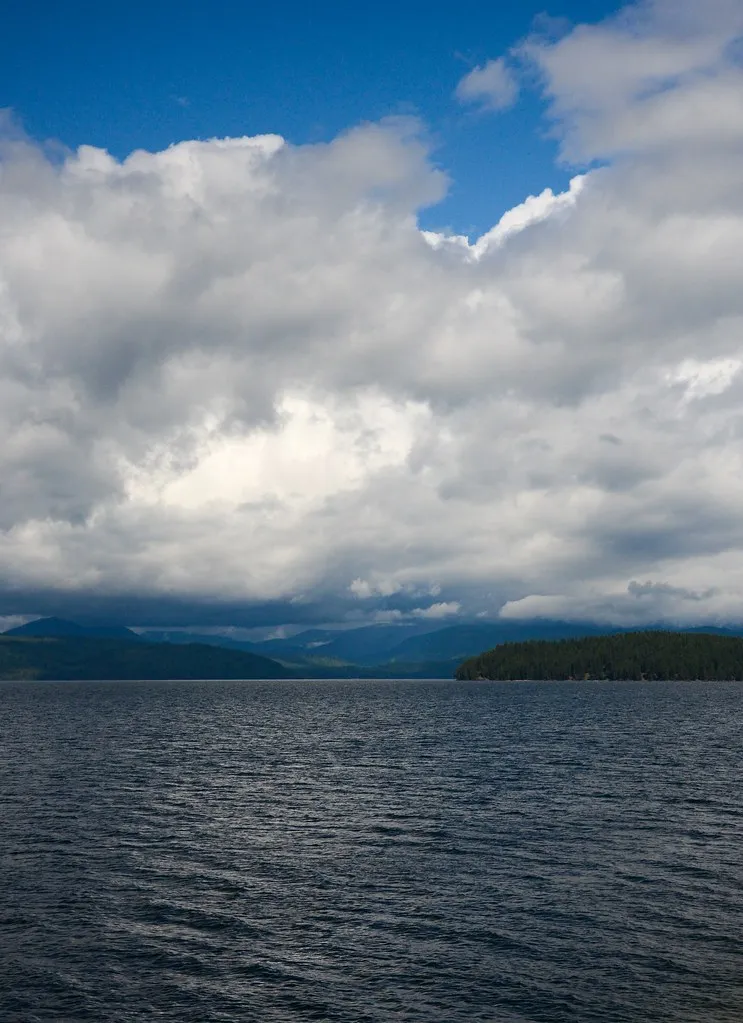
Begin with a look across the lake before choosing your next activity. A relaxed shoreline stop gives you a sense of the scale of the water and the forested mountains around it. Check the park’s trail map if you would like a short walk rather than a full-day hike, and ask staff about current conditions and accessible facilities.
2. Leave space for an unhurried beach day
Not every northern Idaho trip needs to be built around a summit. Priest Lake’s clear water, wooded shore and mountain backdrop make a picnic and a few hours by the lake a satisfying plan. Bring food, drinking water, sun protection and a warm layer for the breeze.
The state park lists swimming among its activities, but cold water, weather and changing conditions require judgment. Supervise children closely, use properly fitted life jackets for boating and follow any posted restrictions. If you plan to rent a canoe or kayak, confirm seasonal availability with the park before depending on it.
Pack out what you bring, secure food around wildlife and keep the beach welcoming for the next group. A slower visit is often the best way to notice the contrast between the open water and dense forest just beyond the shore.
3. Explore the Lionhead area
Lionhead is another Priest Lake State Park unit farther north on the lake’s eastern side. Its campground offers a different base from Indian Creek, and the park publishes separate maps for its trails and camping areas. Check the map and reservation details before leaving home rather than assuming the two units share the same entrance or facilities.
For an overnight trip, compare the kind of site you need with what is actually available on your dates. A campground listing describes amenities across the park; it does not mean every site has every service. Book only after checking the individual site description, vehicle limits and seasonal opening information.
4. Treat Upper Priest Lake as a backcountry outing
Upper Priest Lake is connected to the main lake by a roughly two-mile thoroughfare. Idaho State Parks says the upper lake is accessible by foot, mountain bike or boat. That is a useful distinction: it is not simply another lakeside parking area where you can improvise an easy stop.
Choose a route suited to your group, study a current map and check the Forest Service’s latest road, trail and water conditions. The surrounding scenic area is more remote than a developed day-use beach. Carry the essentials, tell someone your route and expected return, and allow time to turn around if the weather changes.
On the water, wind and waves can make a crossing more demanding than it looked from shore. Bring appropriate safety equipment, stay within your abilities and check the rules for your route and craft. Respect private property and leave campsites and shorelines as you found them.
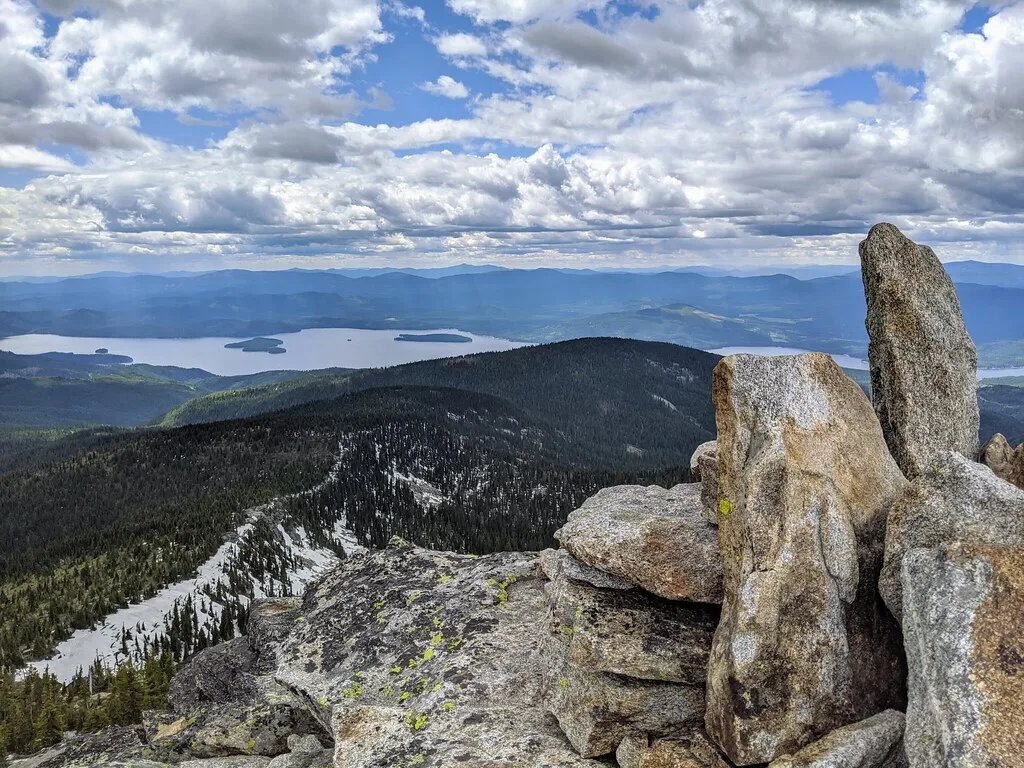
5. Walk among the cedar forests
The lake is only one part of the attraction. The state park describes forests of cedar, fir and tamarack, while the Forest Service highlights old-growth western red cedar in the Upper Priest Lake area. Trails offer a closer look at that landscape, from the shade of the forest floor to glimpses of water through the trees.
Start with an official map for the specific unit you intend to visit. Check distance, elevation, surface and current closures instead of judging a route only by its name. Some park facilities and trails have accessible features, but accessibility varies; call the park when you need details about a particular route.
Wildlife can include black bears and moose, according to the park. Give animals room, never feed them and keep pets controlled according to park rules. A quiet trail is a good place to slow down, not to approach wildlife for a photograph.
6. Consider a winter visit with a different plan
Priest Lake is not only a summer destination. The state park lists cross-country skiing and snowshoeing among its activities, including winter trails around Indian Creek. The nearby Hanna Flats area also offers Nordic skiing and snowshoe routes described by Idaho State Parks.
Winter access is highly dependent on snow, grooming and weather. Check current reports, vehicle requirements and trail rules before making the drive, and carry the equipment needed for cold conditions. Do not assume that summer parking, restrooms or services operate in the same way after the season changes.
7. Check services and reservations before you go
As of the park’s current notice, running water at Indian Creek and Lionhead is off for the season, the dump station is closed and garbage collection is unavailable. Bring your own water and pack out all waste if those conditions still apply. Services change seasonally, so consult the official park page for the latest notice before departure.
The park offers campsites and cabins, but reservations, fees, rentals and accessible features should all be checked for your specific dates. Cell service can be limited; the park lists Wi-Fi at the Indian Creek visitor center but not Lionhead. Download maps in advance and avoid making a remote trail or boat trip depend on a reliable signal.
Whether you choose an easy lakeside afternoon or a carefully planned excursion toward Upper Priest Lake, the reward is the same sense of room to breathe: clear water, forest and mountains in one of northern Idaho’s most distinctive settings.