The Snake River valley near Hagerman holds two stories separated by millions of years. One is preserved in fossils from an ancient landscape of horses, mastodons, and other animals. The other follows emigrants who crossed Idaho along the Oregon Trail. At Hagerman Fossil Beds National Monument, a visitor can encounter both stories with a museum stop and a drive to overlooks above the river.
There is one essential detail to know before you go: the fossil beds themselves are not open to the public. The visitor center is where you can see fossils; the monument overlooks provide views and interpretation. These four stops and ideas make an approachable first visit.
1. See Fossils at the Thousand Springs Visitor Center
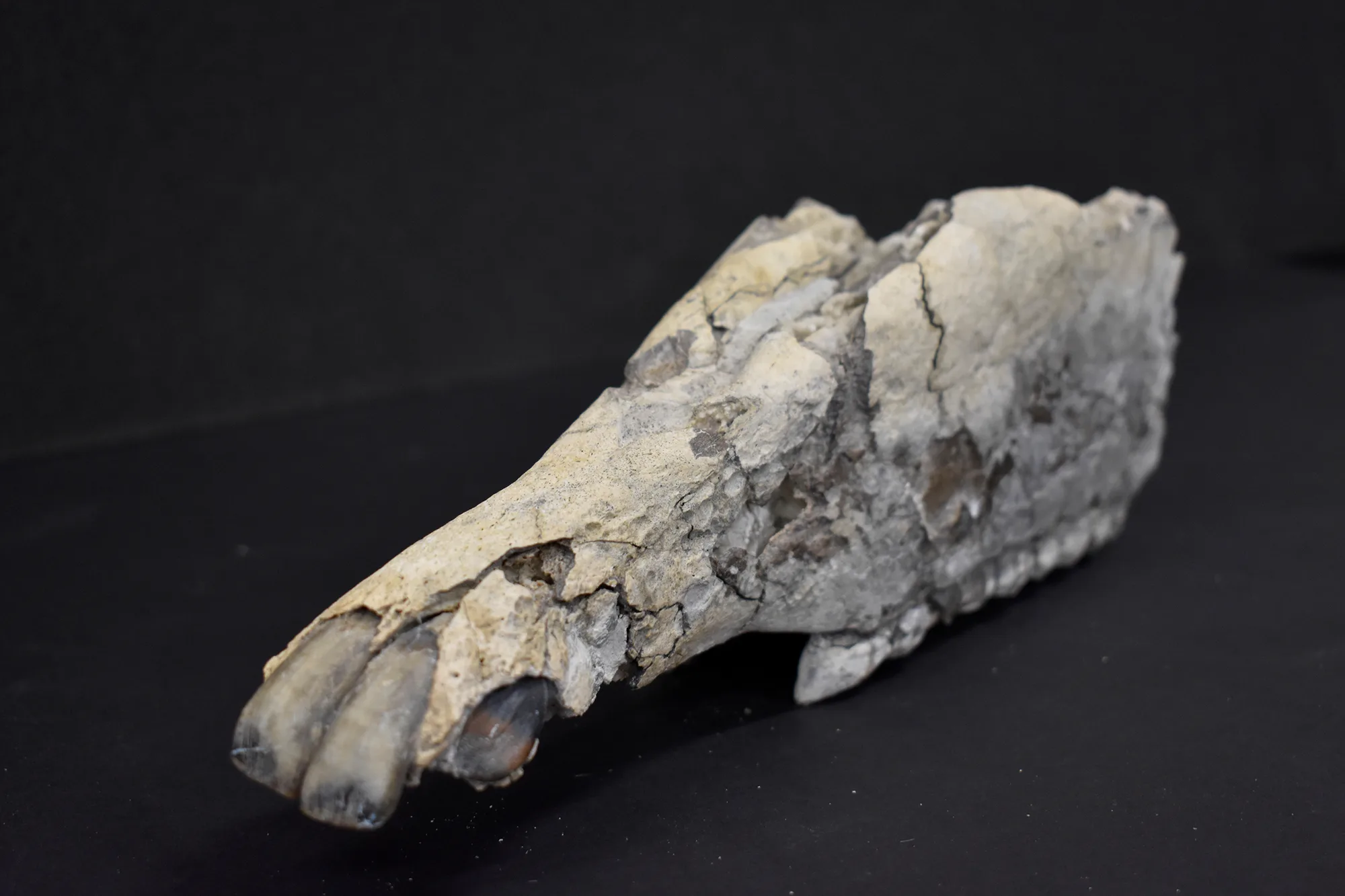
Start at the Thousand Springs Visitor Center, about one mile north of Hagerman on U.S. Highway 30. It is a shared visitor center for Hagerman Fossil Beds National Monument and Thousand Springs State Park. The center offers fossil displays, information, maps, restrooms, and drinking water during its operating hours.
Hagerman’s fossils date from the Pliocene Epoch, roughly three to four million years ago. The famous Hagerman horse is Idaho’s state fossil; its relatives lived here alongside animals such as ground sloths and saber-toothed cats. These are not dinosaur fossils: the Pliocene came long after non-avian dinosaurs disappeared.
According to the National Park Service, the visitor center is the only place in the monument where fossils are on display. Check its current schedule before traveling. Hours change with the season, and the present winter schedule is more limited than summer; holiday closures and staffing can also affect access.
2. Drive to the Snake River Overlook
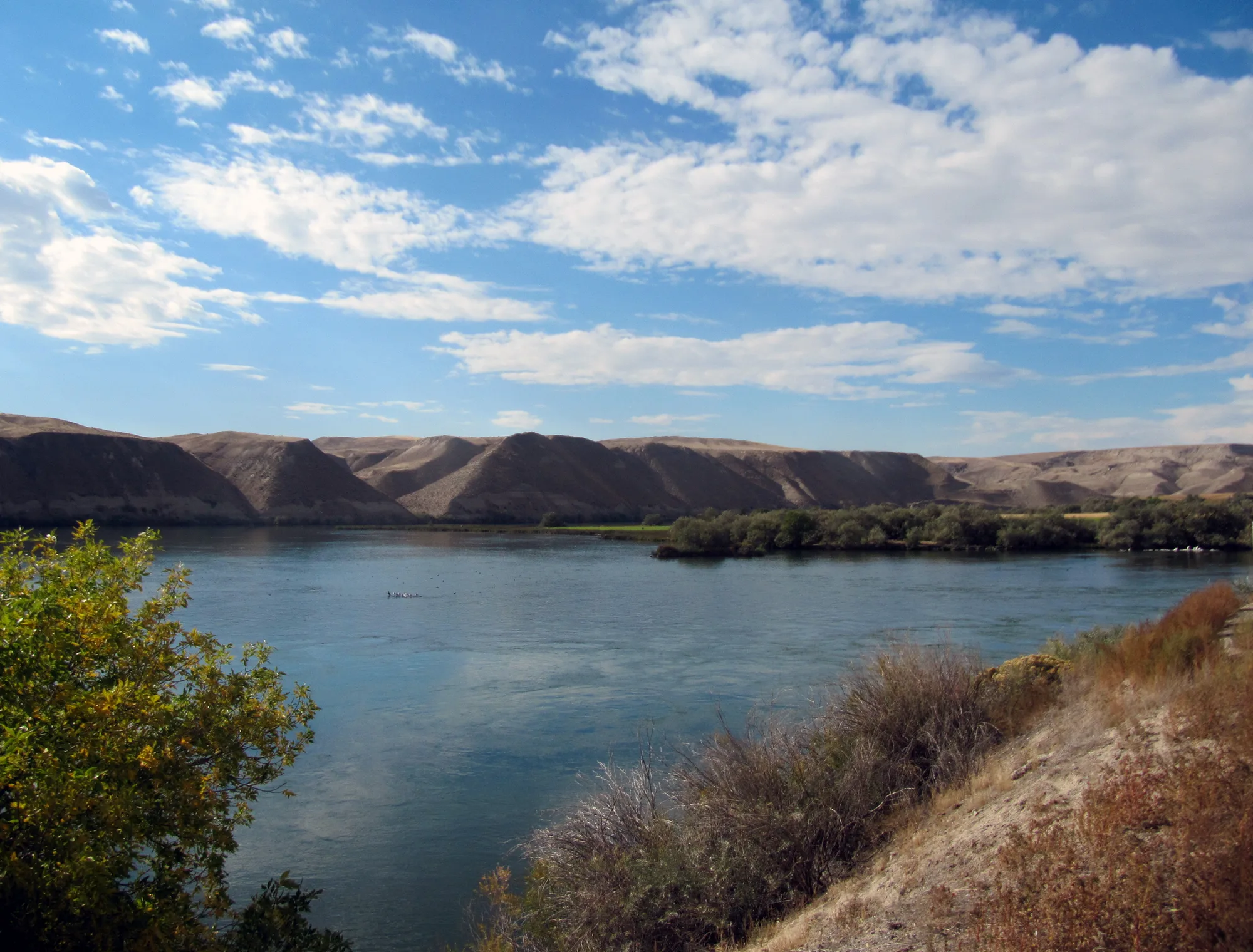
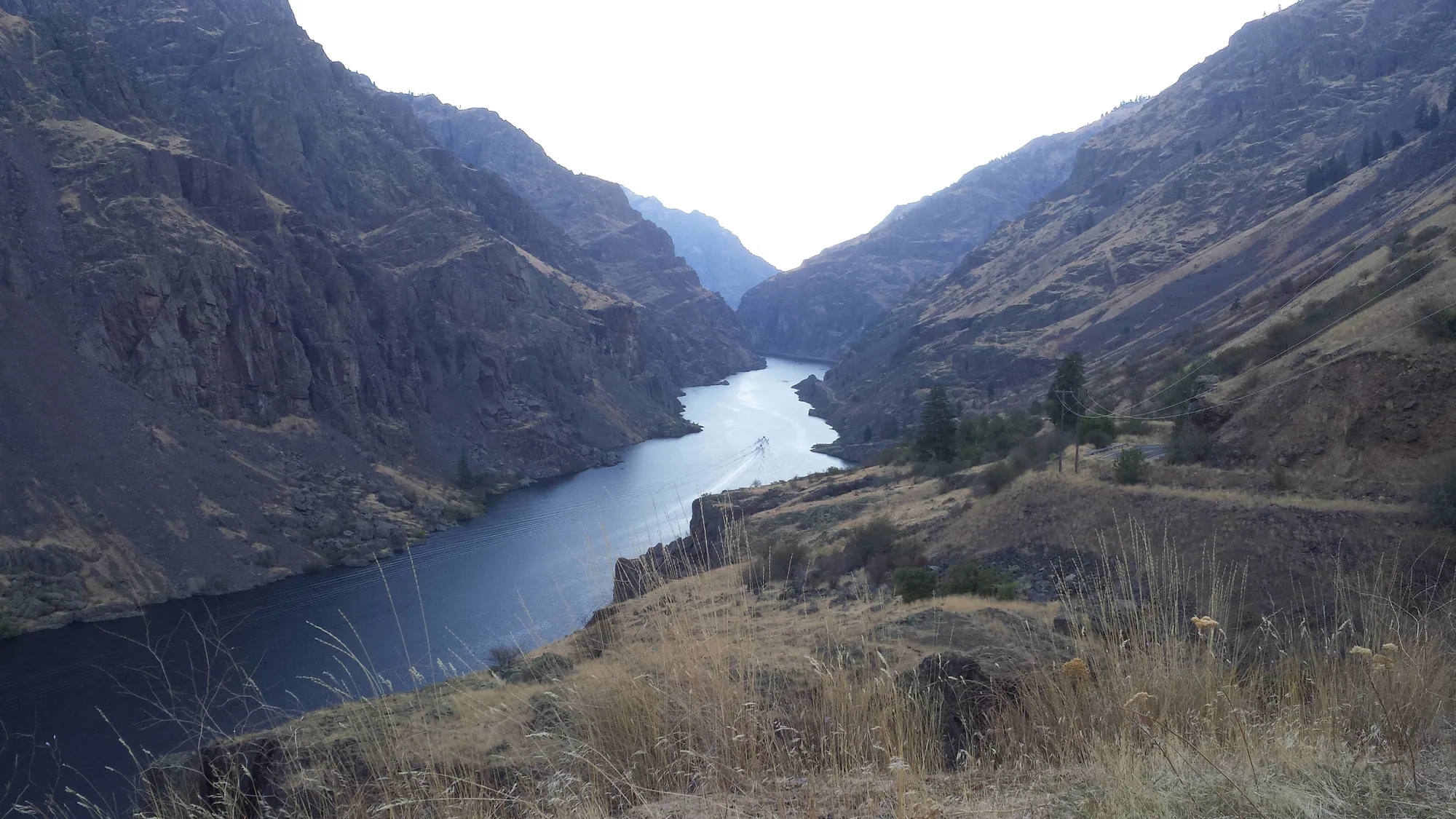
From the visitor center, the monument’s scenic overlooks and trails are approximately nine miles away on Bell Rapids Road. The Snake River Overlook offers a view of the river, the Hagerman valley, and portions of the fossil-bearing bluffs. It is a chance to connect what you saw in the exhibits with the larger landscape where paleontologists work.
The view can be deceptive. The park warns that the bluffs are steep and unstable, and there is no public access to the fossil beds. Remain in open visitor areas and on designated routes rather than attempting to descend or climb the slopes. Do not collect fossils, rocks, plants, or other natural objects within the monument; if you notice a fossil, leave it in place and tell park staff.
The overlooks generally close at dusk, and trails and overlooks are not maintained during winter. Bring water and layers, and use caution around exposed edges. Weather and changing road conditions can affect the visit, so check the latest park information before you leave.
3. Continue to the Oregon Trail Overlook
Farther along the park road, the Oregon Trail Overlook adds a human-history layer to the valley. Interpretive signs and the surrounding terrain help explain the journey of overland travelers through this part of Idaho. The park’s scenic-drive guidance places the overlook about 2.5 miles beyond the Snake River Overlook.
Take time to compare the two perspectives. From one stop, the river and bluffs introduce a far older fossil record; from the other, the land helps tell the story of nineteenth-century travel. Ask staff about available trail routes and current conditions if you want to walk rather than simply visit the viewpoints.
As with any historic landscape, leave artifacts and natural features undisturbed. Do not drive off designated roads or create new paths. Historic trail stories are one part of a longer human relationship with the Snake River valley; look for interpretation of the communities whose connections to the area predate overland emigration.
4. Leave Room for the Hagerman Valley
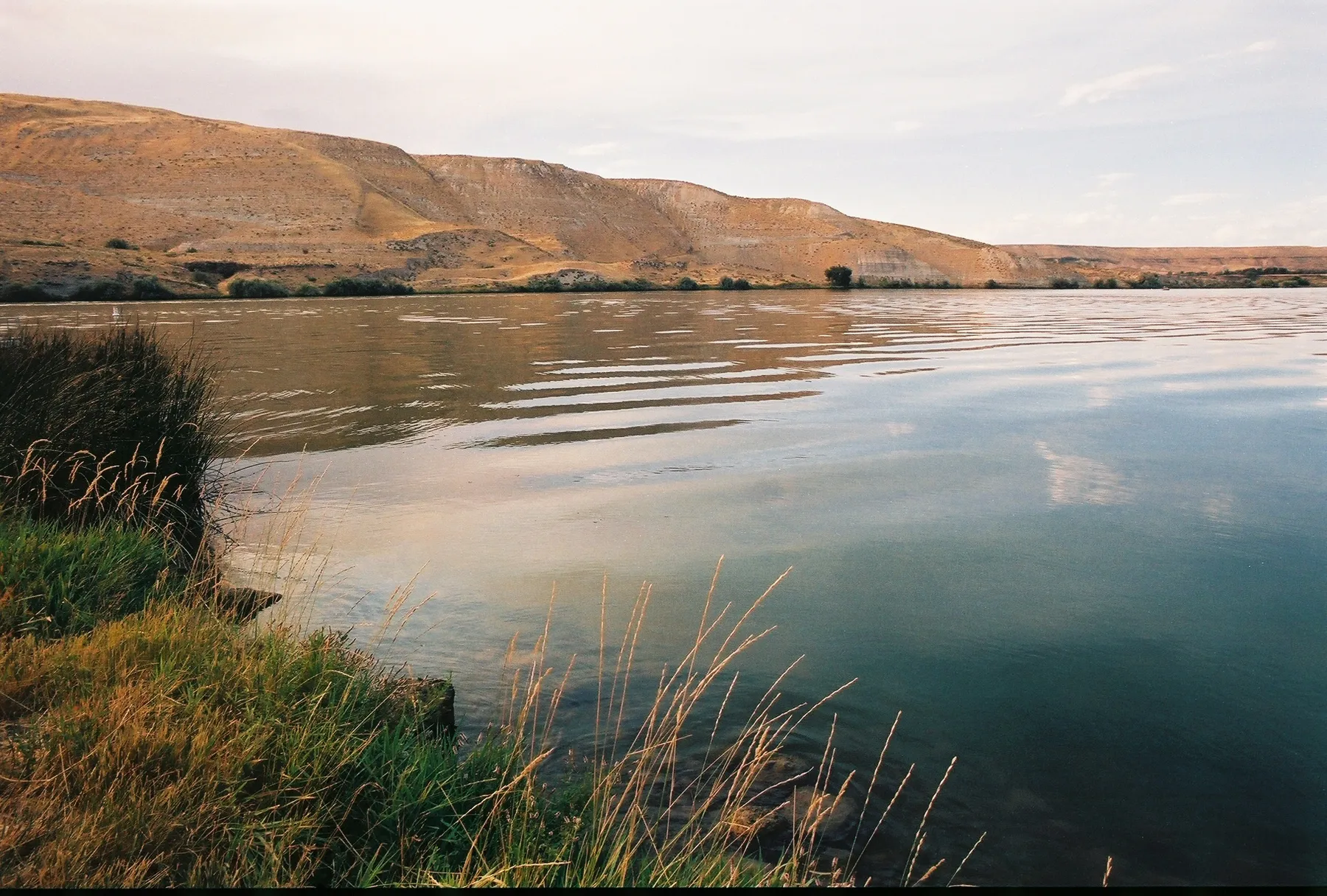
Because the shared visitor center also introduces Thousand Springs State Park, it is a useful place to ask how its separate units might fit the rest of your day. The state park and national monument are managed by different agencies. Some state park units charge fees, and their hours, access, and facilities should be checked separately.
A good itinerary leaves enough time for the visitor center and both overlooks without assuming that all the attractions are next door to one another. If you are adding another state park stop, check its location, weather, and seasonal rules before setting out. Drinking water and flush toilets at the monument are available at the visitor center during its operating hours.
Before your trip, review the National Park Service’s visitor center information, current hours, scenic-drive guide, and frequently asked questions. Recheck the schedule and conditions shortly before your visit.