Minidoka National Historic Site preserves part of a place where the United States government incarcerated Japanese Americans during World War II. A visit to this rural southern Idaho site is an opportunity to learn about the people whose lives were uprooted, the conditions they faced, and the civil liberties questions their experiences continue to raise.
The site is near Jerome and Twin Falls. Its visitor center is seasonal, while the grounds and walking trail are generally open during daylight hours. These four parts of a visit offer a respectful introduction to Minidoka’s history.
1. Begin With the History
After the attack on Pearl Harbor, the U.S. government forcibly removed people of Japanese ancestry from the West Coast and incarcerated them during World War II. Many were American citizens. The National Park Service says more than 13,000 Japanese Americans were held at Minidoka over the life of the Idaho camp.
Families were forced to leave homes, businesses, possessions, and communities. At Minidoka, people lived in hastily constructed barracks in the high desert, with little privacy and harsh seasonal weather. The site’s exhibits and oral histories help connect those broad facts to individual experiences.
It is useful to read the park’s history before arriving, especially if you visit when the visitor center is closed. Approach the site as a place of remembrance and education, not simply a collection of old buildings. The people held here had distinct lives before incarceration and built communities under the constraints imposed on them.
2. Visit the Seasonal Visitor Center
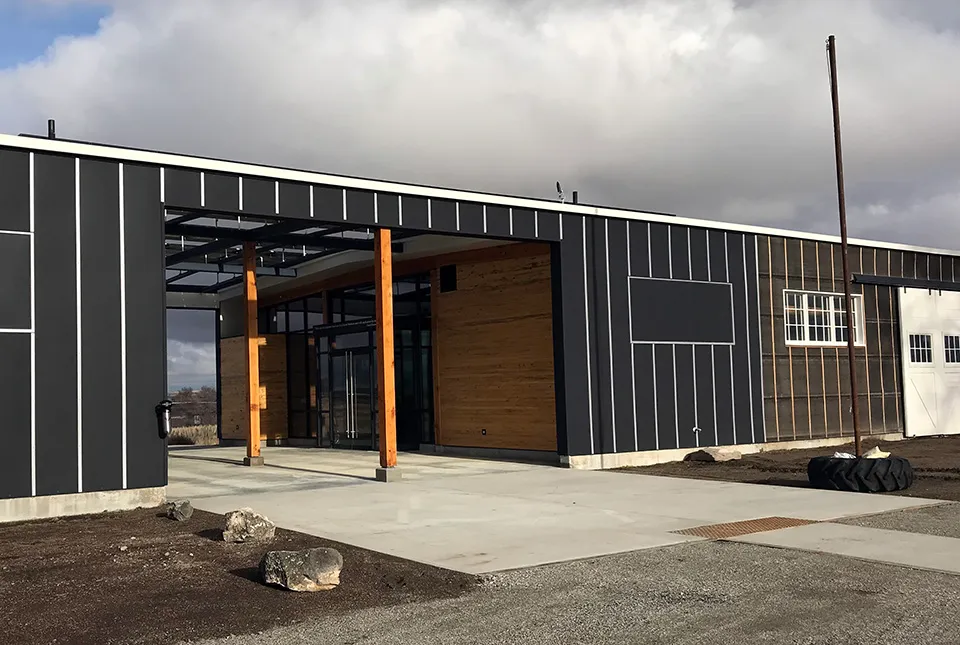
The visitor center at 1428 Hunt Road near Jerome occupies a converted historic warehouse that served as an automotive repair shop during the incarceration period. When open, it provides exhibits, visitor information, a bookstore, and the park film, narrated by actor and incarceration survivor George Takei.
Hours are limited and change by season. The National Park Service reports that the visitor center closes during fall and winter, while the grounds remain open for self-guided visits from sunrise to sunset. Confirm the current schedule before leaving. When the center is closed, brochures are available in an after-hours box, but restrooms are not available.
The visitor center is accessible, while the park notes that its gravel walking trail can be difficult for some visitors. Ask park staff about current access and program options if you need them. Allow enough time to read the personal stories rather than only looking at the exhibits.
3. Walk the Interpretive Trail
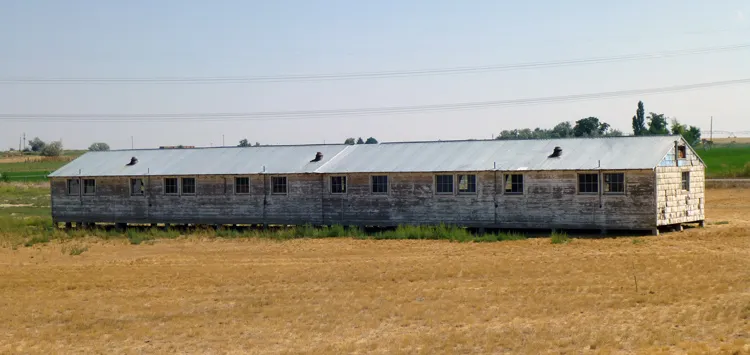
Minidoka has about 1.6 miles of gravel walking trails with outdoor exhibits. The route gives visitors views of the entrance area, reconstructed fencing, historic structures, the Honor Roll, and Block 22. The park suggests allowing up to two hours for all the trails, though a shorter walk may suit your schedule.
The barrack pictured here is an original building returned to the site; it should not be mistaken for the complete camp as it stood during the war. Most original structures and fences no longer remain. Outdoor panels help visitors understand the scale and organization of the place, as well as the lives of those held there.
Interior access to historic buildings is limited and may be available on ranger-led tours; do not assume buildings are open during a self-guided walk. Stay on designated trails and leave artifacts and natural objects undisturbed. Pets are not allowed on park trails, although service animals are permitted under park rules.
4. Prepare for the High Desert and Continue Learning
There is little shade along the trail. Wear sturdy shoes, bring water and sun protection, and check winter road conditions before traveling. The park notes that water availability can vary with weather and that rattlesnakes and other wildlife may be present. Give animals space and stay on open routes.
Visiting with children or a group can prompt difficult but valuable conversations about citizenship, prejudice, and due process. The park film and exhibits offer an entry point, and the National Park Service provides further accounts of forced removal, daily life at Minidoka, and later efforts to address the injustice.
Before you go, review the park’s hours and seasonal information, visitor safety guidance, walking-tour details, and history resources. Check again close to your trip because visitor services and conditions can change.