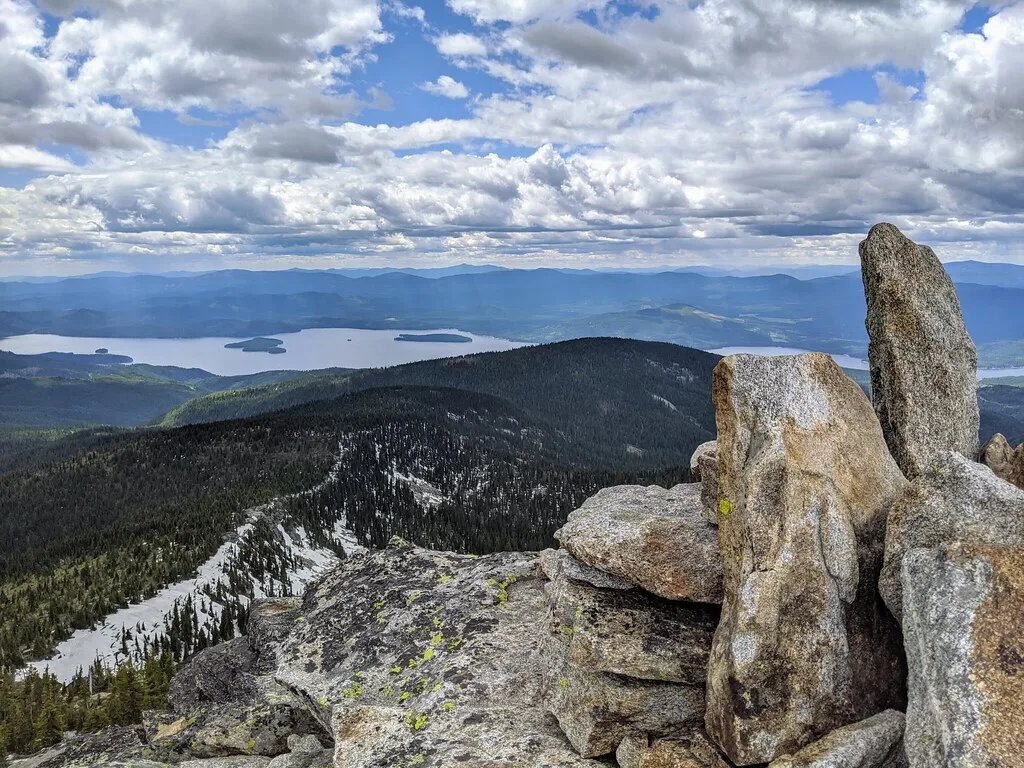
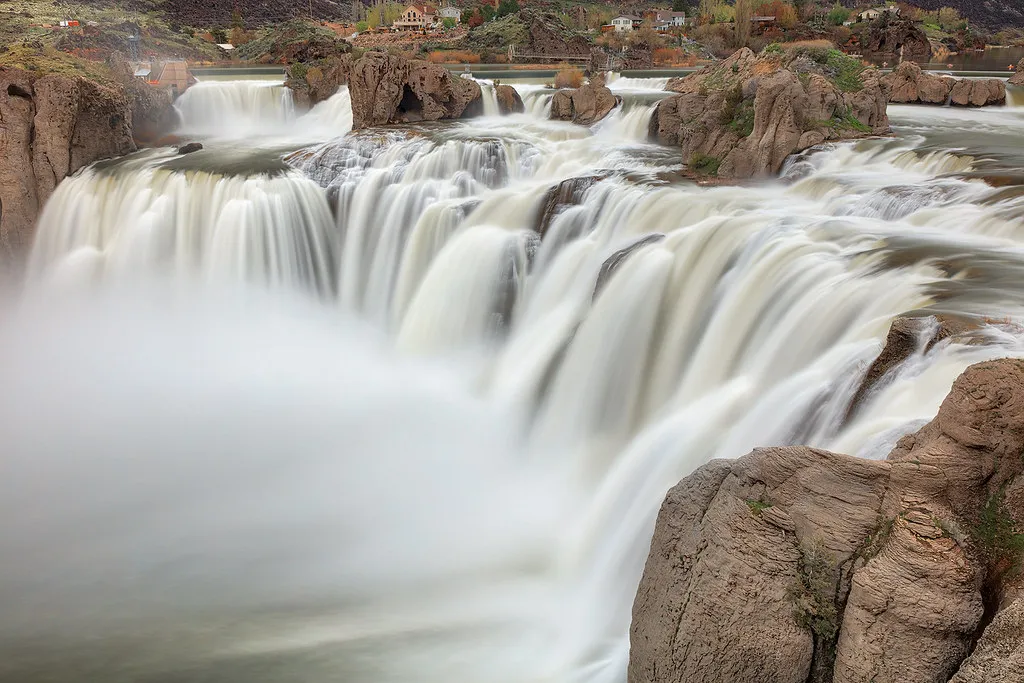
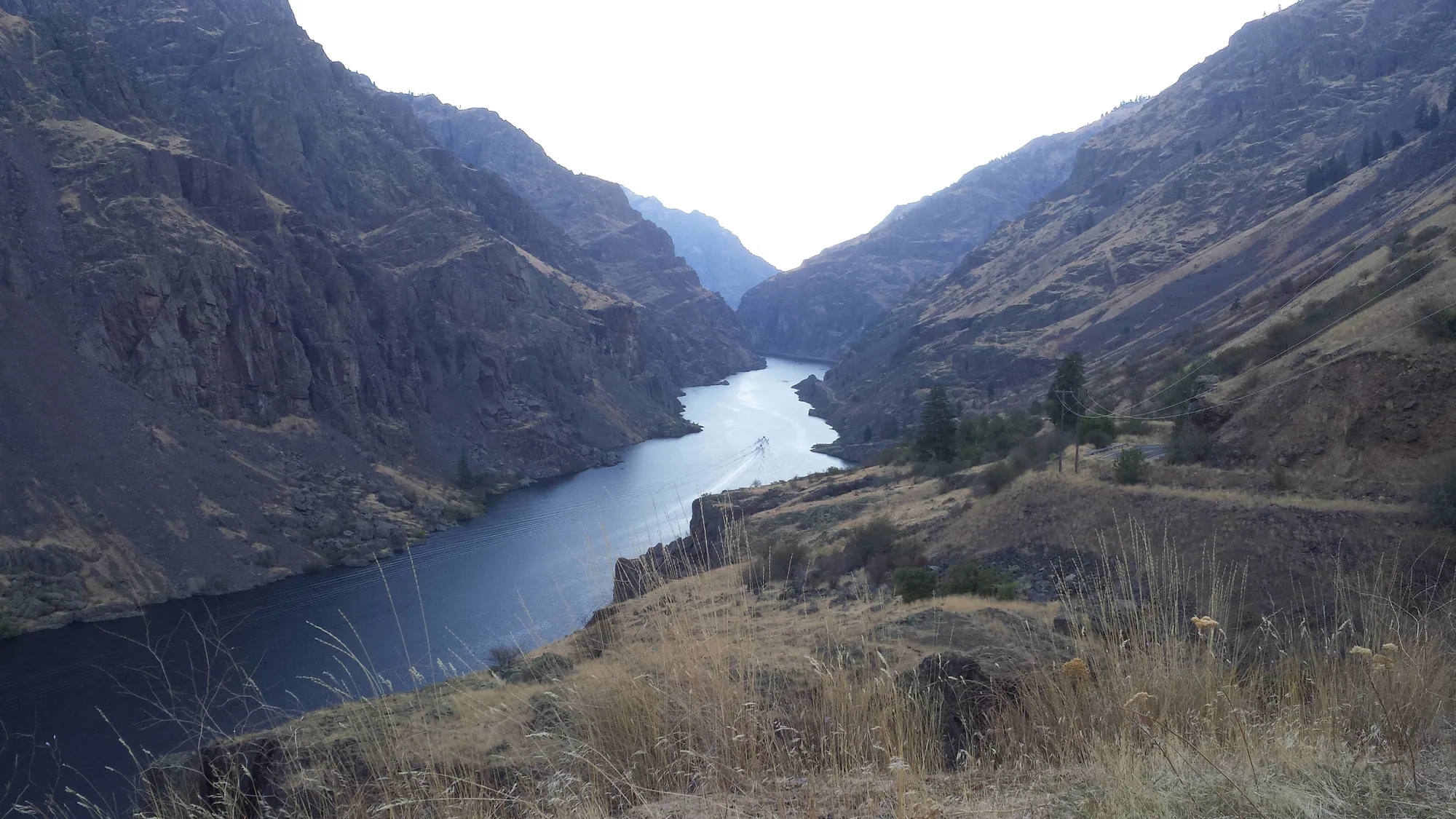
Nez Perce National Historical Park is not one continuous park behind one entrance gate. Its sites are spread across the homeland of the nimíipuu, or Nez Perce, in several states. In Idaho, places along the Clearwater River and in the surrounding hills tell stories of creation, community, assistance to outsiders, conflict, and survival.
These four Idaho sites offer a starting point for learning, not a complete account of the Nez Perce people. Distances are significant, and each place deserves time and respect. Check operating hours, road conditions, and facilities before choosing which stops fit your trip.
1. Start at the Spalding Visitor Center
The park’s main visitor center and headquarters are at Spalding, east of Lewiston. Begin here when it is open to find exhibits, maps, park information, and guidance on the many sites that make up the national historical park. Ask staff about current hours and the time needed to reach the places you hope to visit.
The Spalding area has seen many uses by the Nez Perce and was also the location of Henry and Eliza Spalding’s mission. Short interpretive trails move through the historic area. Instead of treating the mission as the beginning of the story, use the visitor center to understand the much longer and continuing presence of the nimíipuu in this region.
Some park places, including cemeteries, are sacred. The National Park Service asks visitors to treat them with respect. Remain on open paths, leave objects in place, and follow signs and staff guidance about appropriate behavior.
2. Follow the Clearwater River to Canoe Camp
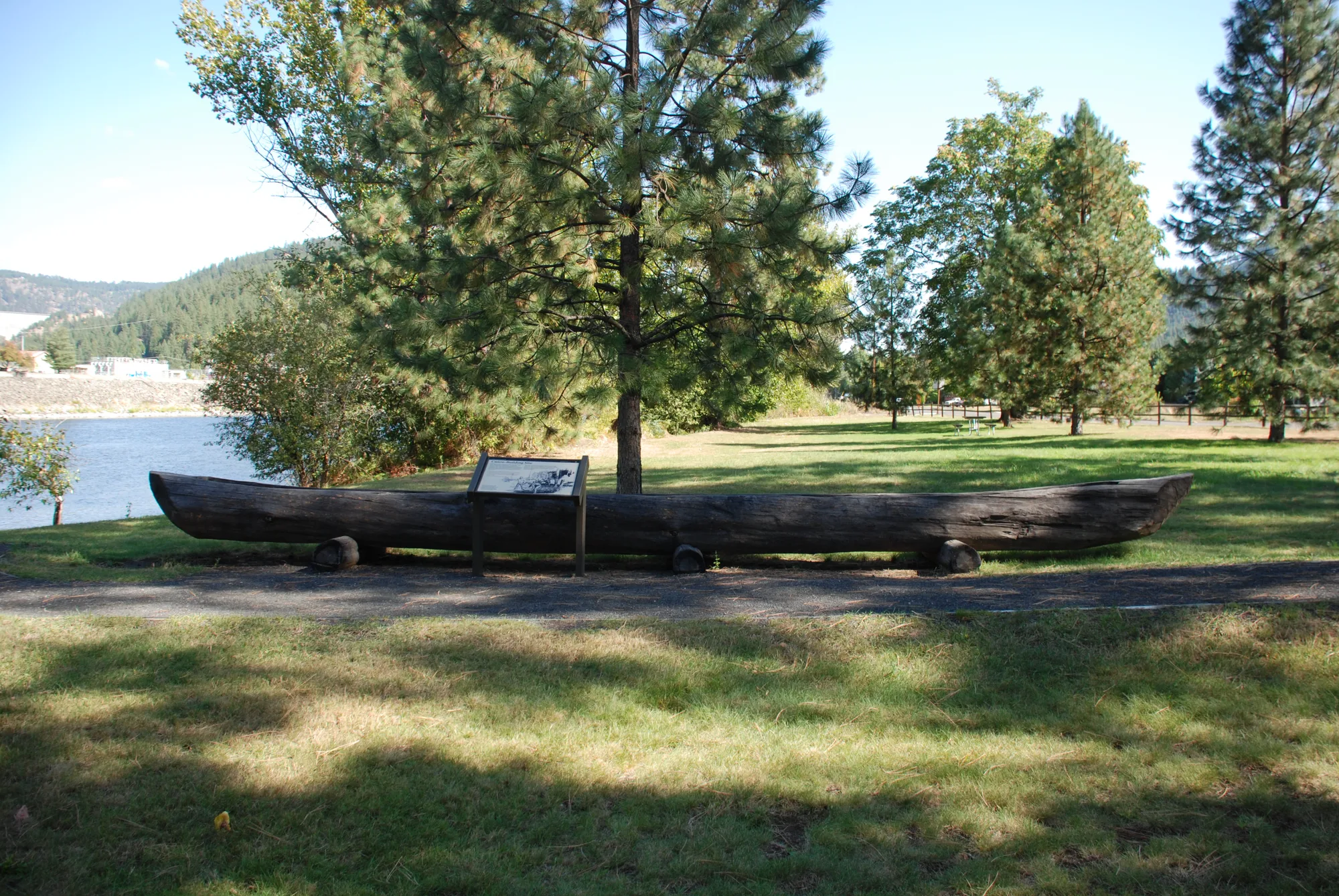
Canoe Camp is beside the Clearwater River about four miles west of Orofino on U.S. Highway 12. In 1805, members of the Lewis and Clark expedition worked with the Nez Perce to build canoes for their journey toward the Pacific. A short interpretive trail explains the site and those interactions.
That well-known episode is one moment in a much older human history. The park states that Nez Perce people inhabited these grounds for thousands of years. Reading the interpretation with that longer timeline in mind helps keep the place from becoming only a story about visitors passing through.
There are restrooms at Canoe Camp according to the park’s outdoor-activities guide, but check the current status of facilities before traveling. Take care entering and leaving the highway, and give yourself a few quiet minutes to consider the river’s role in travel and community life.
3. Learn the Story of Heart of the Monster
Near Kamiah is Heart of the Monster, a landmark connected to a nimíipuu creation story. The National Park Service explains that the story tells of Coyote defeating a monster; interpretation at the site presents the story in nimipuutímt, the Nez Perce language, and English.
A short interpretive trail gives visitors a way to encounter the story in the place to which it belongs. Listen or read carefully and remember that this is a place with cultural meaning, not merely an unusual landform or a roadside curiosity. The park specifically asks visitors to accord it respect.
The site lies along U.S. Highway 12 near Kamiah, roughly 60 miles east of the Spalding visitor center. Restrooms and picnic tables are listed by the park, although conditions and service availability can change. Check current directions and allow time for the drive rather than assuming the park’s sites are clustered together.
4. Reflect at White Bird Battlefield
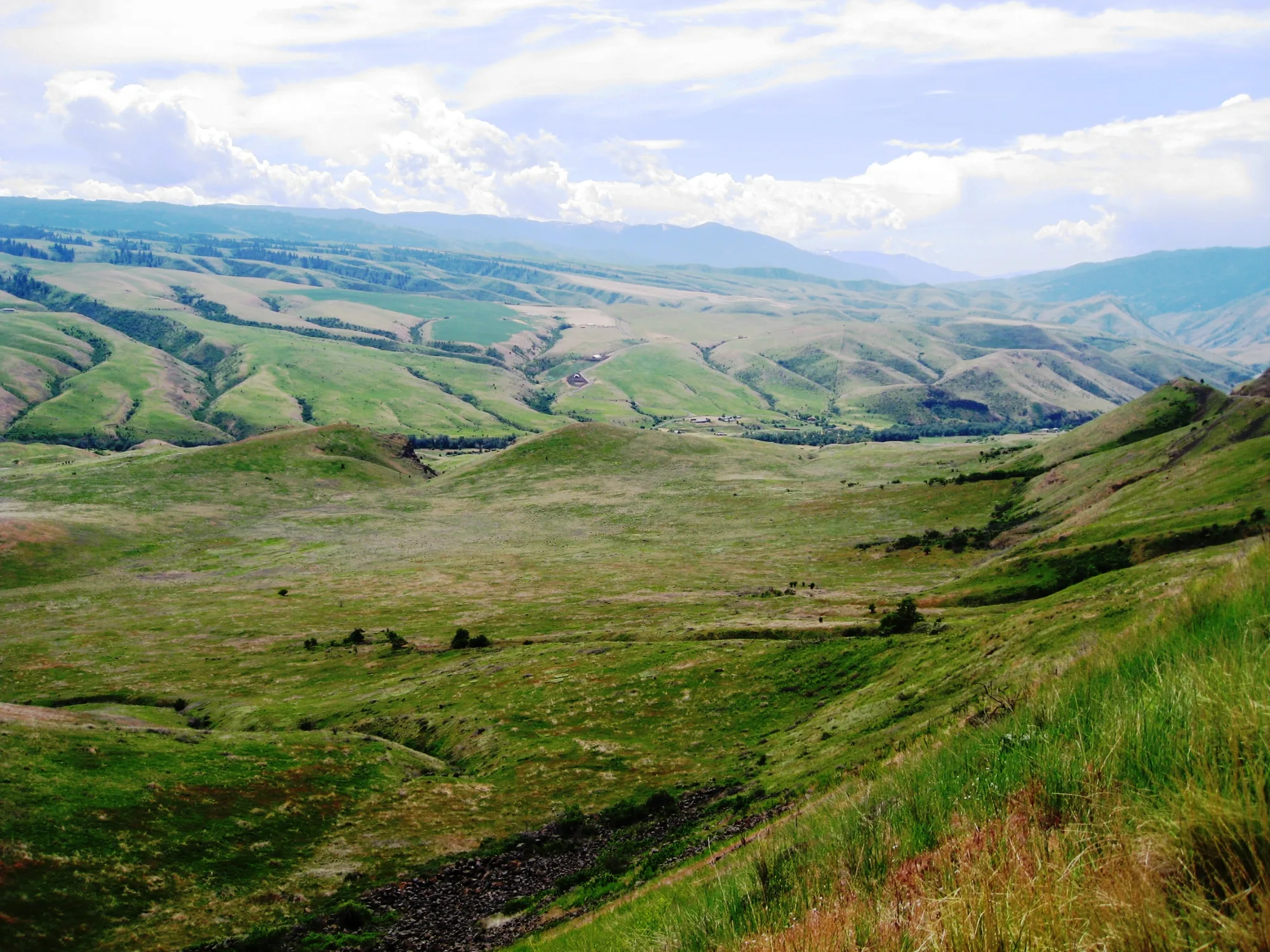
White Bird Battlefield, south of Grangeville near the town of White Bird, marks the first battle of the Nez Perce War of 1877. The park’s account describes U.S. cavalry moving toward a Nez Perce village and encountering a peace party carrying a white flag. A civilian volunteer fired, the battle began, and Nez Perce fighters defeated the cavalry before the people continued seeking safety.
A roughly 1.5-mile round-trip trail and interpretive panels help visitors understand the landscape and the events of June 17, 1877. This is a battlefield and a place of loss and displacement. Stay on established routes, do not collect artifacts, and allow time for reflection.
The park warns that the battlefield can be very hot in summer and lists no visitor facilities there. Carry plenty of water, sun protection, and a map, and check the weather before walking. The rolling hills are beautiful, but the meaning of the site lies in the history and the people whose lives were changed here.
Plan a Respectful Visit
Nez Perce National Historical Park includes sites in Idaho, Montana, Oregon, and Washington; this guide covers four in Idaho only. Pick the stops that fit your route and keep space in the schedule to read and listen. Outdoor access, visitor-center hours, and restrooms can vary by location and season.
Before traveling, use the park’s places to go, trail and facilities guide, White Bird visitor information, and guidance on protecting cultural sites. Recheck conditions and hours close to departure.