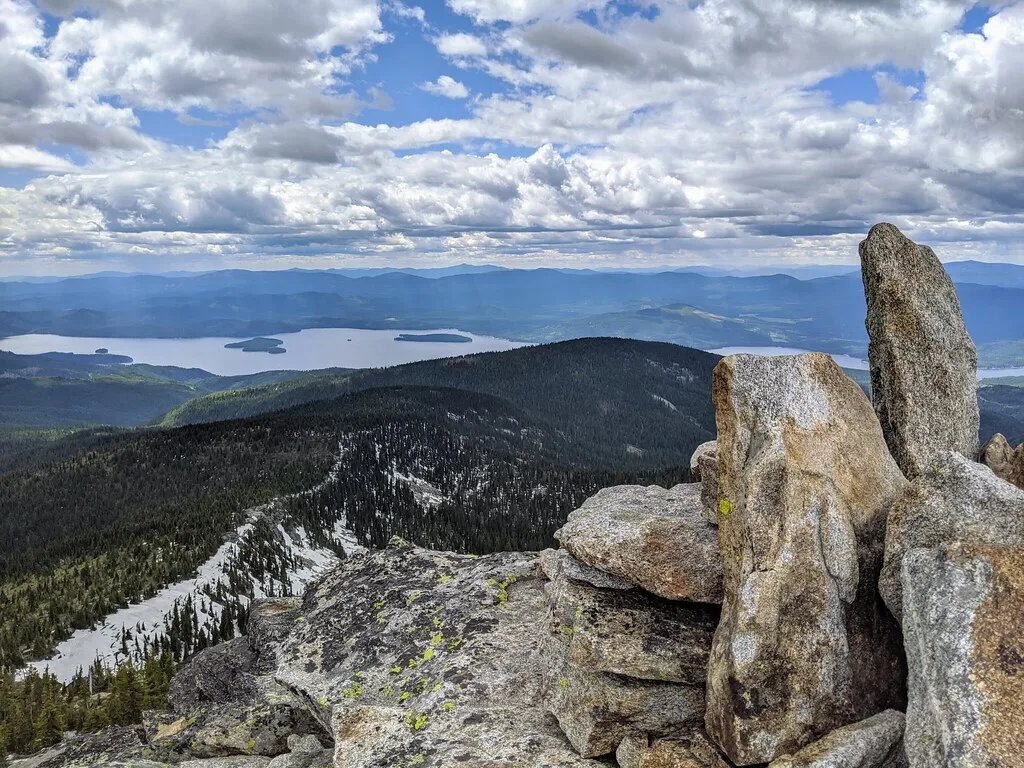
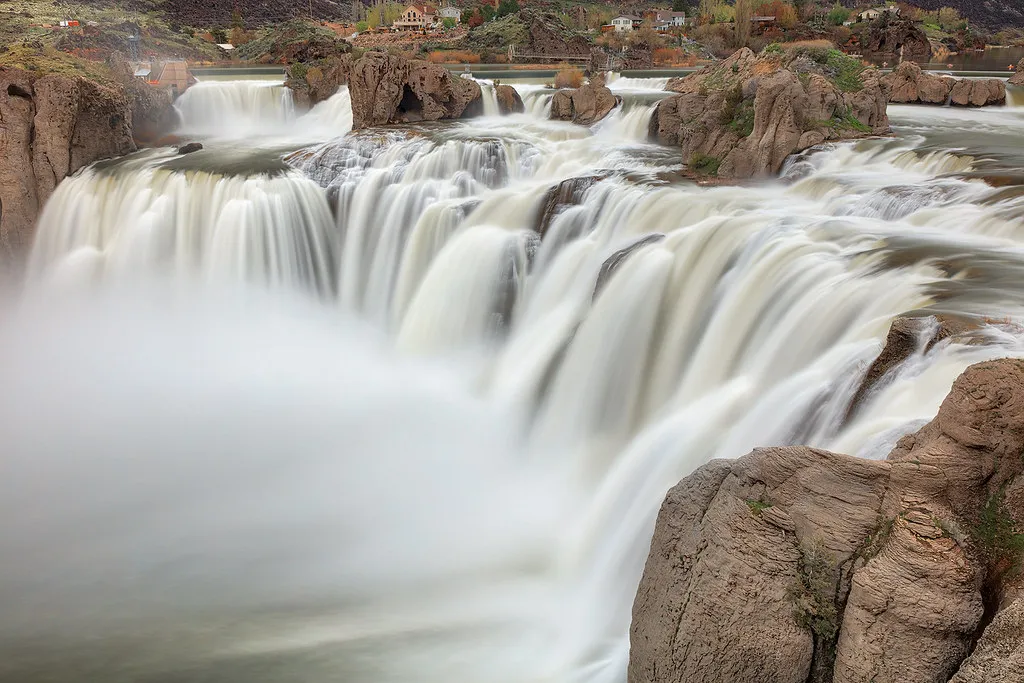
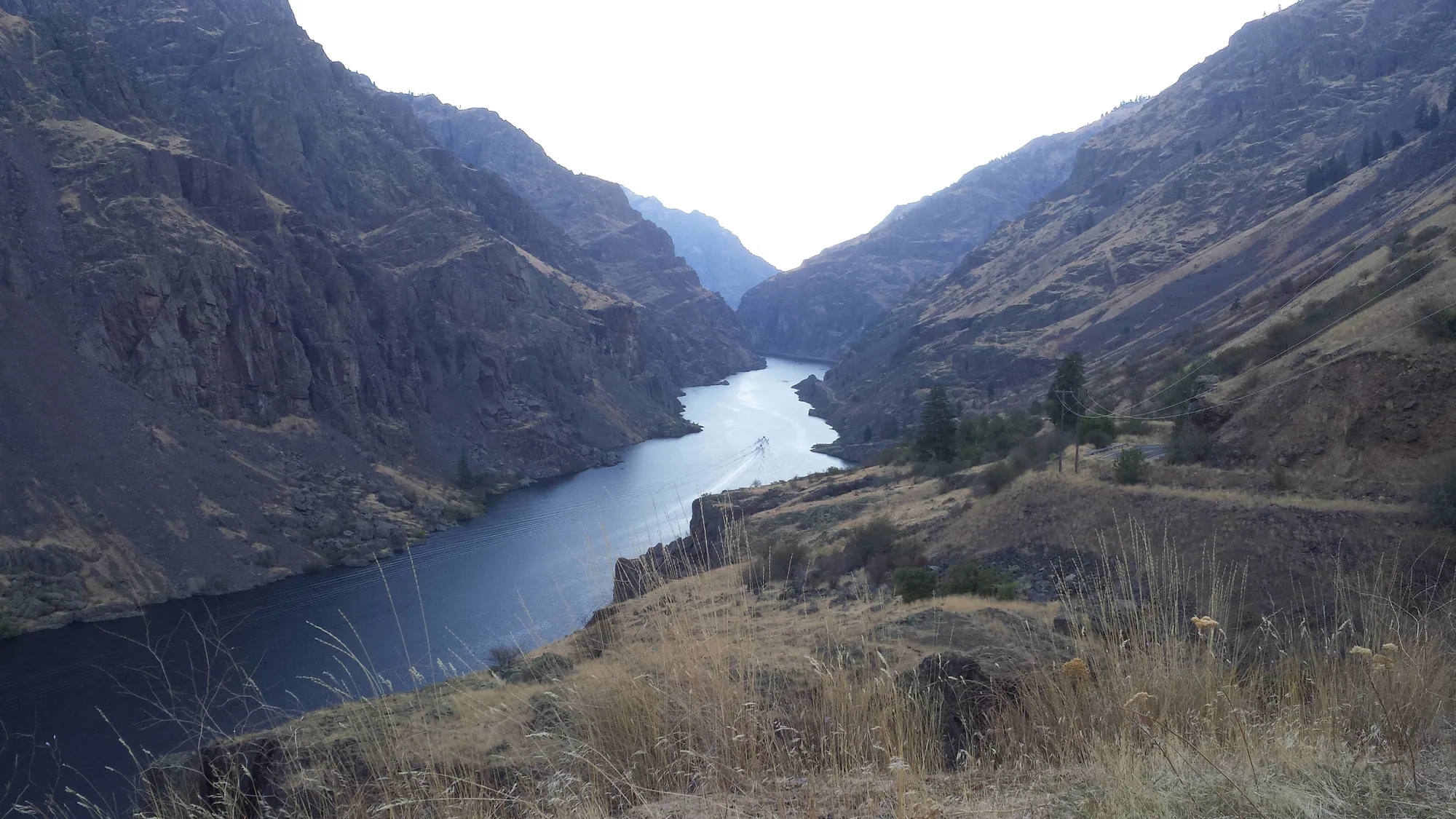
Southern Idaho’s national park sites offer strikingly different ways to understand the landscape. At Craters of the Moon, the ground itself records volcanic eruptions. Near Hagerman, fossils and river overlooks tell a story millions of years older. At Minidoka, the landscape preserves the history of Japanese American incarceration during World War II.
These are not interchangeable stops, and none deserves to be reduced to a quick photograph. Together they can form a thoughtful southern Idaho itinerary, provided you leave time for the distances, seasonal hours, and distinct kinds of preparation each requires.
1. Craters of the Moon: Walk Through a Volcanic Landscape
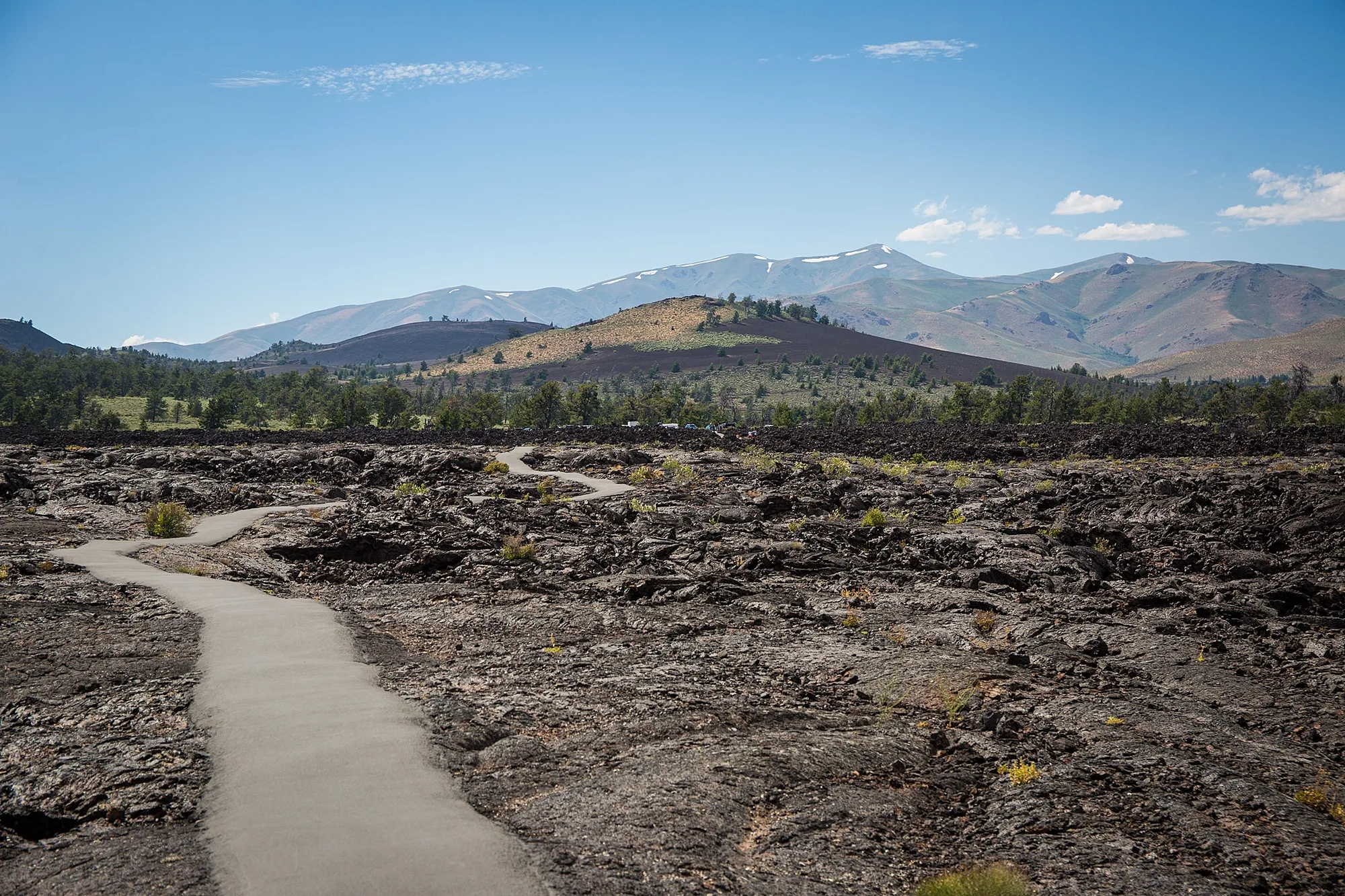
Craters of the Moon National Monument and Preserve protects lava fields, cinder cones, and other features left by eruptions along Idaho’s volcanic rift. Start at the Robert Limbert Visitor Center for exhibits, maps, water, and the current status of the Loop Road. The park’s short walks make it possible to see details that are easy to miss from the car: rope-like lava, broken fragments, and plants growing in sheltered places.
If caves interest you, allow time to obtain the required free cave permit in person at the visitor center during business hours. The park currently lists Indian Tunnel and Dewdrop Cave as open when conditions permit; other caves are closed to protect bats and sensitive environments. Gear used in another cave or underground space cannot be brought into the park’s caves, even after washing. Check the latest rules and cave status before planning around them.
The exposed lava landscape can be hot in summer and snowbound in winter. Wear sturdy shoes, carry water and sun protection, remain on designated routes, and leave rocks where you find them. The park’s road and trail conditions can change quickly with weather.
Give it time: Choose a few loop-road stops and a trail rather than trying to see everything. If you also plan a cave visit, build the permit and visitor-center schedule into your day.
2. Hagerman Fossil Beds: Connect Fossils With a River Valley
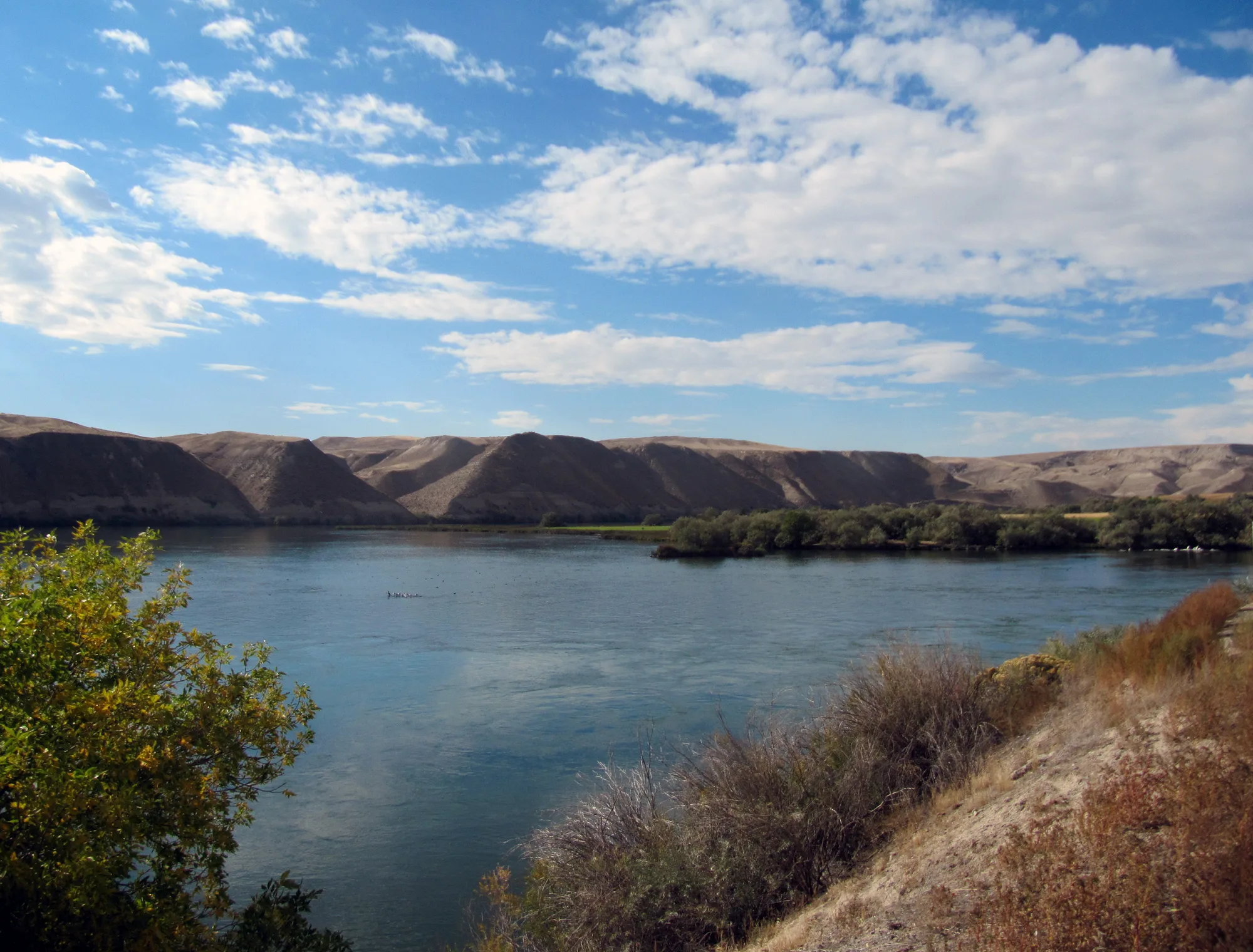
At Hagerman Fossil Beds National Monument, the story starts inside the Thousand Springs Visitor Center north of Hagerman. The center displays fossils from the Pliocene Epoch, including material associated with the Hagerman horse, Idaho’s state fossil. Other animals represented in the ancient landscape include mastodons and ground sloths.
The visitor center is the only place in the monument to see fossils on display. The fossil beds themselves are closed to public access because the bluffs are remote and hazardous. Do not climb the slopes or collect fossils, rocks, or other natural objects. If you find something, leave it in place and notify park staff.
After the exhibits, drive to the Snake River and Oregon Trail overlooks on Bell Rapids Road, approximately nine miles from the visitor center. One view connects the river with fossil-bearing bluffs; the other interprets overland migration through the valley. Overlooks close at dusk, and the park says trails and overlooks are not maintained in winter.
Give it time: Check visitor-center hours first, especially outside summer. The center is a partnership with Thousand Springs State Park, whose separate units have their own access rules and may charge fees.
3. Minidoka: Learn About Japanese American Incarceration
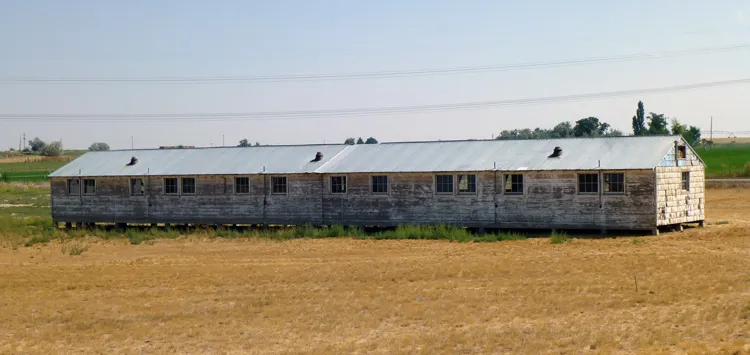
Minidoka National Historic Site near Jerome preserves part of a World War II incarceration site. After the attack on Pearl Harbor, the United States government forcibly removed people of Japanese ancestry from the West Coast and incarcerated them without due process. The National Park Service says more than 13,000 Japanese Americans were held at Minidoka over the life of the Idaho camp.
The visitor center occupies a converted historic warehouse and offers exhibits and a film when open. Its schedule is seasonal; the grounds and approximately 1.6-mile self-guided walking trail are generally open from sunrise to sunset. Restrooms are unavailable when the visitor center is closed, so check ahead and plan accordingly.
Outdoor panels and remaining or returned structures help visitors consider the lives of the people who were held here. The barrack pictured here is an original returned to the site, not a view of the entire former camp. Allow time to read and reflect. Stay on designated trails, leave artifacts undisturbed, and bring water and sun protection for the exposed high-desert setting.
Give it time: Treat Minidoka as a place of remembrance and education. If your schedule allows, review the park’s history resources or watch its film before walking the site.
Putting the Trip Together
Distances, visitor-center schedules, and weather should guide the order of your stops. You can visit one site on its own or connect them over more than one day; do not assume that an afternoon is enough to do justice to all three. Check each site’s operating hours before booking lodging or setting a route.
Start with the National Park Service’s Craters of the Moon conditions, Hagerman visitor-center information, and Minidoka hours. Recheck road conditions and seasonal services shortly before traveling.