Some garden visits are about flowers. Others are about the shape of a tree, the sound of water, or the surprise of finding a sculpture at the end of a long path. Illinois has room for all of those experiences, from a conservatory within Chicago to an estate landscape near Monticello.
These six destinations offer different ways to spend time among plants. You can compare designed garden rooms, explore a living tree collection, or move from tropical foliage to desert plants under glass. None requires a working knowledge of Latin plant names. Curiosity, comfortable shoes, and a little attention to the season are a useful start.
The important planning question is what kind of visit you want. A conservatory outing, a long arboretum walk, and a seasonal evening event are different experiences, even when they happen at the same address. Choose the setting first, then check the current admission options and opening dates. That leaves more time for the enjoyable part once you arrive.
1. Chicago Botanic Garden — Glencoe
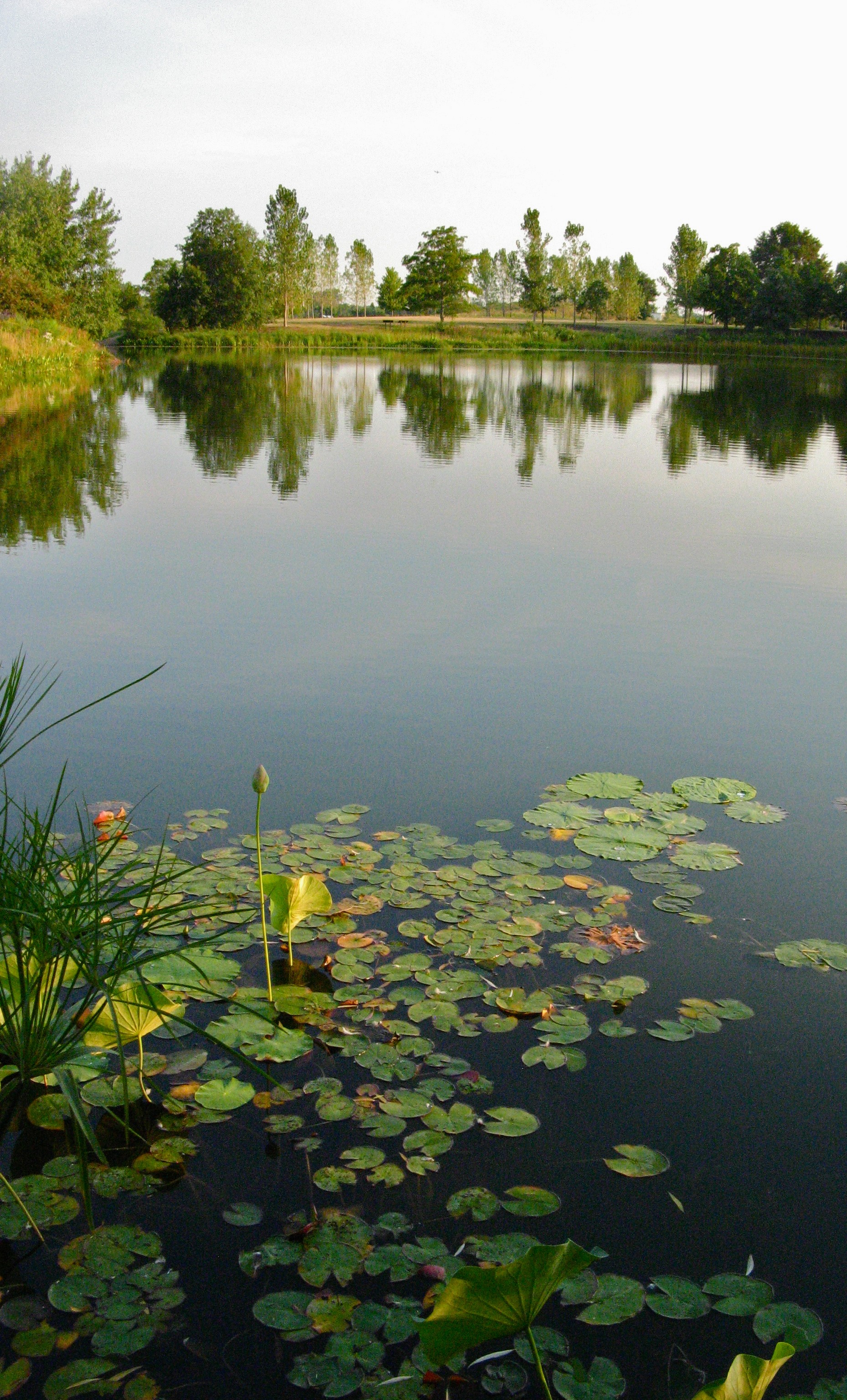
The name can mislead first-time visitors about the location: this destination is in Glencoe, rather than in central Chicago. Its range of gardens makes it a place to choose a few priorities, not a place to rush through every named area on the map.
The Japanese Garden is a particularly rewarding focus. Its lakeside setting spans three islands, two of which are open to visitors; the third is meant to be viewed across the water. That distinction is part of the design, not a gap in your itinerary. Notice the relationship between rock, water, and trained trees before looking for flowers. The composition still has something to offer when a particular plant is no longer blooming.
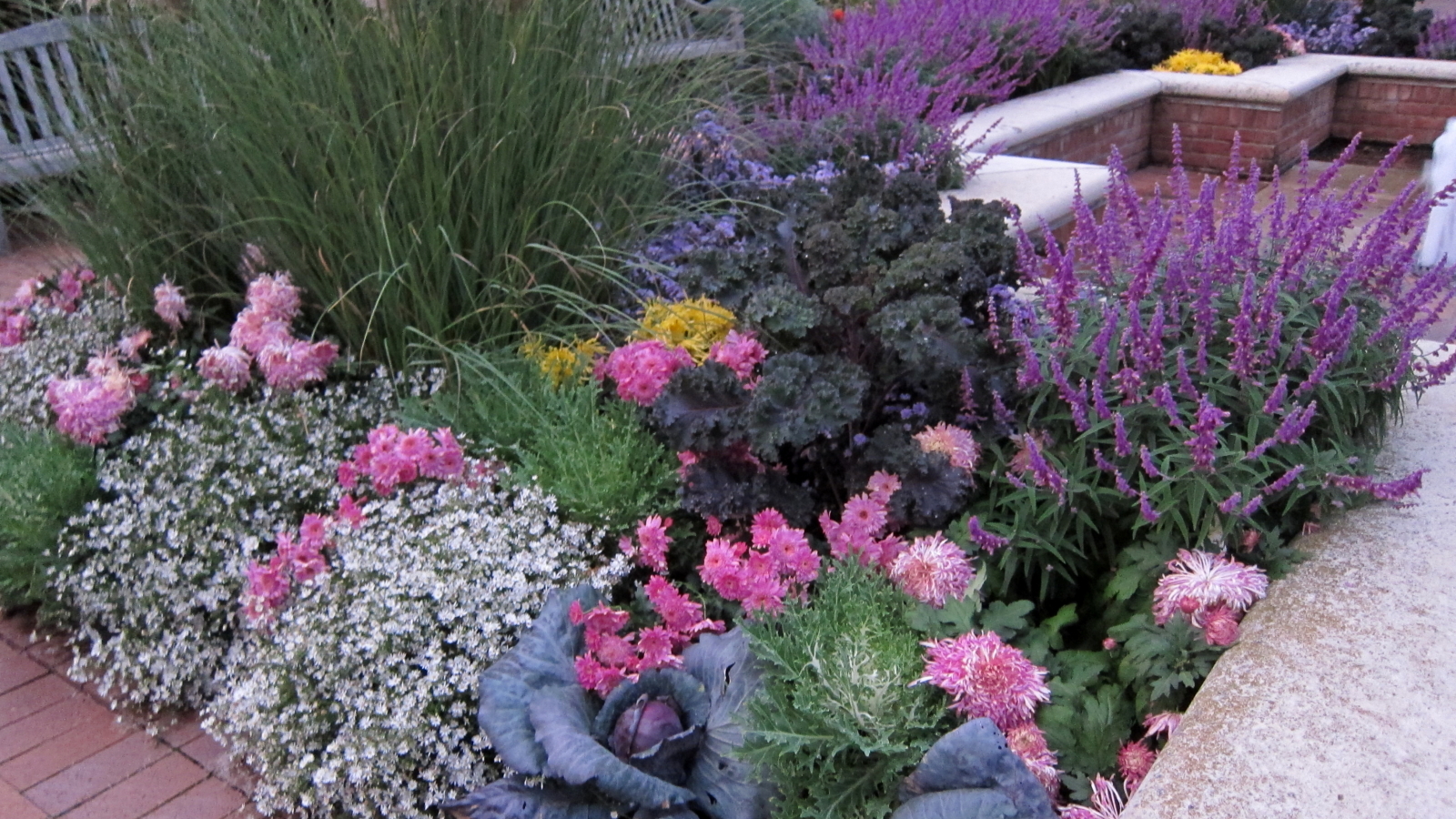
Elsewhere, the English Walled Garden, Sensory Garden, and Fruit & Vegetable Garden offer contrasting ideas about what a garden can do. One route might emphasize enclosed spaces and texture; another could follow an interest in plants grown for food. Consult the current map and visitor information to connect a manageable selection. If tram service is part of your plan, check its schedule separately. A satisfying visit can be a careful look at two or three areas, with time to return to the one that caught your attention.
2. The Morton Arboretum — Lisle
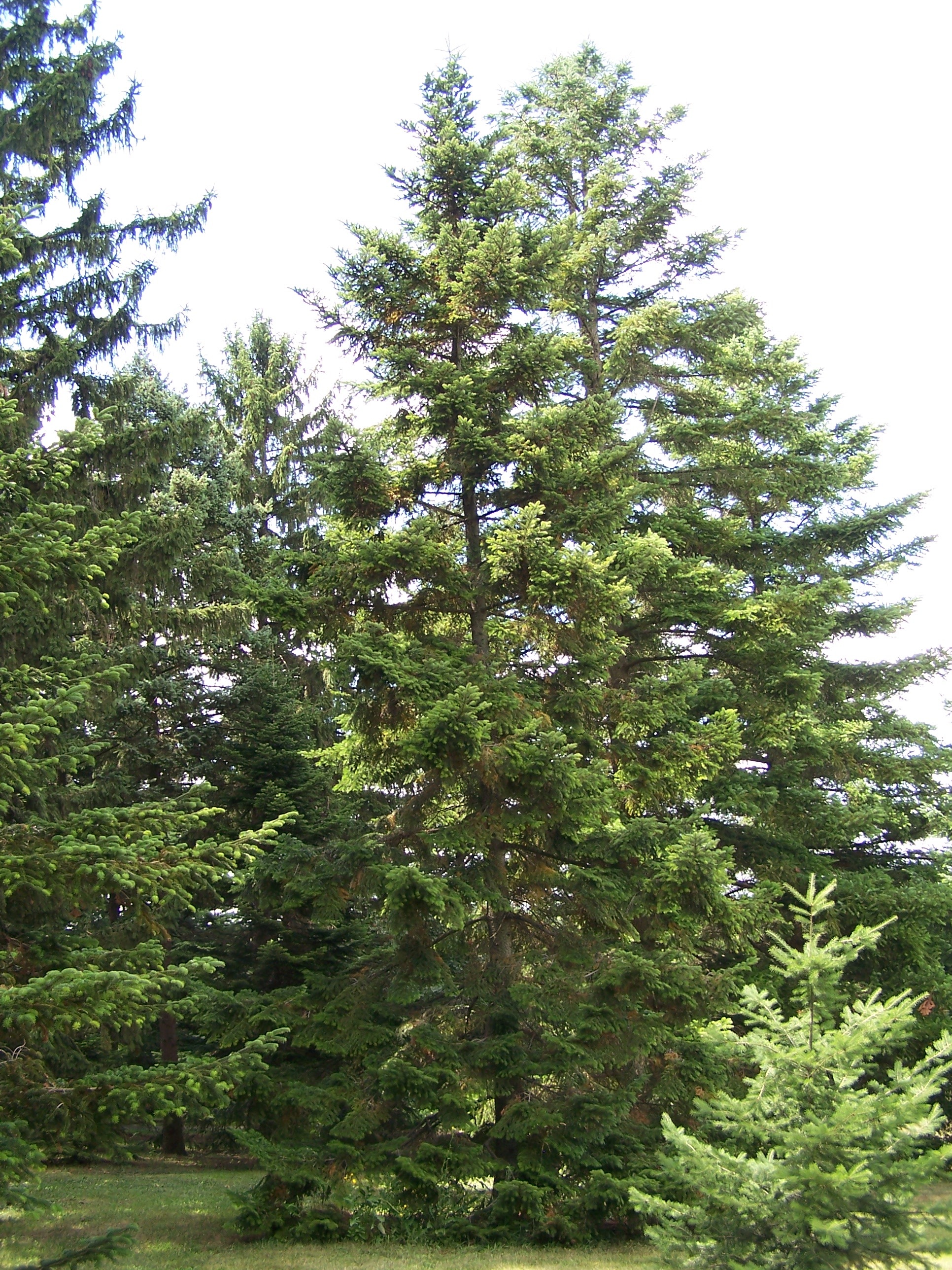
At 1,700 acres, The Morton Arboretum asks you to think beyond a single display garden. Trees and plant collections occupy a broad landscape that includes woodland, prairie, and wetland settings. The scale is part of the appeal, but it is also a reason to make a plan before setting off.
For a first visit, the arboretum recommends beginning near the Visitor Center. The Grand Garden, Conifer Walk, Meadow Lake paths, Maze Garden, and Children's Garden give that area plenty of variety without requiring a tour of the entire property. Visitors who want to go farther can use the driving routes and trail access points to explore other collections. Use the separate east-side, west-side, and hiking maps to match the route to your interests.
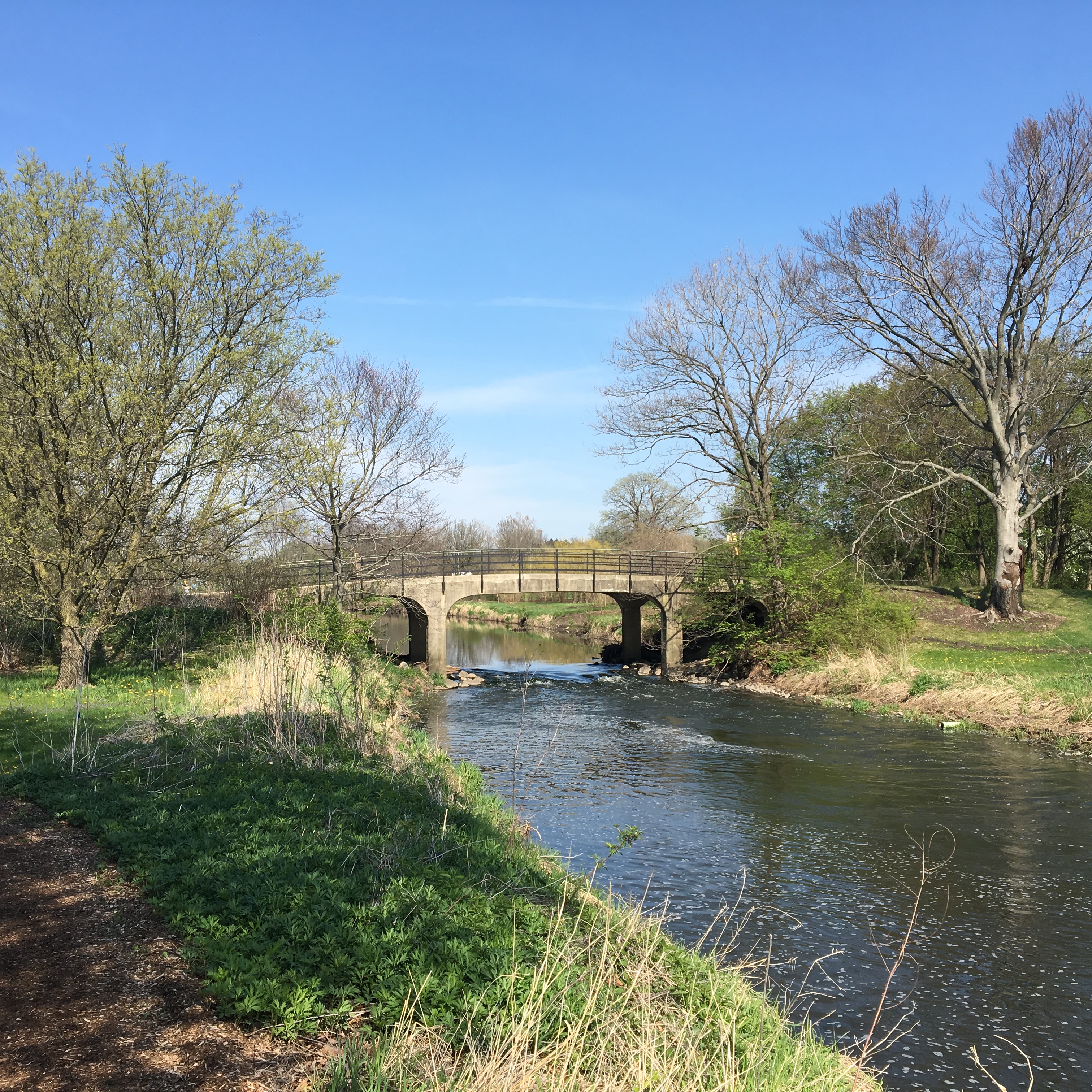
Pay attention to surfaces and distance. Paved paths near the main visitor area are a different proposition from wood-chip or gravel trails farther out. Bring water if you plan an extended walk; refreshments are concentrated near the Visitor Center rather than distributed along every route. General daytime admission includes parking, while special events may have separate arrangements. Decide whether you want a compact garden visit or a longer landscape outing, and let that choice shape the day instead of treating all 1,700 acres as a challenge to complete.
3. Anderson Japanese Gardens — Rockford
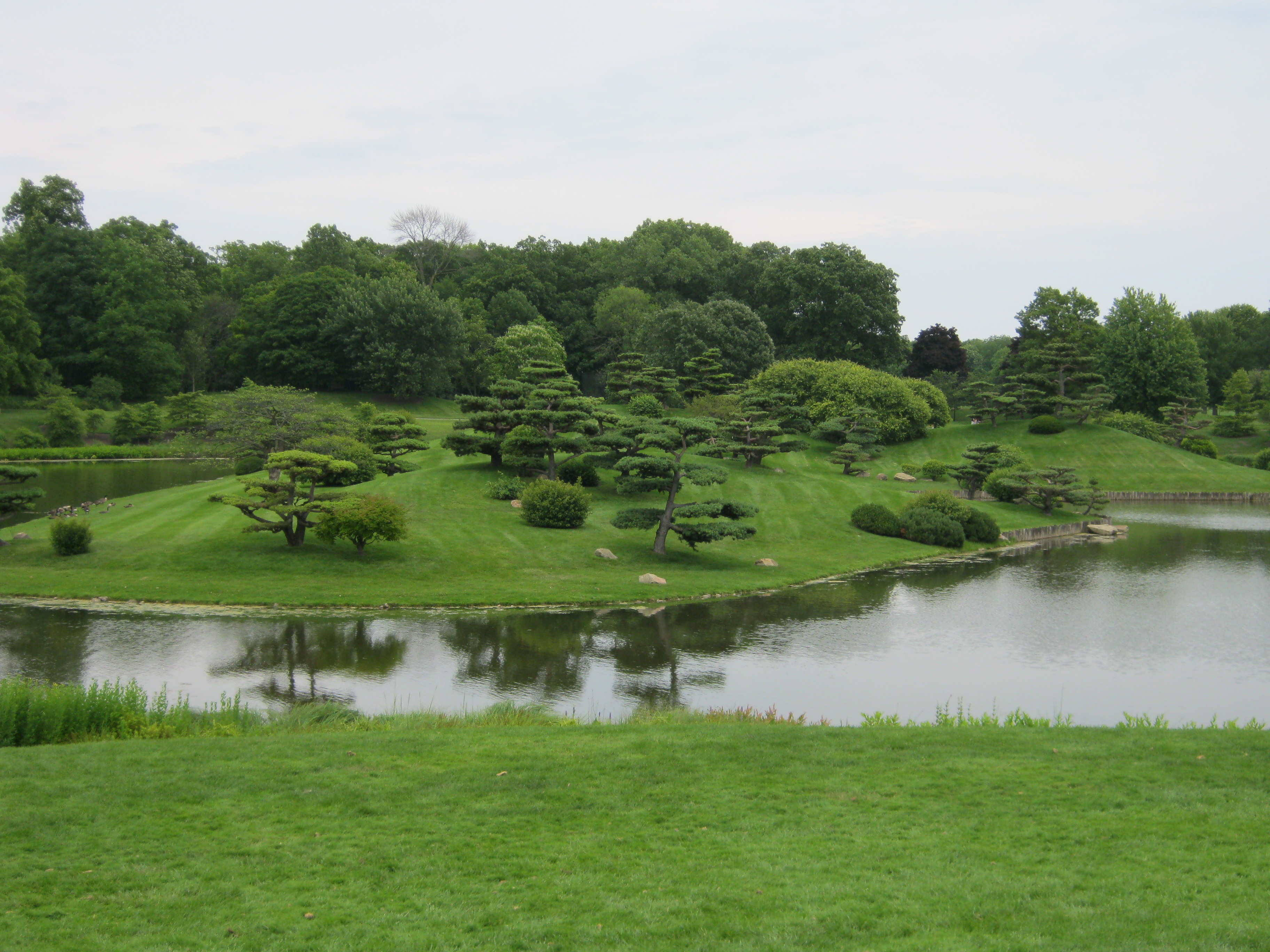
Anderson Japanese Gardens suits a visit built around deliberate attention. It is a place to follow the paths, pause, and notice how the next view differs from the one you just left. The garden's own visitor rules reinforce that approach: keep voices low, remain on the paths, and avoid climbing on rocks or structures.
Before planning around a November visit, note the current seasonal notice. As checked on November 14, 2026, the gardens are closed for the regular season. The published plan is to reopen in the evenings beginning December 3 for the Illuminated Experience. An evening event is a different outing from an ordinary daytime garden walk, so consult its dates and ticket information rather than relying on a summer travel description.
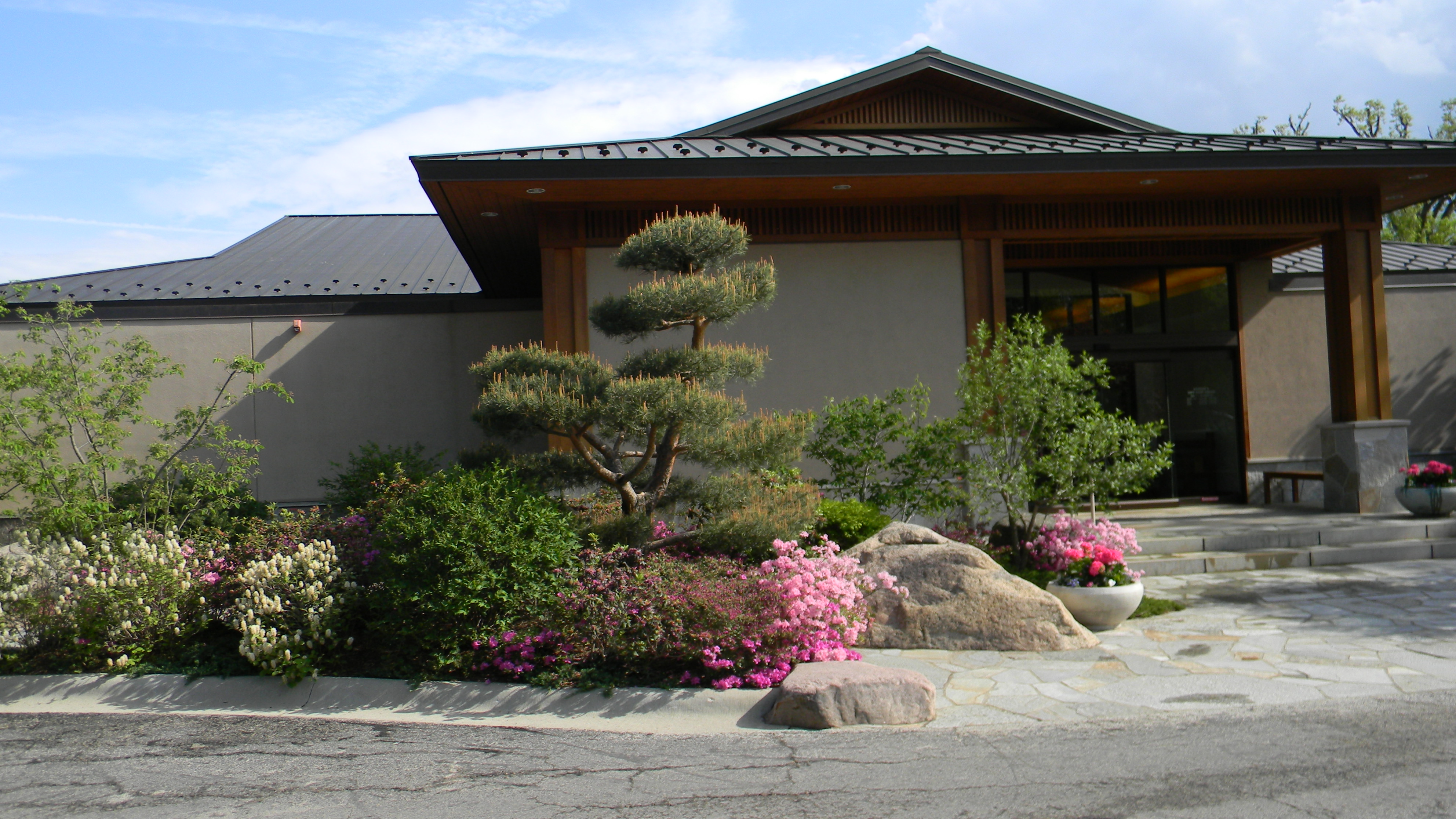
When the experience you want is operating, consider a docent-led tour for an introduction to the garden's history and design. Photographers should also distinguish casual snapshots from an arranged session: posed photography requires advance scheduling under the garden's policy. Food is not permitted in the garden, although bottled water is allowed, so plan lunch separately. Those details are easy to settle beforehand. Once they are handled, you can give the garden the quieter pace it asks of its visitors.
4. Allerton Park — Near Monticello
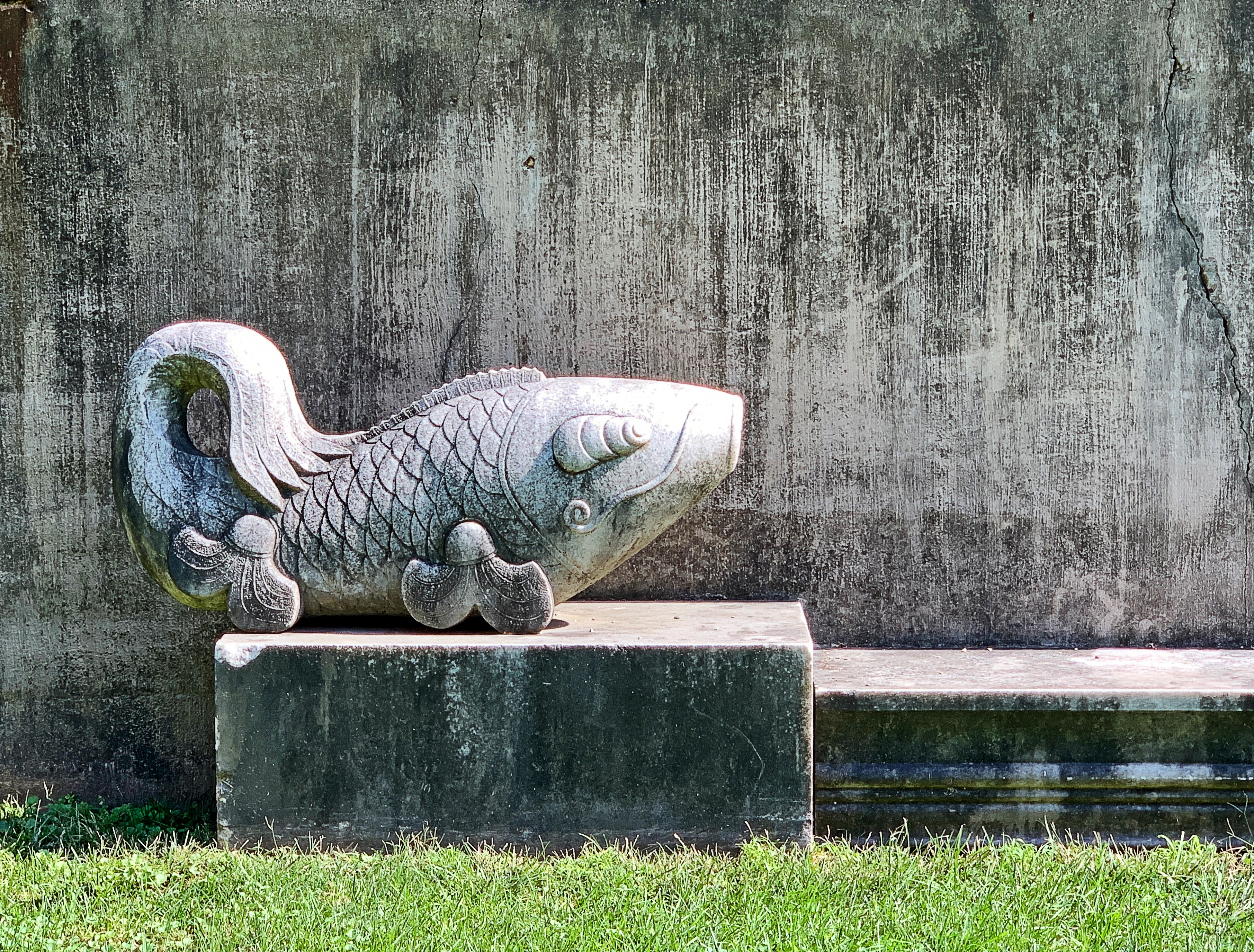
Allerton makes the relationship between art and landscape especially visible. Fourteen formal gardens contain plantings, ornaments, and sculptures arranged as a succession of outdoor spaces. A hedge can function like a wall, an avenue of trees can direct your attention, and a statue can give the far end of a path a purpose.
The gardens developed under Robert Allerton between the early twentieth century and the mid-1930s. Their emphasis on symmetry and balance rewards looking along a path as well as at the plants beside it. You do not need to identify every architectural influence to notice how a view has been framed. Try looking back after passing into another garden; the same arrangement may read differently from the opposite direction.
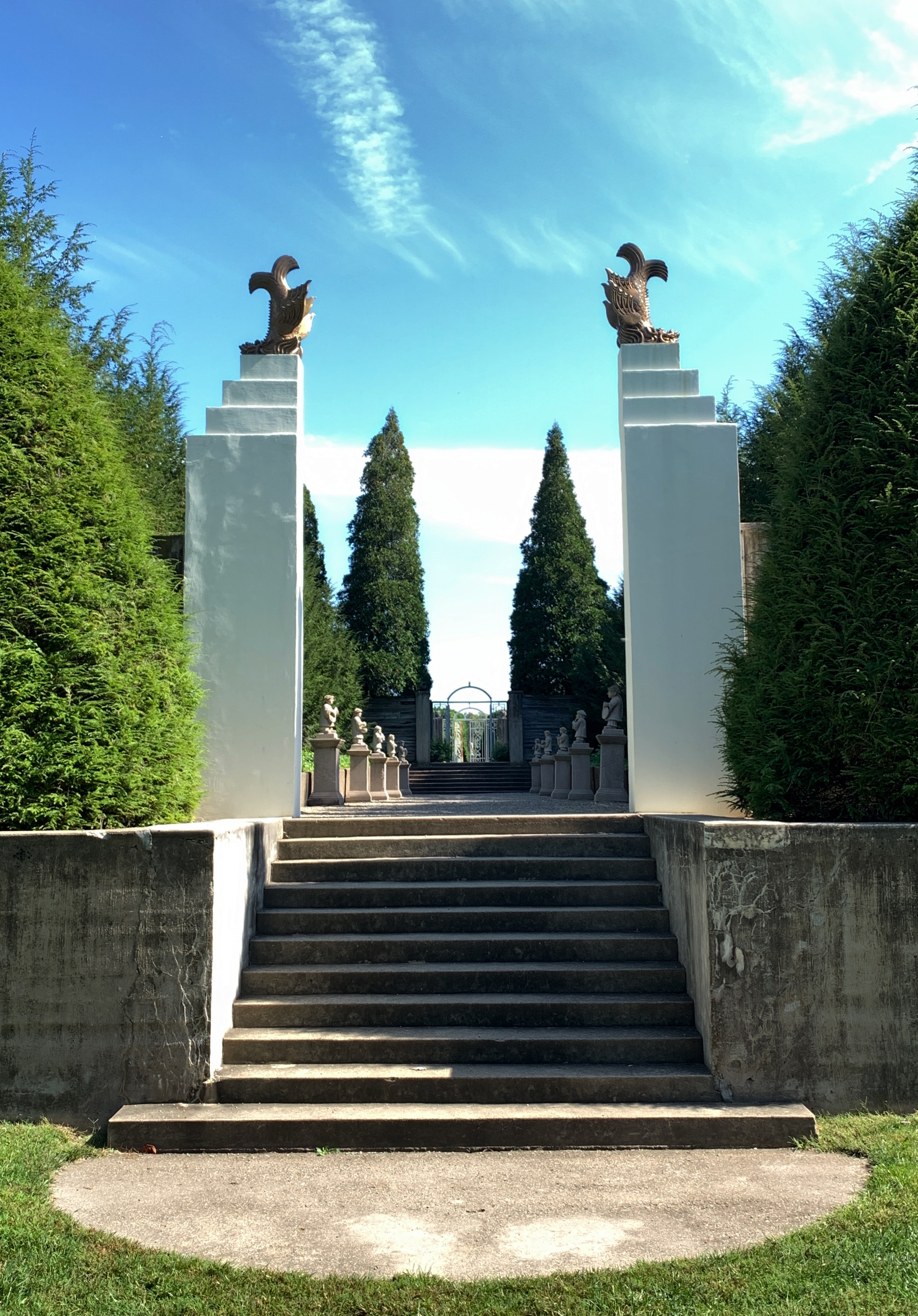
Allerton identifies a roughly three-quarter-mile accessible route from the Brick Wall Garden toward the Sunken Garden. Check the current map for the route that best suits your group, and use the visitor facilities to orient yourself before extending the walk. Seasonal planting changes the color, but the underlying layout remains a major reason to visit. Garden access and mansion access are separate questions, so confirm any building visit independently. Leave time to look at the sculpture as part of its surroundings, rather than treating each piece as an isolated object to photograph.
5. Garfield Park Conservatory — Chicago
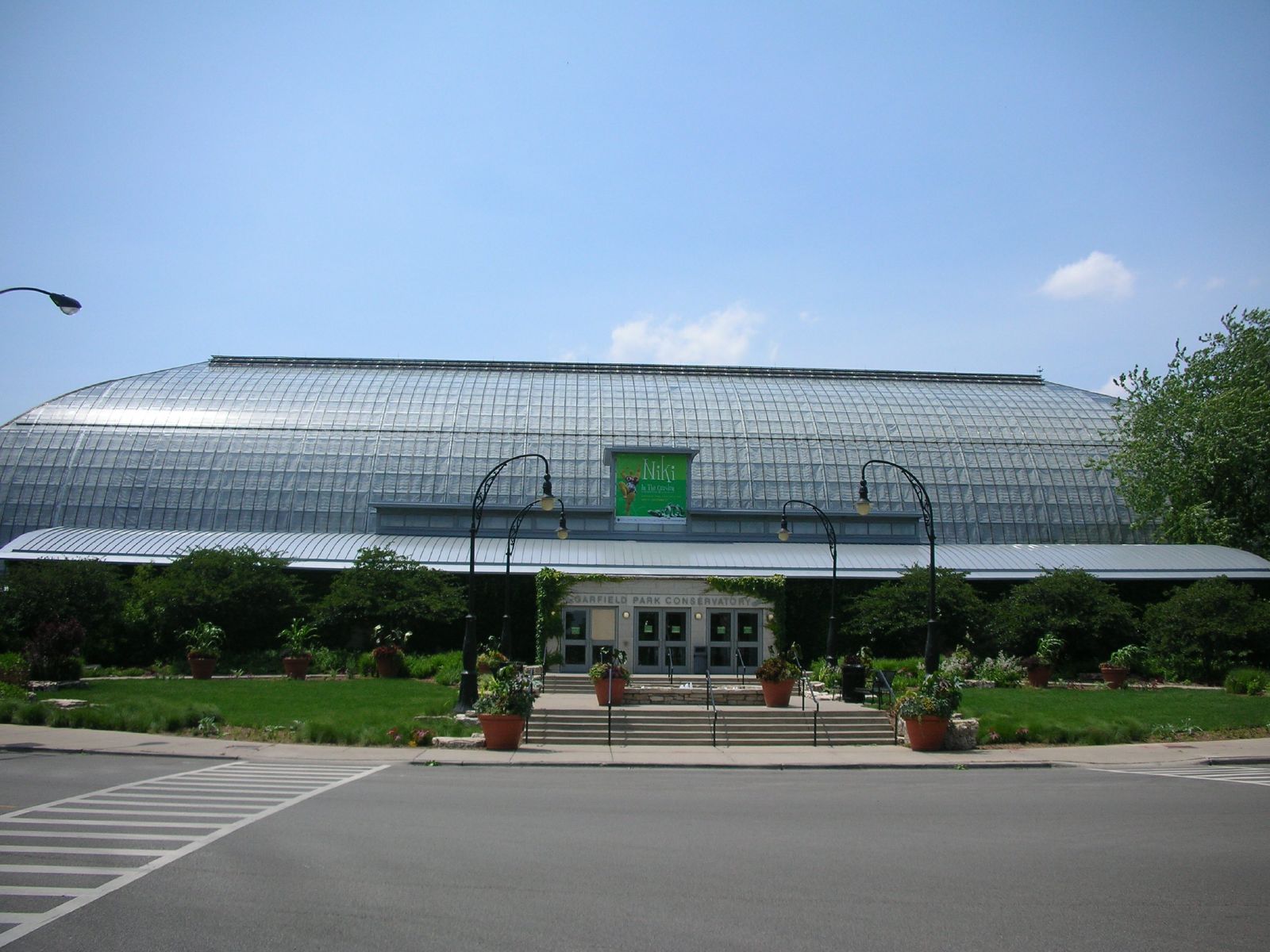
Garfield Park Conservatory offers a change of environment without leaving the city. The Palm House provides the scale of a large tropical interior, while the Desert House brings together cacti and other succulents with very different forms. Moving between those spaces makes the variety of plant structures easier to notice.
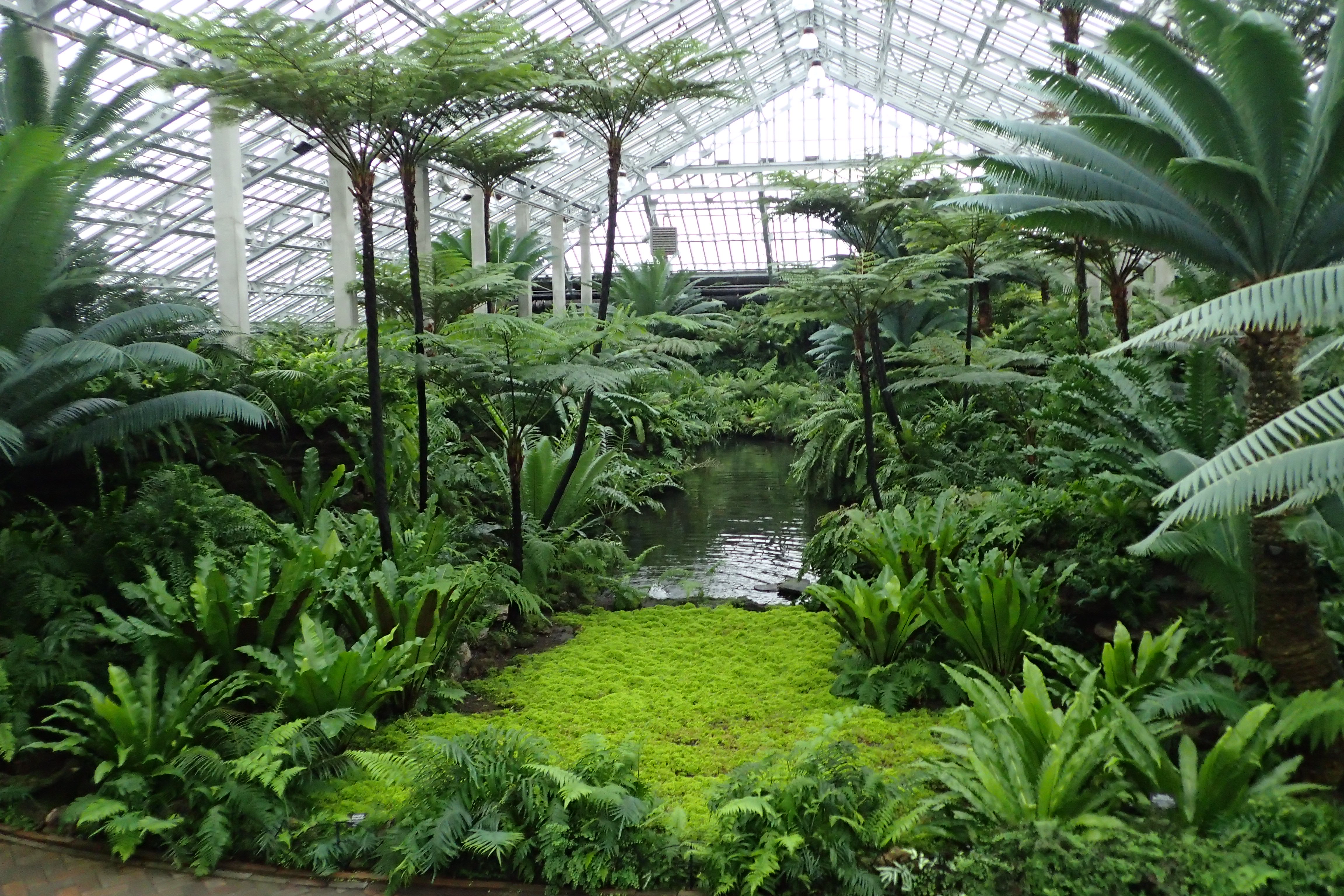
The Fern Room adds another kind of landscape, with ferns, rocks, and water arranged to evoke an ancient, swampy setting. The conservatory also uses the Sugar From the Sun exhibit to explain photosynthesis. For a family visit, that creates a simple thread to follow: how do different plants obtain light and water, and what can their shapes tell you? Look first, then use the interpretation to test your observations rather than making the outing a race through labels.
Reserve admission ahead, especially when your schedule is tight. The current visitor information says ticketed entry is required, with walk-ins dependent on capacity. The EMG Children's Garden requires its own 30-minute reservation in addition to conservatory admission. Accessibility deserves a separate check as well: the conservatory identifies the Fern Room as the exception to its wheelchair-accessible spaces. Plan around the rooms and activities that work for your group. That preparation helps an indoor garden outing remain relaxed even when the outdoor weather is less inviting.
6. Cantigny — Wheaton
Cantigny's display gardens are appealing because they offer several distinct moods within one visit. The White Garden emphasizes pale flowers and silver or gray foliage, while the Octagon Garden uses its geometric shape to frame a seasonal display of annuals. The quieter Green Garden nearby offers a useful contrast.
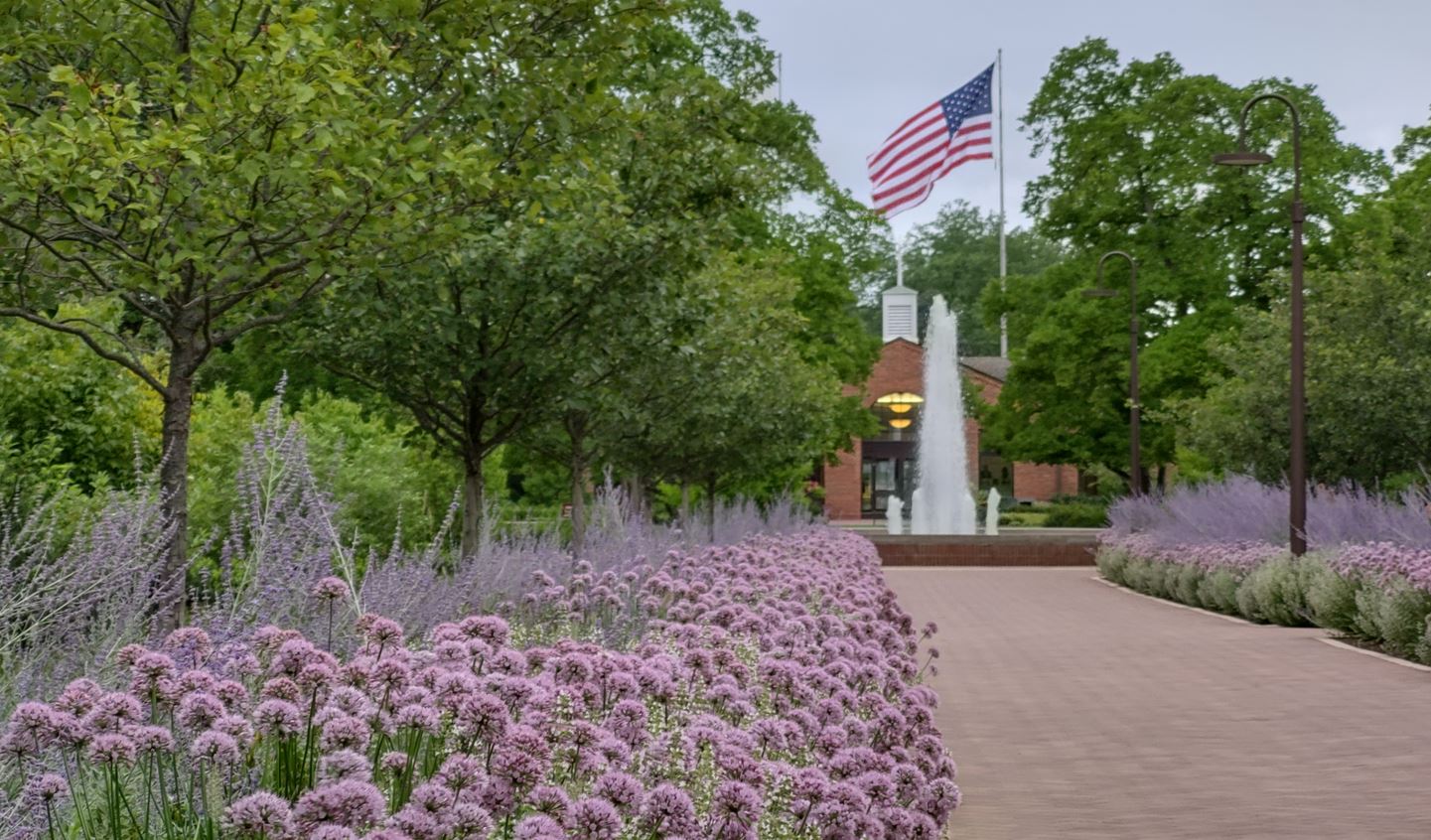
The Octagon's central trellis and brick-edged paths make the structure easy to appreciate even before you start studying individual plants. Elsewhere, the Fountain Garden provides a place to pause, and the Idea Garden is a natural stop for visitors thinking about their own outdoor spaces. Rather than trying to reproduce an entire display at home, look for one useful choice: a combination of foliage, a well-placed seat, or the way a path separates two planting styles.
Check the date-specific calendar before traveling. Cantigny's detailed hours calendar includes late-autumn and winter daytime access, with changing closing times and separate holiday exceptions. Do not assume that a winter event provides the same access as a daytime garden visit. Use the current visitor information to settle those details and to identify the best route for your mobility needs. A garden-focused afternoon can stand on its own here; other attractions need not become compulsory additions simply because they share the property.
Pick a Garden That Matches Your Day
For indoor plant collections, start with Garfield Park Conservatory. For a broad landscape centered on trees, consider The Morton Arboretum. Chicago Botanic Garden offers many contrasting collections, while Allerton makes garden design and sculpture central to the experience. Anderson calls for a quieter visit matched carefully to its seasonal schedule, and Cantigny offers ideas in a series of distinct planted spaces.
Try choosing one main purpose before you go: a family activity, an interest in garden design, a chance to study trees, or simply an afternoon outside. That makes decisions about tickets, routes, and timing easier. A large property does not have to become an exhausting visit, and a smaller selection of gardens does not make the day incomplete.
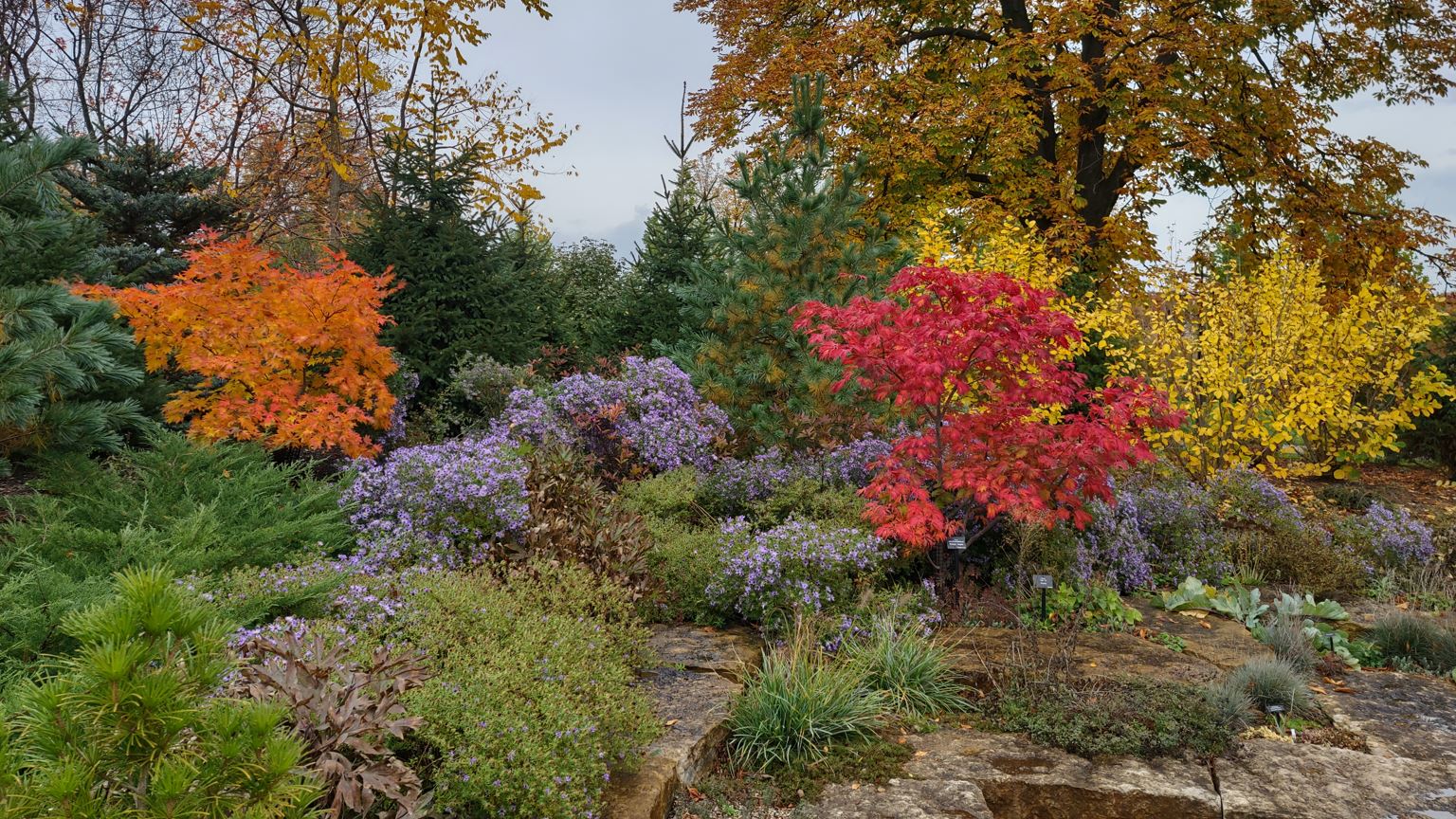
Finally, treat photographs as records of a particular season. A rose, tulip, or autumn tree in an image does not promise the same display on your date. Check the destination's current calendar and bloom information, then enjoy the garden that is actually there. The paths, spaces, and living collections offer more than one reason to return.


