Illinois has a way of surprising travelers who leave the fastest route behind. A historic main street can lead to a river overlook; a quiet village can put you within reach of sandstone canyons, a working waterfront or a story from the Underground Railroad.
These eight communities stretch from the northwestern hills to southern Illinois. They are not ranked or intended as a single-day itinerary. Choose a region, check current opening hours and trail conditions, and make enough time to see the places between your planned stops.
1. Galena: A Main Street Made for Taking Your Time

Galena's historic Main Street is a natural place to begin. The town's older commercial buildings now frame a walk filled with independent shops, places to eat and opportunities to look more closely at the architecture. This is the kind of downtown where parking once and continuing on foot can be more enjoyable than trying to drive from stop to stop.
For a deeper history stop, look into the Ulysses S. Grant Home State Historic Site. Grant lived in Galena, and the preserved home offers a way to connect the town to the Civil War general and later president. Verify the site's current tour schedule before you arrive rather than assuming the building will be open every day.

The hills around town are part of the appeal, but they also mean that a walk can involve slopes and uneven surfaces. Give yourself plenty of time, wear comfortable shoes and plan breaks. A visit to Galena does not need a packed schedule: a long lunch, a few shops and one history stop can make a satisfying day.
2. Ottawa: Two Rivers and Stories Written on the Walls

Ottawa sits where the Fox and Illinois rivers meet, and the water gives the community a strong sense of place. Begin downtown, then make time for a riverfront view. Allen Park offers a vantage point near the river and a chance to see the railroad bridge that remains part of the local landscape.
As you explore downtown, look for murals depicting chapters of Ottawa's history. Their subjects include the Illinois and Michigan Canal and the Lincoln-Douglas debate. They are an accessible way to start learning about the town, although a mural is a starting point rather than a substitute for a fuller account of the people and events it depicts.

Ottawa also makes a practical base for exploring the Illinois River valley. If you plan to visit a nearby state park, check its conditions and closures before leaving town. Otherwise, keep the day simple: enjoy a walk, choose a place to eat and return to the water when the light changes. River levels and weather can affect access, so follow local notices.
3. Utica: A Village Near Canyons and the Illinois River

Utica is a convenient stop for travelers headed to Starved Rock State Park. The village and park offer different rhythms: browse downtown and choose a meal at your own pace, then head to the park for wooded trails, sandstone canyons and views above the Illinois River.
Waterfalls are among the park's best-known sights, but they are dependent on rain and other conditions. A dry canyon can still be interesting, and promising a waterfall without checking recent weather can lead to disappointment. Choose a route that suits your group's ability and allow extra time for stairs, crowded paths and changing conditions.

The Illinois Department of Natural Resources is carrying out a multiyear trail improvement project, and some trails or canyon access points may close as work moves through the park. Check the current project updates and park notices on the day of your visit. Stay on open, marked trails and respect barriers; a scenic detour is never worth entering a closed area.
4. Princeton: A Downtown Stop With an Underground Railroad Story

Princeton invites a leisurely look at its downtown, but one of its most meaningful stories is connected to the people who resisted slavery. The Owen Lovejoy Homestead was home to the abolitionist minister and congressman and is recognized by the National Park Service as a documented Underground Railroad site.
The house helps tell a story that reaches beyond any single building. Freedom seekers took enormous personal risks as they sought safety, while people in Princeton and other communities helped in different ways. A visit is an opportunity to consider both that courage and the laws and institutions that made such assistance dangerous.

The homestead is not necessarily open for walk-in visits every day. Call or consult the current visitor information for dates and tour arrangements before making it the centerpiece of your trip. Pair the history stop with time downtown, and remember that the most rewarding local history visits leave room for questions as well as photographs.
5. Nauvoo: River Views and More Than One Chapter of History

Nauvoo sits along the Mississippi River in western Illinois, with historic places that reflect several different communities and periods. The town is associated with early Latter-day Saint history, and restored sites offer opportunities to learn about that chapter. Check the individual visitor centers for current tour information and access.
Nauvoo State Park adds another perspective. Its museum occupies a house built in the 1840s, later remodeled by Icarians and subsequently owned by the Rheinberger family. The exhibits interpret multiple periods of the area's history. The park also has a lake, picnic areas and walking routes, making it possible to combine indoor history with time outdoors.

Museum hours are seasonal, so check before driving out. A good visit allows space for the area's history before and beyond the arrival of any one group, including the Indigenous people who lived in the region. Leave enough daylight to enjoy the river setting and be mindful of changing weather and river conditions.
6. Grafton: Where Two Great Rivers Meet

Grafton sits near the confluence of the Illinois and Mississippi rivers. The view is a compelling reason to pause, but it is also a reminder that the river is a living working landscape, subject to changing water levels and weather. Take time to explore the waterfront and find a place to eat while looking across the water.
Nearby Pere Marquette State Park offers trails, a scenic drive and a visitor center with information about local geology, wildlife and the Illinois River. The park's hills and wooded bluffs provide a change of perspective from town. Select a trail that fits your group, and check current conditions before setting out.

Grafton and the Great River Road can be busy on pleasant weekends, especially in fall. Consider leaving room in your schedule for traffic and parking, and check local reports after heavy rain or flooding. The best river view is the one you can enjoy safely and without rushing to the next stop.
7. Elsah: A Village Tucked Beneath the Bluffs
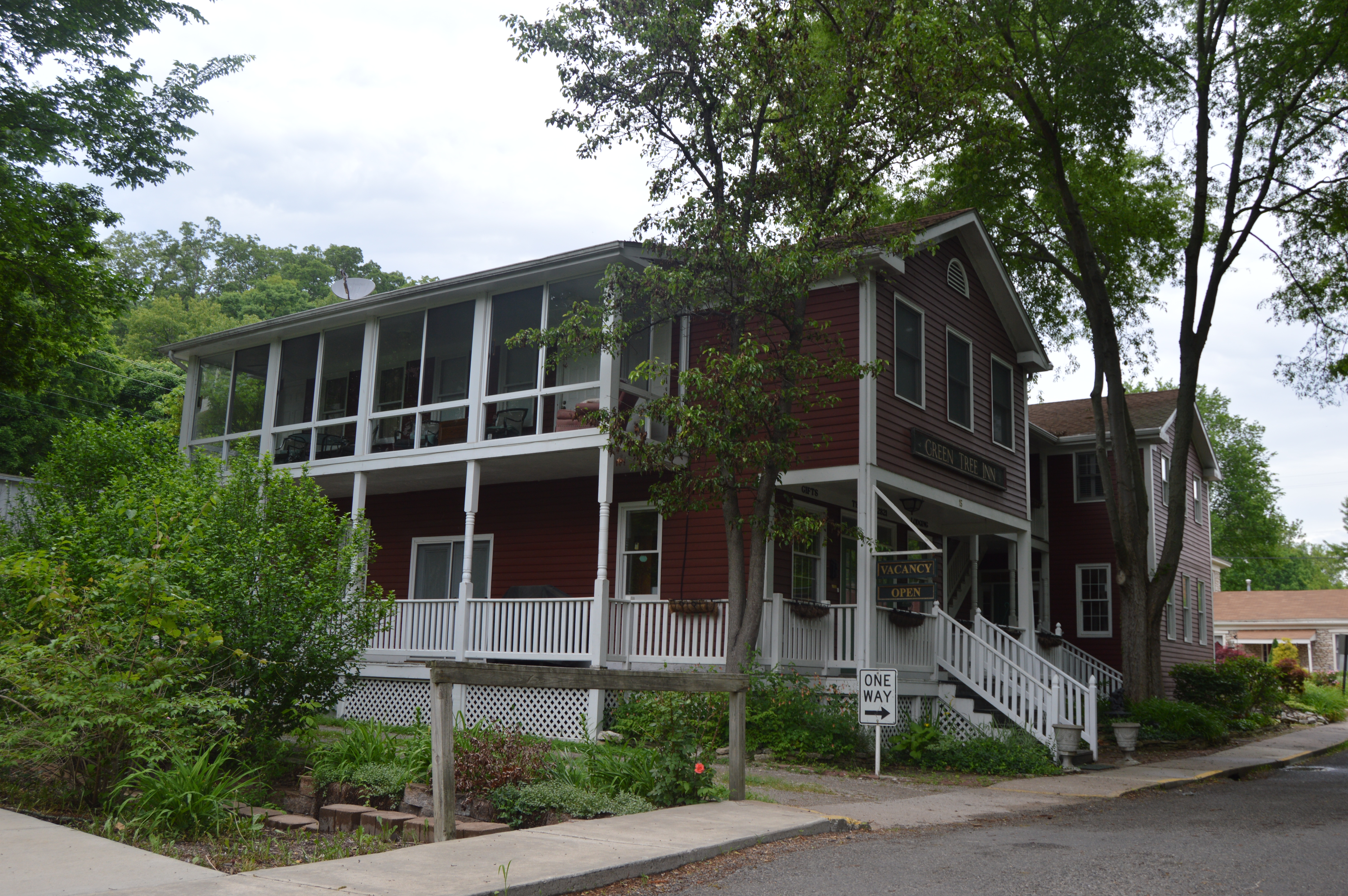
Elsah is a small Mississippi River community along the Meeting of the Great Rivers National Scenic Byway. Its narrow streets and historic buildings make it a rewarding place for a careful walk. The village is also a residential community, so stay on public routes and respect private homes and gardens.
The Village of Elsah Museum, housed in the historic village hall, interprets local life and architecture. Its hours are limited, so verify the current schedule before you go. If it is open, the museum can add names and stories to the buildings you have seen outside; if it is closed, a brief walk can still reveal the village's distinctive setting.

Elsah pairs naturally with a drive along the river and a separate stop in Grafton or at Pere Marquette State Park. Avoid treating the village as a shortcut to rush through. Choose a safe place to park, walk at a considerate pace and take a moment to notice how the bluffs, river road and small streets fit together.
8. Makanda: Art on the Boardwalk and Sandstone in the Woods

Makanda offers an appealing mix of art and southern Illinois scenery. Its boardwalk area is known for galleries and studios; check individual businesses for current hours, since small independent shops may not follow a uniform schedule. A short browse is a good way to begin or end a day in the surrounding region.
Nearby Giant City State Park is known for its sandstone formations, wooded trails and visitor center. The park's natural features reward a slower look: the forest and rock corridors feel quite different from the open farmland many travelers associate with Illinois. Pick a trail appropriate for your abilities and consult the park's current map before leaving the visitor center.

Rain can make rock and steps slippery, and some routes involve uneven ground. Stay on designated paths, carry water and allow time to turn around before dark. A visit does not require a long hike: pairing a manageable walk with the village's creative spaces makes for a full, varied day.
Before You Go
Check current museum and business hours, road conditions, river levels and park notices before traveling. Some tours operate seasonally, and weather or construction can change access with little notice. Follow posted rules, stay on open trails and respect private property in the communities you visit.