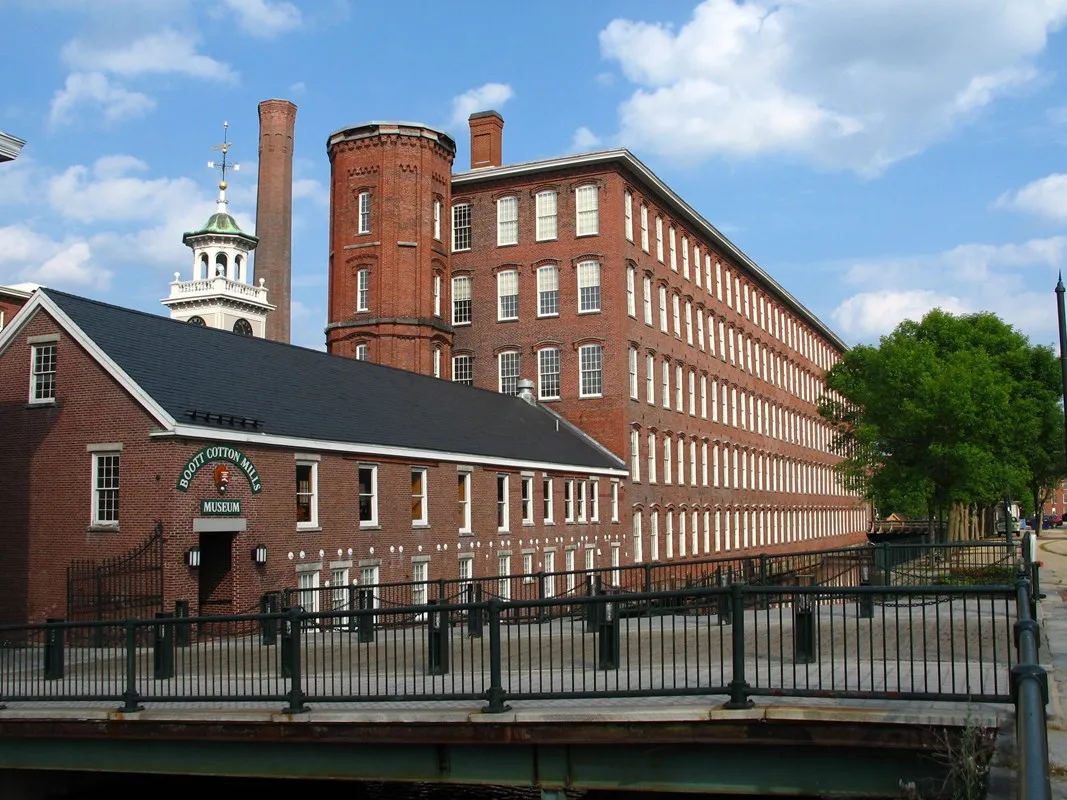
New Bedford's waterfront connects a working harbor with stories of global whaling, immigration and the struggle against slavery. New Bedford Whaling National Historical Park preserves and interprets parts of the city's historic district, where cobbled streets and buildings give visitors a starting point for learning about the people who lived and worked here.
The park includes public spaces and independent partner institutions, each with its own hours. These five ideas can shape a day downtown, with time to consider both the economic reach and the human consequences of the whaling industry.
1. Start at the national park visitor center
The visitor center at 33 William Street offers orientation, exhibits and information about walking tours. Ask a ranger which sites and partner institutions are open and pick up a map before exploring. The center's schedule is seasonal: the NPS lists Wednesday through Sunday hours from May through November and Wednesday through Saturday in winter, with holiday exceptions.
Check current hours and accessibility before traveling. Historic paving and older sidewalks can be uneven, so comfortable shoes help. A short introduction at the center makes it easier to understand the relationship between the harbor, the city's neighborhoods and the people who worked at sea.
2. Walk the historic district
Downtown streets contain buildings connected to the nineteenth-century whaling economy and the community that grew around it. Look for interpretive signs and ask about a ranger-led walk. The NPS offered free guided tours on topics including the Underground Railroad, women on whaleships and the products of whaling during its 2026 season; future schedules may change.
The guided tour season ended October 11, 2026, so do not assume a daily tour is available in the off-season. A self-guided walk can still be rewarding. Use marked crossings and public sidewalks, and treat private homes and businesses with respect.
3. Explore the Whaling Museum
The New Bedford Whaling Museum, an independent partner, interprets the industry and the lives connected with it through collections and exhibits. It is a useful place to examine the scale of whaling and its impacts on whales, ocean ecosystems and communities. The museum has its own admission, hours and accessibility information; check directly before visiting.
Allow more than a brief stop if your group wants to read the exhibits. The national park visitor center and museum are separate institutions, so a free NPS program does not automatically include museum admission. Ask about current exhibits and family resources when planning.
4. Learn about abolition and Frederick Douglass
New Bedford was an important destination for people seeking freedom from slavery. Frederick Douglass and Anna Murray Douglass came to the city after his escape in 1838, and a network of Black residents and allies helped people build new lives. The Nathan and Polly Johnson House is among the places associated with this history.
The NPS has offered seasonal Underground Railroad and Douglass-themed walks. Check current program availability and respect the access rules of individual properties; a historic association does not mean a house is open for unscheduled entry. Consider how the city's maritime economy and abolitionist community existed alongside broader systems of inequality.
5. Pause by the working waterfront
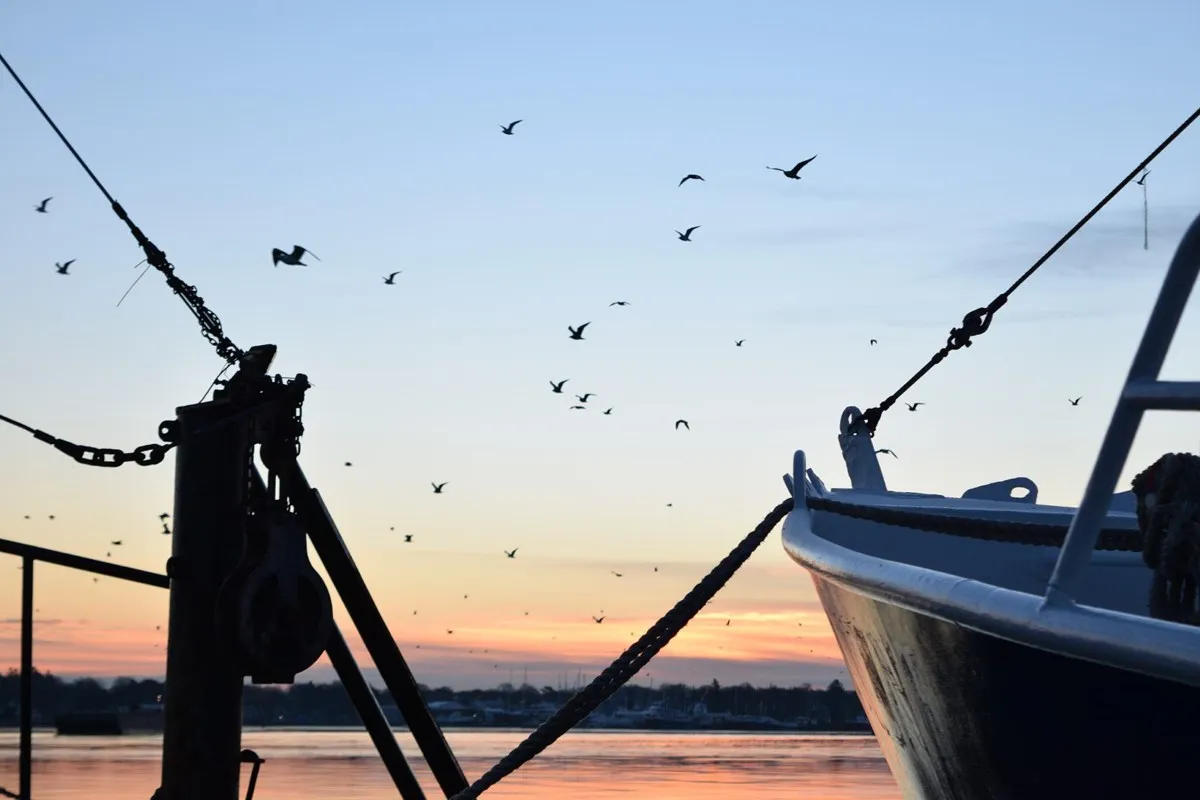
The Acushnet River and harbor remain central to New Bedford's identity. A waterfront walk offers a view of today's port as well as the setting of its earlier maritime trade. Stay in public areas, watch for working vehicles and follow signs around docks and restricted spaces.
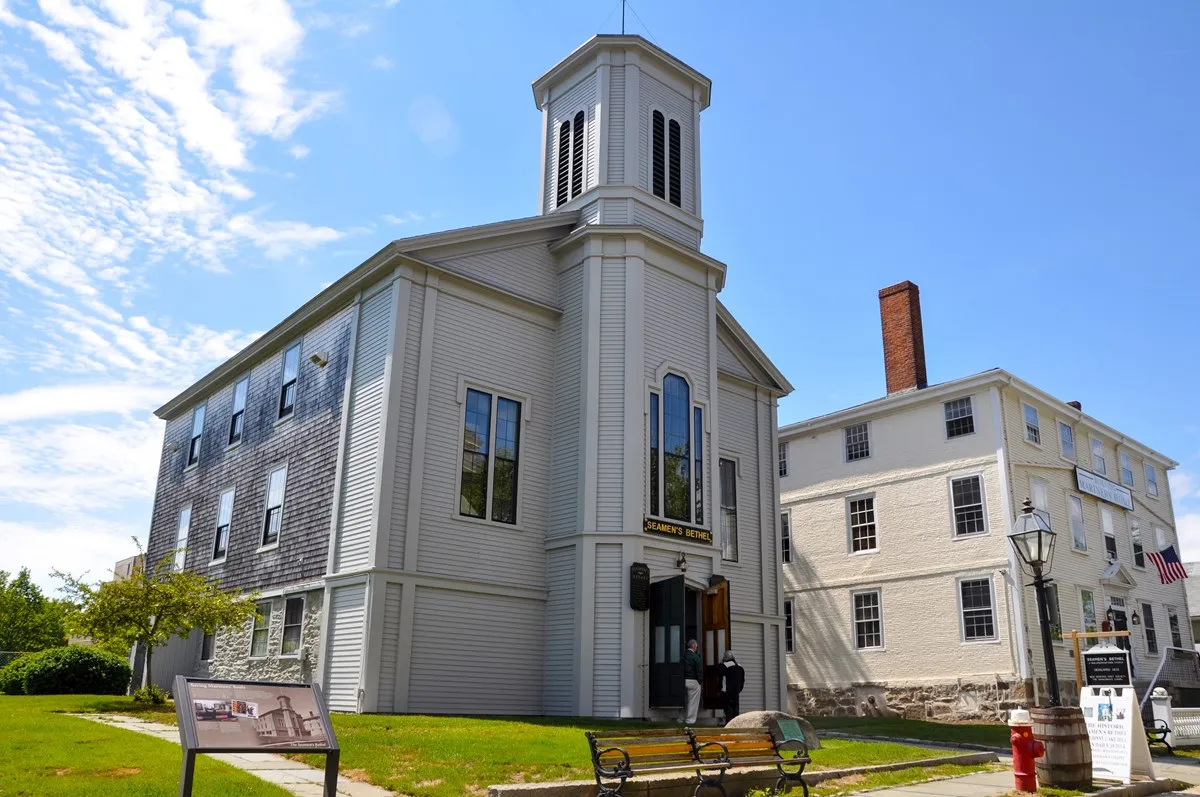
Seamen's Bethel and the Mariners' Home are other landmarks connected with maritime life; check the organizations managing them for current access. Bring a layer for the harbor breeze and leave time for a meal or a museum visit. A thoughtful day can connect the history of whaling with the city's living communities and working waterfront.