On Plum Island north of Boston, Parker River National Wildlife Refuge protects a barrier beach, dunes, salt marsh and other habitats used by migratory birds. Visitors can drive the refuge road, follow boardwalks to overlooks and watch for wildlife, but the landscape is managed first for the animals that depend on it.
That purpose shapes a visit. Much of the beach closes during nesting season, parking can fill on busy days and pets are generally not allowed. These five ideas help you plan an outing that respects the refuge and its changing seasons.
1. Start with current conditions and a map
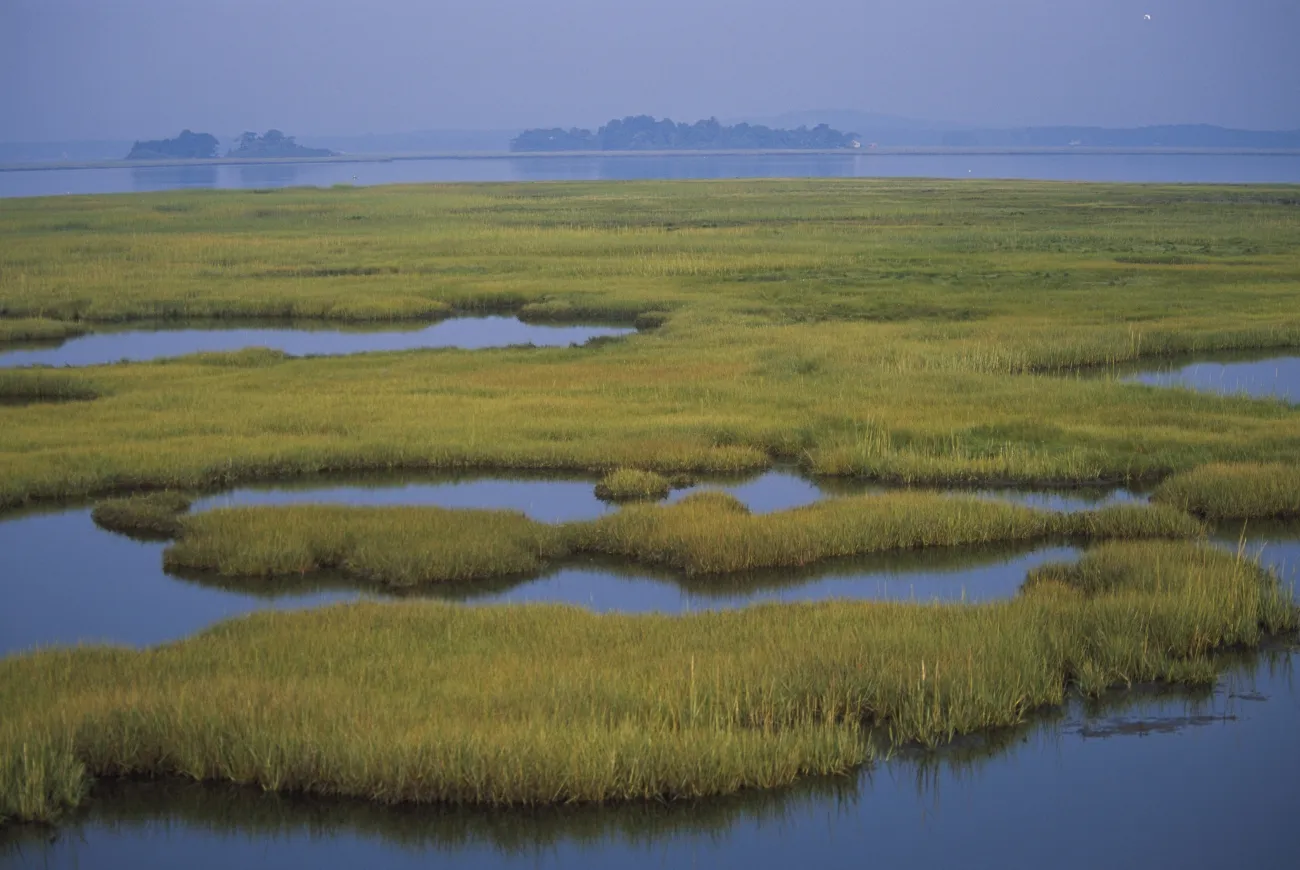
The refuge road runs along Plum Island, connecting parking areas, overlooks and trailheads. Check the U.S. Fish and Wildlife Service's current visitor information before leaving, including hours, fees, beach closures and any parking restrictions. If a lot is full, the refuge may temporarily close to vehicles even while pedestrian and bicycle access remains available.
The agency suggests visiting outside peak times during busy summer months, including weekdays and before 10 a.m. or after 3 p.m. on weekends. Carry water, sun protection, insect repellent and binoculars. Conditions on an exposed island can be windy or colder than inland, and wildlife viewing is better when you have time to stop quietly.
2. Walk the Hellcat boardwalk
The Hellcat Interpretive Trail offers a boardwalk through refuge habitat and is among the locations the agency lists as wheelchair accessible. It is a good place to notice the transition between wetland and wooded areas without leaving a designated route. Check current trail conditions and accessibility information before arriving, especially after storms.
The Pines Trail, several beach overlooks and the Bill Forward Blind are also listed among accessible options, though their surfaces differ. A beach wheelchair is available on request; contact refuge headquarters in advance to understand availability and the best route for your needs. Stay on boardwalks and open paths to protect dunes and vegetation.
3. Watch the marsh and the sky
Salt marshes, pools and coastal waters attract different birds across the seasons. The refuge has observation towers and overlooks where visitors can scan for shorebirds, waterfowl and other wildlife. Bring a field guide or identification app, and remember that migration, weather and tides affect what you may see.
Use binoculars or a long lens instead of approaching animals. The refuge prohibits feeding, touching or harassing wildlife. If a bird changes its behavior because of your presence, give it more space. Quiet observation from a designated overlook often offers a better view than pursuing a sighting.
4. Respect the seasonal beach closure
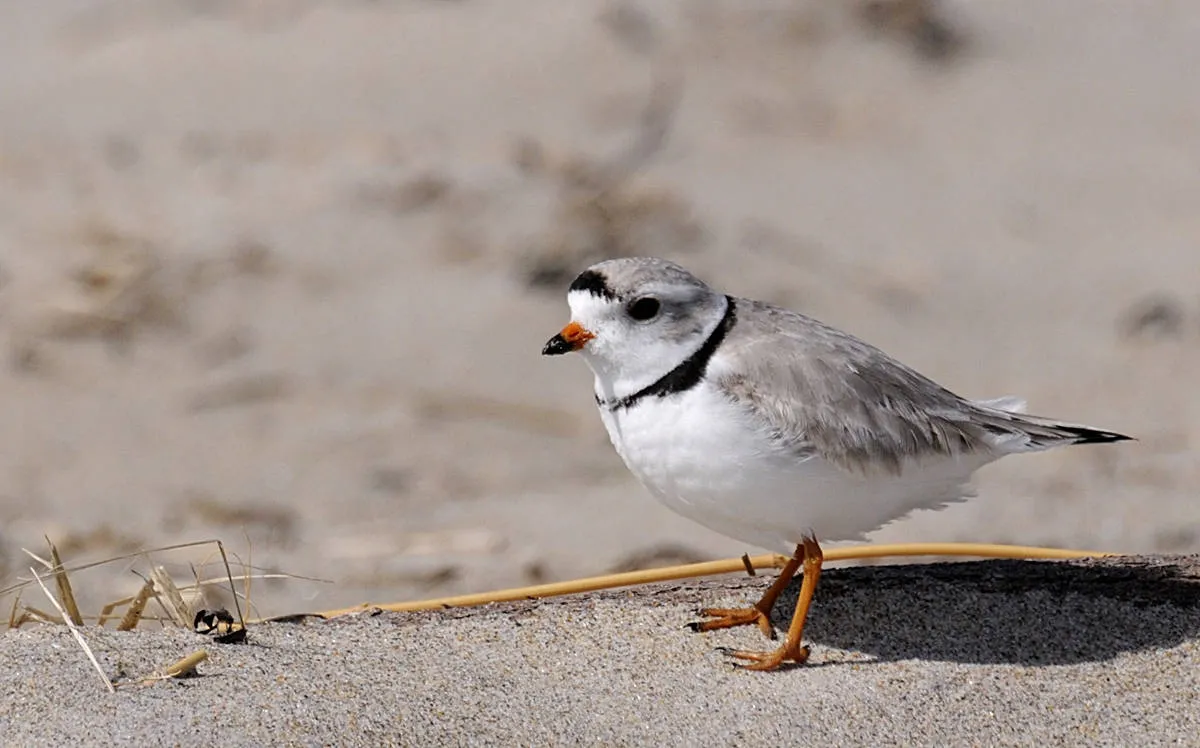
The refuge says most of its beach closes from April 1 into August to protect nesting piping plovers, terns and other shorebirds. Exact reopening depends on nesting activity, so consult the current refuge notice rather than relying on a fixed date. An "area closed" sign means closed to all public entry, not just vehicles.
When a beach section is open, reach it only by designated access points. Dunes are fragile habitat and are closed to public use. Leave shells, stones, driftwood and other natural material in place. Watch the weather and surf, and do not assume swimming conditions are safe merely because the beach is open.
5. Know the rules before you arrive
Dogs and other domestic animals are prohibited on the refuge, with exceptions for qualifying assistance animals. Camping, fires, drones and collecting plants or wildlife are also prohibited. Bicycles are restricted to the refuge road, not the beach; pedestrians should face traffic and use designated crossings.
For a first visit, choose an open boardwalk, an overlook and—outside nesting closures—an accessible beach section. Leave room to adjust for parking, weather or wildlife protection. The refuge's current rules and visitor information are the best final check, because preserving habitat and keeping visitors safe can require changes throughout the year.