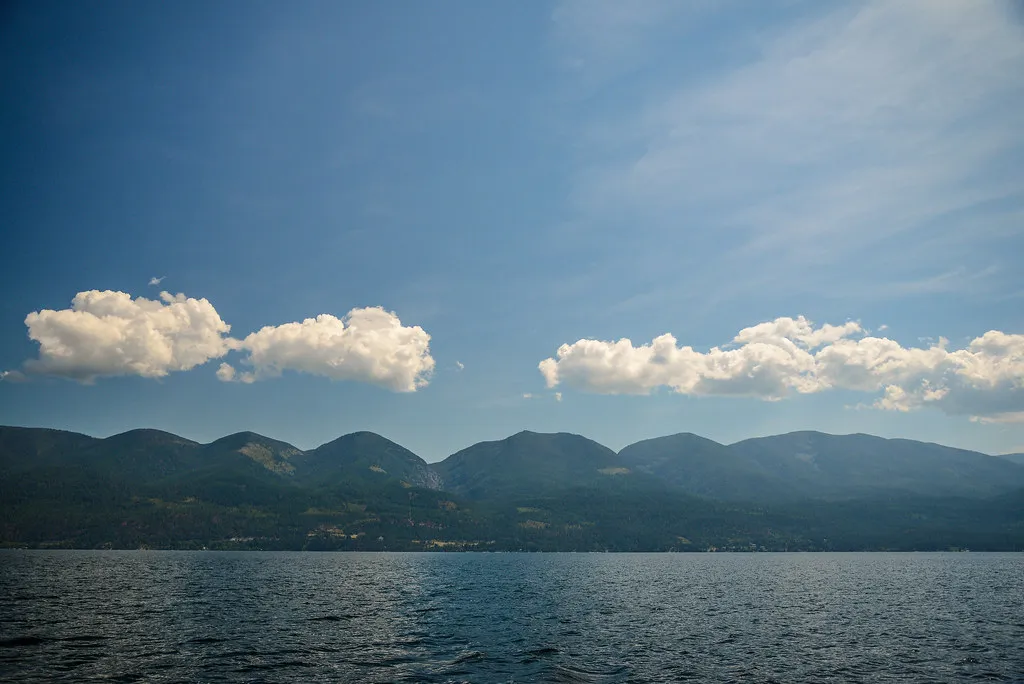
Flathead Lake is large enough that one shoreline stop can feel like only an introduction. Mountains rise beyond the water, small communities dot the surrounding valley and a collection of Montana state park units gives visitors several ways to experience the lake.
Choose a base according to what you want to do: a forested picnic site, a campground, a gravel beach or a boat-access island. These six park units offer a starting point, along with a few important details about weather, reservations and tribal permits.
1. Big Arm: broad views on the west shore
Big Arm lies on U.S. Highway 93 north of Polson, overlooking Big Arm Bay. Montana Fish, Wildlife & Parks highlights views toward Wild Horse Island and the Swan and Mission ranges. It is a sensible place to pause for a picnic, enjoy the shore or base a longer camping trip.
The unit offers campsites and yurts as well as opportunities for swimming, hiking, fishing and boating. Check individual site details and seasonal availability before booking: the features offered by a park do not necessarily apply to every campsite. In warm months, bring water and sun protection and be prepared for wind on the open lake.
Big Arm lies within the Flathead Reservation. Recreation on tribal land outside the state park requires a tribal recreation permit, and the state notes that fishing on the southern half of the lake requires a tribal fishing license. Check current rules with the Confederated Salish and Kootenai Tribes before your outing.
2. Wayfarers: forest and shoreline near Bigfork
Near Bigfork on the northeastern shore, Wayfarers combines a mature mixed forest with a rocky lakeside setting. The park describes its shoreline and cliffs as popular with hikers, photographers and swimmers. Bring shoes suited to uneven surfaces and supervise children near water and steep edges.
Wayfarers also has a campground, including a shared hike-bike area. If you arrive by bicycle, check current site availability and rules rather than assuming space will be open. A lake visit can be as simple as a picnic and a walk, with enough time left to explore the surrounding community.
The shoreline looks inviting in sunshine, but water temperature and wind can change your plans. Keep a flexible schedule and check local conditions before swimming or paddling.
3. West Shore: wooded walks and mountain views
The West Shore unit is south of Lakeside along Highway 93. Forested ground and glacially carved rock outcrops frame views across the lake toward the Swan and Mission mountains. The state lists hiking trails, picnic areas, swimming and camping among the options.
West Shore also has a deep-water boat launch. The state says it is typically ice-free through winter, but “typically” is not a current conditions report. Verify the ramp, weather and parking situation before hauling a boat, and ask about rental availability if you prefer to paddle without bringing equipment.
From a picnic table or trail, take time to look across the water instead of treating the park as just another stop on a loop drive. Weather can change the color and texture of the lake within a single afternoon.
4. Finley Point: a southeast-shore camping base
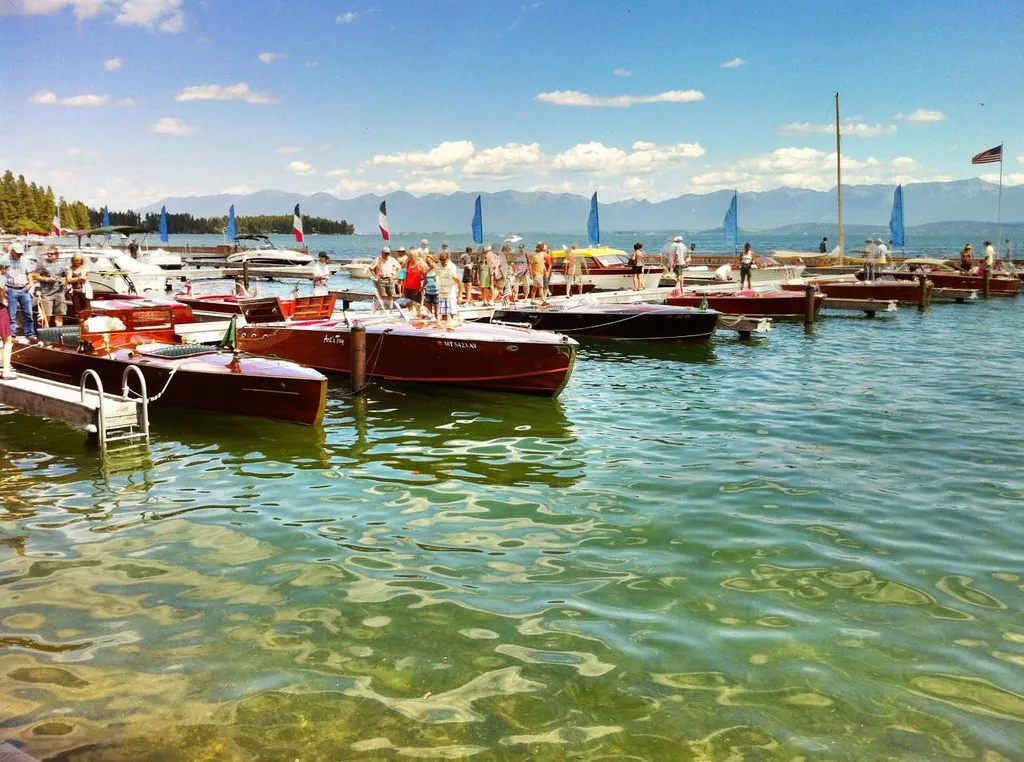
Finley Point is north of Polson on the southeastern shore, among open ponderosa pine forest. Its mix of tent and RV campsites and boat slips makes it worth considering if you want to spend more than a few hours at the lake. Confirm the details of your specific campsite or slip, including vehicle limits and electrical service, before you reserve.
This unit is within the Flathead Reservation. As at Big Arm, tribal rules and permits apply on tribal land outside the park, and fishing on the southern half of Flathead Lake requires a tribal license. Ask the relevant authorities when your route or activity crosses jurisdictions; a state park reservation does not replace other required permits.
5. Yellow Bay: a gravel beach on the east side
Yellow Bay sits south of Bigfork along the eastern shore, where Yellow Bay Creek meets the lake. The state describes a wide gravel beach used for swimming, sunbathing and kayaking. Water shoes can make a rocky shore more comfortable, and a dry bag is useful if you plan to spend time on the water.
The park lists a small number of tent campsites on a first-come basis. Arrive with a backup plan and confirm the current rules before relying on a site. Yellow Bay also lies within the reservation, so check tribal recreation and fishing requirements where applicable.
6. Wild Horse Island: a day trip that needs planning
Wild Horse Island is the lake’s largest island and a state park unit known for bighorn sheep, deer, birds and wild horses. It is reached by water, so arrange suitable transportation before your visit. A calm-looking shore does not guarantee calm conditions for the crossing: check wind and weather, wear a life jacket and choose an outing that fits your experience.
Pets are not permitted on the island, according to Montana Fish, Wildlife & Parks. Bears also use the area; carry food with you or store it securely on your boat as directed by the park. Watch wildlife from a distance, stay on established routes and leave plants and cultural resources in place.
Before visiting any unit, check the state park’s current information for fees, closures and services. Bring water and a flexible plan, and confirm inspection requirements for watercraft to help prevent the spread of aquatic invasive species. Flathead Lake rewards the visitor who picks a shore and has time to enjoy it.