Just outside Great Falls, clear water rises from the ground, rushes past green plants and makes its way toward the Missouri River. Giant Springs State Park is easy to appreciate on a short stop, but the surrounding river corridor can fill a much longer day with trails, wildlife and local history.
The park is day-use only, so this is a place to explore and then return to a nearby base. These four ideas connect the springs with the water, trails and stories around them.
1. Watch the springs and the Roe River
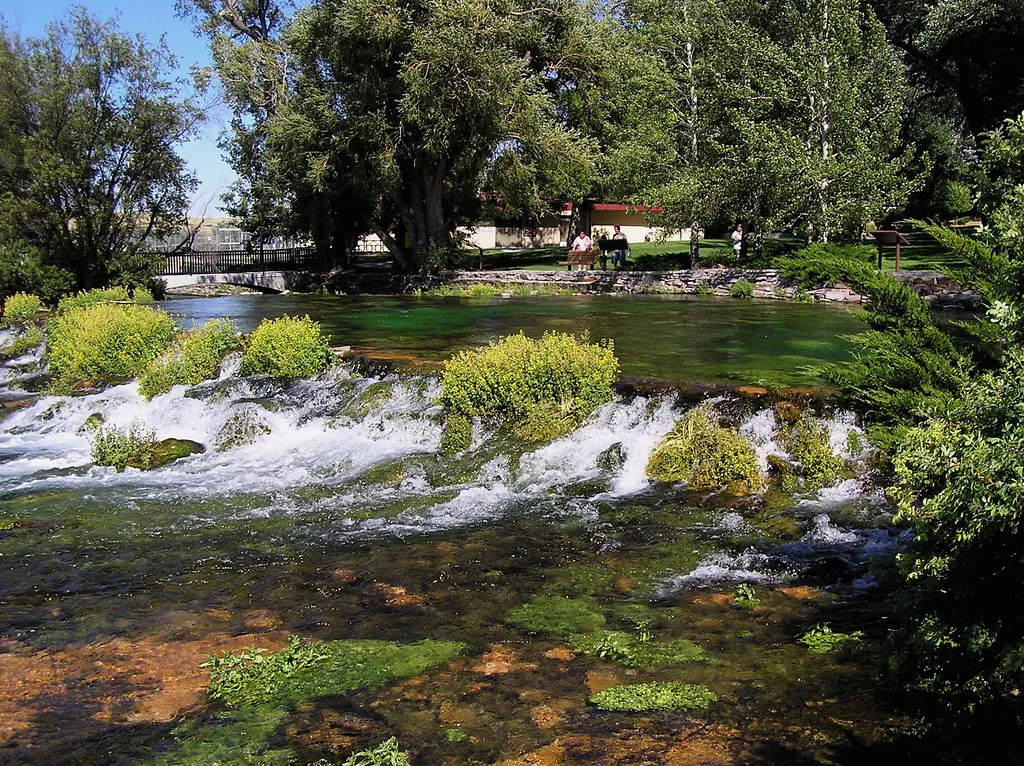
Start at Giant Springs itself. Montana Fish, Wildlife & Parks describes it as one of the country’s largest freshwater springs, with more than 156 million gallons flowing each day. Stand for a while and watch the movement of the water and vegetation instead of treating the spring as a quick photo stop.
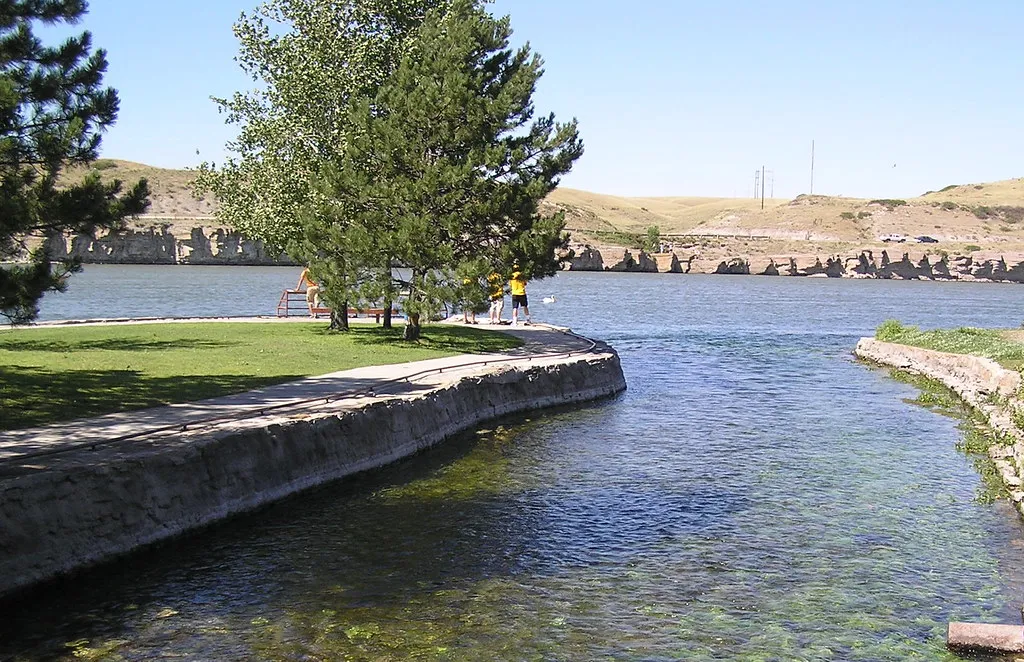
From here, the water flows toward the Roe River and the Missouri. The Roe was once listed by Guinness as the world’s shortest river; its appeal is more immediate than a record, however. The short channel gives visitors a close look at clear water moving through the park’s landscaped setting.
Stay on designated paths, supervise children around the water and avoid entering areas where access is restricted. Flowing water and wet surfaces can be slippery. Bring a camera or binoculars, but leave plants and other natural features undisturbed.
The Lewis and Clark Expedition recorded the springs in 1805. That written record is one chapter in a much longer human relationship with this river landscape, which Indigenous peoples knew and used long before the expedition arrived.
2. Visit the fish hatchery and make time for a picnic
The Giant Springs Fish Hatchery is another feature identified by the state park. When facilities are open, visitors can see the show pond and learn more about fish raised in Montana. Check the hatchery’s current hours and any feeding rules before promising a particular activity; facilities and staffing can change seasonally.
Picnic areas and mature trees make the park an easy family stop. Pack a lunch and allow enough time to settle in rather than rushing between attractions. Dispose of food scraps properly and avoid feeding wildlife, which is healthier for animals and keeps the area pleasant for other visitors.
If you are traveling with someone who uses a mobility device, the park lists accessible amenities, but routes and facilities vary. Contact the park about the specific area you plan to use, particularly after weather events or maintenance work.
3. Follow the River’s Edge Trail
Giant Springs is part of the larger River’s Edge Trail system around Great Falls. The state park describes more than 30 miles of paved and dirt single-track trails within the park, with options ranging from beginner to expert. You do not need to cover the whole system to enjoy it: choose a segment that matches your group and the time you have.
Use a current trail map and note whether your chosen route is paved, dirt, shared with cyclists or exposed to sun and wind. Carry water, wear appropriate shoes and yield courteously to other trail users. If riding, slow down around pedestrians and follow posted rules for the particular trail.
Birdwatchers can pause along the Missouri River with binoculars. Keep your distance from wildlife, especially nesting birds, and stay back from the water’s edge. River flows and weather can change quickly, and a viewpoint is safer than an improvised scramble down a bank.
4. Add river overlooks and the interpretive center
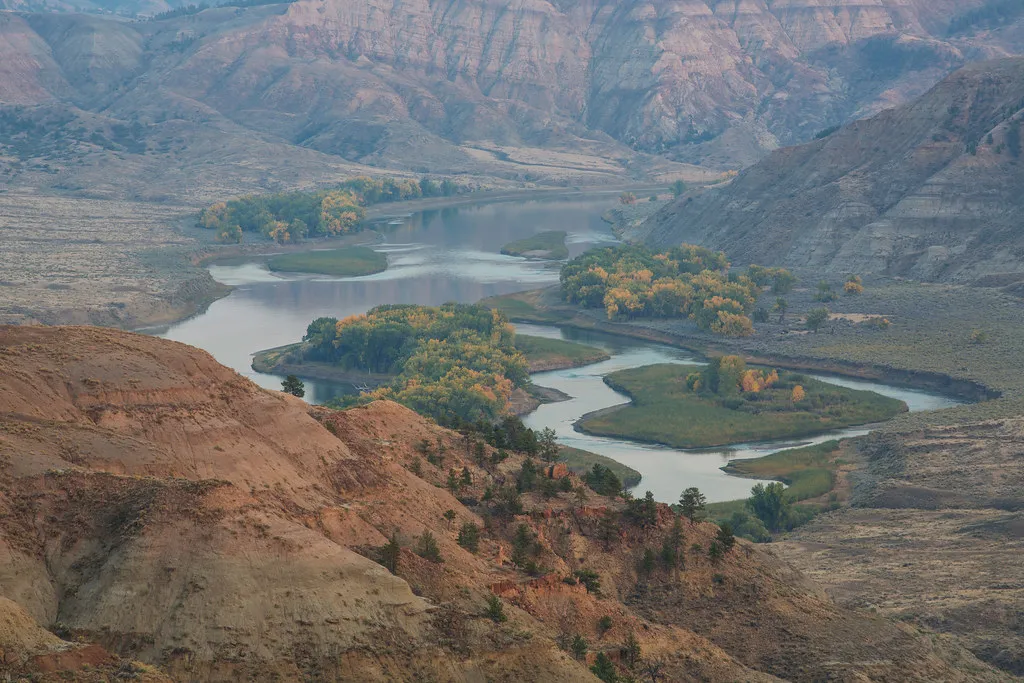
The state park encompasses nearly 14 miles of Missouri River shoreline and identifies several waterfalls within its larger area. Check a park map to locate an overlook that fits your route; the falls and viewpoints are not all clustered beside the spring pool. Dams and river conditions influence what visitors see.
The nearby Lewis and Clark National Historic Trail Interpretive Center is operated by the U.S. Forest Service and offers another way to learn about the expedition and the Missouri River corridor. Check its separate hours, fees and accessibility information before visiting. Allow enough time to engage with the exhibits rather than assuming it is part of the state park’s facilities.
Giant Springs is normally open year-round from sunrise to sunset, subject to restrictions and closures, according to Montana FWP. There is no camping in the park. Before leaving, review the official park page for current access, fees and notices, especially during winter weather. Bring layers, water and a flexible plan: a few quiet minutes beside the spring can be just as rewarding as a long itinerary.