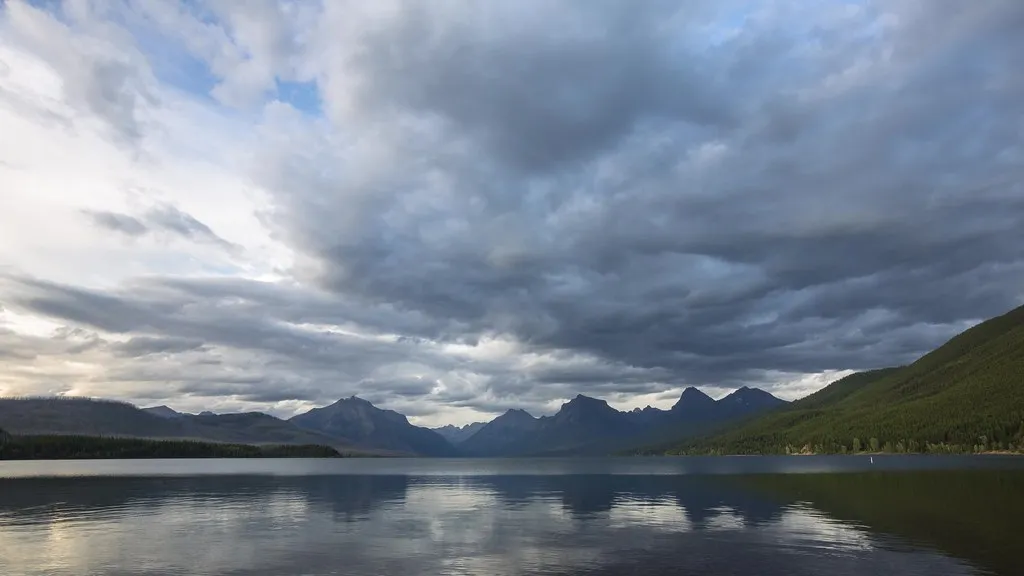
Glacier National Park’s west side makes a memorable first impression: a long blue lake, forested slopes and peaks rising at the far end of the valley. Lake McDonald is the largest lake in the park, but the landscape around it rewards more than a quick photograph from the shore.
Ancient ice carved this valley, and today short walks, historic buildings and longer trails offer different ways to experience it. These six stops can help you build a day that suits your pace, whether the high mountain section of Going-to-the-Sun Road is open or not.
1. Start at Apgar and the foot of Lake McDonald
Apgar is a natural orientation point near Glacier’s West Entrance. From the foot of the lake, the view looks up the long valley toward the Continental Divide. It is a place to get your bearings, check the weather and appreciate the scale of a lake the National Park Service describes as ten miles long and nearly 500 feet deep.
Stop at the visitor center when it is open for current road and trail information. Facilities and services change with the season, so check ahead rather than assuming a summer schedule applies all year. If you are planning a longer outing, ask about closures, bear activity and the route you intend to take.
The colorful stones along the shore are a favorite subject for photographs. Enjoy them where they are: leave rocks and other natural objects in the park for everyone who comes after you. The water can be cold even on a warm day, and shore conditions can change.
2. Follow the lake toward Lake McDonald Lodge
Going-to-the-Sun Road follows the lake’s eastern side, passing through forest with glimpses across the water. Use designated pullouts and parking areas whenever you want to stop. A bend in a narrow road is not a safe place to pause for a picture, and traffic can be heavy on summer days.
Lake McDonald Lodge, constructed in 1913–14, adds a different layer to the landscape. The National Park Service describes its rustic, Swiss-influenced design as resembling a hunting lodge. Check the operator and park for current public access and seasonal dates before planning a meal or overnight stay; a historic building’s presence does not guarantee every service is open.
Even without a reservation, the surrounding area makes a useful place to pause and consider how early tourism developed around the lake. Respect guests, posted areas and any restrictions protecting the shoreline and historic property.
3. Wander the Trail of the Cedars
At the Avalanche area, the Trail of the Cedars offers an intimate forest experience rather than an alpine summit. The park lists the loop at 0.7 mile and identifies it as accessible. Check current conditions and accessibility details before setting out, particularly after storms or during seasonal maintenance.
The loop is an inviting option for visitors who want a shorter outing, but it remains a national park trail: stay on the constructed route, watch for wet surfaces and give other visitors room. Parking at popular trailheads can fill, so build flexibility into your day and use only legal spaces.
Take time to look at the textures of the forest, listen to running water and notice how the valley feels different beneath the canopy than it does beside the open lake. A slow walk can be just as satisfying as a long list of stops.
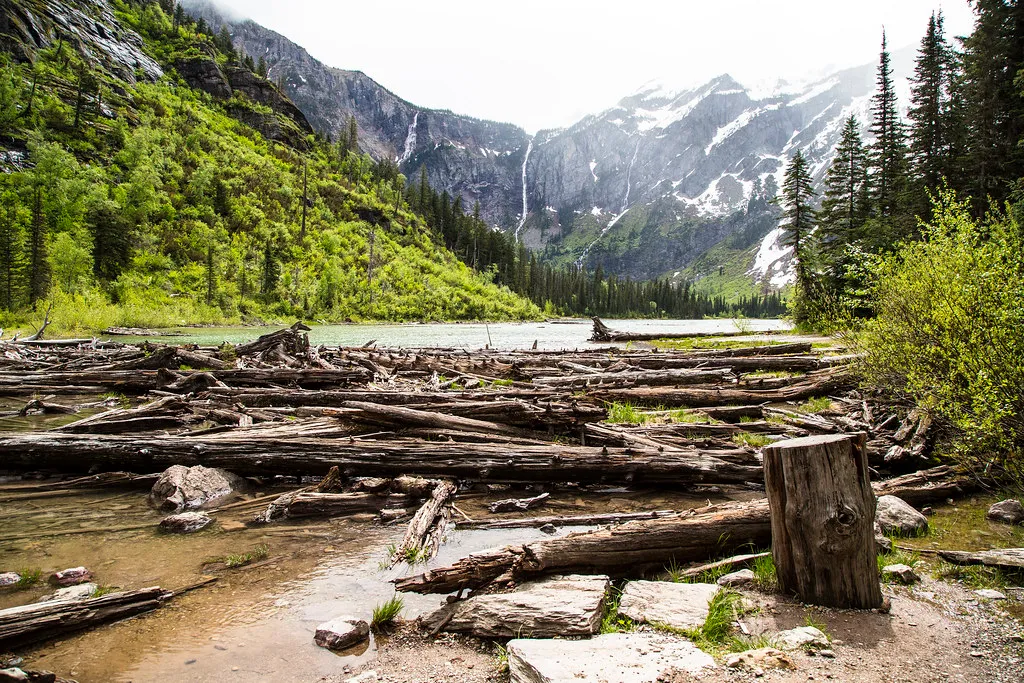
4. Hike to Avalanche Lake if conditions and your group allow
For a longer outing, the Avalanche Lake trail climbs through forest to a mountain lake backed by steep slopes. The park lists the destination as 2.3 miles one way from the Avalanche Picnic Area with about 500 feet of elevation gain. That means roughly 4.6 miles out and back, with actual effort depending on conditions and the route taken.
Bring water, layers and footwear appropriate for the trail. Snow, ice, high water, wildlife activity and maintenance can change access even when the road is open. Check the park’s current trail status before you go and turn around if conditions exceed your group’s experience.
This is bear country. Carry readily accessible bear spray, know how to use it, make noise on the trail and follow current National Park Service guidance. Never approach or feed wildlife. Do not count on a phone signal to replace a map or a plan.
5. Choose a quieter walk near Fish Creek
The park lists Rocky Point as a 1.1-mile one-way walk with modest elevation gain, beginning near Fish Creek Campground. It can be a good alternative when your group wants time on a trail without committing to a much longer mountain hike. Verify the route and current trail conditions with the park before leaving.
The Lake McDonald West Shore trail offers a longer option; the park lists 7.4 miles one way for the route between its listed access points. That is not a casual loop. Choose a turnaround that matches your available daylight and energy, and remember that a one-way distance must be doubled if you return the same way.
Check seasonal road access to the trailhead, carry water and practice the same wildlife precautions you would on a longer hike. A quieter trail can still be remote.
6. Let the road and season shape the rest of your day
Going-to-the-Sun Road is famous for crossing the mountains, but its high alpine section is seasonal and weather can close portions at other times. Check the park’s current road information before you leave. Do not assume you can drive across the park because a map shows a continuous line.
Vehicle size restrictions apply on the narrow central section. Glacier’s 2026 guidance prohibited vehicles or combinations longer than 21 feet or wider than 8 feet between Avalanche Creek and Rising Sun; verify current measurements and rules before traveling. Entrance fees apply, and park transportation, reservations and parking arrangements can change from year to year.
When the higher road is closed, the Lake McDonald Valley can still offer a rewarding visit where access is permitted. When it is open, avoid treating the lake as merely the first few miles of a race to Logan Pass. The shoreline, forest and water deserve their own time.