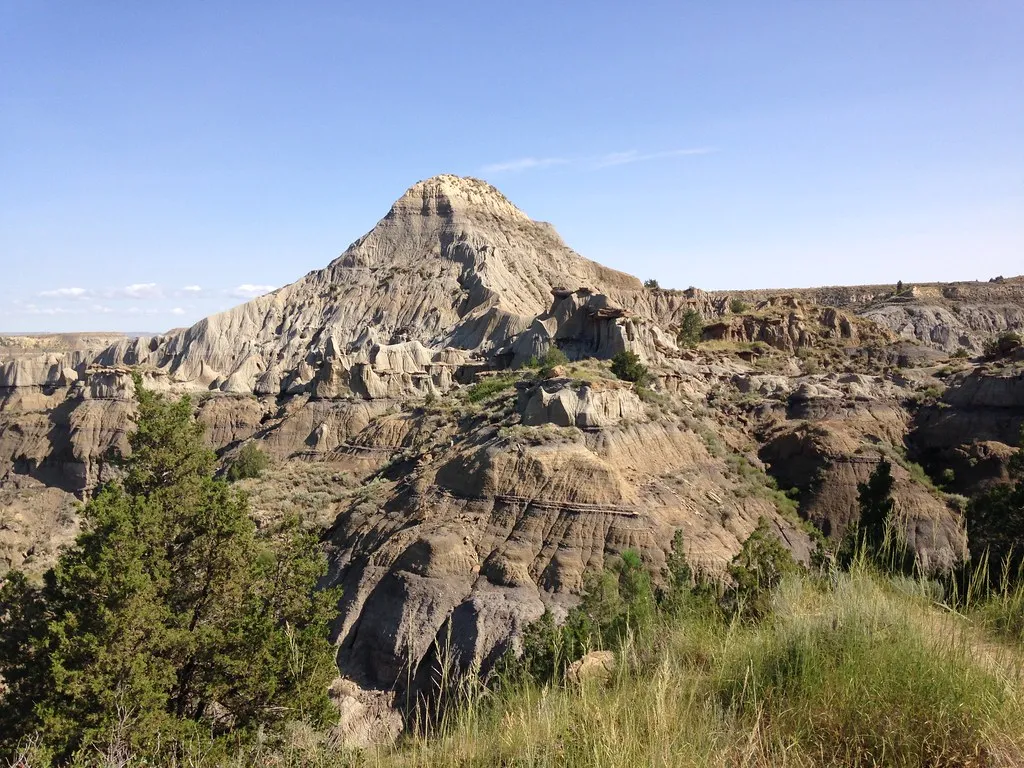
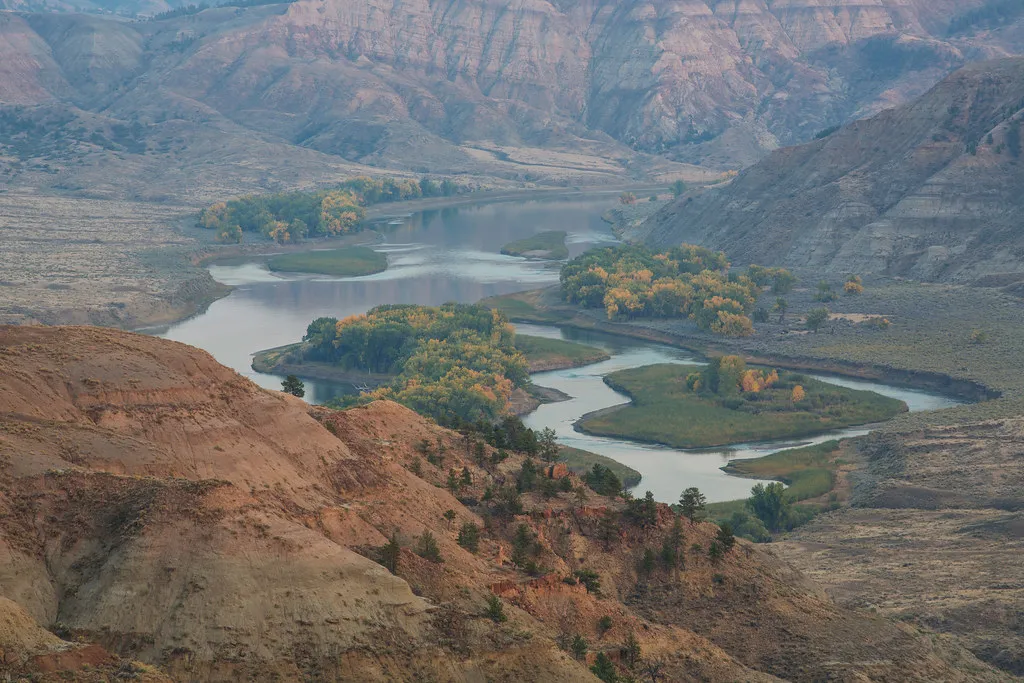
The rolling grasslands at Little Bighorn Battlefield National Monument hold a history that cannot be understood from a single hill or one person’s story. Here, on June 25 and 26, 1876, the U.S. Army’s 7th Cavalry and its Crow and Arikara scouts fought against allied Lakota, Cheyenne and Arapaho people near their encampment along the Little Bighorn River.
The battlefield is a place of loss, remembrance and continuing significance to Native communities. A thoughtful visit means making room for Indigenous perspectives alongside the military story, and taking time to understand the wider landscape. These four stops provide a starting point.
1. Begin with the visitor contact station and the broader history
Little Bighorn Battlefield is near Crow Agency in southeastern Montana. The park lists 756 Battlefield Tour Road as its address and directs visitors from Interstate 90 exit 510. Before setting out, check the National Park Service’s current visitor information for hours and closures.
The visitor center is being rebuilt. The park reports that a temporary contact station provides visitor information and a bookstore, while construction may affect parking and access through fall and winter 2026. Check the project page before departure, especially if you drive an RV or tow a trailer: oversized-vehicle parking and turning space are limited.
Ask staff about available maps and interpretive programs. The battle was part of a broader conflict over land, sovereignty and the U.S. government’s efforts to confine Native peoples to reservations. Lakota, Cheyenne and Arapaho families were gathered along the river; warriors defended their communities and ways of life. U.S. soldiers and their scouts also came from distinct communities and brought different experiences to the battle.
Begin with that complexity in mind. A map helps, but the landscape is larger than any single viewpoint, and oral histories and archaeological evidence do not always tell the story in exactly the same way.
2. Visit the Indian Memorial and Last Stand Hill
The Indian Memorial and the 7th Cavalry Monument on Last Stand Hill are close to the park’s visitor area. The memorial’s theme, “Peace Through Unity,” reflects a purpose beyond recounting a battle. It commemorates the sacrifices of Native people and acknowledges the need for cooperation among tribal nations and between tribal governments and the federal government.
Congress ordered the memorial’s construction when it renamed the battlefield in 1991. The National Park Service worked with an advisory committee that included members of the Native nations involved, along with historians, artists and landscape architects. The memorial was dedicated in 2003, with final wording on the granite completed in 2013.
Allow time to read the words and consider the different experiences represented here. This is a memorial landscape, not a backdrop for a hurried pose. Speak quietly when others are reflecting, remain on designated routes and treat any ceremonies or commemorative objects with respect.
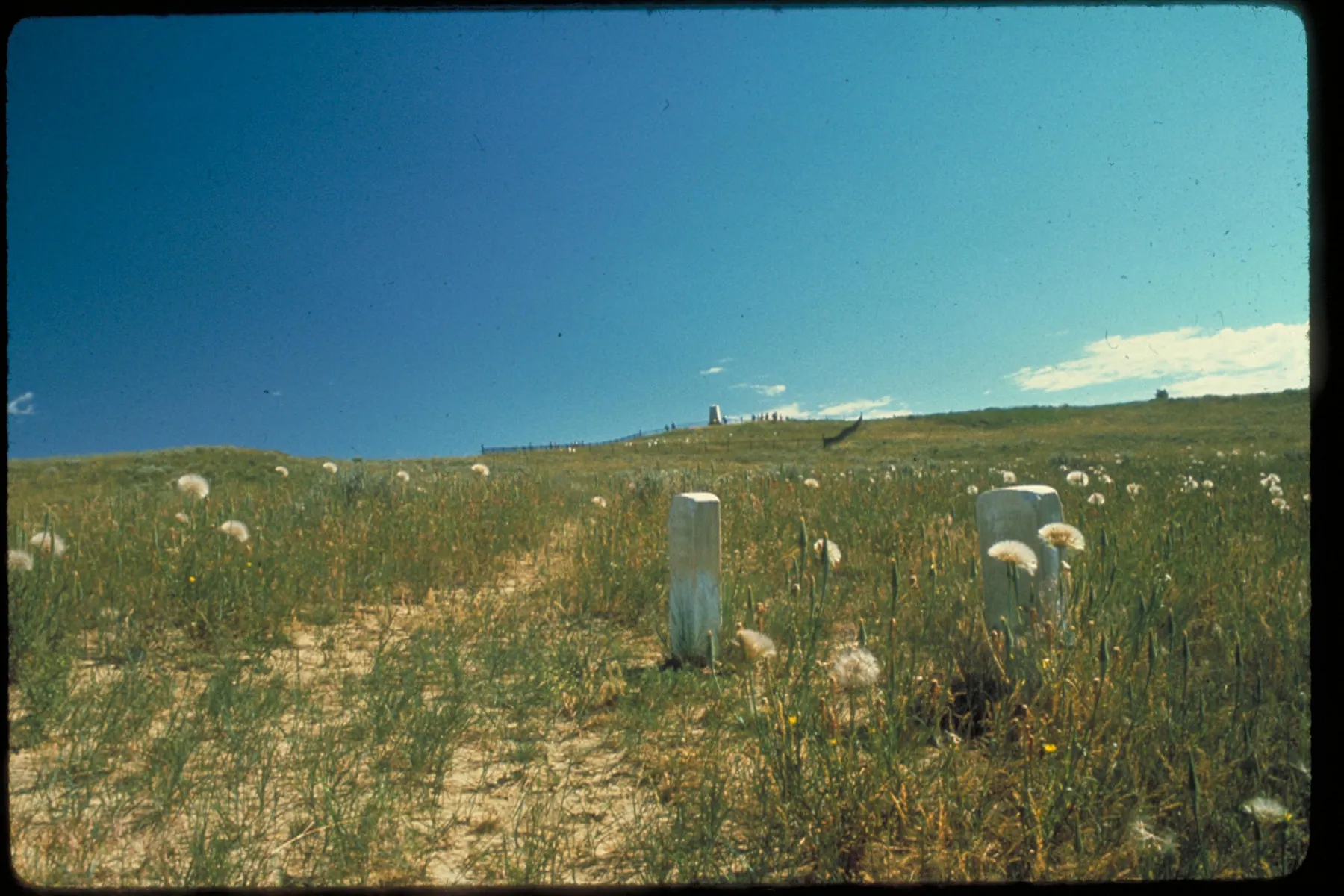
Nearby Last Stand Hill is associated with the deaths of Lt. Col. George Armstrong Custer and members of the 7th Cavalry. Interpretive material can help you locate the hill within the larger battle, while the Indian Memorial helps keep its Native participants and communities at the center of the story too.
3. Walk the Deep Ravine Trail
The Deep Ravine Trail offers a self-guided walk below Last Stand Hill. The park describes it as a quarter-mile one way, or about half a mile round trip. Check current access and surface conditions before setting out, and allow time for the return uphill as well as pauses at the interpretive stops.
The park notes that scholars and oral histories have offered different interpretations of events in this part of the battlefield. Its Deep Ravine history page describes both Native accounts and later research, including disagreement about where particular fighting occurred. That uncertainty is a reason to read carefully, rather than an invitation to force every detail into a simple narrative.
Markers across the landscape invite reflection on people who died here, but visitors should not assume every marker identifies an exact burial. Remain on designated trails and do not disturb the ground, markers or natural features. The monument restricts access to signed trails, the tour road, the cemetery and administrative areas.
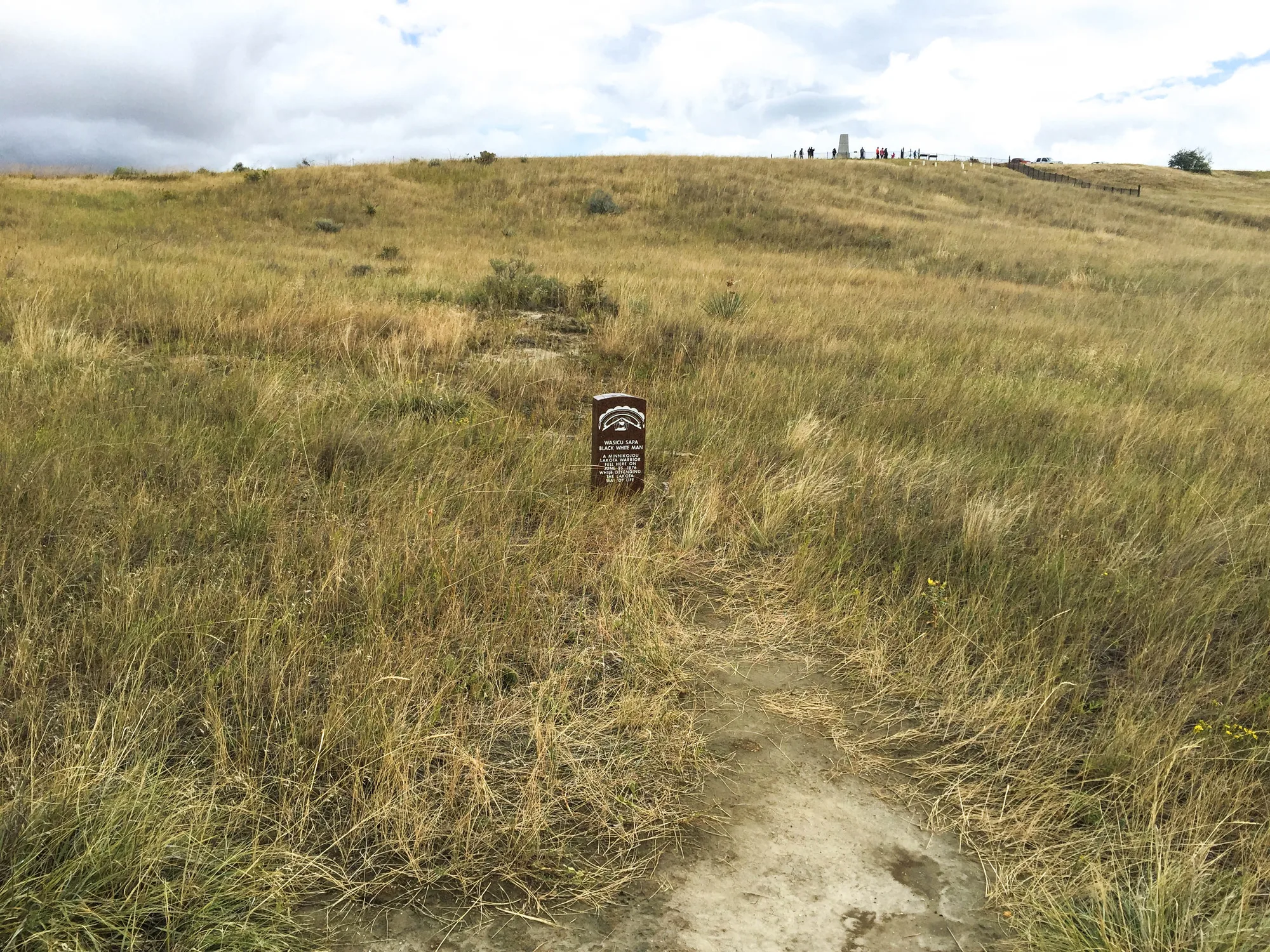
4. Drive the tour road and visit the national cemetery
The park’s tour road runs 4.5 miles one way to the Reno–Benteen Battlefield, a nine-mile out-and-back drive. The route helps connect events that unfolded across a much broader area than Last Stand Hill alone. Follow posted directions and use designated pullouts; road conditions and construction traffic can cause delays.
In its winter-hours guidance, the park recommends arriving by 2 p.m. if you want to drive the complete road before access closes at 3:30 p.m. Hours vary seasonally, and the park’s published pages contain differing times for some facilities, so verify current hours directly before traveling. The monument closes on Thanksgiving, Christmas and New Year’s Day.
Custer National Cemetery is also within the monument. Its history extends beyond the 1876 battle, commemorating veterans and casualties associated with later conflicts as well as the Indian Wars. Walk respectfully, observe posted rules and allow families and other visitors space for private remembrance.
Bring drinking water and layers for an exposed prairie landscape, and plan for limited services. Pets are prohibited outside vehicles, with service animals excepted under park rules; do not leave an animal in an unsafe vehicle. Before departing, check both the park’s current alerts and its construction information. The most rewarding visit is one that leaves enough time to listen, read and reflect.