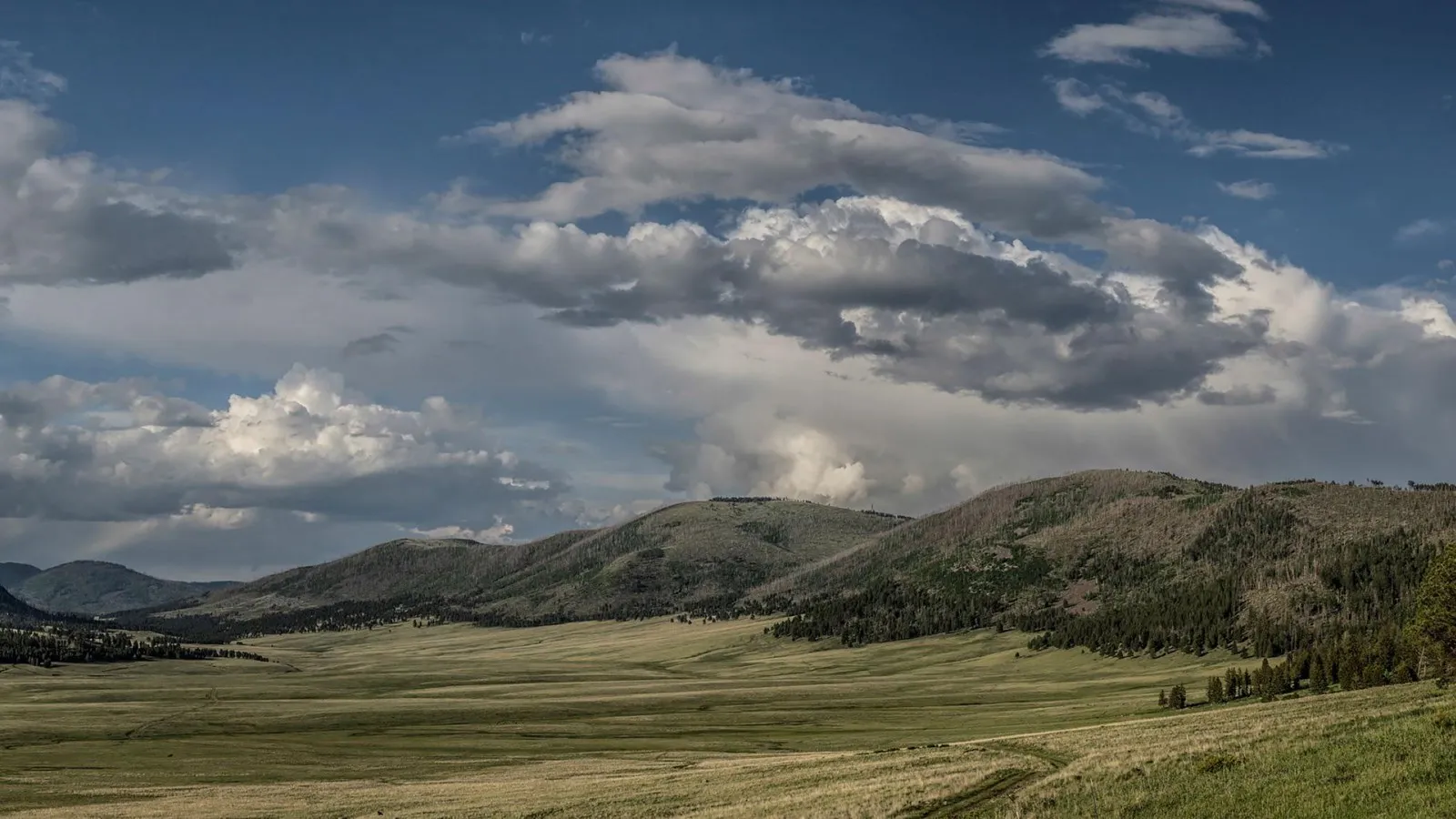
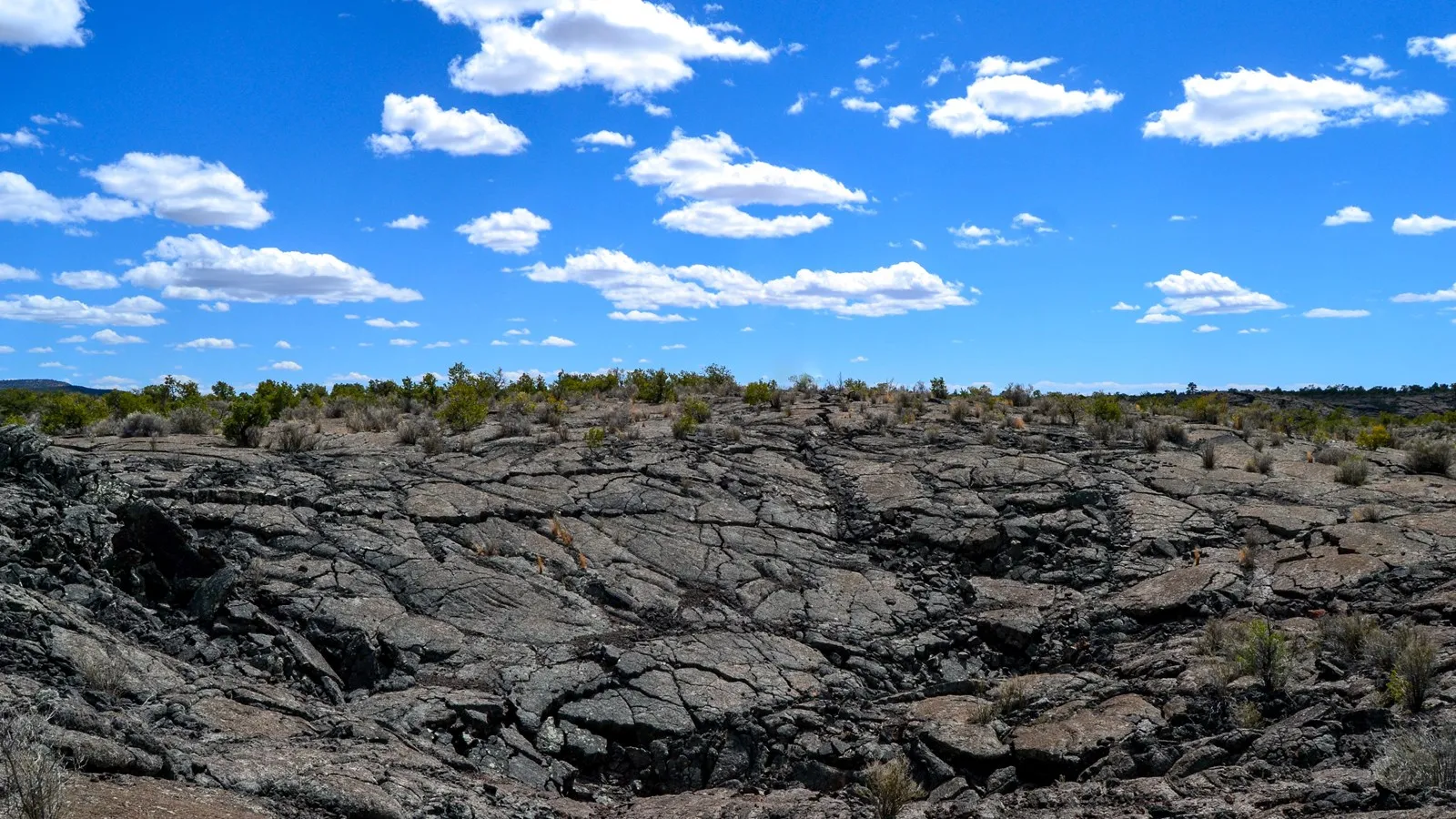
At Bosque del Apache National Wildlife Refuge, the day can begin with cranes and geese moving over the wetlands of the middle Río Grande Valley. The refuge south of Socorro is known for winter birdwatching, but its fields, ponds and desert edges offer reasons to visit in every season.
Wildlife follows weather and habitat rather than a visitor’s timetable. These seven tips will help you plan a quieter, more rewarding outing while giving the animals the space they need.
1. Pick the season for the birds you hope to see
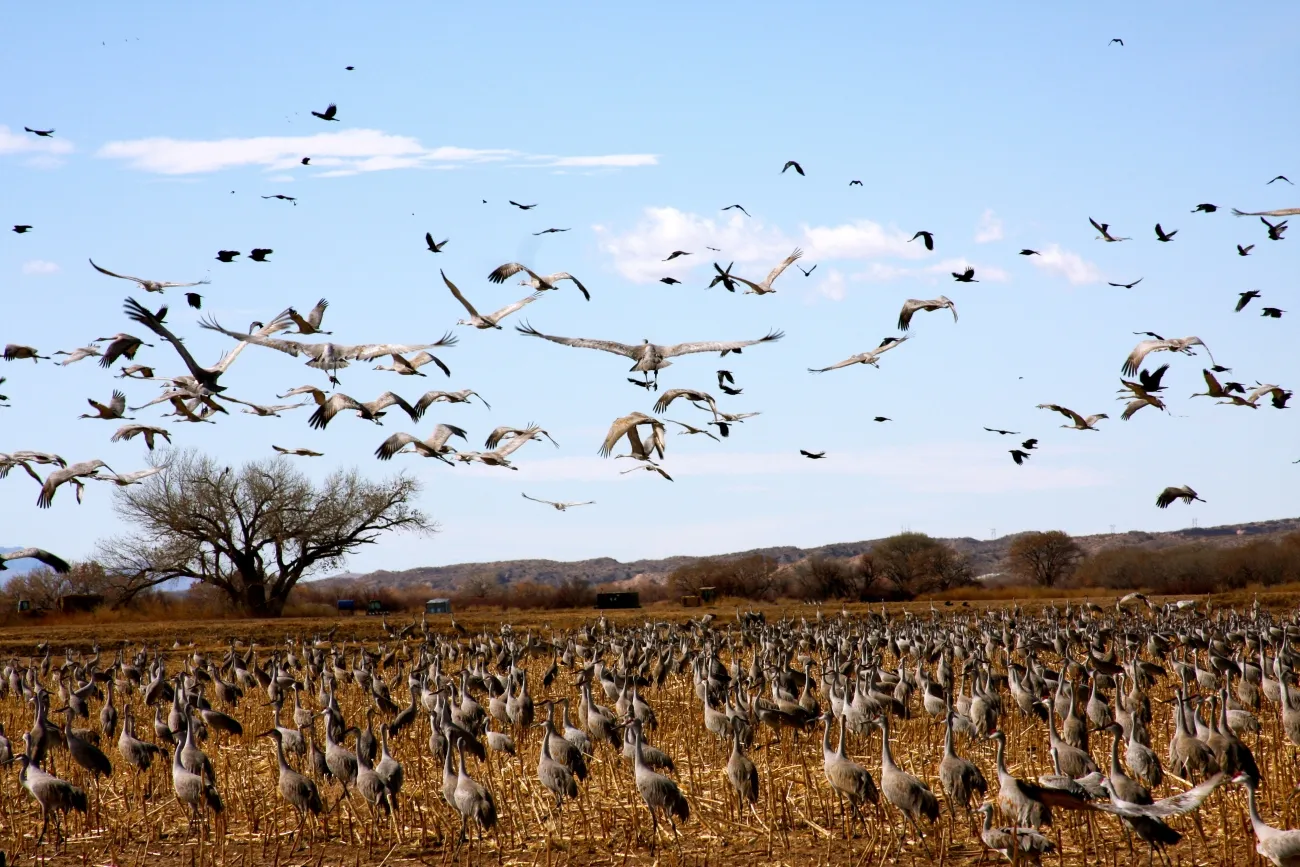
The U.S. Fish and Wildlife Service says the greatest numbers of birds generally occur from early November through late January. Sandhill cranes, snow geese and Ross’s geese are among the winter visitors. Numbers and locations change from day to day, so treat any sighting as a possibility rather than a promise.
Spring and fall bring migrating species through the refuge, including shorebirds when water and mudflat conditions are suitable. Summer offers a different mix of nesting birds and desert wildlife. A quieter season can be rewarding for visitors who enjoy watching behavior rather than counting a single species.
Check the refuge’s recent information and ask staff where birds have been roosting or feeding. Habitat management and water levels change through the year, and yesterday’s favorite pond may not be today’s best stop.
2. Make an early start for winter flights
In winter, many geese and cranes spend the night in shallow water. The refuge describes geese leaving near dawn to feed, followed by smaller groups of cranes. Arrive with enough time to park legally and settle before sunrise, but remember that the timing varies with weather and the birds themselves.
The refuge lands, including the scenic drive and trails, are generally open from one hour before sunrise until one hour after sunset. Verify current hours and any closures before setting out. Visitor-center hours are different, so obtain a map or download one ahead if you plan to arrive early.
Dress in layers. The refuge is about 4,500 feet above sea level, and the USFWS notes that temperatures can change dramatically between dawn and midday. A warm jacket, hat, water and sun protection can all be useful on the same day.
3. Take the scenic drive slowly
The refuge’s Scenic Drive is approximately 12 miles long. It passes a variety of habitats and gives visitors opportunities to stop at designated pullouts and trailheads. Drive slowly, watch for wildlife crossing the road and allow others to pass safely rather than stopping in the traffic lane.
There is an entrance fee, with accepted pass options described by the refuge. Check current payment instructions and carry your pass if you intend to use one. Road conditions and individual sections can change after rain or maintenance, so follow posted signs and staff directions.
Your vehicle can be a useful place from which to observe birds without approaching them. Switch off the engine when parked safely and listen. A pair of binoculars often reveals far more than moving closer, especially when birds are feeding or resting.
4. Look beyond the cranes
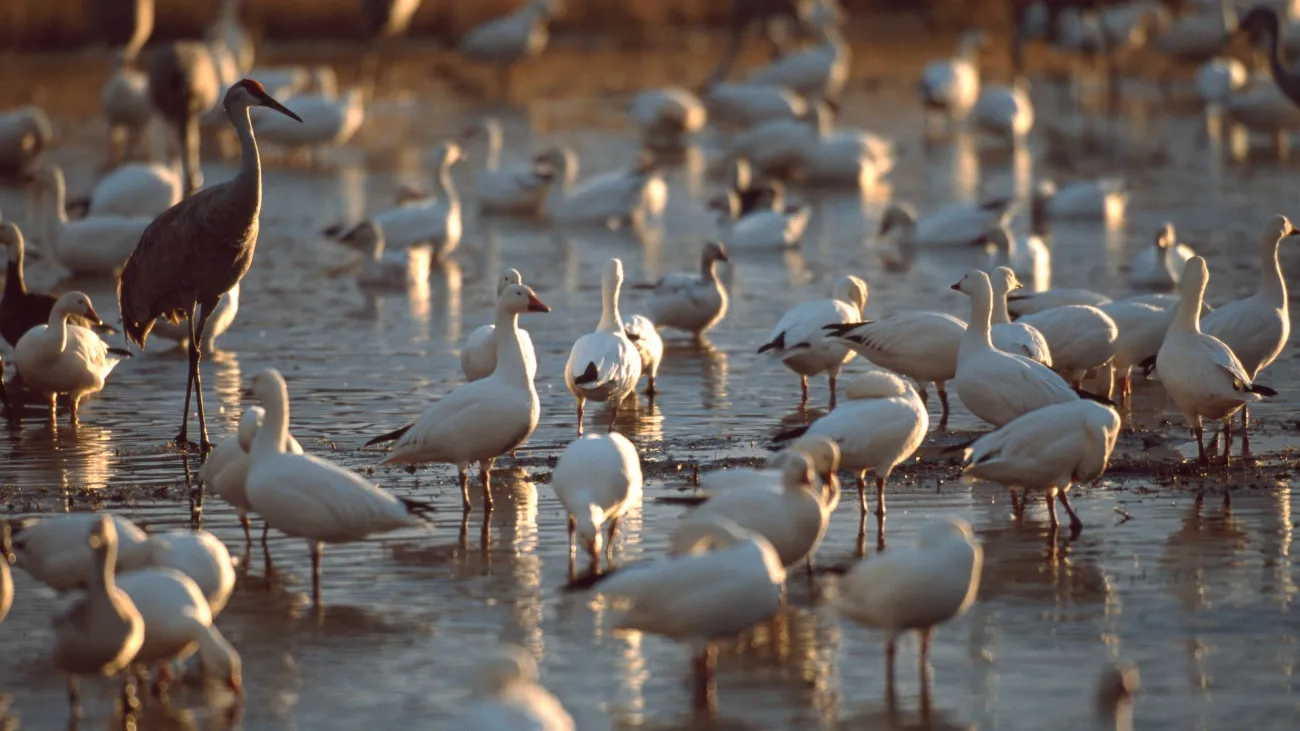
Cranes and geese attract attention, but the refuge also supports ducks, raptors, shorebirds and many smaller species. USFWS lists hawks, eagles, blackbirds, ravens and coots among birds that may be encountered. Mule deer, coyotes and jackrabbits may also appear, though no animal is guaranteed.
Try watching one patch of water or field for several minutes. Notice how birds feed, interact and react to changing light. If an animal stops feeding, moves away or changes behavior because of your presence, you are too close; back away and give it room.
Never feed wildlife or use calls to draw birds toward you. Respect closed areas and nesting habitat. A long lens or binoculars is a better tool than a closer approach, and quiet visitors benefit everyone sharing the refuge.
5. Add a short trail when conditions allow
Several trails begin near the drive and visitor facilities. Ask staff which are open and suitable for your group, and carry water even on a short walk. Sun, wind and a dry climate can make the refuge feel more demanding than its gentle terrain suggests.
Remain on established routes and watch for uneven ground. Some areas have seasonal or management closures that protect wildlife or allow refuge work. The refuge has accessible facilities in selected locations; contact staff for details that matter to your visit.
Restrooms are available at the visitor center and selected trailhead locations, with different facility hours and types. Review the official visitor page before relying on a particular stop, especially if arriving around dawn or dusk.
6. Plan for photography without disturbing wildlife
Low morning and evening light can be beautiful, but good wildlife photographs require patience and distance. Pull completely into a designated parking area, avoid blocking sightlines or accessible spaces and keep equipment out of the roadway. Turn off unnecessary lights and follow any restrictions at viewing areas.
Birds may fly before you have set up a camera. Enjoy the experience rather than chasing a flock to repeat it. A quiet, stationary observer can watch natural behavior while allowing other visitors to do the same.
Prescribed fire and habitat work may be underway at different times. The refuge reported planned prescribed burning beginning in mid-November 2026, weather permitting; check current notices for smoke or temporary access changes rather than assuming conditions remain the same.
7. Leave room for the local communities
The refuge is near San Antonio, New Mexico, south of Socorro. Build time into the day for fuel, meals and a stop at local businesses, and avoid rushing on rural roads at dawn or dusk when wildlife may be active. Camping and overnight parking are not allowed on the refuge; arrange lodging or a legal campsite elsewhere.
Carry out litter, secure food and follow the refuge’s pet and vehicle rules. Before leaving, check the USFWS visitor and wildlife pages for the latest hours, fees and conditions. A flexible plan lets the birds set the pace.