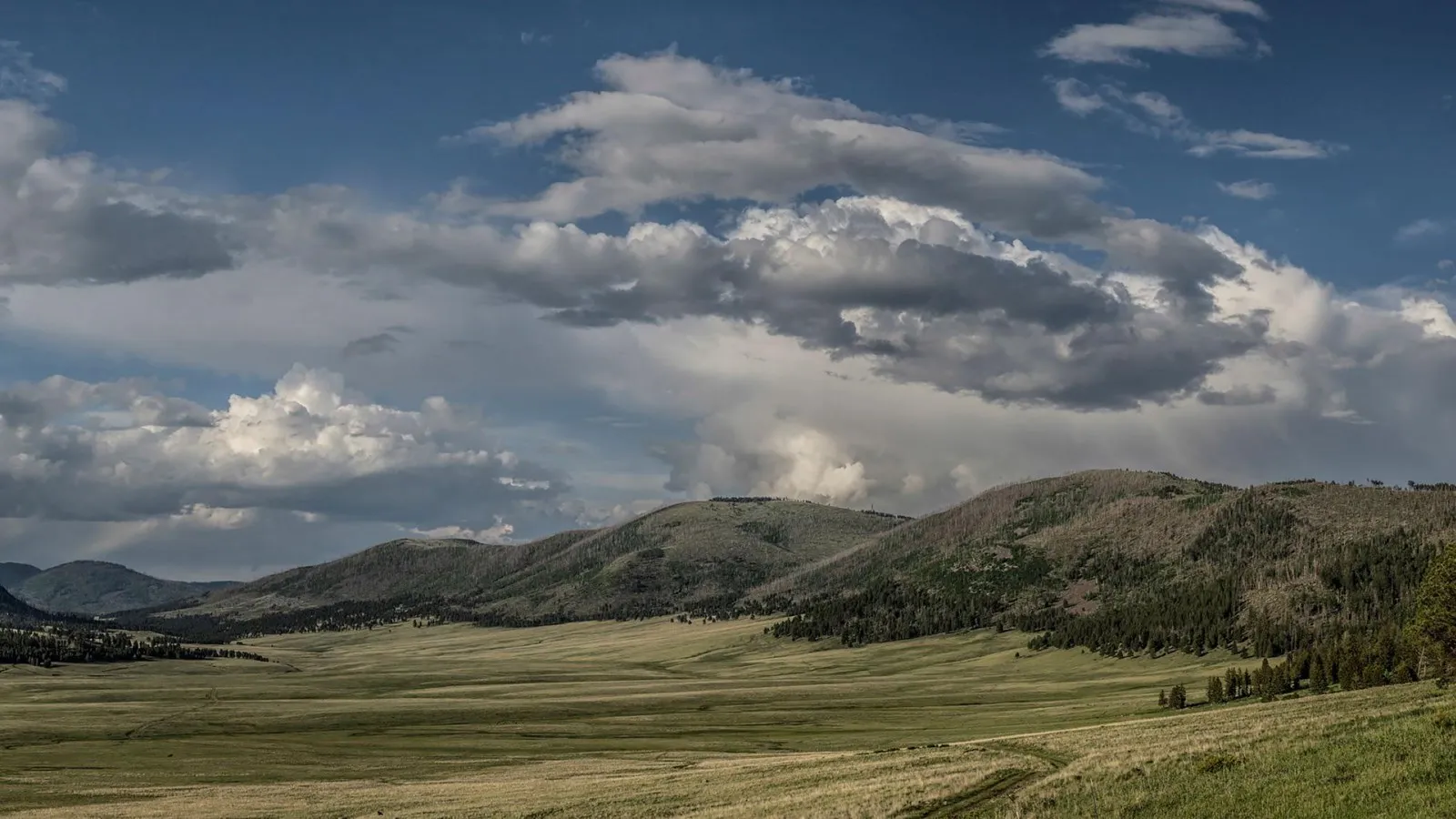
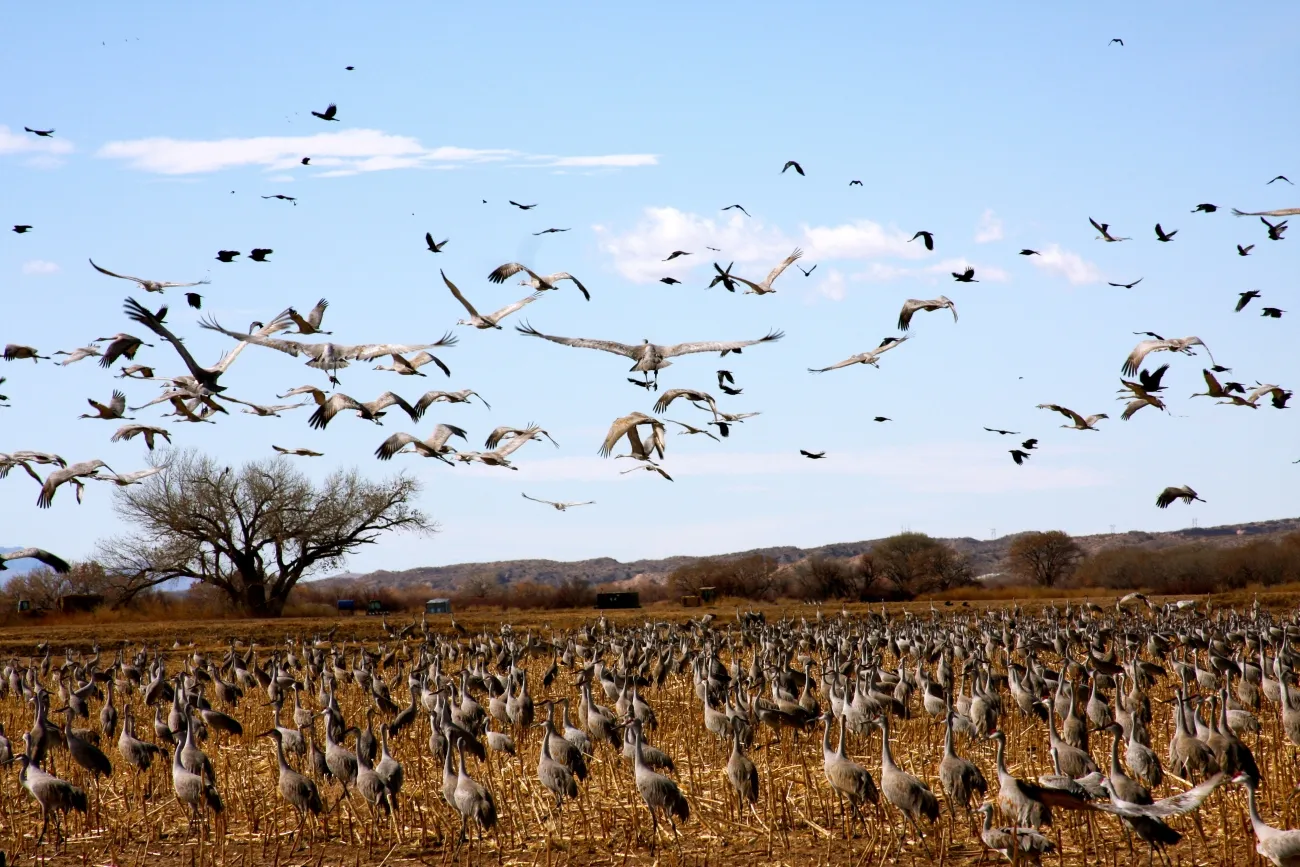
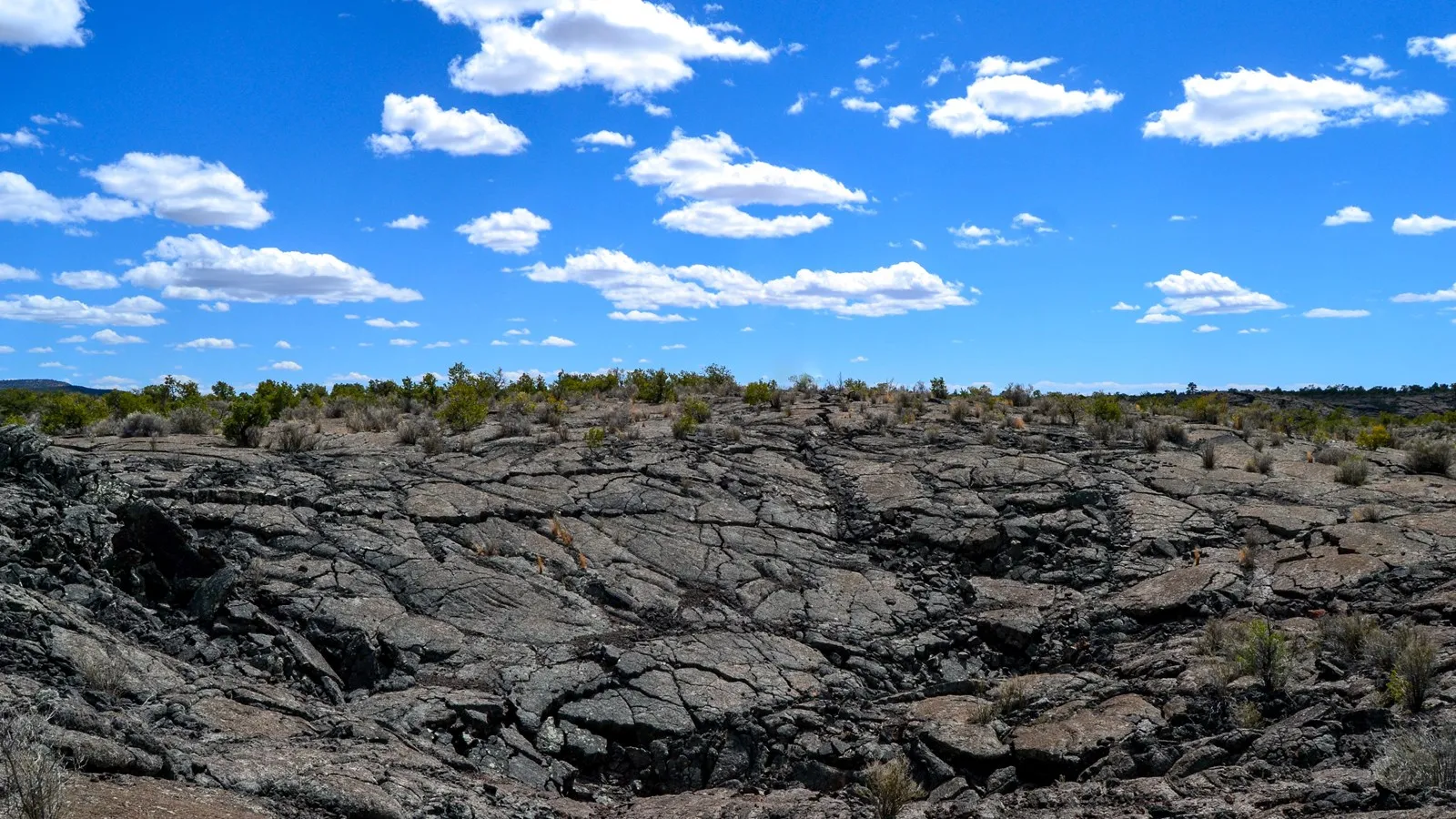
The road to Gila Cliff Dwellings National Monument winds deep into southwestern New Mexico’s mountains before reaching a canyon where people built rooms inside natural caves more than 700 years ago. The journey is part of the experience, but its narrow curves and limited services also make careful planning essential.
The National Park Service interprets the dwellings as the home of people of the Mogollon, or Southern Ancestral Pueblo, culture in the late 1200s. A visit combines a moderately strenuous walk with the responsibility to protect a fragile place. These six considerations can help you make the trip.
1. Allow plenty of time for the mountain drive
From Silver City, the direct route on NM 15 is narrow, mountainous and winding. The NPS says the roughly 46-mile trip can take up to two hours. Passenger vehicles can use it, but the park advises RVs and vehicles pulling trailers not to take that route; consult the official directions for the alternative via NM 35 and NM 152.
Check road conditions and the forecast before departing. Fill up with fuel, carry water and download directions and maps. The park notes that cellular service near the monument is extremely limited, so do not assume a phone will provide navigation or an immediate connection if plans change.
Drive at a safe speed and use legal pullouts to let traffic pass. The distance on a map does not reflect the time needed for switchbacks, wildlife or weather. Start early enough to arrive within trail-entry hours and return without hurrying.
2. Check the trail and visitor-center schedule
The visitor center and dwelling trail have defined operating hours, with a final trail entry and a time by which visitors must be out of the monument. The park closes on Thanksgiving, Christmas and New Year’s Day. Verify the current schedule and alerts before traveling, since hours or access can change.
Stop at the visitor center for orientation and exhibits, then continue to the trailhead by the bookstore. A trail guide can help explain what you see. Ask whether a ranger or volunteer is available to answer questions and check conditions before starting.
The remote setting makes a late arrival especially disappointing. Plan a realistic buffer for the drive, an unhurried walk and the return. New Mexico observes daylight saving time, while much of neighboring Arizona does not; travelers crossing the state line should check the local time.
3. Prepare for the climb
The Cliff Dweller Trail is an unpaved one-mile loop with roughly 180 feet of ascent and descent. The NPS calls it moderately strenuous and recommends allowing one to two hours. Uneven stone steps, rocky ground and changes in elevation make sturdy shoes important.
The trail is not wheelchair or stroller accessible. Contact the park about visitor-center exhibits and other options if the climb is not suitable. Even a fit hiker should move carefully on steps without handrails, take breaks and pay attention to changing weather.
Carry water; the park specifies that food, flavored drinks and gum are not allowed on the dwelling trail. Pets are also prohibited there. Ask about the available trailhead kennels and current rules if traveling with an animal, and never leave a pet in an unattended vehicle.
4. Meet the dwellings with care
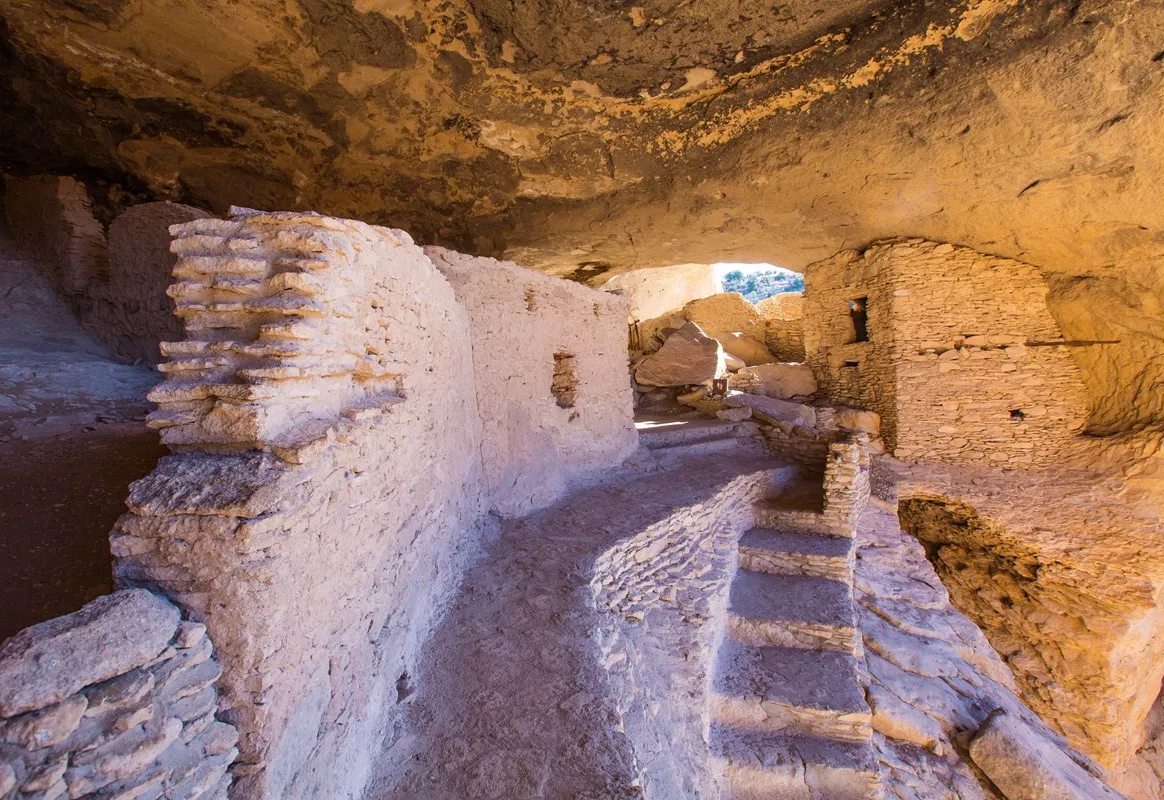
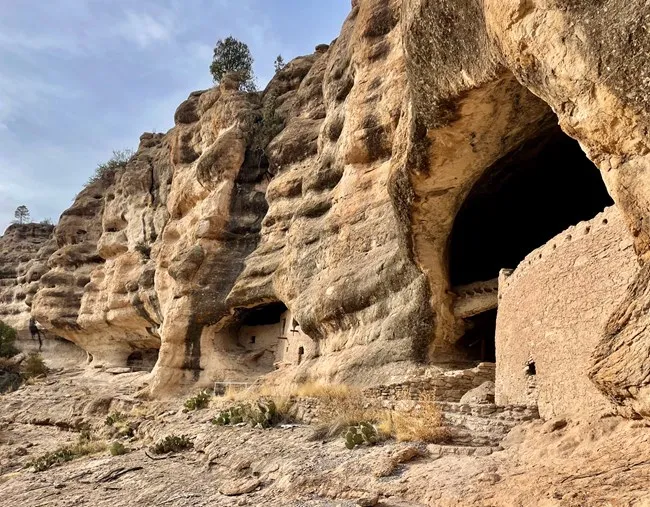
In the late thirteenth century, Mogollon people built rooms inside natural caves along Cliff Dweller Canyon. The NPS says the community occupied the site for one or two generations. The walls and rooms offer evidence of construction, family life and adaptation to the surrounding landscape, while interpretation helps connect them to a wider regional story.
Follow the signed route and enter only areas the park has opened to visitors. Do not touch, climb, sit on or lean against walls; much of the masonry remains original. Do not enter closed rooms or collect pottery fragments, stones or other material, and leave any objects exactly where you find them.
Keep voices considerate and allow others room to listen to rangers and take in the setting. These are ancestral homes, not a playground. A photo or a note in a travel journal can preserve your memory without disturbing the site.
5. Plan around the season
Summer afternoons can bring intense heat and monsoon thunderstorms, with lightning and sudden flooding. The park recommends early hiking, sun protection and at least a liter of water per person in hot weather. If thunder or lightning threatens, seek shelter in a vehicle or building and follow ranger direction.
Winter mornings can be below freezing, and snow or ice can make the trail slick. Dress in layers, use footwear with traction and check whether conditions require a change of plan. Mountain weather can shift quickly even when the forecast in Silver City seems mild.
Watch wildlife from a distance and give rattlesnakes room. Stay on the trail, supervise children and turn around if the route becomes unsafe. Reaching the dwellings is rewarding only if the group can also descend and return safely.
6. Leave time for the wider Gila region
The monument is surrounded by the Gila National Forest and the Gila Wilderness, with other trails and historic places managed under different rules. Ask a ranger about current road and trail access before adding a side trip. The nearby Trail to the Past and West Fork Ruins are interpreted by the park as additional opportunities to learn about the area’s history.
Longer wilderness hikes require separate preparation, including maps, water planning and current fire and weather information. Do not assume cell service or a bridge at a stream crossing. Check the Forest Service for current conditions and regulations.
Pack out litter and protect cultural sites wherever you travel. A slower schedule gives this remote landscape the attention it deserves and leaves time for the mountain road home.