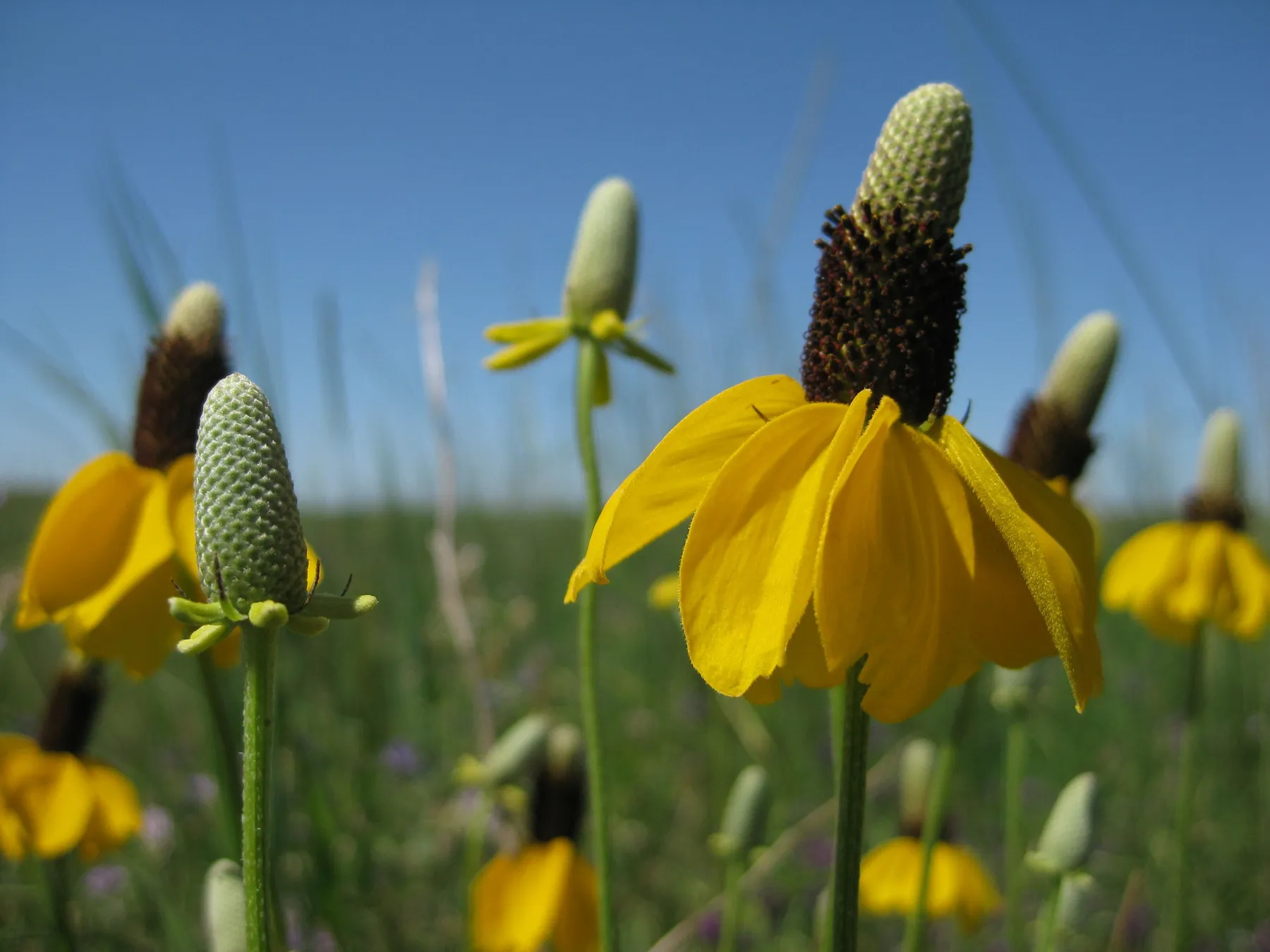
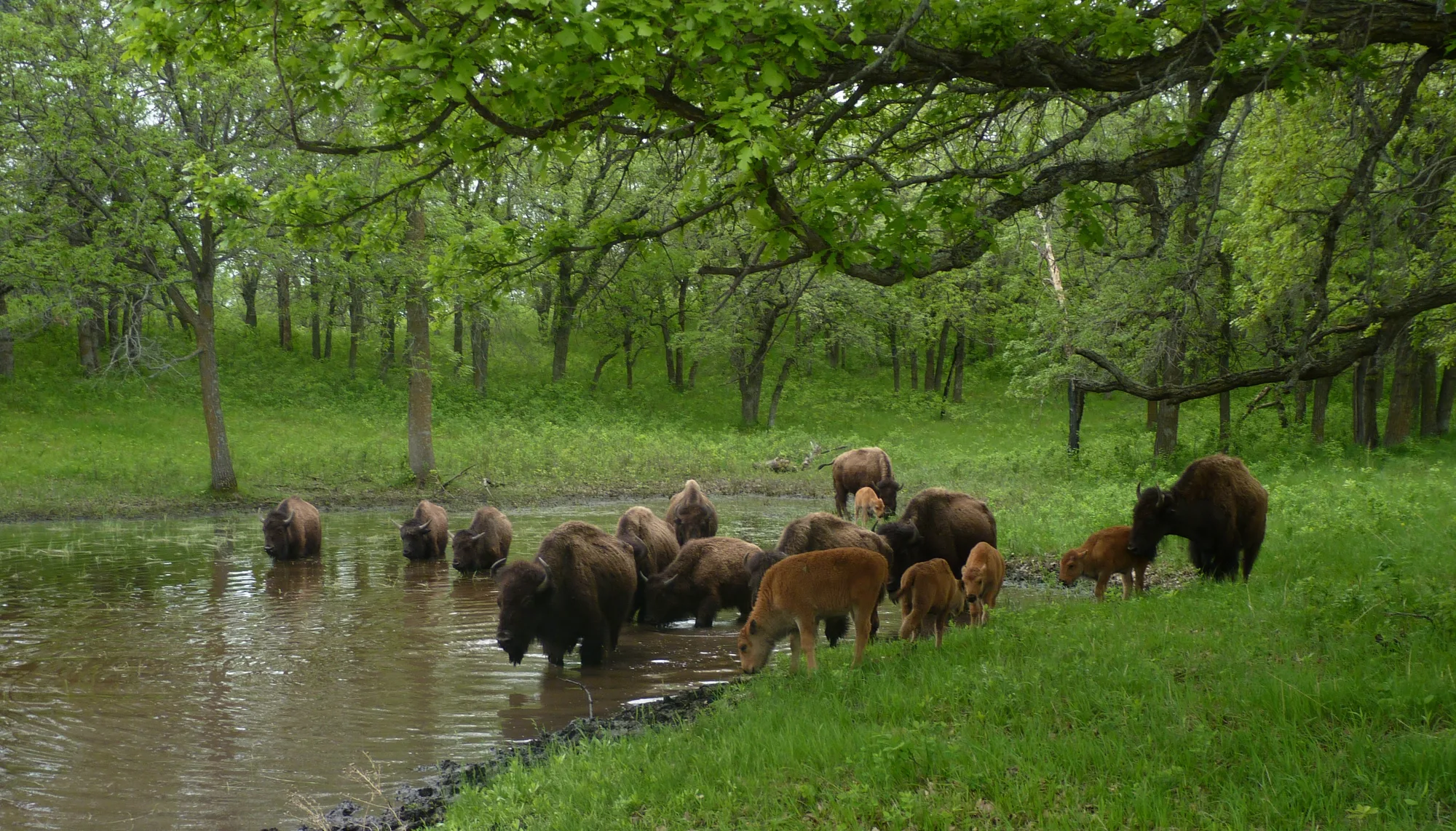
At Audubon National Wildlife Refuge, prairie grasslands meet wetlands and the south shore of Lake Audubon. A self-guided drive and a trail near the visitor center make it possible to explore the landscape without needing a long backcountry hike.
The refuge, near Coleharbor in central North Dakota, is managed for wildlife as well as visitors. Bring binoculars, a little patience and a willingness to slow down. These six ideas can help you plan a visit that respects the habitat and makes the most of the conditions you find.
1. Begin with the visitor center
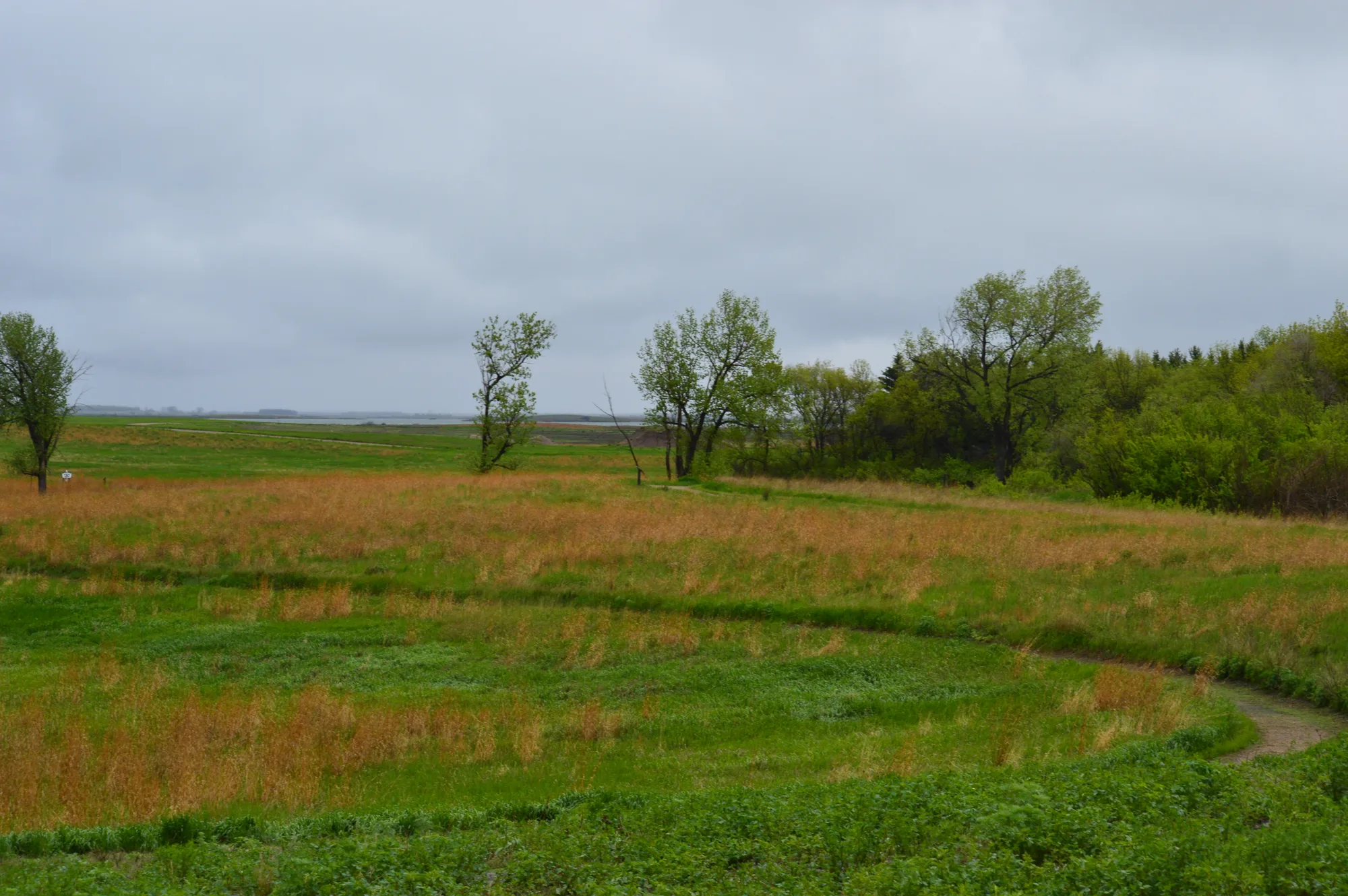
The U.S. Fish and Wildlife Service describes the visitor center as fully accessible and lists exhibits about prairie wetlands, grasslands, migratory birds, nighttime wildlife and refuge history. It is a useful place to get oriented before choosing a trail or a drive.
The center is generally open weekdays, with federal holiday exceptions and possible early closures. Its hours are not necessarily the same as access to the surrounding refuge. Check the current schedule before leaving, particularly if you need a map, restroom or information from staff.
Ask about recent wildlife observations, road conditions and any seasonal restrictions. Staff can help you understand where visitors may go and which parts of the refuge are managed primarily for wildlife. A good first question is not simply what has been seen, but how to observe it without causing disturbance.
2. Follow the gravel auto tour
A self-guided gravel route begins near the visitor center and follows the south side of Lake Audubon. The refuge describes a drive of roughly eight miles through views of the lake, wetlands and grassland. A brochure interprets points along the route.
Allow more time than the distance alone suggests. Drive slowly, watch for wildlife crossing the road and stop only where it is safe and permitted. The car can serve as a quiet observation spot, especially if you turn off the engine at a designated pullout and listen for birds.
Gravel conditions can change after rain, snow or maintenance. Consult the refuge before driving if you are concerned about the surface or are visiting in winter. Carry drinking water, make sure you have enough fuel and do not rely on being able to improvise a route through closed areas.
3. Walk the Prairie Nature Trail
The refuge describes a one-mile self-guided trail beginning near the visitor center. It includes a half-mile concrete loop and a half-mile gravel extension, giving visitors options for a shorter or longer walk.
The route passes grassland, planted trees and wetland areas. Look for changes in vegetation as the ground rises or becomes wetter. The concrete and gravel sections offer different surfaces, so choose the portion that suits your group and ask staff about current accessibility or weather-related conditions.
Motorized vehicles are not allowed on the trail. Wear shoes appropriate for the season, carry water and give other visitors room to pass. A slow walk with pauses to listen can be just as rewarding as covering every available foot of the route.
4. Look for birds through the seasons
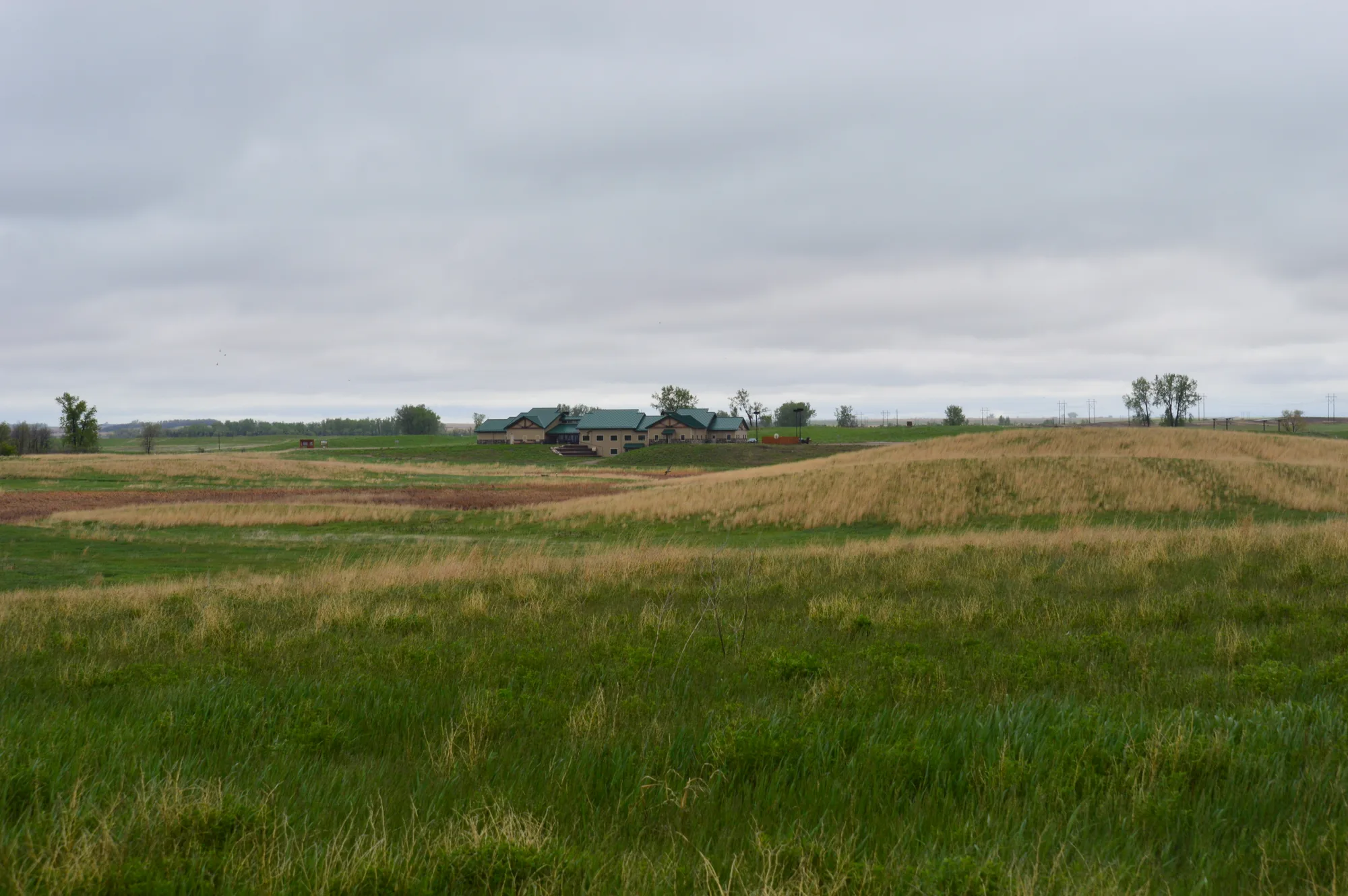
Audubon is a place to observe wildlife, not a place where a particular sighting can be promised. The refuge identifies spring and fall migration as especially good times to look for concentrations of birds on Lake Audubon and nearby wetlands. Other seasons reveal different behaviors and landscapes.
Bring binoculars or a longer camera lens and observe from a respectful distance. If an animal changes its behavior because of your approach, give it more space. Avoid feeding wildlife, calling birds in or stepping into closed habitat for a better view.
Beginners can start by noticing shapes, movement and sounds rather than trying to name every species. A local field guide or a conversation with refuge staff can turn an ordinary-looking patch of grass or water into a richer experience.
5. Notice how wetlands and prairie work together
From the trail or auto route, compare open water with the surrounding grasses and low areas. Prairie wetlands can change dramatically as water levels and seasons shift. What looks quiet on one visit may support very different plants and animals later in the year.
The visitor center's exhibits help explain why these habitats matter. Interpretive signs along the drive provide additional context for the landscape. Allow time to read them rather than treating the route solely as a search for the largest or rarest animal.
Stay on open roads and trails, leave plants and other natural objects in place, and carry out all trash. Refuge rules exist to protect the habitat that brings visitors here in the first place.
6. Prepare for a North Dakota day outdoors
Weather can change quickly on the open prairie. Summer calls for water and sun protection; wind, rain, cold or snow may require a different plan. Check the forecast and current refuge information, and wear layers that can be adjusted as conditions change.
If your visit includes hunting, fishing or another regulated activity, consult the refuge's current rules and North Dakota requirements before arriving. Some activities are allowed only in specified places or seasons. Do not assume that access to a road or trail grants access to every surrounding field or wetland.
Leave time for a quiet stop
Audubon National Wildlife Refuge is reached from U.S. Highway 83 north of Coleharbor, with the visitor center east of the highway. Confirm directions and hours on the Fish and Wildlife Service site before leaving.
A comfortable first visit could combine the visitor-center exhibits, a short walk and part or all of the auto tour. The reward is a closer understanding of North Dakota's prairie and wetland landscape, even on a day when the wildlife stays mostly out of sight.