North Dakota's prairie wetlands can be easy to overlook from a fast-moving highway. On a wildlife-refuge auto tour, a gravel or paved road becomes an invitation to slow down and notice the water, grasslands and birds that make the region distinctive.
These four routes offer different experiences, from prairie potholes to a large-animal enclosure. They are spread across the state and several operate seasonally. Check current access with the managing refuge before driving, and remember that wildlife sightings depend on weather, season and luck.
1. Lostwood: Rolling prairie and seasonal wetlands
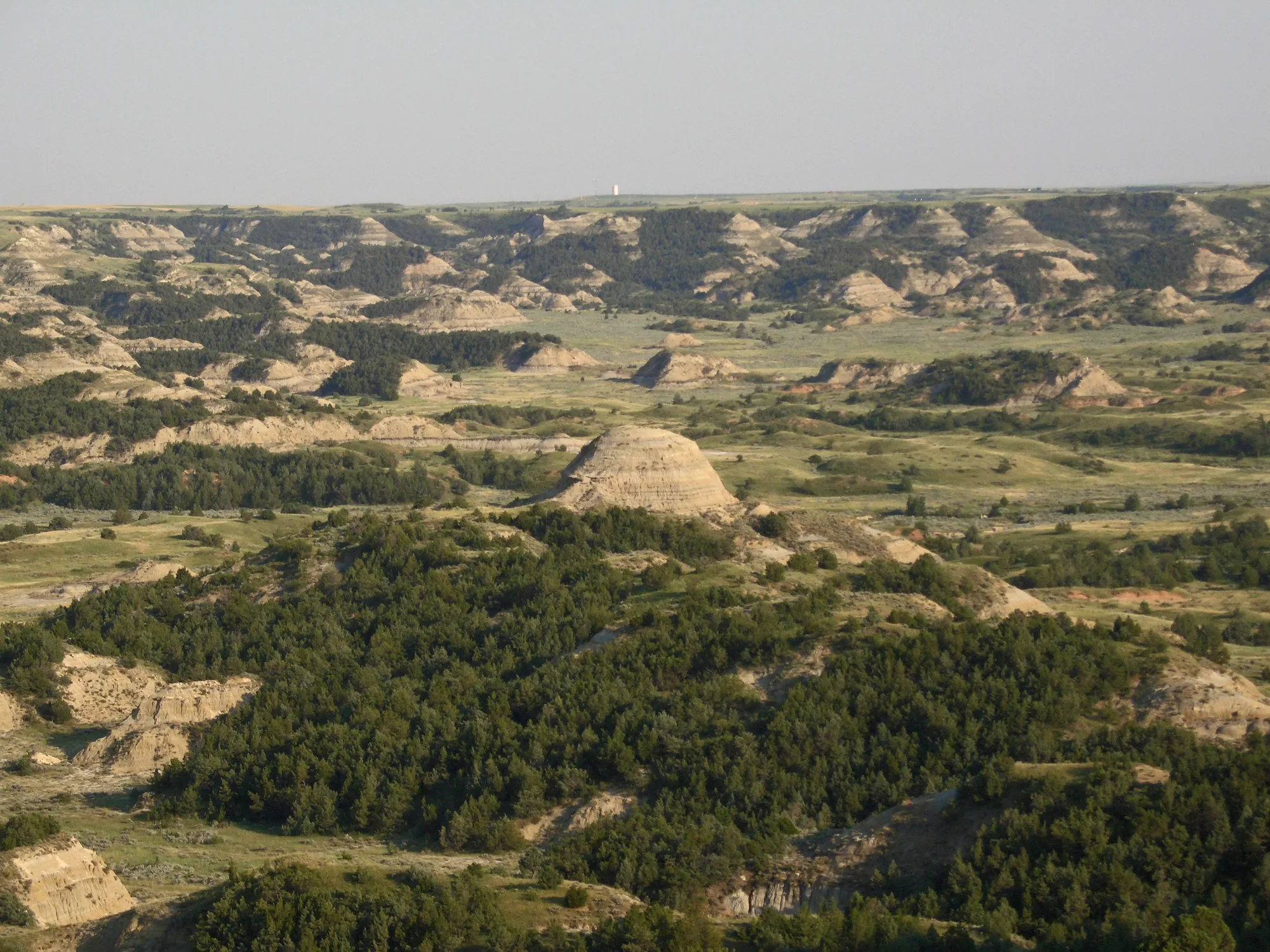
Lostwood National Wildlife Refuge protects a large tract of northern mixed-grass prairie in northwestern North Dakota. Its seven-mile self-guided auto route passes rolling grassland and wetlands characteristic of the Missouri Coteau.
The U.S. Fish and Wildlife Service says the route is typically open from early May through early September, with dates varying according to weather, road and management conditions. Contact refuge headquarters for current access rather than assuming that a sunny day means the road is open.
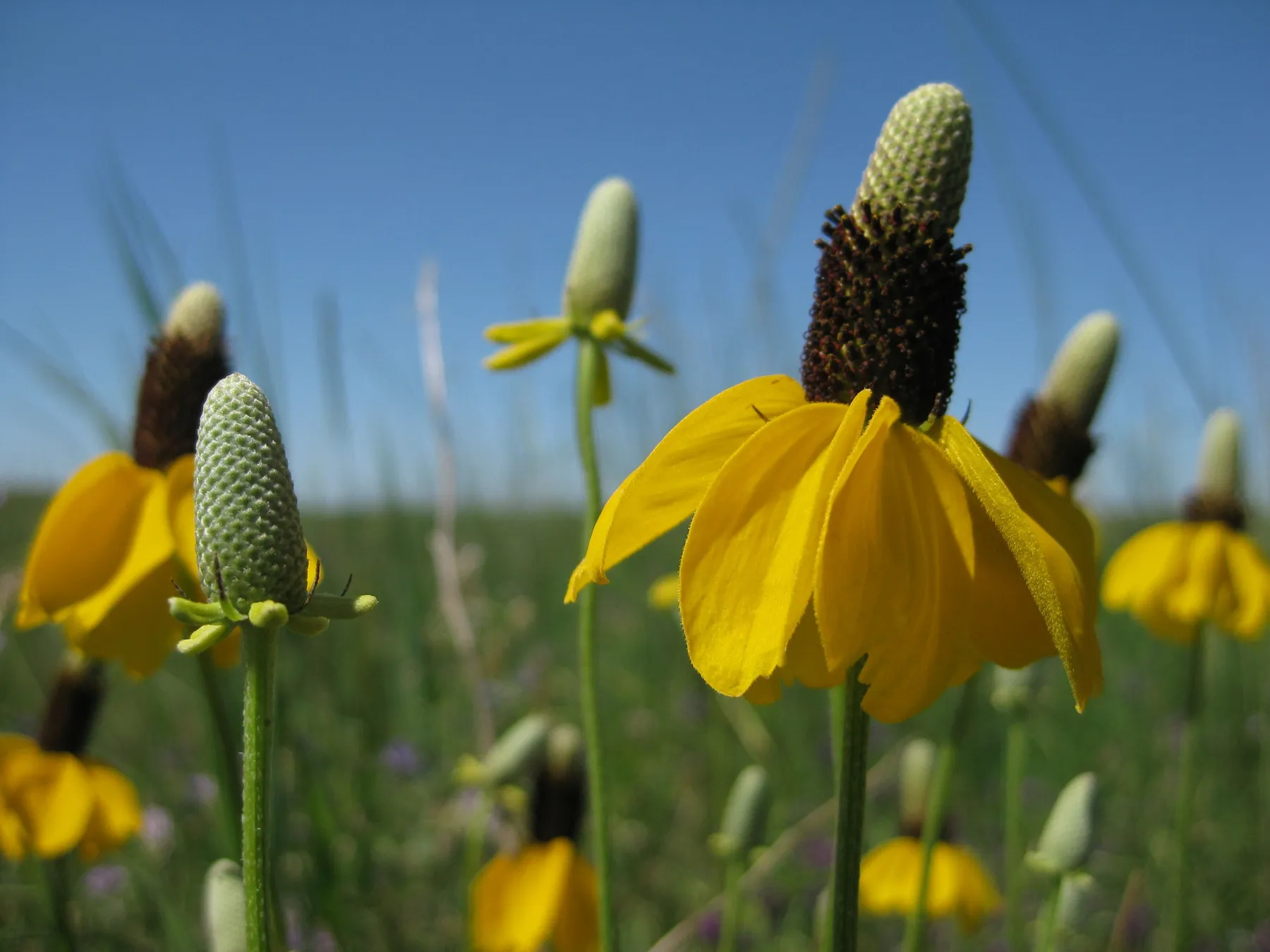
Use designated pullouts to stop safely and watch for movement along wetland edges or in the grass. A bird guide and binoculars are useful, but so is patience. Prairie flowers, changing clouds and the shape of the glacial landscape make the drive worthwhile even when animals remain hidden.
The refuge also lists a longer Prairie Trail with its own seasonal dates. A 7.5-mile loop is a separate commitment from the drive: check access, surface and weather, and carry water before heading out on foot.
2. Audubon: Lake views near Coleharbor
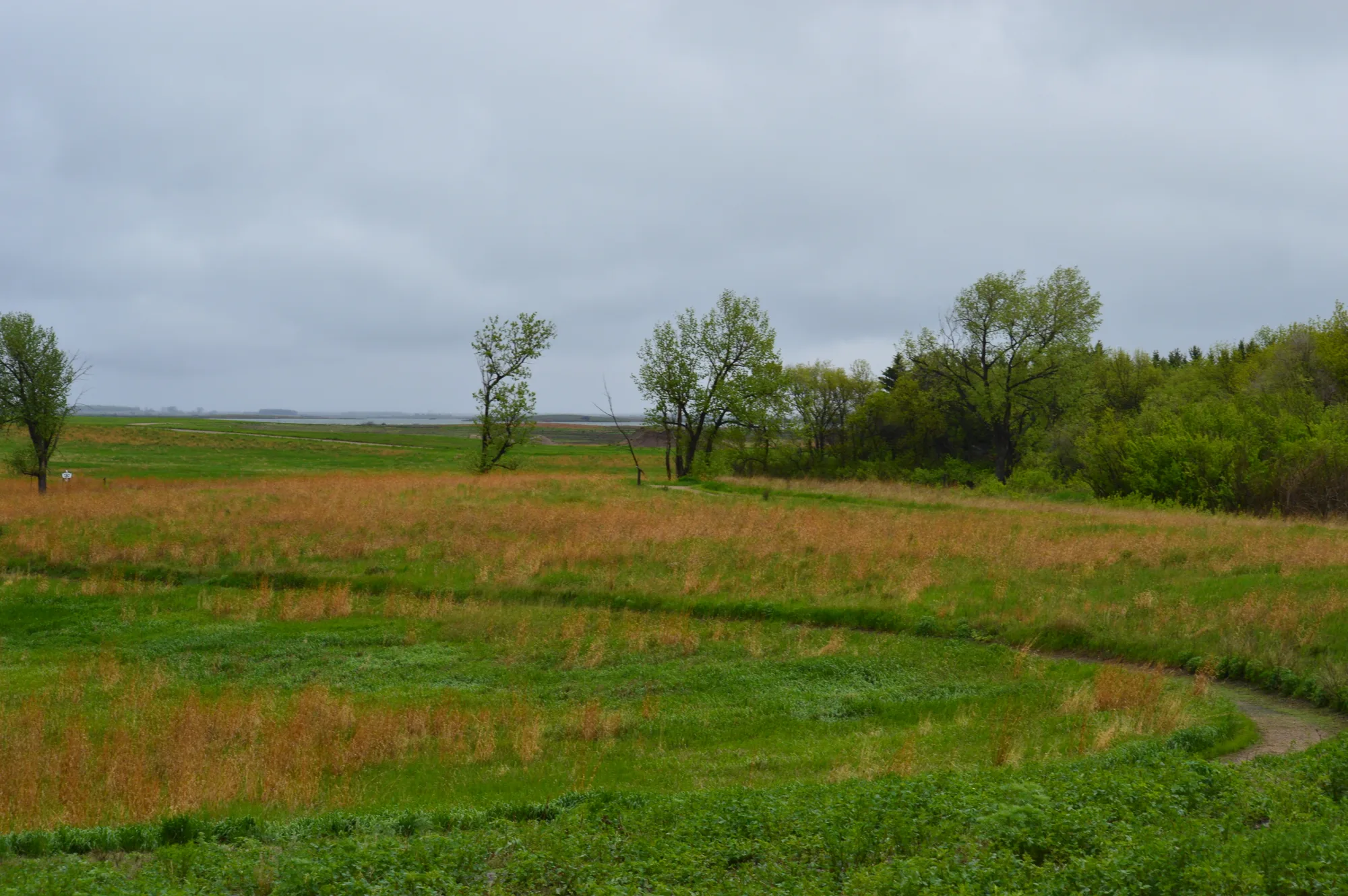
Audubon National Wildlife Refuge offers a gravel auto route of roughly eight miles along the south side of Lake Audubon. Wetlands and grasslands provide changing habitat along the drive, while spring and fall migration can bring concentrations of birds to the lake and nearby areas.
The visitor center has exhibits about the refuge and its habitats. Check its weekday and holiday schedule before relying on it for maps or staff assistance. A self-guided Prairie Nature Trail nearby includes a concrete loop and a gravel extension, giving visitors an option to combine a short walk with the drive.
Drive slowly, pull aside only where permitted and use binoculars rather than approaching wildlife. If an animal moves away or changes its behavior because of your presence, increase the distance. A vehicle can provide a quiet viewing blind when used respectfully.
3. Tewaukon: Wetlands in the southeast
Tewaukon National Wildlife Refuge's Prairie Lake auto tour passes a mix of shallow wetlands, deeper water and grassland. The Fish and Wildlife Service explains that different habitats support different wildlife through the year: seasonal wetlands can be valuable to migrating waterfowl, while larger water bodies and vegetation provide other feeding and nesting areas.
The refuge lists the route as open from May 1 through September 30. The gravel surface may be soft or slippery early in spring or after hard rain, so check conditions before leaving. Seasonal schedules and temporary restrictions can change for management or weather.
Give yourself time to compare the habitats instead of focusing only on a checklist of species. Look from approved roads and pullouts, and stay out of posted closed areas. Do not disturb nesting birds or leave trash behind.
4. White Horse Hill: A vehicle-only large-animal area
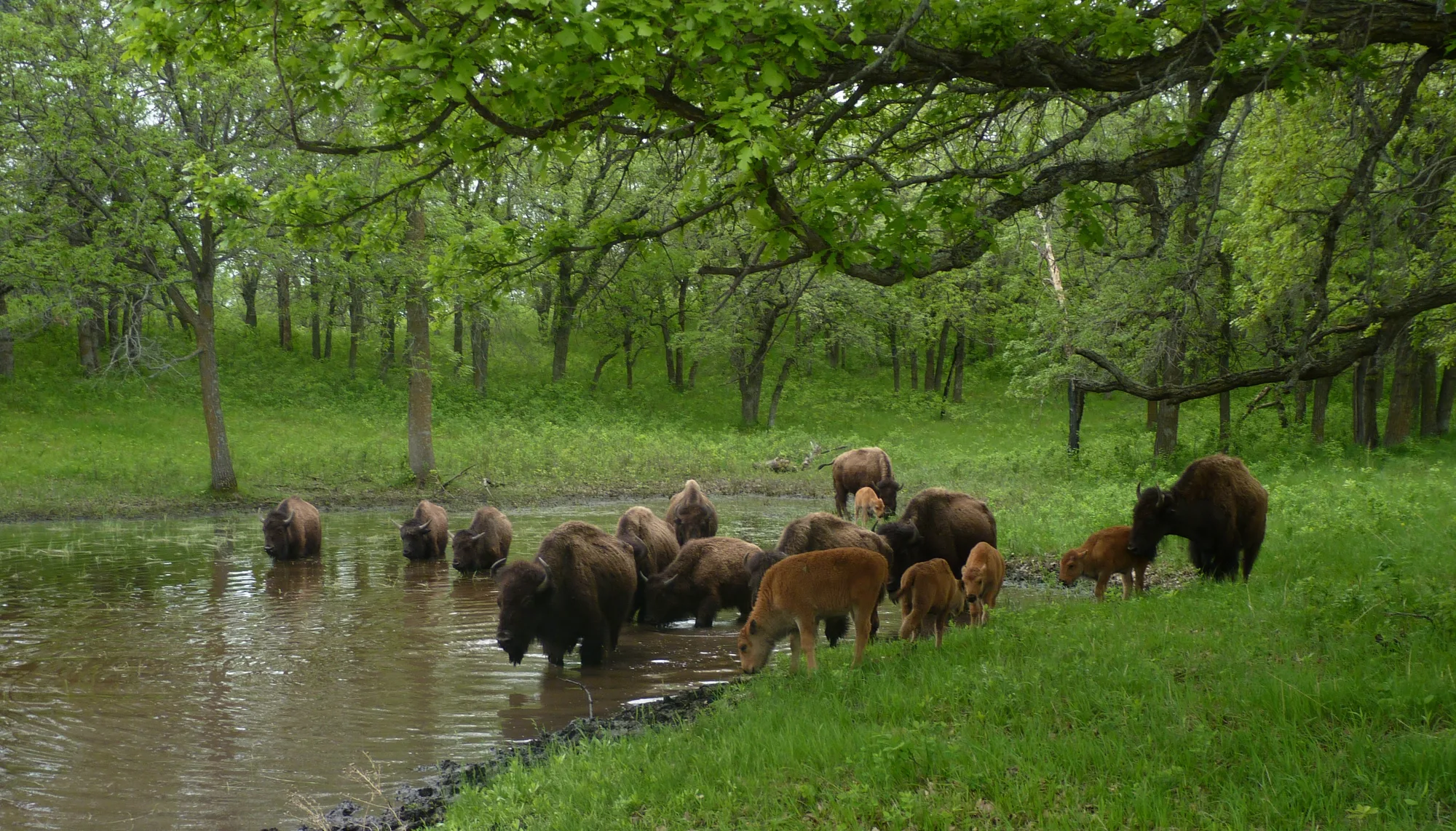
Near Devils Lake, White Horse Hill National Game Preserve provides a different kind of drive. Visitors entering the large-animal enclosure may see bison, elk or deer, but the Fish and Wildlife Service requires them to remain in their vehicles except in designated observation areas.
The wildlife-drive section beyond the visitor-center parking area generally operates seasonally, from around the second Saturday in May through the second week of October. Check the current schedule before traveling. The preserve notes that its entrance gate can close before sunset to allow visitors time to leave.
Do not feed or approach animals, and be prepared to wait if wildlife is near the road. The preserve also has designated walking areas outside the enclosure, including an overlook and a short route near a prairie dog town. Follow signs closely so you understand where leaving the vehicle is permitted.
White Horse Hill's name was restored at the request of the Spirit Lake Tribe. Take time to learn about the Dakota history of the place as well as its wildlife and conservation story.
How to prepare for any refuge drive
Refuges are managed primarily for wildlife and habitat. Roads, viewing areas and trails may close for nesting, seasonal management, hunting, weather or maintenance. Check each refuge's current map and rules before traveling, especially if you are bringing a dog or plan to do more than drive.
Carry drinking water, fuel and clothing for changing conditions. A paper or downloaded map can help where cell service is limited. On gravel, reduce speed and leave extra distance behind other vehicles; do not block narrow roads while watching an animal.
Use a longer lens or binoculars, never feed wildlife and leave plants, rocks and cultural objects in place. Early and late daylight can be pleasant for observation, but always stay within posted hours and allow time to leave before gates close.
Choose one route and linger
These refuges are not a single-day loop. Choose a region, confirm seasonal access and leave room for unplanned stops at designated overlooks. The most memorable moment might be a distant bird, a patch of wildflowers or the changing light over a wetland.
Whether you are a first-time birder or simply curious about the prairie, a slower drive reveals a North Dakota landscape that rewards attention in every season.