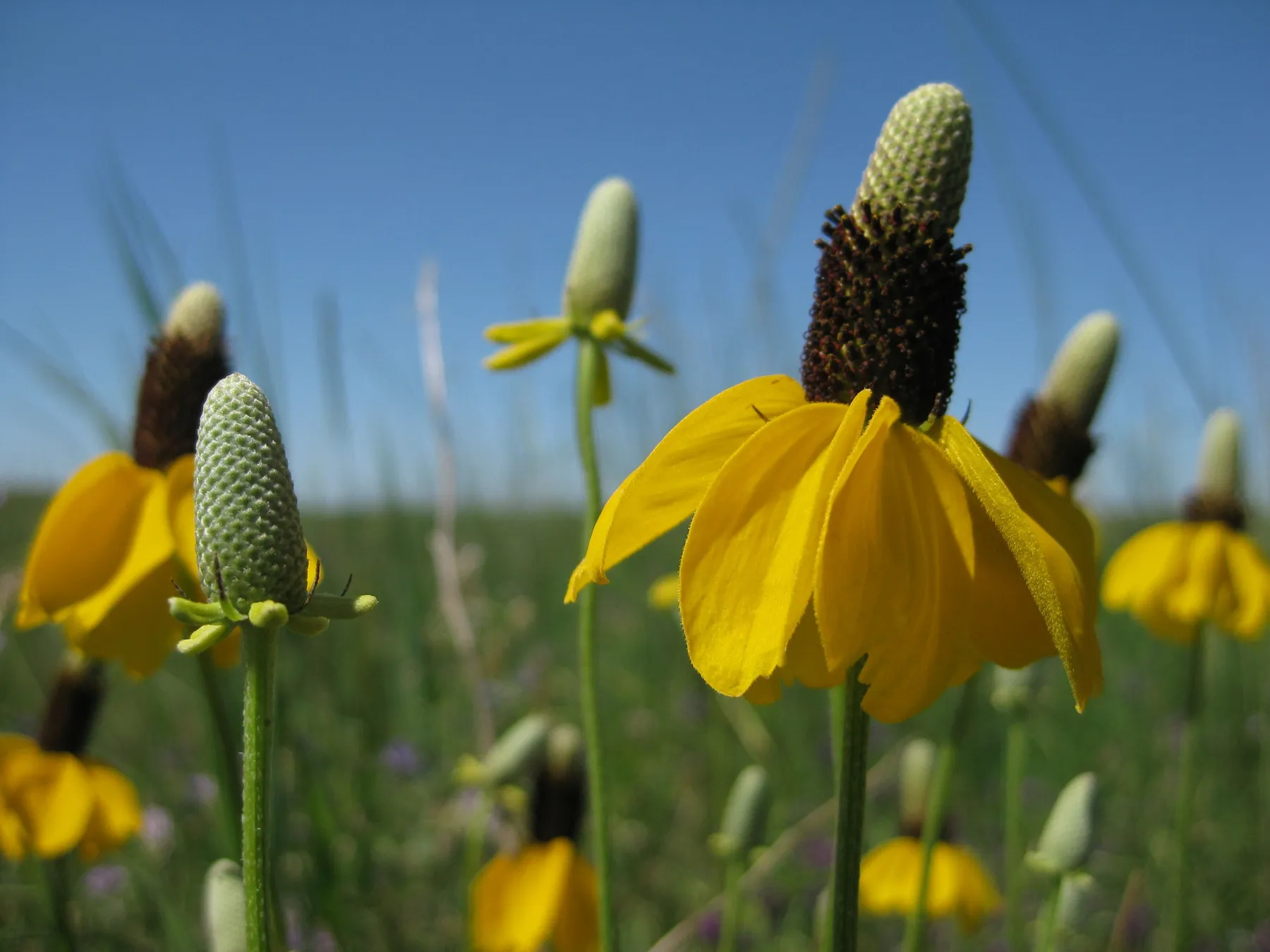
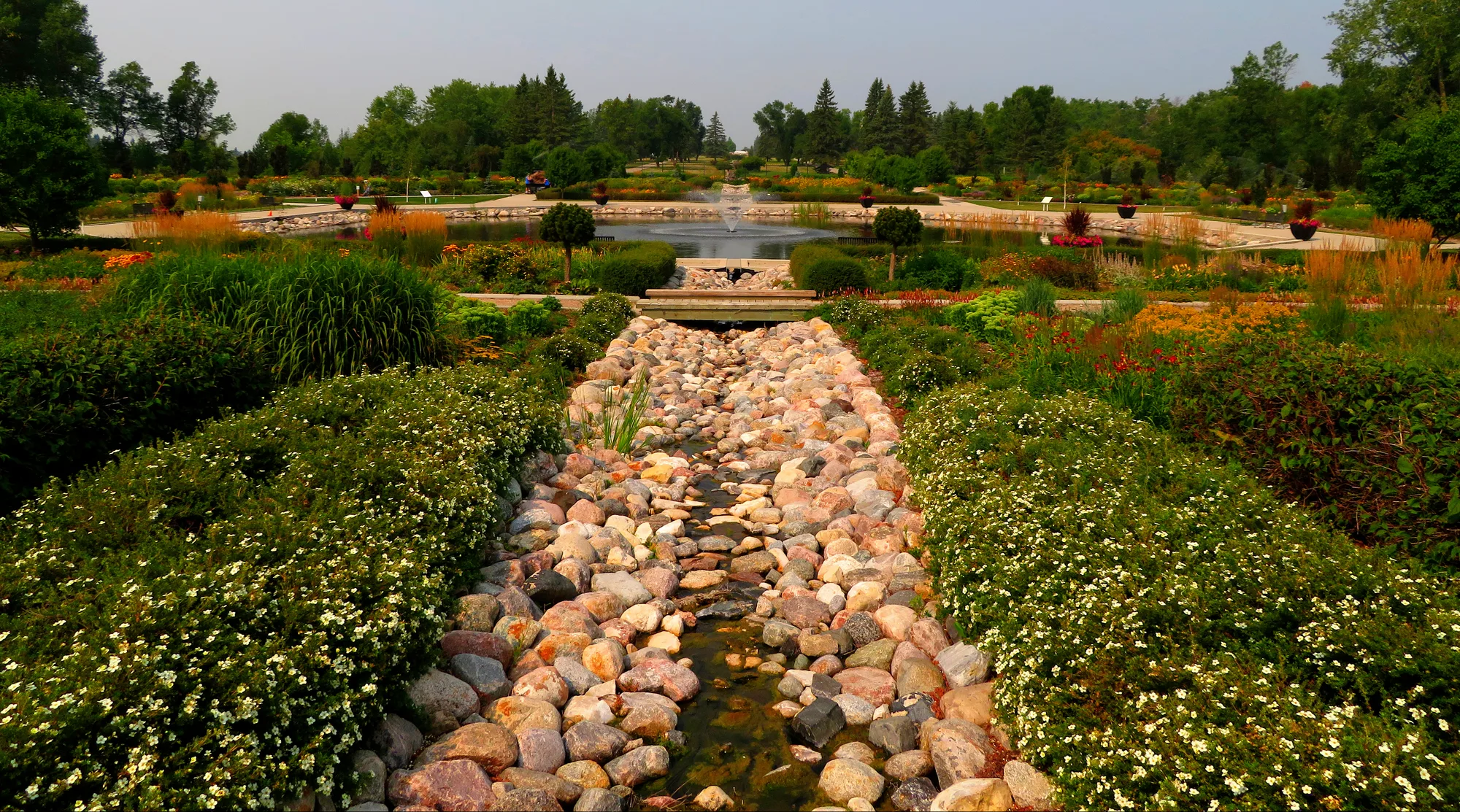
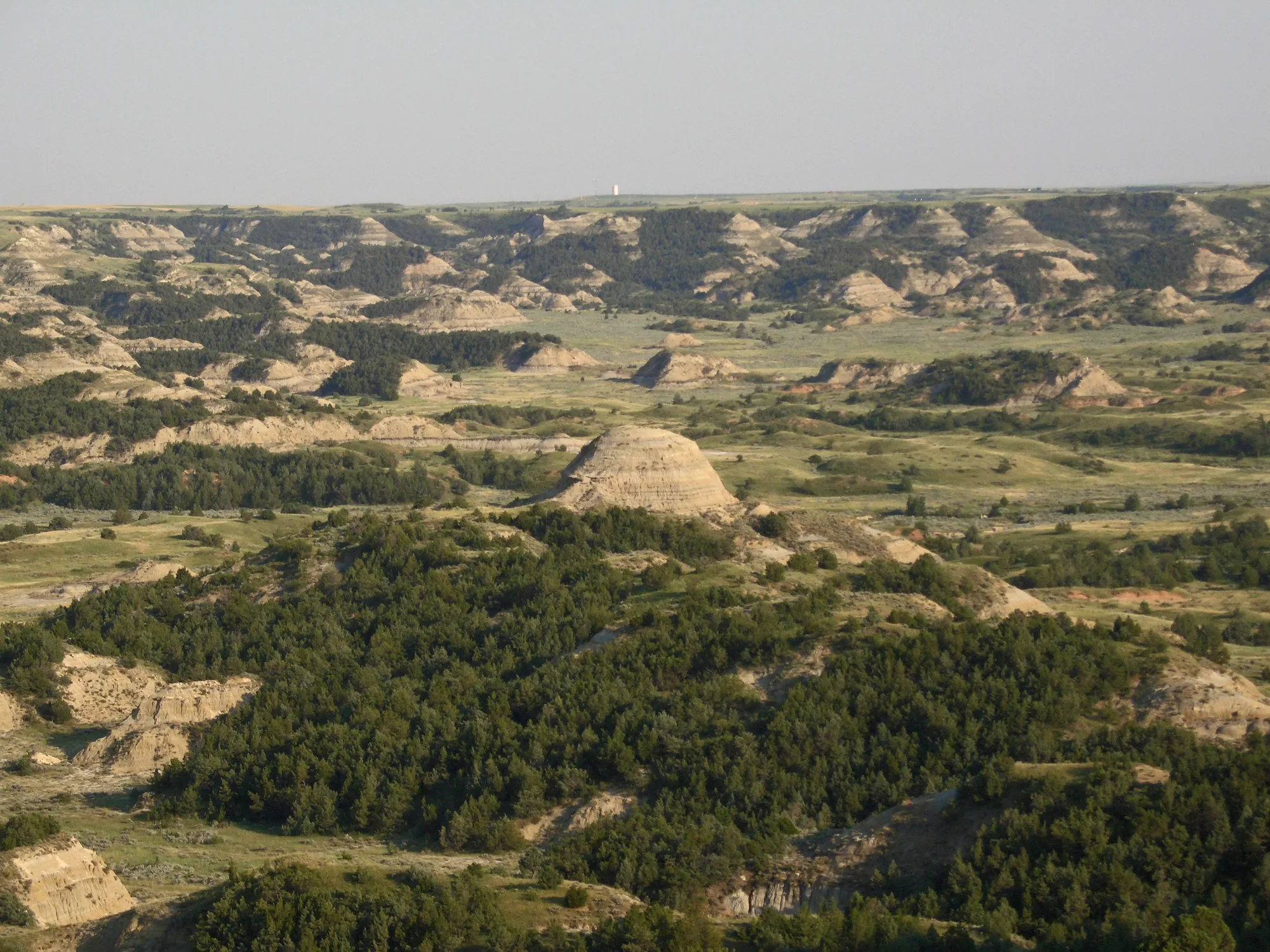
At White Horse Hill National Game Preserve, a drive through woodland and prairie offers a chance to see bison, elk, deer and smaller animals near North Dakota's Devils Lake. A viewpoint and trails outside the large-animal enclosure add other ways to experience the landscape.
The preserve is a place to observe wildlife carefully, not a guarantee that a particular animal will appear. Its rules are also specific: visitors must remain in their vehicles in the bison enclosure except where designated observation areas permit otherwise. These six ideas can help you plan a safe and rewarding trip.
1. Understand the preserve's name and history
White Horse Hill has a long relationship with the Spirit Lake Dakota people. The U.S. Fish and Wildlife Service explains that Congress changed the preserve's name to White Horse Hill at the request of the Spirit Lake Tribe. The Dakota name is Sunka Wakan Ska Paha.
Before focusing on the wildlife drive, take a moment to learn about that name and the people who advocated for it. The Fish and Wildlife Service has published the story of Dakota elder Demus McDonald and his effort to ensure that future generations knew more about the area's history.
The preserve was established in 1904 and later became part of the National Wildlife Refuge System. Its history includes conservation and changing public use, but the cultural story of the region is much older than the preserve itself.
2. Drive through the large-animal enclosure
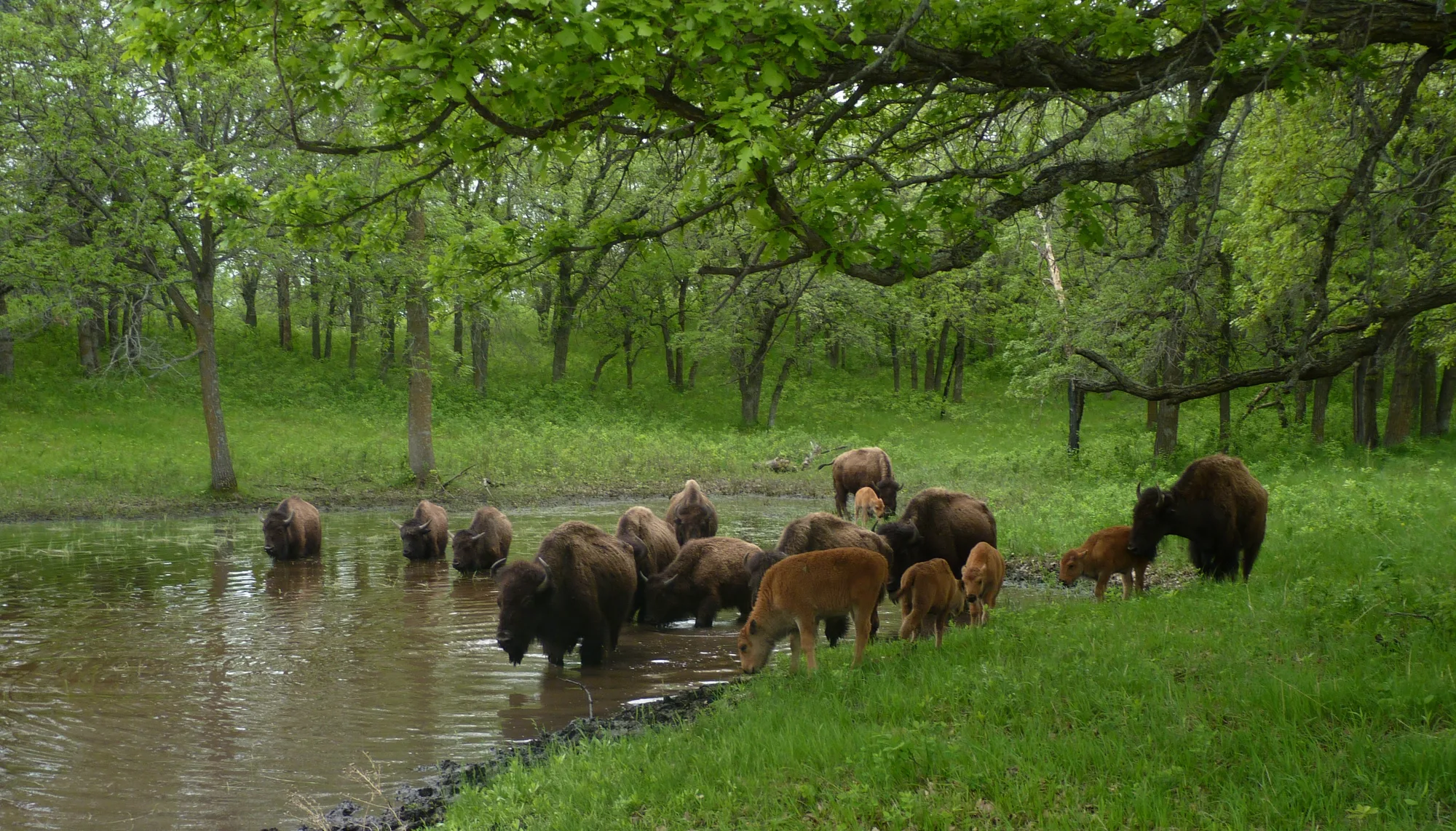
The refuge's wildlife drive begins at the entrance from North Dakota Highway 57. Once through the entrance gate, visitors are in a large-animal enclosure where bison, elk and deer are present. The Fish and Wildlife Service instructs visitors to remain in their vehicles except at designated observation areas.
Drive slowly and use the car as a viewing blind. If animals are close to the road, wait patiently and do not try to approach on foot. Never feed wildlife or use food to attract an animal to a vehicle. A telephoto lens or binoculars can offer a closer look while keeping both people and animals safer.
The full wildlife-drive section beyond the visitor-center parking area operates seasonally. The refuge says it generally opens around the second Saturday in May and closes after the second week of October, but visitors should check current access before traveling. Weather and management needs can change a schedule.
3. Look for bison without expecting a show
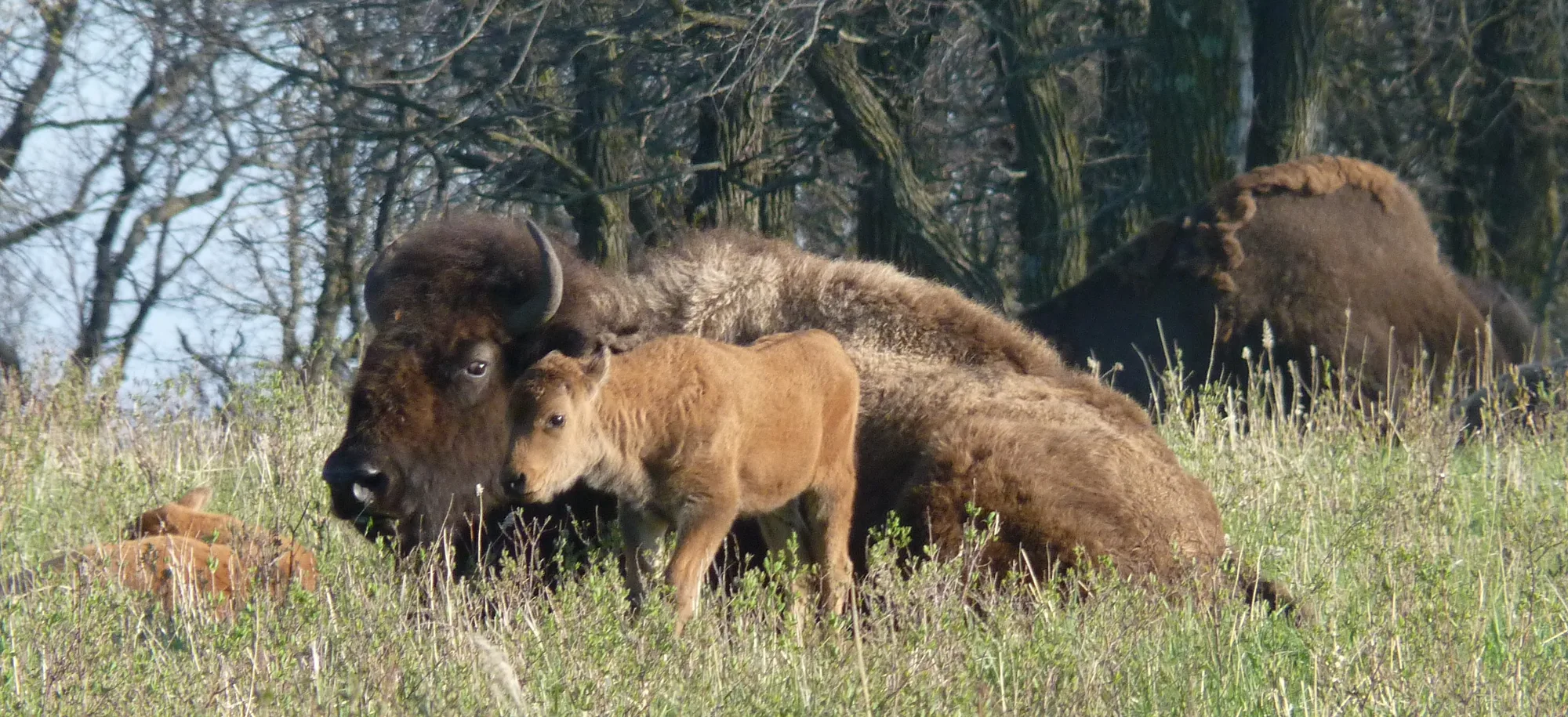
White Horse Hill manages a bison herd, and a sighting can be memorable. Animals may be resting among trees, moving across grassland or simply out of view. The photographs shown here were taken at the preserve, but they do not predict what you will see on a particular day.
Keep windows and vehicle doors managed safely around large animals, follow posted speed limits and never place yourself between an adult and a calf. The refuge directs visitors to use their vehicle for wildlife viewing in the enclosure. If a bison is beside the road, give it room and follow any instructions from staff.
Watching behavior from a distance is often more interesting than trying to get closer. Notice how animals move, rest or use the habitat, and leave enough time for them to go about their day undisturbed.
4. Visit the overlook and designated walking areas
The refuge identifies a White Horse Hill overlook outside the large-animal enclosure where visitors may leave their vehicles. A stairway trail climbs toward the top of the hill. Ask about current surface and weather conditions before starting, and choose a route that suits everyone's mobility and comfort.
A short trail near the visitor center also provides a view into a prairie dog town. The refuge asks visitors not to feed prairie dogs because human food can harm them. Observe from designated areas and give the animals space to retreat into their burrows.
Walking is permitted only on designated trails, and foot travel is not allowed in the large-animal enclosure. Read the signs as you move between areas; the difference between a safe pedestrian route and a vehicle-only wildlife area matters here.
5. Use the visitor center to learn about the habitat
White Horse Hill protects a mix of woodlands, prairie and wetlands. The visitor and education center offers a place to learn about that variety and the conservation work behind the landscape. Its public hours are seasonal, with occasional openings outside the summer, so check before relying on the building being open.
Ask staff about current trails, animal viewing, accessibility and any temporary closures. The preserve's habitats support many species beyond the large mammals that draw most visitors. A quiet walk in an open, designated area can reveal birds, insects and plants that are easy to miss from a moving car.
Do not collect plants, rocks, antlers or artifacts. The refuge's rules protect natural and cultural resources, and visitors are expected to pack out their trash.
6. Plan for gates, weather and limited services
The Fish and Wildlife Service lists preserve hours as generally 8 a.m. to sunset and says the entrance gate may close up to half an hour before sunset. Check the latest hours and give yourself enough time to complete the drive and leave without rushing.
North Dakota weather can change quickly. Bring drinking water and appropriate layers, and check road conditions after snow, rain or storms. Camping and overnight parking are not allowed on the preserve, and swimming, public fishing and hunting are prohibited under the refuge's published rules.
If traveling with a dog, review the current rules for leashes and designated trails before leaving. Bicycling and off-road vehicles are not permitted. The visitor center and restrooms may have seasonal schedules, so plan accordingly.
Let the preserve set the pace
White Horse Hill is near St. Michael, on the south side of Devils Lake. Confirm current directions, alerts and seasonal wildlife-drive access with the Fish and Wildlife Service before traveling.
A patient drive, a stop at an approved overlook and time to learn about the Dakota history of the place can make a meaningful outing, whether the bison are close to the road or remain hidden among the trees.