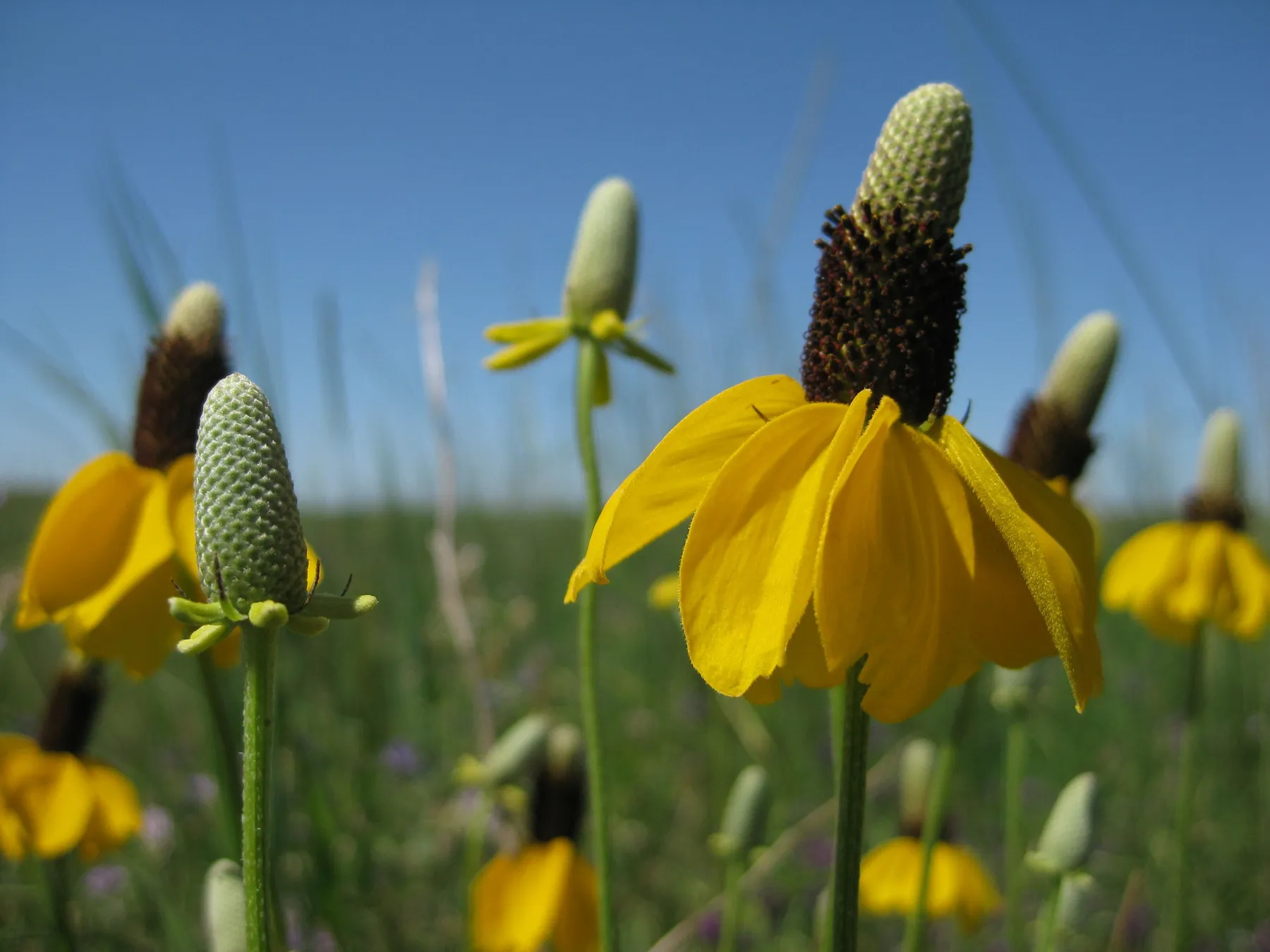
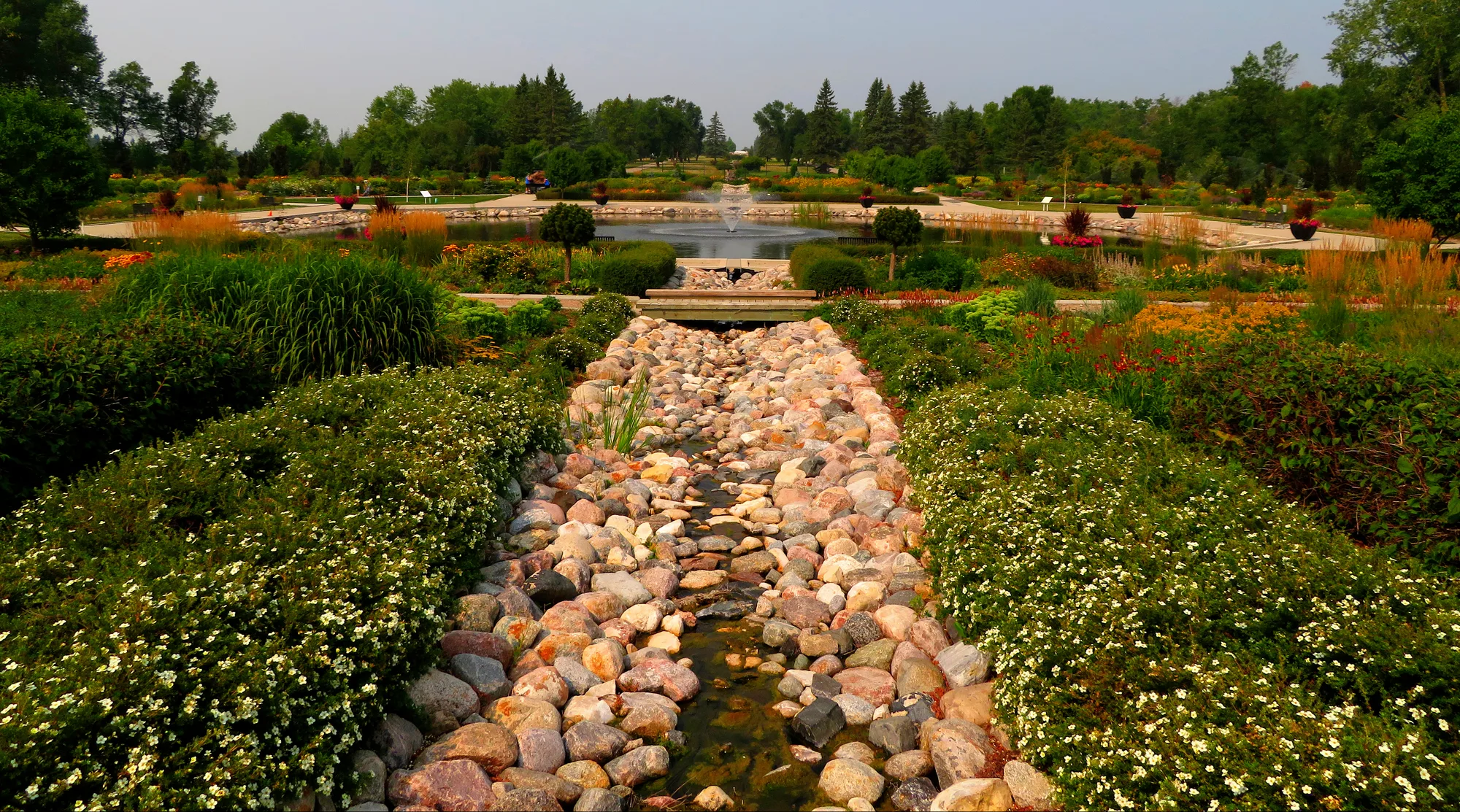
The North Dakota Badlands reveal themselves in layers: pale clay and sandstone, dark seams, grassy ridges and the winding Little Missouri River. Theodore Roosevelt National Park's South Unit makes an inviting first introduction, with a scenic road, overlooks and short walks close to Medora.
A first visit is more rewarding when you leave time to stop and look, rather than trying to fit the entire park into a drive-by. These six ideas cover the South Unit and nearby Painted Canyon, with practical details for a landscape where weather, wildlife and road conditions can change quickly.
1. Begin at the South Unit Visitor Center
The South Unit entrance and visitor center are in Medora, just off Interstate 94. Rangers can help with a park map, current road status and trail conditions before you start. The park is divided into separate South, North and Elkhorn Ranch units; they are not adjoining neighborhoods of one compact park.
Before leaving the visitor center, ask what is open that day and how long to allow for the stops you want. The National Park Service recommends at least two hours for the South Unit scenic drive, but photography, walks and wildlife viewing can easily extend the outing.
Medora has lodging, food, fuel and other visitor services, though options can be limited in winter. There are no restaurants or lodging within the park itself. Fill the tank and bring water and snacks before heading out, especially outside the main travel season.
2. Take the scenic drive at overlook speed
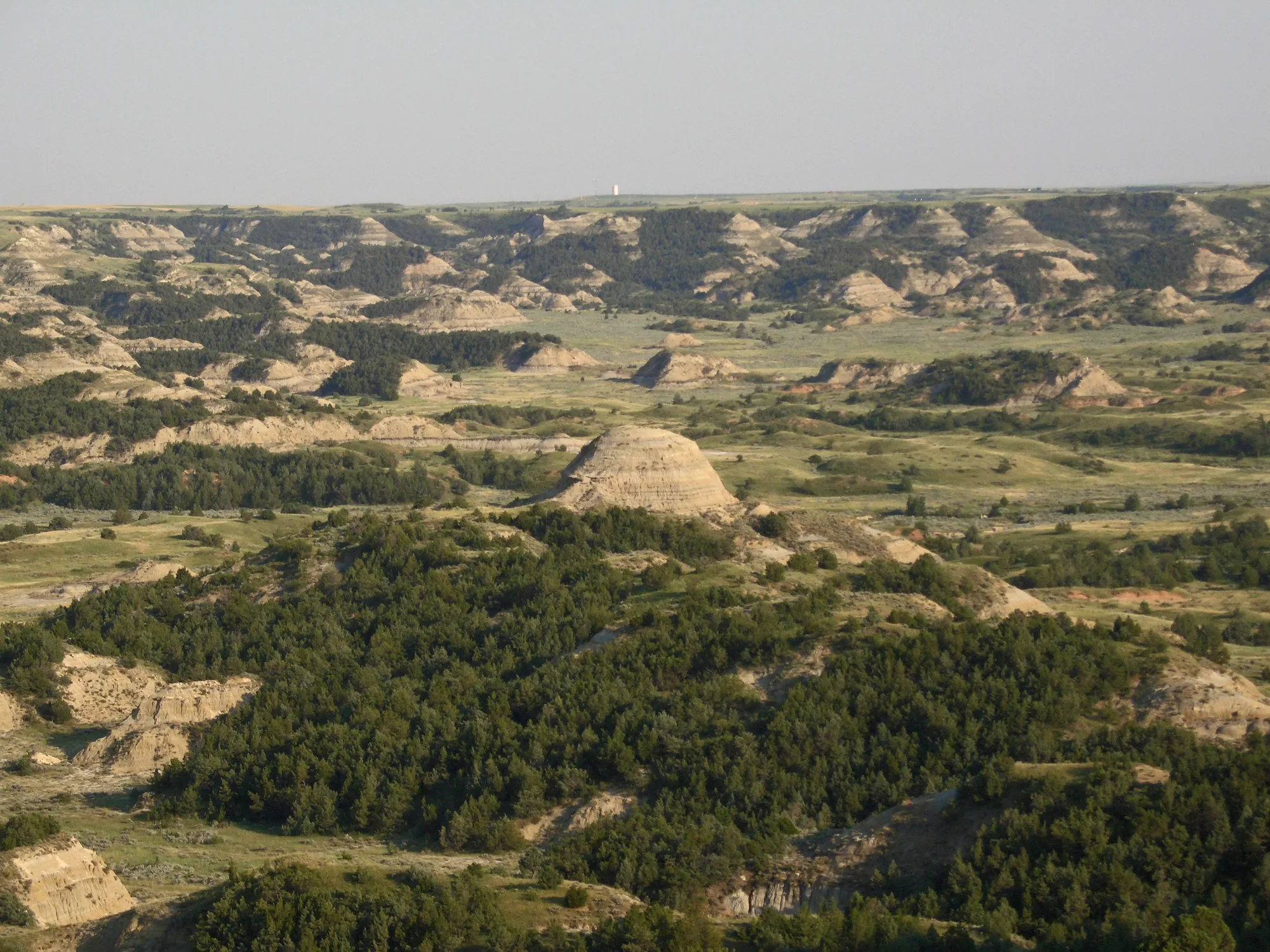
The paved South Unit scenic road winds through a landscape of eroded hills, prairie and juniper. Its overlooks make it possible to appreciate changes in color and shape without committing to a long hike. Stop only at designated pullouts, and use the map to identify what you are seeing rather than trying to watch the scenery while driving.
The National Park Service announced the reopening of the full loop after road repairs in November 2025, but temporary closures remain possible. Snow, ice, maintenance and changing conditions can affect access; consult the park's latest road information on the day of your visit.
Take your time at Badlands Overlook and other signed viewpoints. The same hills can look very different as clouds move or sunlight changes. Wind can be strong on exposed rims, and the ground near edges may be loose, so stay on established paths and supervise children closely.
3. Walk to a view that matches your ability
Short trails provide a closer look at the landscape, but short does not always mean level. The park describes Wind Canyon as a brief walk and Buck Hill as a short climb to a high viewpoint. Both involve surfaces and elevation changes that deserve a closer look on the park map.
The National Park Service identifies hard-surfaced routes with minimal slopes at Skyline Vista and Boicourt Overlook. Other trails may have dirt, gravel or stairs. Check the park's accessibility information and ask a ranger about current conditions if a particular surface or grade matters to your group.
Badlands soil can become slick and difficult after rain. Wear shoes with traction, carry water even on short walks and avoid shortcuts across fragile slopes. A modest walk can still reveal textures and colors that are hard to appreciate from inside a vehicle.
4. Watch prairie dogs and larger wildlife from a distance
Prairie dog towns are among the South Unit's most engaging places to stop. Look for animals standing upright near burrows and listen for their calls. They are wild animals, not a petting attraction: do not feed them or approach their burrows for a closer picture.
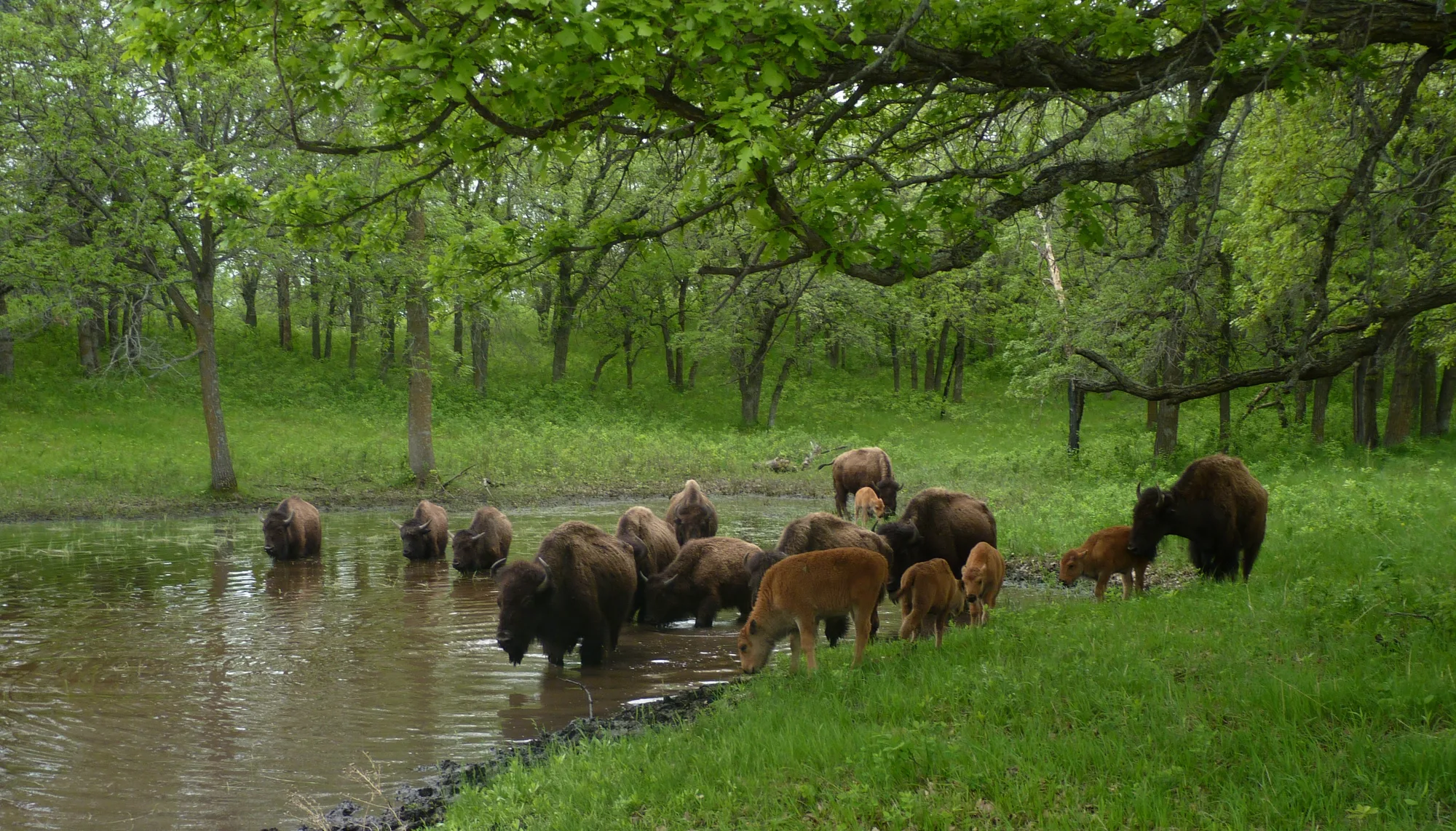
Bison also live in the park and may appear near roads or trails. Keep a safe distance from all wildlife, follow the park's current viewing guidance and never position yourself between an animal and its route. If wildlife is on the road, remain patient and give it space rather than sounding a horn or attempting to pass closely.
Use binoculars or a longer camera lens for a closer view. Sightings are never guaranteed, and the absence of a particular animal does not diminish the prairie, plant life and geology that make the park special.
5. See Painted Canyon from the rim
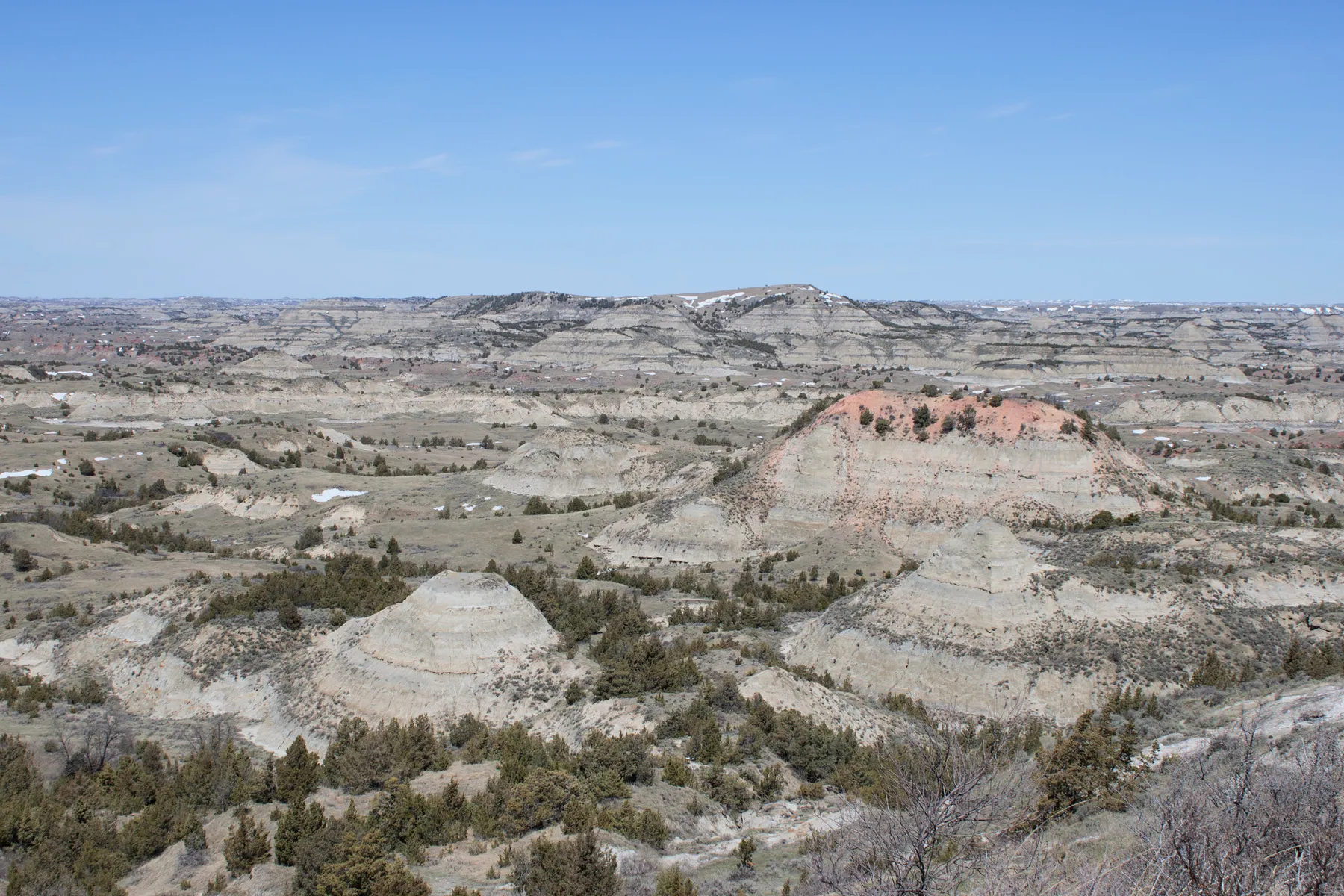
Painted Canyon Visitor Center and rest area sit east of Medora at Interstate 94 exit 32. The rim gives travelers a broad view into the badlands and can be a worthwhile stop even when time is limited. A nature trail offers a different perspective for visitors who have appropriate footwear and enough time.
Painted Canyon is not the entrance to the South Unit scenic drive. For that road, continue to Medora and use the main park entrance. Check visitor-center hours seasonally, and remember that wildlife, including bison, may also use the area around the overlook.
6. Plan around the weather and the clock
North Dakota weather can change quickly. Summer heat, thunderstorms and wind call for water, sun protection and a flexible schedule; winter can bring snow, ice and road closures. Check both park and state highway conditions before setting out, and do not depend on continuous cell service in remote areas.
The South Unit operates on Mountain Time, while the park's North Unit uses Central Time. That difference matters if you are coordinating a ranger program, campground arrival or a longer trip between units. The park says the drive between its most visited units takes roughly an hour and ten minutes, before stops.
Give the badlands room to surprise you
The South Unit is a starting point, not a checklist to finish as quickly as possible. Spend a few minutes at an overlook, watch how the light moves across the ridges and ask rangers about current conditions before choosing a walk. With fuel, water and a little flexibility, the park's layered landscape can be the centerpiece of a memorable North Dakota trip.