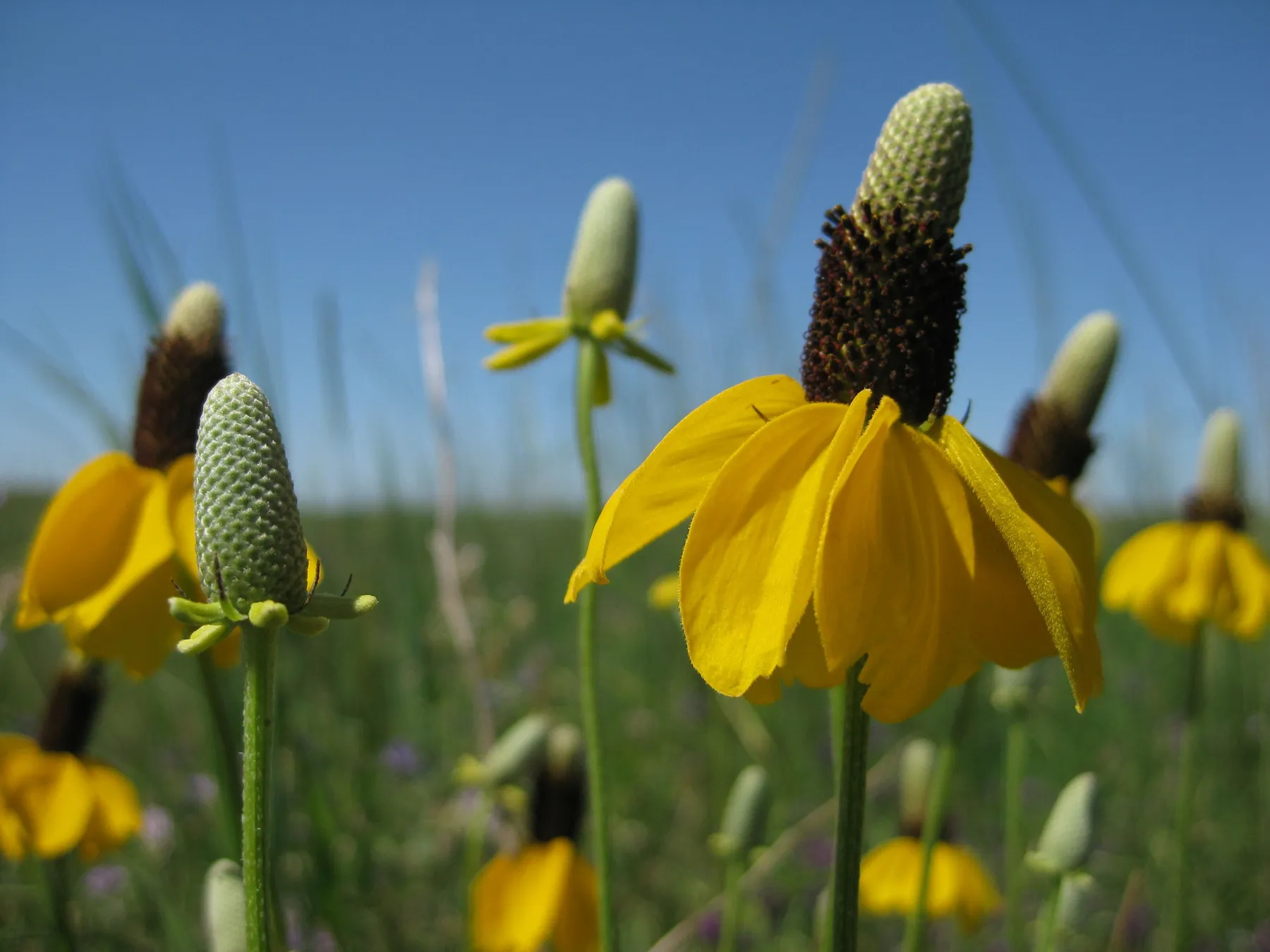
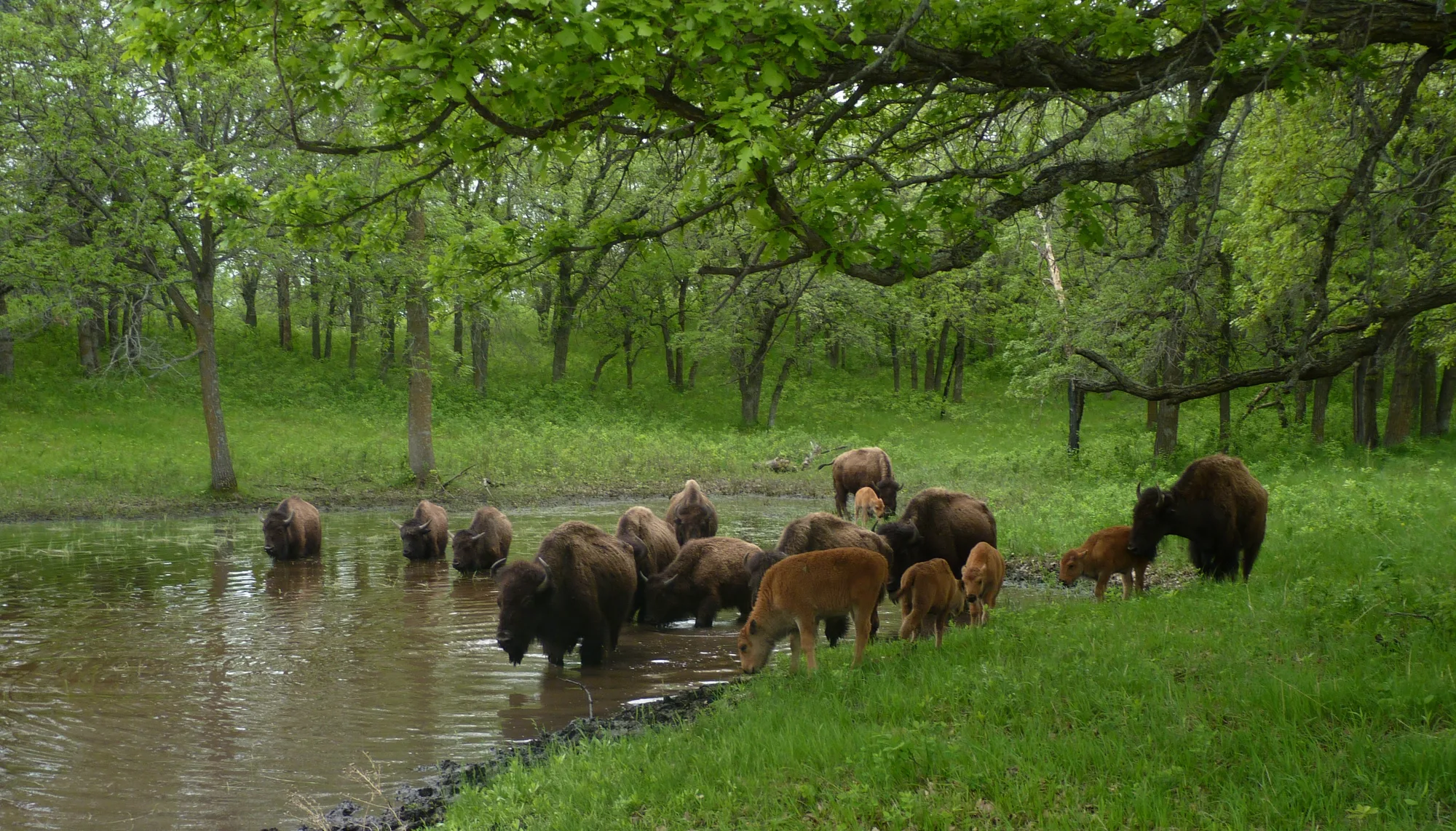
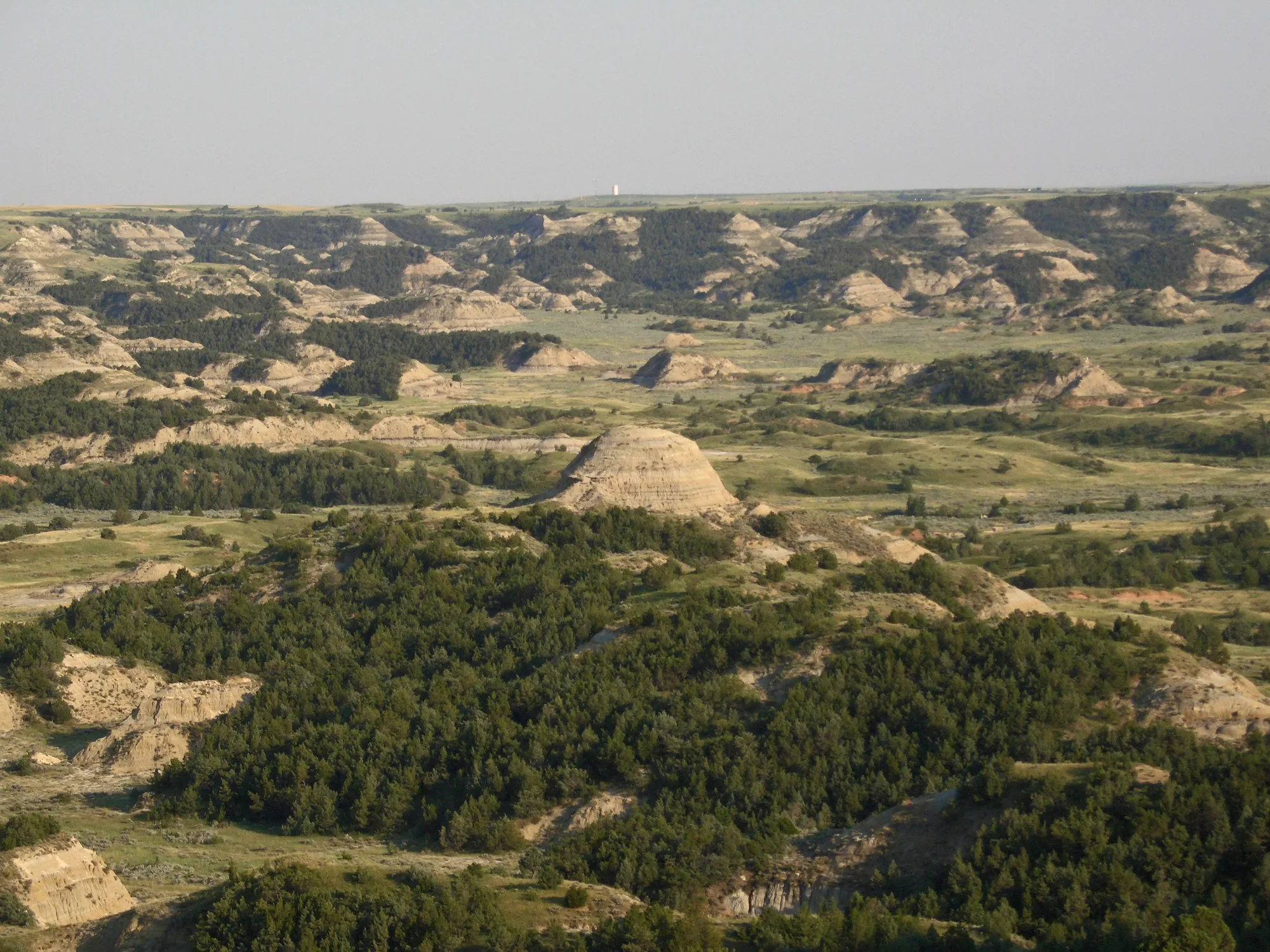
On the border between North Dakota and Manitoba, the International Peace Garden brings flowers, woodland and a shared idea of peace into one unusual destination. Visitors can walk through formal gardens, explore a conservatory and spend time in the surrounding Turtle Mountains.
The garden is also an international-border destination, which makes a little preparation important. These six ideas offer a way to enjoy the landscape while planning for seasonal hours, admission and the documents appropriate to your own travel.
1. Begin with the formal gardens
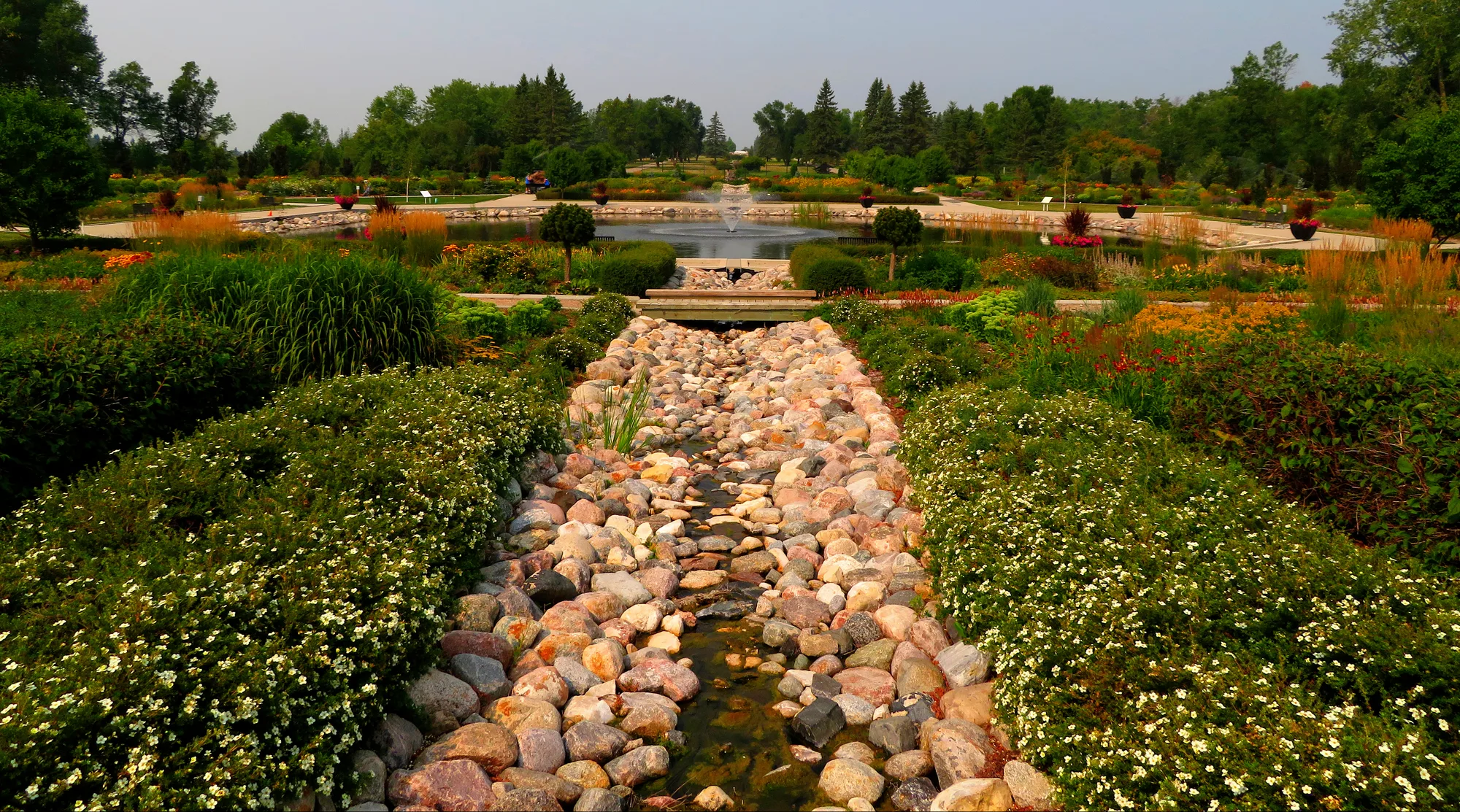
Flower beds, paths and water features make the formal garden an inviting first stop. The colors and planting change through the growing season, so a spring visit will not look exactly like an outing later in summer. Give yourself time to walk rather than expecting one fixed arrangement throughout the year.
Look across the planted beds and notice how the paths, water and surrounding trees shape the experience. Stop at a bench, read the interpretive material and enjoy the garden at a pace that suits your group. If you have a particular bloom in mind, check the garden's current updates before traveling; weather can change a flowering schedule.
Keep to visitor paths and respect planted areas. A wide photograph can show the overall design, while a closer look reveals changes in texture, leaf shape and color. Be considerate of other visitors who may be enjoying a quiet moment or taking pictures of their own.
2. Explore the conservatory
The garden's Conservatory and Interpretive Center houses the Vitko Collection of cacti and succulents. It offers an indoor experience that differs from the formal outdoor beds and is described by the garden as an all-season destination.
Look for the variety of shapes plants use to store water and adapt to dry environments. The collection can be especially appealing when the outdoor garden is between bloom seasons, but check current building hours and any temporary closures before making the trip.
Follow posted rules inside and leave space around displays. The garden says leashed dogs are welcome in many outdoor areas but are not allowed in the conservatory; service animals have different access protections. Review the current pet policy if you are traveling with an animal.
3. Find the cairn and learn about the garden's purpose
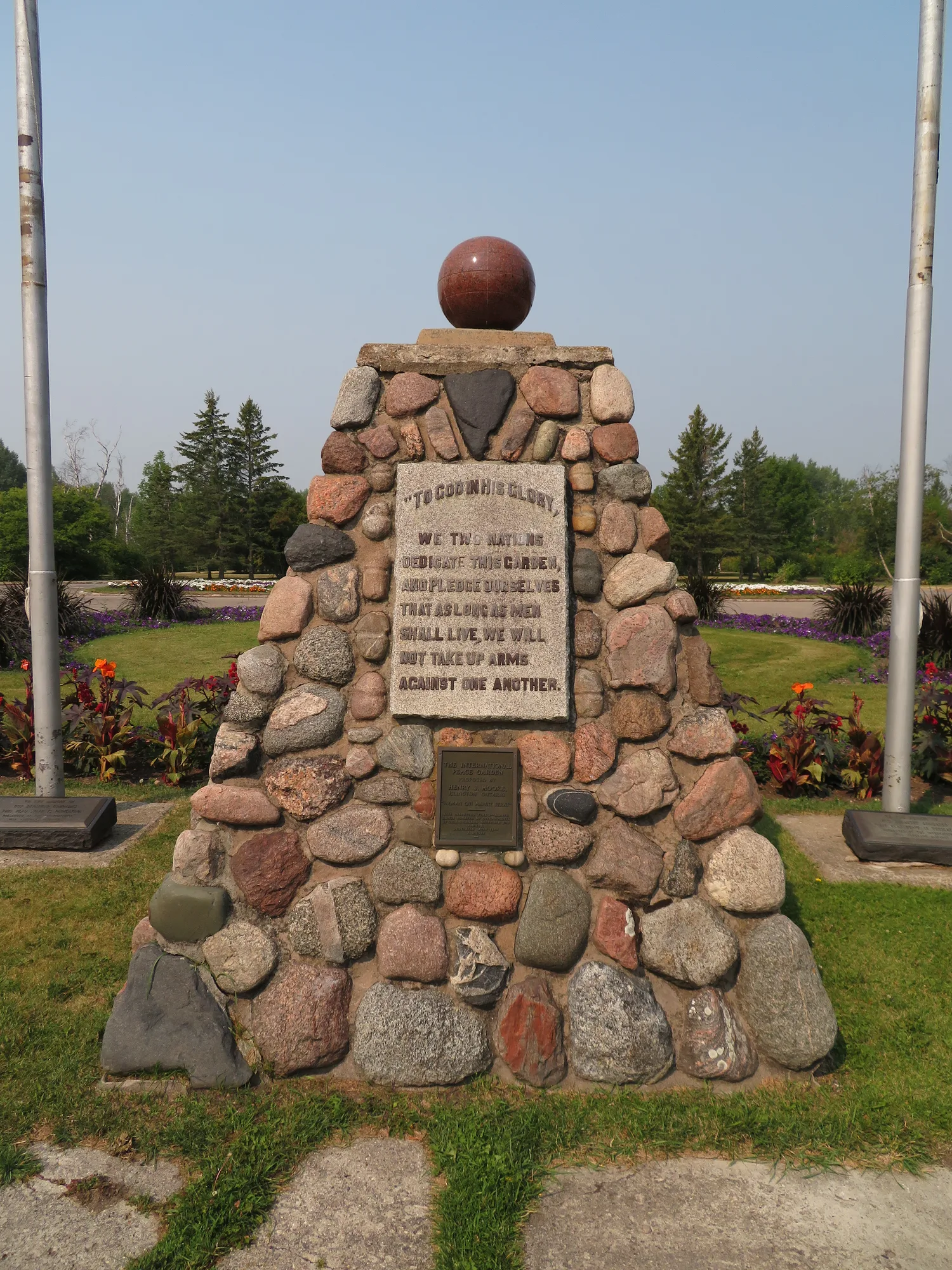
The garden was established as a symbol of friendship and peace between the United States and Canada. The cairn and other interpretive features offer places to reflect on that purpose and on how the site has changed since its early history in the 1930s.
Read the on-site interpretation rather than treating the monument only as a photo background. The garden's story includes the work of people and organizations on both sides of the border who helped create and maintain a shared space.
As with any memorial, give others room to reflect. A short pause here can add context to a visit otherwise focused on flowers and views.
4. Leave time for the wider landscape
The Peace Garden is more than its formal beds. Woodland, prairie and lakes in the Turtle Mountains give the site a broader natural setting. Consult the current visitor map to choose walks or other areas suited to the time and mobility of everyone in your group.
Wear comfortable shoes and bring water. Some outdoor routes may be uneven or affected by rain, snow or maintenance. In warmer weather, sun and insects can matter; in colder months, ask about access and conditions before counting on a particular walk.
The garden says it has a limited supply of wheelchairs and recommends contacting staff to check availability. Visitors with specific accessibility needs can ask about surfaces, distances and building access when planning.
5. Plan admission, food and a possible overnight
The garden lists day passes and other admission options, with prices and hours that may vary. Check the official site for the date of your trip instead of relying on an old travel post. Also verify café hours or bring an appropriate picnic if you plan to spend much of the day.
Camping and other lodging options are associated with the garden, subject to availability and season. If you want to stay overnight, confirm reservation details, check-in procedures and the services available at your site before setting out.
Events can make a visit lively but may also affect parking or building access. Review the current calendar and allow extra time if your trip coincides with a festival or other large gathering.
6. Check border requirements for your own trip
The garden sits on the international boundary, and visitors pass through a port of entry when leaving. Document requirements depend on citizenship, residence and whether you return to the country you came from or continue into the other country.
North Dakota Tourism and the garden publish guidance for visitors returning to their country of origin, but a trip that continues across the border can require different documents. Before traveling, check the garden's current instructions and confirm your circumstances with the relevant U.S. or Canadian border authority. Bring appropriate identification for every traveler, including children.
Also check operating hours for the port you intend to use. Rules and schedules can change, and a general travel article cannot determine the documents required for every family or immigration status.
A day worth slowing down for
A first visit can combine the formal beds, conservatory and a walk through the wider grounds, with time for the cairn and interpretation along the way. Check the weather, current hours and admission information before leaving.
With the practical details settled, the Peace Garden offers a distinctive North Dakota outing: a place to enjoy plants and open space while considering the cooperation that brought two neighboring countries together around a shared landscape.