Near the meeting of the Missouri and Yellowstone rivers, Fort Union Trading Post National Historic Site offers a window into the nineteenth-century fur trade. The reconstructed post looks like a fort, but its primary purpose was commercial: it brought together Native nations, traders, workers and goods from a wide region.
The site spans the North Dakota–Montana border near Williston. A thoughtful visit combines the reconstructed buildings with the stories of the people whose decisions and labor made the trading post possible. These five ideas can help you plan a visit at an unhurried pace.
1. Begin in the reconstructed courtyard
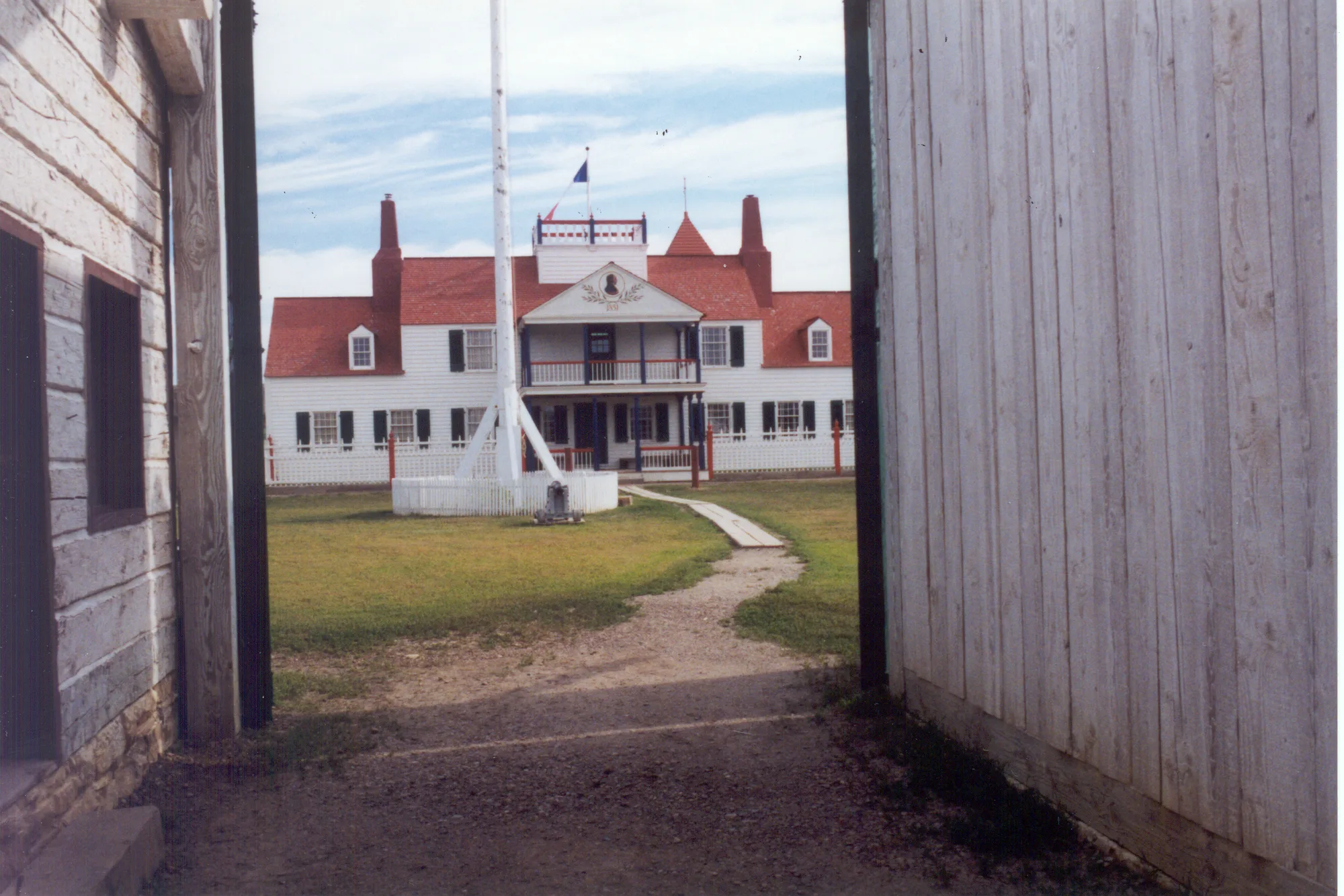
Walk through the entrance and pause in the courtyard before heading for an exhibit. The National Park Service has reconstructed portions of the post, including palisade walls, gates, a stone bastion, the trade house and the Bourgeois House. These are reconstructions that interpret an earlier place, not original nineteenth-century buildings still standing unchanged.
Fort Union operated as a trading post from 1828 to 1867. The American Fur Company built it in response to a request from the Assiniboine, according to the National Park Service. Other Northern Plains peoples also came to trade, making the post a meeting place for multiple languages, relationships and interests.
The park's self-guided walking tour can be brief or take a couple of hours depending on your interests. Start by checking the visitor center for a map, current building access and any programs being offered that day.
2. Learn about the people who traded here
The post's story is not simply the story of a company building beside a river. Assiniboine and other Northern Plains nations brought knowledge, labor, relationships and goods to the trade. The National Park Service describes exchanges involving buffalo robes and smaller furs as well as manufactured goods such as cloth, blankets, beads and tools.
Ask rangers how the trade worked and how relationships changed over time. A useful interpretation considers the people who made choices on both sides of an exchange, including Indigenous families, Métis workers and employees of different backgrounds. Their histories did not begin or end at the post.
The site can also introduce difficult questions about the effects of commercial expansion and changing power in the region. Give the exhibits and interpretive programs time to explain those relationships rather than reducing the visit to a list of objects in a trading room.
3. Visit the Bourgeois House
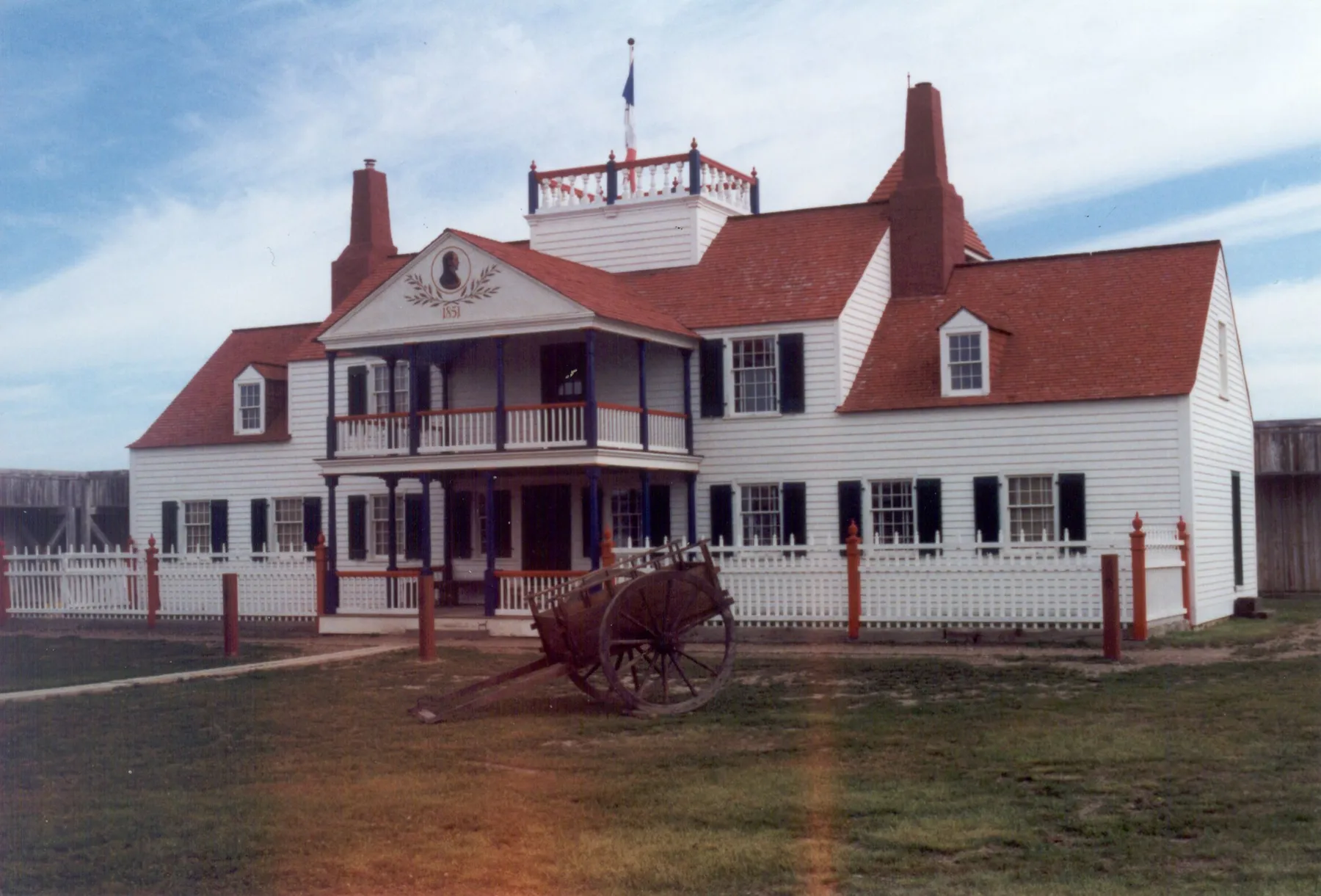
The Bourgeois House stands prominently in the courtyard and contains the visitor center. At a trading post, the bourgeois was the manager, responsible for work ranging from finances and supplies to relationships with trading partners and supervision of employees.
Use the exhibits to understand how the post was organized. The building's appearance can suggest a single prominent household, but many other people worked in storage buildings, workshops and domestic spaces. The National Park Service's interpretation and archaeological research help make those less visible parts of the site easier to imagine.
Check the house's current schedule before travel. An open courtyard does not necessarily mean that every interior or seasonal demonstration is available. If accessibility is a concern, ask staff about routes and available assistance; the park notes that surfaces and steps differ among reconstructed buildings.
4. Explore the trade house and living history
The reconstructed trade house helps visitors consider the practical details of exchange: where people met, what kinds of goods moved through the post and how commercial relationships depended on trust, negotiation and broader networks.
Living-history interpretation may be offered seasonally. Schedules depend on staffing and programs, so check the park calendar or call before setting out if a demonstration is central to your plans. Even without a program, a self-guided walk and the visitor-center exhibits can provide a useful introduction.
Follow staff instructions inside the buildings and ask before touching objects or photographing a demonstration. Historic interpretation is most useful when it encourages questions about the people involved, including whose perspectives survive in written records and whose stories require other sources of knowledge.
5. Walk toward the river landscape
Fort Union's location near the Missouri and Yellowstone rivers was important to the movement of people and supplies. The National Park Service also identifies the Bodmer Overlook Trail as a way to consider the landscape depicted by artist Karl Bodmer during his visit in 1833.
Before starting any walk, ask about the route, distance and current conditions. Wind, heat, cold and changing ground surfaces can make a short outing more demanding than expected. Carry water, wear sturdy shoes and stay on designated paths; the site protects archaeological resources as well as scenery.
At a viewpoint, think about the river as a working route and a homeland, not just a scenic backdrop. Different communities used and understood this landscape in different ways, and the park's interpretation provides a starting point for learning more.
Plan your visit
Fort Union is a fee-free National Park Service site, but check current operating hours, seasonal access and alerts before leaving. Some walking-tour locations may be inaccessible during heavy snow, and facilities can close for holidays or maintenance.
The courtyard includes packed gravel and grass that may become muddy. The park publishes building-by-building accessibility details and can advise on available assistance. Bring water and allow enough time to explore the visitor center as well as the outdoor spaces.
Fort Union is most rewarding when visitors look beyond the reconstructed walls. Its history connects trade, cultural exchange and change across the Upper Missouri region, and those stories are larger than any one building.