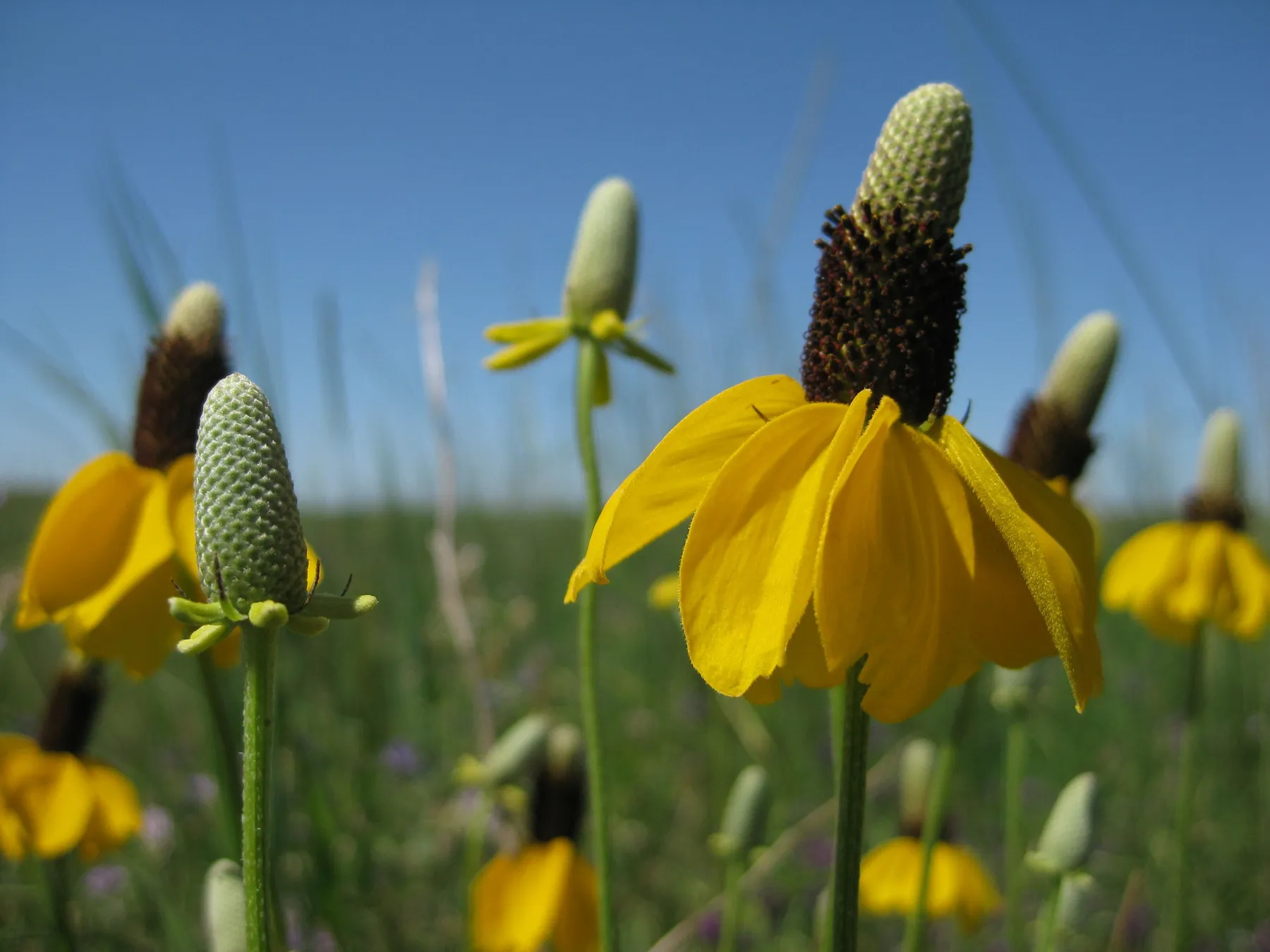
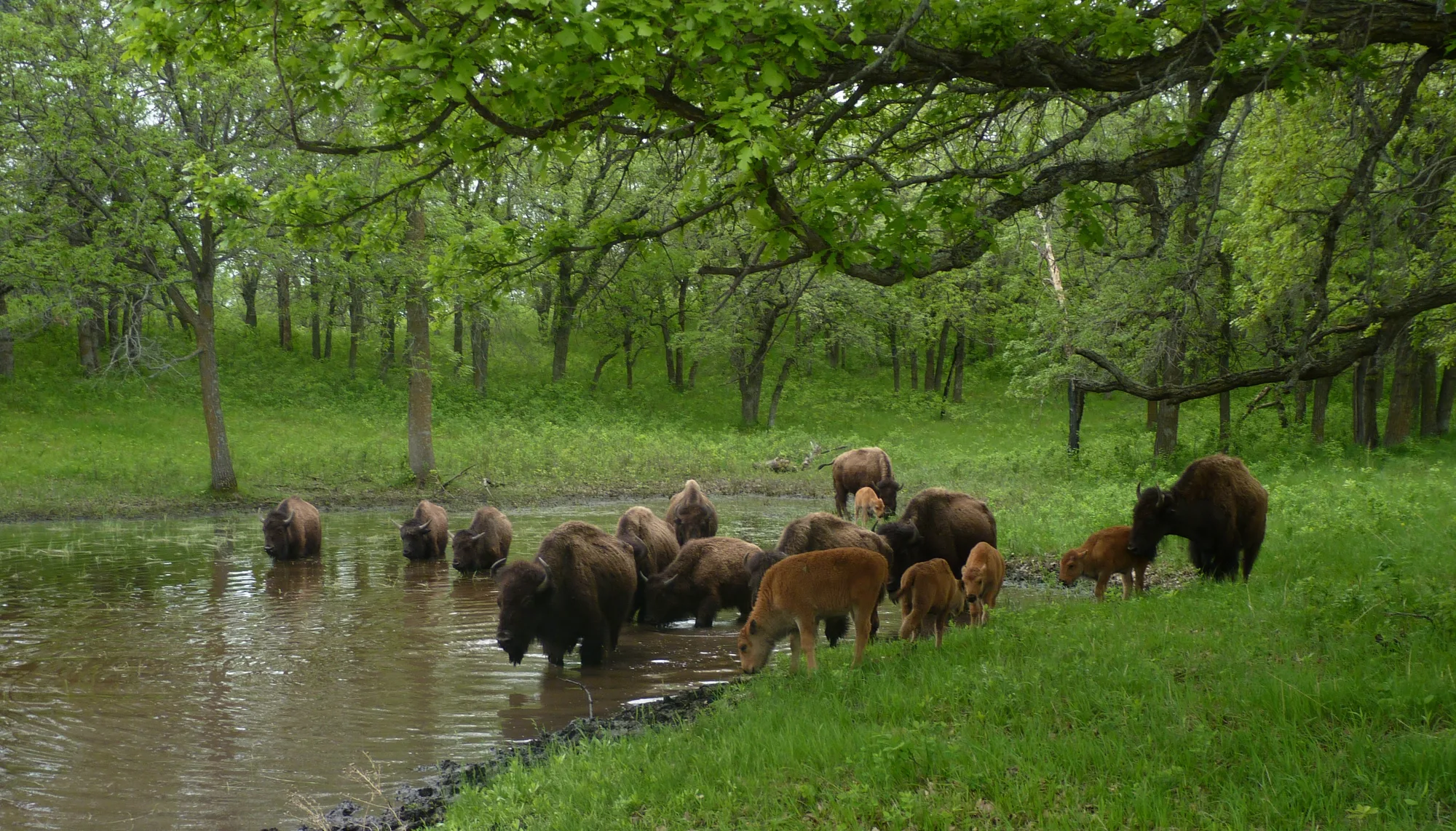
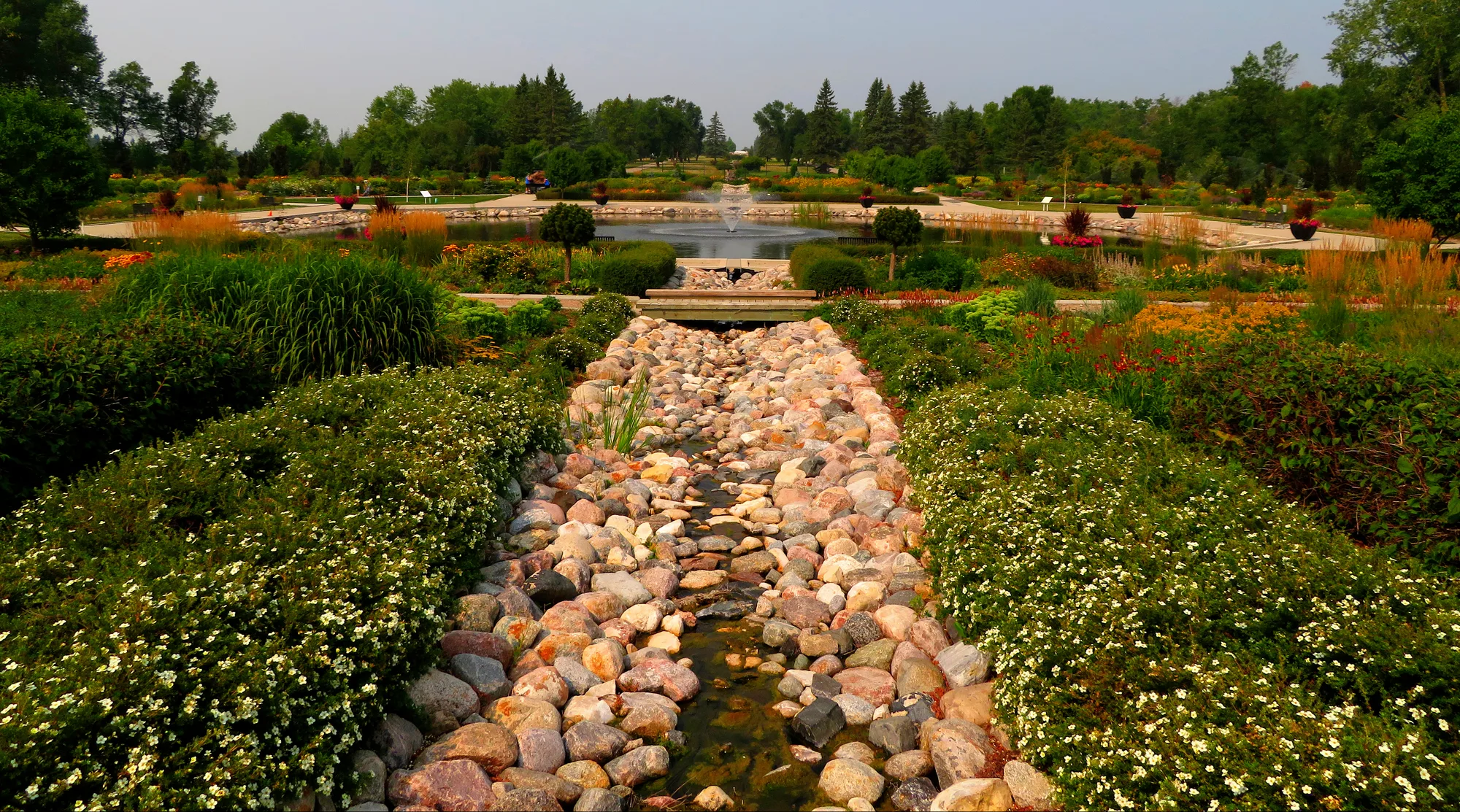
Near Stanton, North Dakota, the Knife River Indian Villages National Historic Site protects places where generations of Northern Plains people built homes, grew crops, traded and maintained complex communities. Today, a reconstructed earthlodge and a trail through former village sites give visitors ways to begin learning about that history.
The landscape should not be treated as an empty backdrop for someone else's expedition. It is part of the history and continuing cultural heritage of the Hidatsa, Mandan and Arikara peoples. These six ideas can help visitors approach the site with time, curiosity and respect.
1. Start at the visitor center
Begin with the museum and a conversation with park staff. Exhibits introduce the communities that lived along the Knife and Missouri rivers and provide context for what you will see outside. Ask about current programs, trail conditions and any temporary closures before deciding how much of the site to explore.
The National Park Service lists the site near Stanton on County Road 37. The visitor center and reconstructed earthlodge have different operating considerations from the outdoor grounds, including holiday closures. Check the current schedule before making a long drive, especially in winter or around a holiday.
A map is useful even for a short visit. The park protects several village locations, and the visible remains can be subtle if you do not know what you are looking at. Give yourself time to read the interpretation rather than expecting a row of standing historic homes.
2. Step inside the reconstructed earthlodge
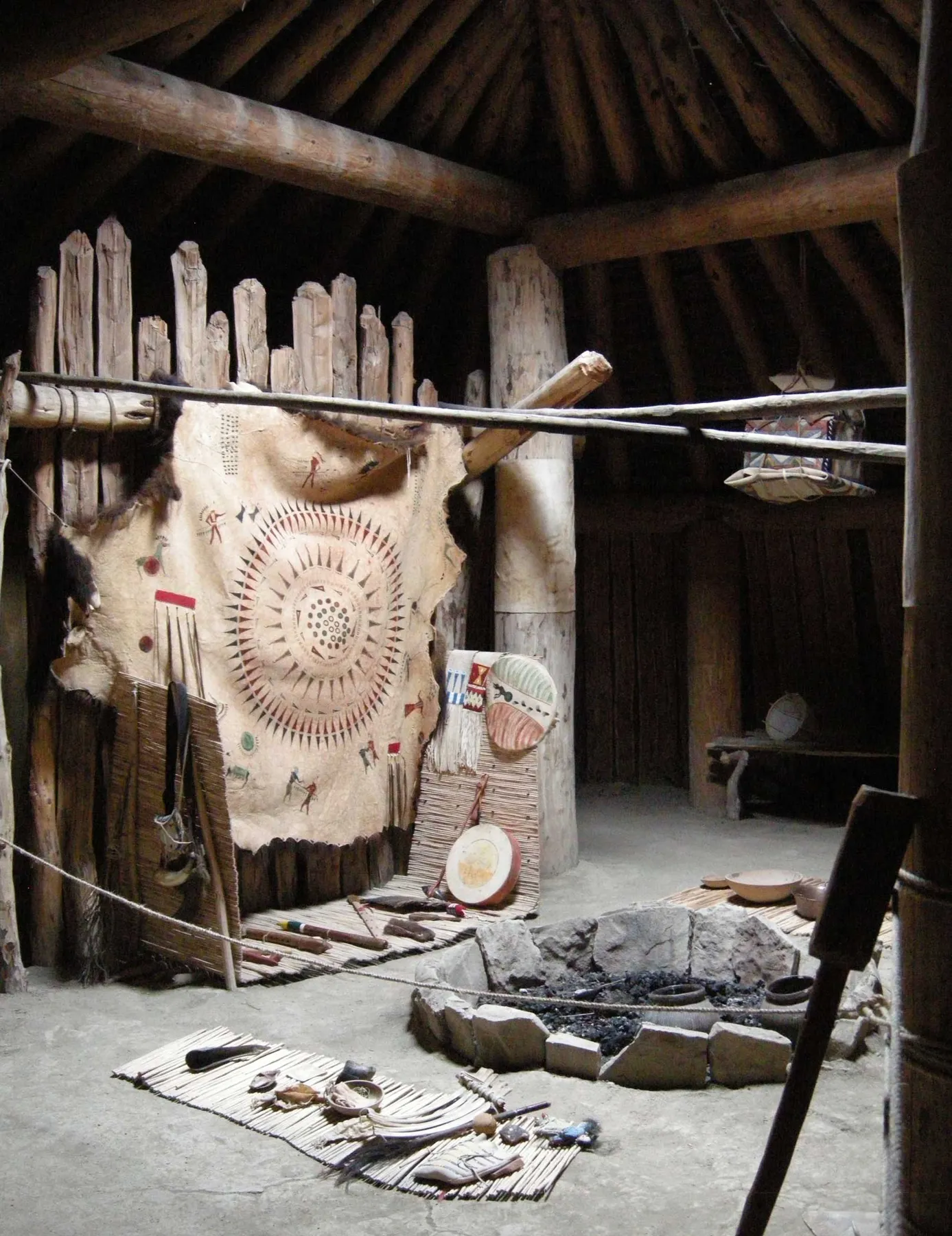
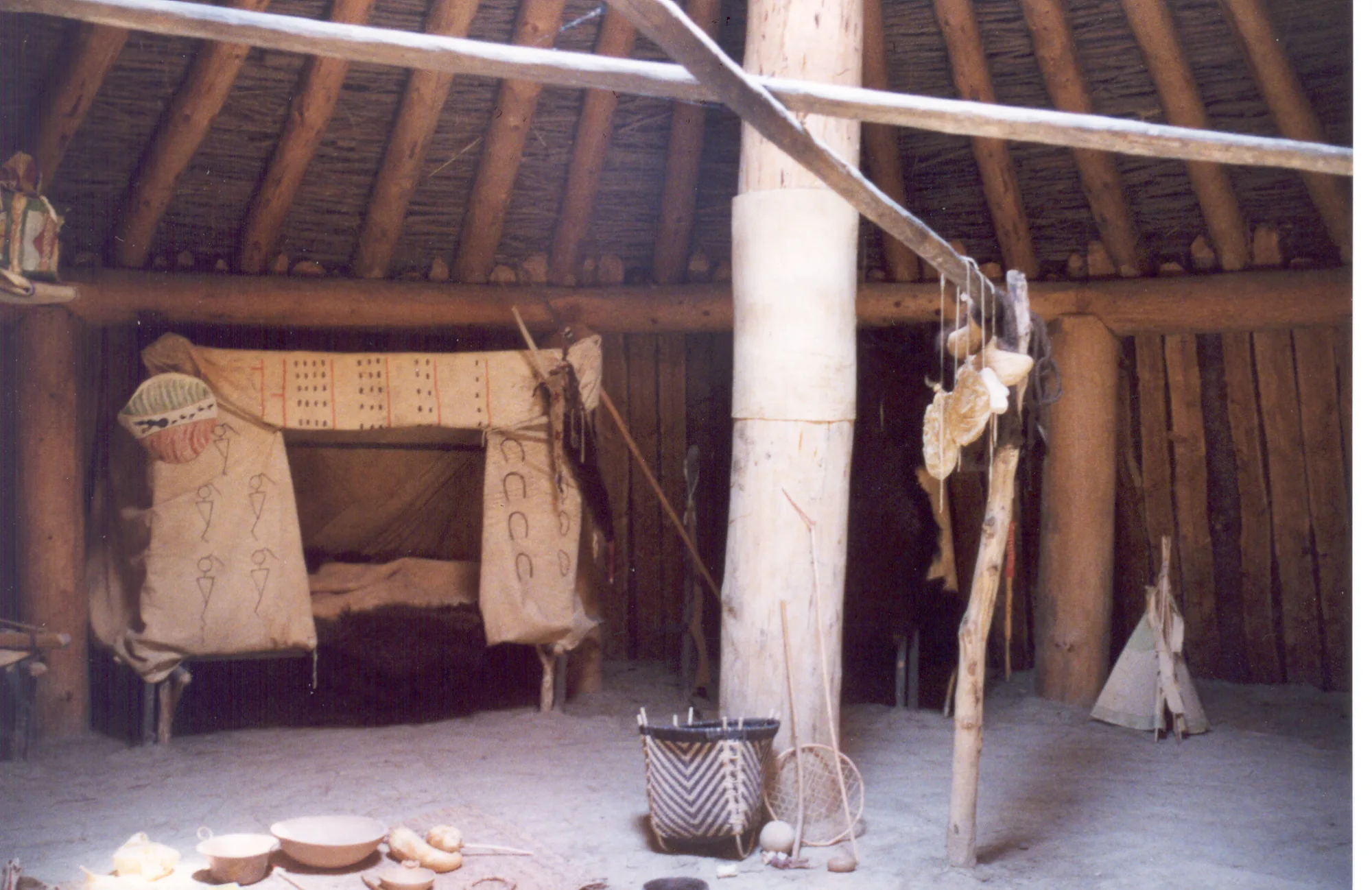
Behind the visitor center stands a full-scale reconstructed earthlodge. The National Park Service describes how earth and timber construction suited village life in the Upper Missouri region. Inside, visitors can see the framework and consider how a lodge could accommodate household activities, storage and the demands of the seasons.
This structure is a modern reconstruction, not an original building surviving from a historic village. The distinction makes the visit more meaningful: it is an interpretive tool that helps explain construction and daily life while the actual village sites outside are protected archaeological places.
Follow posted rules for the interior and ask staff about current interpretation. Some furnishings may be replicas and may vary by season. Treat the lodge and its contents with care, and avoid touching objects unless staff explicitly invite it.
3. Walk the Village Trail
The park describes the Village Trail as a 1.3-mile, flat gravel route beginning at the visitor center. It passes the Awatixa Xi'e Village, also called the Lower Hidatsa Site, and the Awatixa Village, also known as the Sakakawea Site. A loop near the second village includes a stretch along the Knife River.
On the ground, circular depressions can mark the locations of former earthlodges. They may be easy to miss at first. Interpretive signs help visitors see the village as a community rather than as a collection of isolated features.
Stay on the designated trail, do not dig or collect objects and leave the archaeological remains undisturbed. The route is described as flat gravel, but conditions change with weather; ask park staff about current accessibility and surface conditions if they are important to your visit.
4. Learn about the villages as centers of community and trade
The villages along the Knife River were home to people with established agricultural, family and trade networks. The earthlodge was part of a larger community landscape that included gardens, the river and connections with other peoples across the Plains.
The National Park Service identifies three principal village sites within the historic area: Awatixa Xi'e, Awatixa and Big Hidatsa. Their stories extend far beyond one moment of contact with the Lewis and Clark expedition. Ask about the park's interpretation of Hidatsa life, agriculture, trade and the continuing connections of descendant communities.
Historical names and spellings may appear in more than one form on signs and in publications. Use the site's current interpretive materials as a guide, and remember that the people represented here have living descendants and continuing cultures.
5. Notice the river and restored landscape
The Knife and Missouri rivers shaped travel, farming and settlement in this region. The Village Trail passes restored prairie and reaches the Knife River, offering a chance to think about how water and fertile land supported village life.
The river has also changed the historic landscape. The park explains that erosion has removed part of Awatixa Village, leaving some earthlodge depressions visible today. That makes preservation especially important: archaeological places can be damaged by natural forces as well as by visitors leaving established paths.
Bring water, sun protection and layers. North Dakota conditions can shift from heat and wind to cold or storms. In wet or icy weather, ask about trail surfaces before setting out and allow enough time to return during the park's posted hours.
6. Make room for a ranger program
Programs and demonstrations can add detail that is difficult to convey on a self-guided walk. Ask what is offered during your visit and whether a particular activity requires advance arrangements. Do not assume a demonstration or interior is available every day; staffing and seasons affect schedules.
Listening to interpretation is especially valuable here because the visible landscape is only one part of a much larger story. Questions about trade, crops, family life and the role of the river can help visitors connect the earthlodge and village sites to the people who made them home.
Before you go
Check the National Park Service's current hours, alerts and accessibility information. The park lists the visitor center and earthlodge as generally open year-round with major holiday closures, while trail access is subject to posted conditions. Confirm current rules for pets and services before leaving.
Allow at least enough time for the visitor center, earthlodge and a portion of the trail. A thoughtful visit to Knife River is less about checking off a landmark and more about recognizing a long, living history in a landscape that still carries its traces.