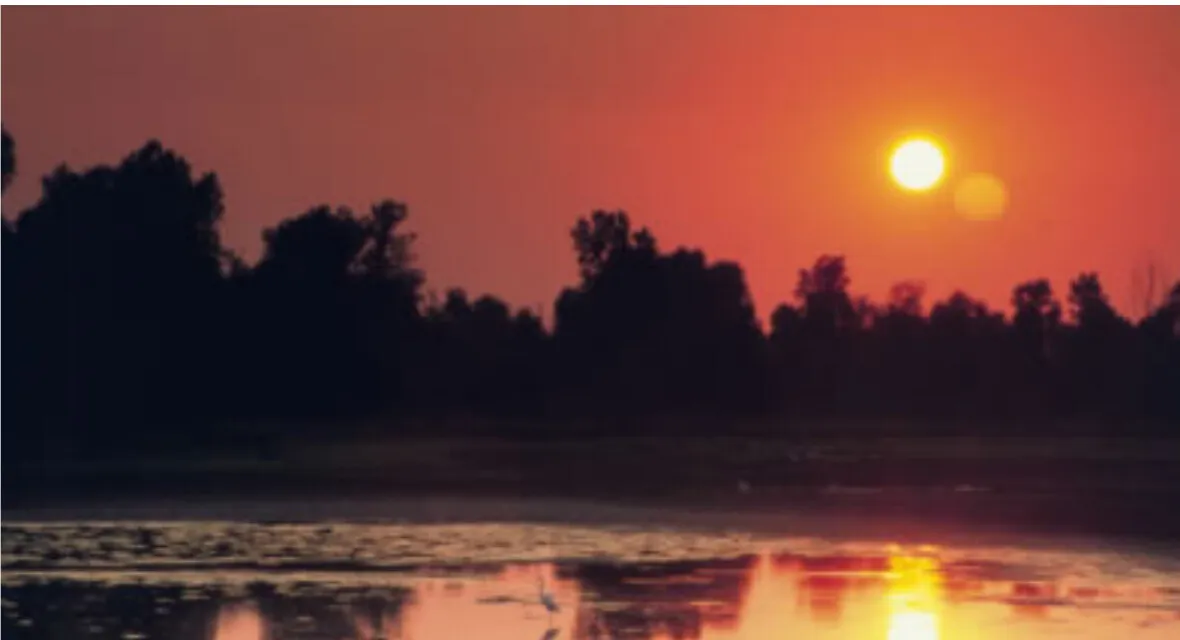
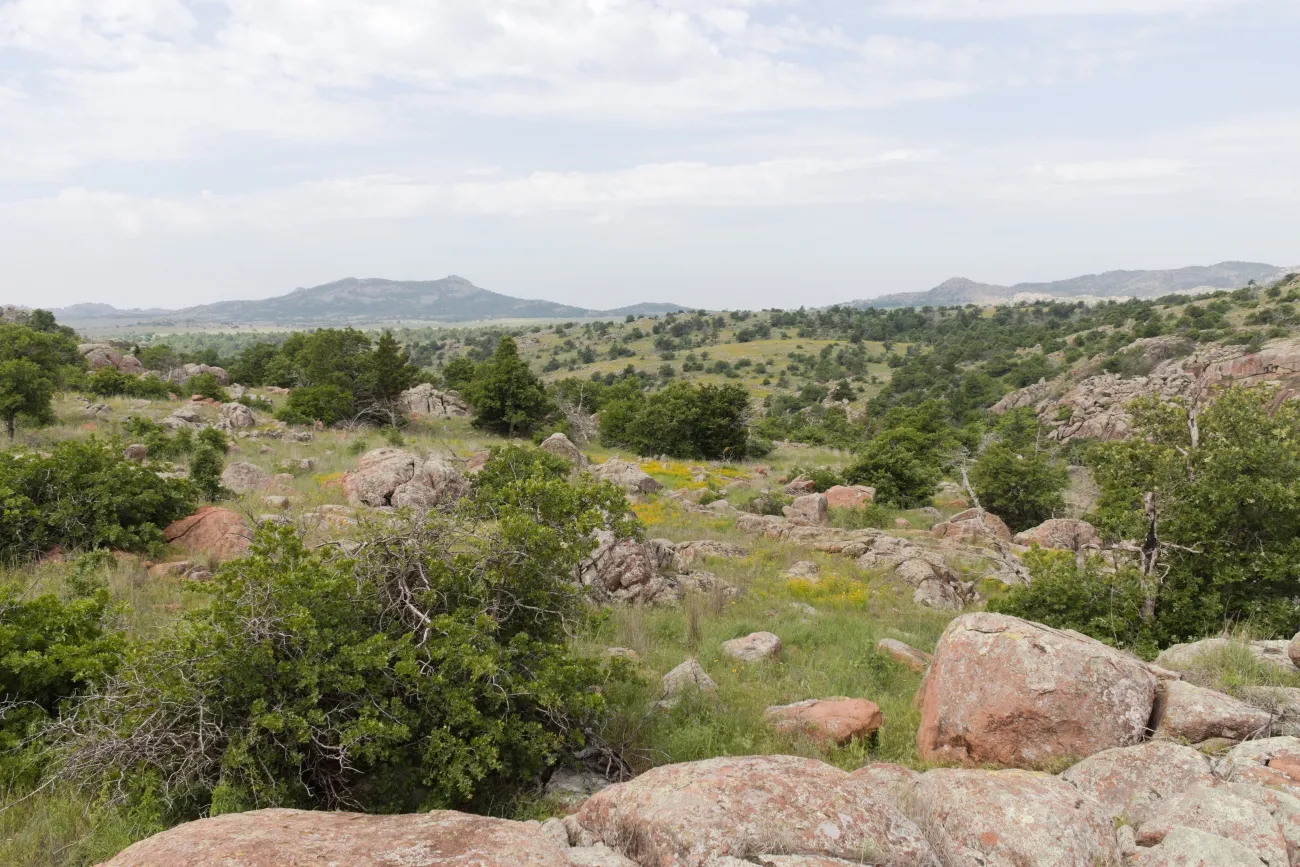
In south-central Oklahoma, Chickasaw National Recreation Area brings springs, streams, forest and lakes together near Sulphur. Water is the thread connecting a visit, but there is more than one way to experience it: a short spring walk, a historic bridge, a lakeside picnic or time watching the park's bison. Choose a few stops and leave room for the landscape rather than trying to see everything at once.
1. Begin at the Travertine Nature Center
The Travertine Nature Center is a useful starting point for maps, exhibits and current information. It is also a trailhead for the Antelope and Buffalo Springs area. Ask staff about trail surfaces, water conditions and any closures before setting out, especially after storms.
The park sits where eastern deciduous forest and mixed-grass prairie meet. That ecological transition helps explain the variety of plants and wildlife you may notice as you move between wooded creek banks and more open areas. Check center hours separately from park grounds and facilities.
2. Walk toward Antelope and Buffalo Springs
The Antelope Springs Trail is approximately one mile round trip, with optional loops that add distance. The main route is a relatively wide gravel path with little elevation change, but the NPS cautions that many wheelchair tires do not travel well on its surface. Side paths can be narrower and uneven; consult the park's detailed accessibility description before choosing a route.
Antelope and Buffalo Springs feed Travertine Creek. Take time to observe the water and surrounding vegetation from designated areas. Pets are not allowed on the springs trails, and swimming or bathing is prohibited at the springs. Leave plants, rocks and wildlife undisturbed.
3. Follow Travertine Creek and look for historic features
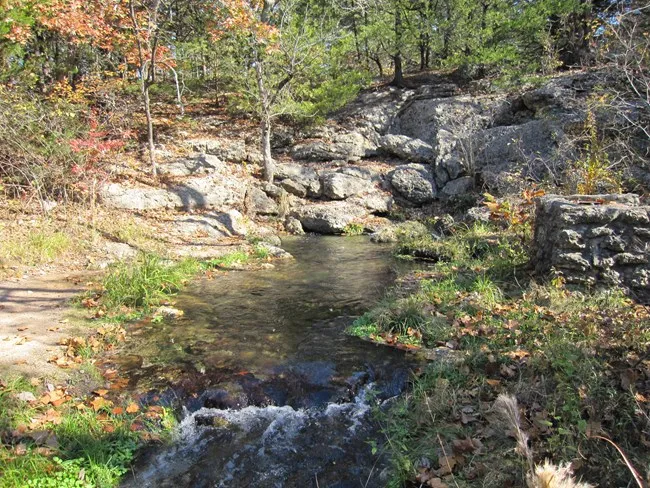
The Travertine Creek Trail connects the nature center and Pavilion Springs, with parking at both ends. The NPS describes it as about 1.5 miles one way, with gravel, bridges and stone stairs near Pavilion Springs. Plan for the return or arrange transportation rather than assuming it is a short loop.
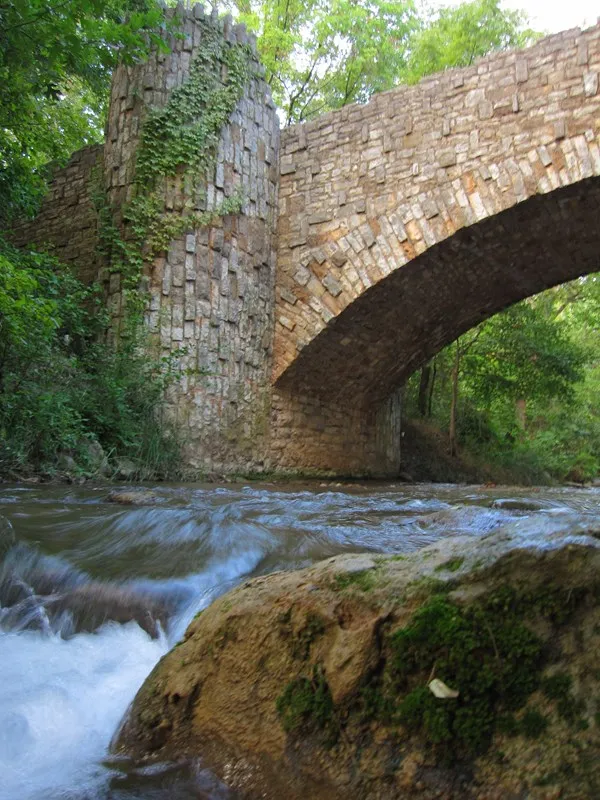
Lincoln Bridge is among the park's older structures and gives another view of the creek. The historic Platt district reflects a long tradition of visitors coming to the area's springs. Use interpretive signs to learn about the landscape and the people connected to it, including the Chickasaw Nation.
4. Make a water plan that follows park rules
Little Niagara and other creek areas draw many visitors in warm weather, while Veterans Lake and Lake of the Arbuckles offer additional recreation options. The NPS warns that popular parking areas can fill on summer weekends and traffic control may be used. Have a backup destination and follow staff instructions.
Swimming rules vary by location. The park prohibits swimming in Antelope and Buffalo Springs and in specified sections of Travertine Creek. Check the current map, signs and superintendent's rules before entering the water, and never assume that a scenic pool is open for swimming. Conditions can change after rain.
5. Watch the bison from a distance
The park maintains a small bison herd and rotates the animals between pastures. Ask at the nature center or check current conditions for the best viewing location. A sighting is not guaranteed, and binoculars make it easier to watch without approaching.
Bison are powerful wild animals. Stay behind barriers, keep children close and never feed or attempt to touch them. The West Bison Pasture Loop offers a longer walk around one pasture, but its uneven grades and stairs do not suit every visitor. Check the NPS trail description and choose an outing that fits your group.
6. Add a lake or picnic stop
Lake of the Arbuckles is the park's largest body of water, with opportunities for boating, fishing, picnicking and swimming in permitted areas. Veterans Lake is another option with a trail and places to enjoy the view. Check current access, rules and water conditions for the specific activity you plan.
For a first day, the nature center, a spring trail and a picnic make a manageable foundation. Add a lake stop or longer walk if time and weather allow. Bring water and suitable footwear, check current alerts, and leave the springs and streams clean for the next visitor and the wildlife that depends on them.