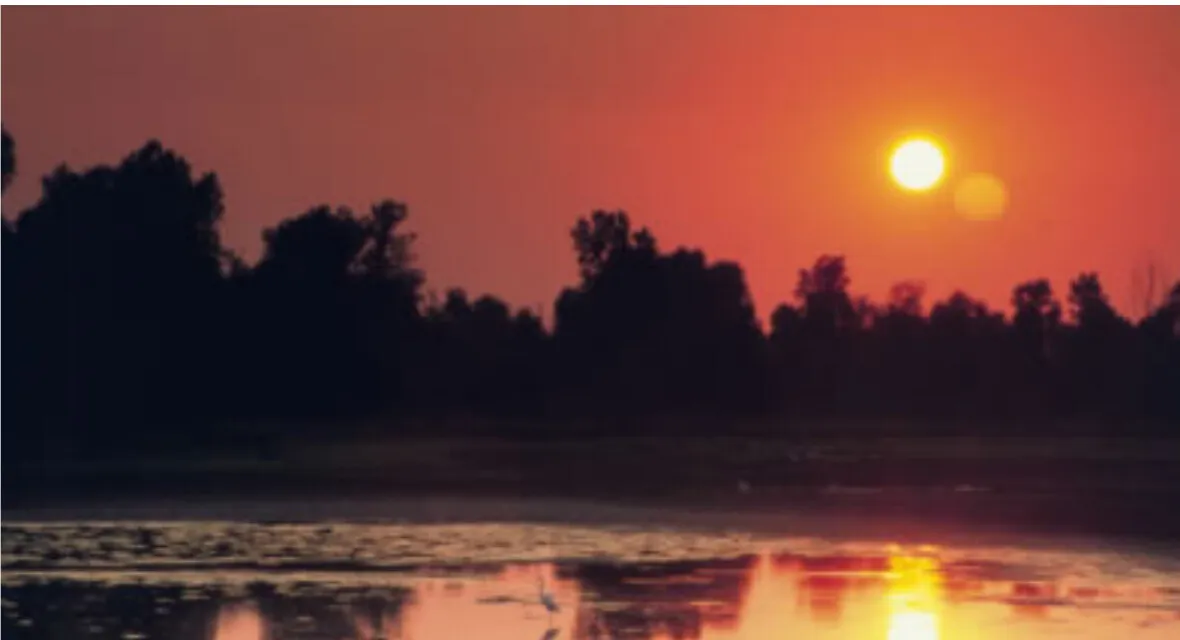
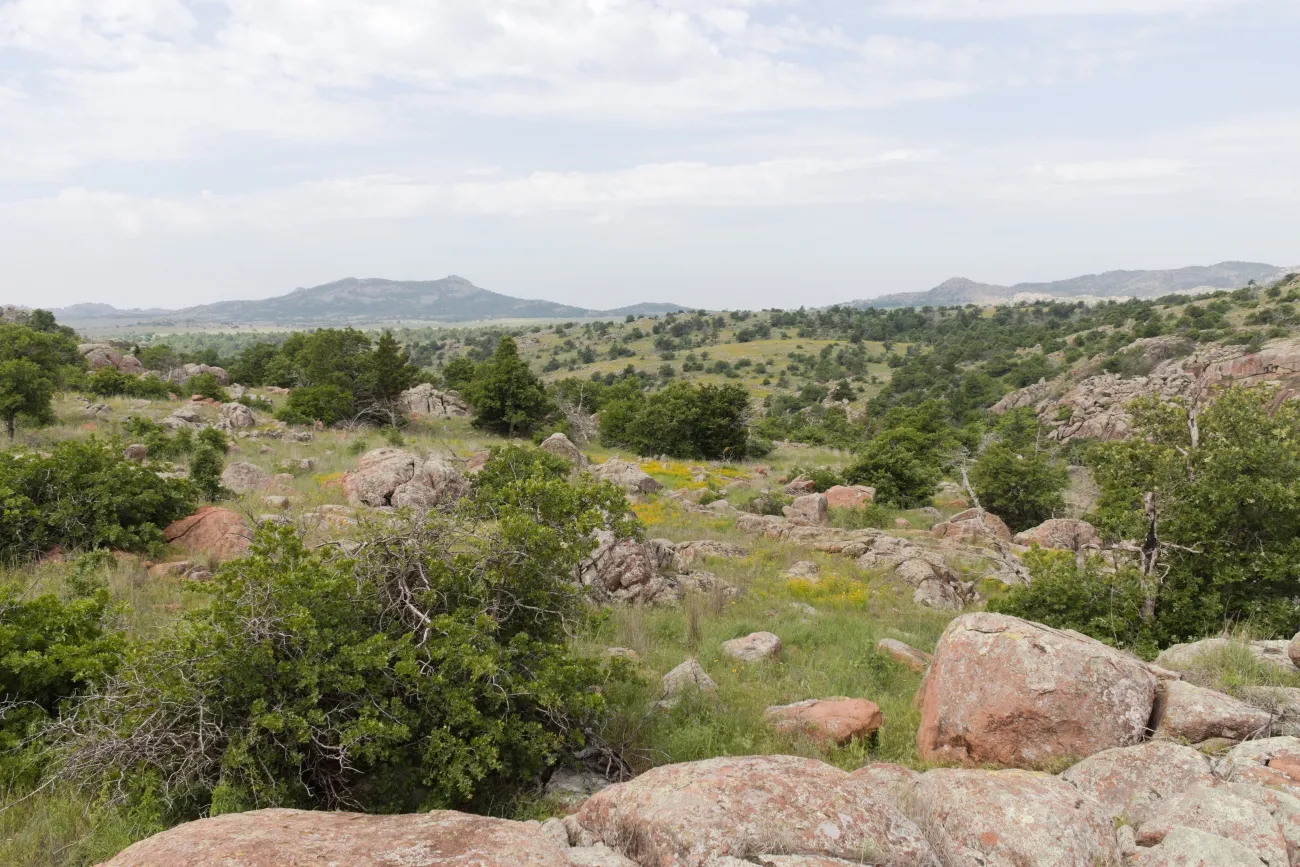
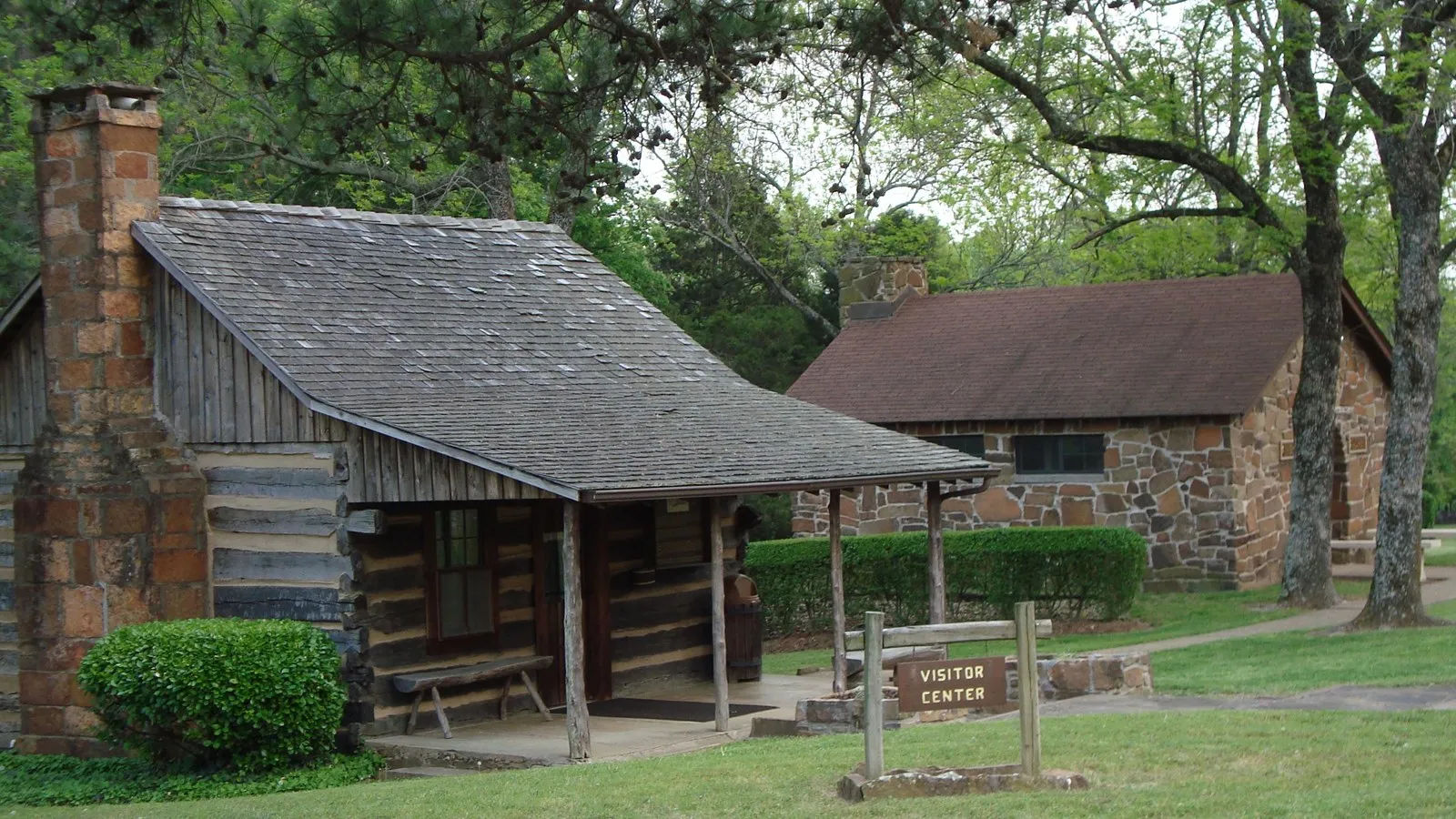
In north-central Oklahoma, a pale expanse of salt flats gives way to wetlands and prairie at Salt Plains National Wildlife Refuge. The refuge is known for something unusual beneath the surface: selenite crystals that can contain an hourglass-shaped pattern. During a designated season, visitors can look for crystals themselves; throughout the year, the surrounding refuge also rewards a slower look at wildlife.
These five ways to experience Salt Plains balance its best-known activity with the bird habitat that makes the refuge important. Check current alerts before leaving: individual roads, trails and facilities can close for management work or controlled hunts.
1. Look for hourglass crystals in season
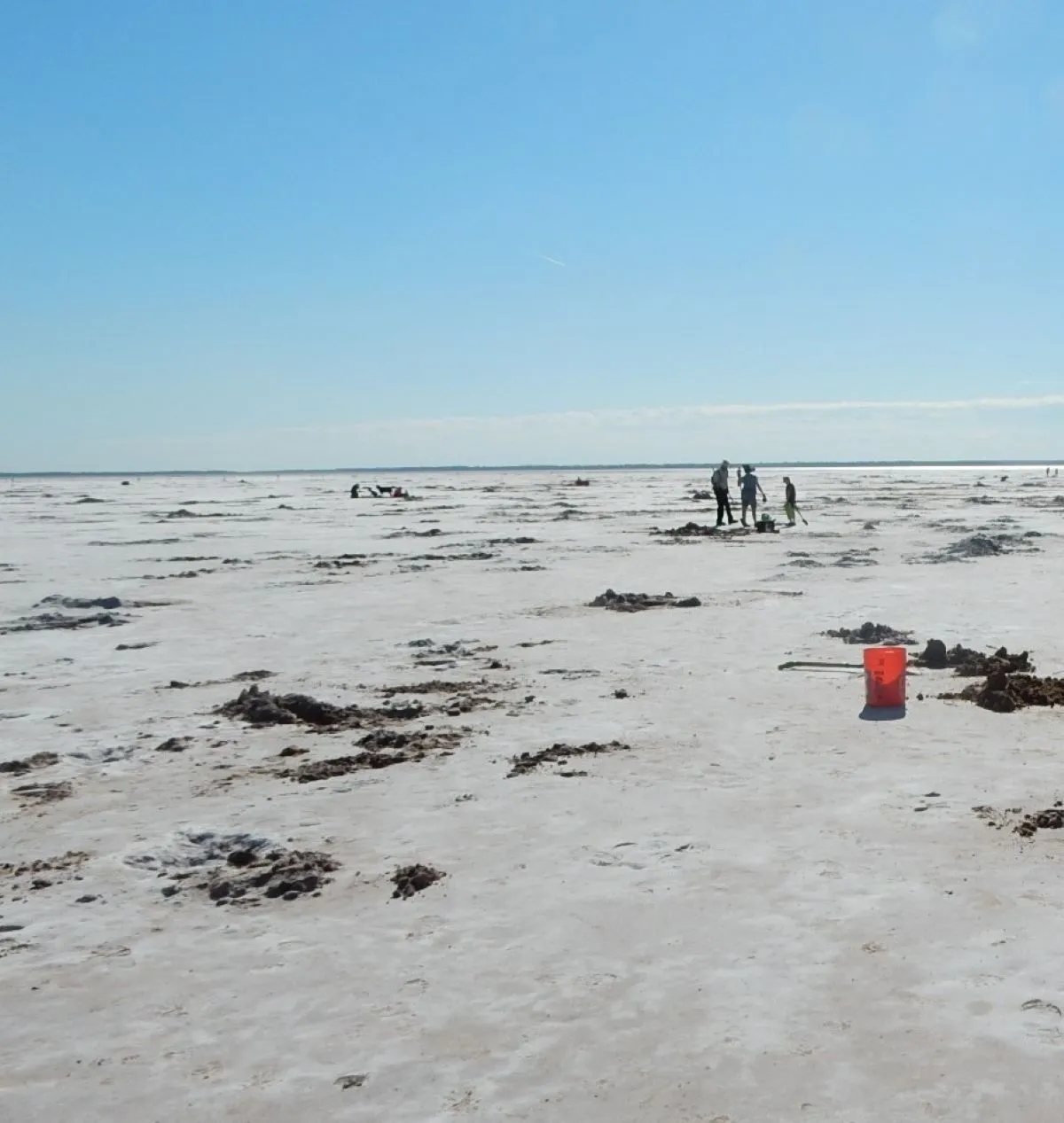
Selenite is a crystalline form of gypsum. At Salt Plains, crystals form just below the salt-encrusted surface, and particles incorporated as they grow can create the distinctive hourglass pattern. The refuge identifies this as the only place in the world where visitors can dig for these hourglass selenite crystals.
The designated digging area normally opens April 1 through October 15, sunrise to sunset, and digging is free. It closes for the rest of the year to protect whooping cranes and other wildlife. Check the current refuge page before setting out in case weather or other conditions affect access.
The gate address is 66003 Garvin Road, Cherokee, Oklahoma. From the gate, follow the permitted route about a mile to the area marked by bright orange signs. Dig only inside that area: the larger salt flats are protected habitat, not an open invitation to wander.
2. Pack for a day on the flats
Bring a shovel, sun protection and plenty of water for drinking, rinsing crystals and cleaning up. Bright salt and open sky can make sun exposure intense. The Fish and Wildlife Service advises digging a hole no deeper than two feet, pouring water along its sides and bottom, and carefully collecting the crystals by hand. Crystals can be fragile; let them dry rather than leaving them sitting in water.
Each person may collect up to ten pounds plus one large cluster per day for personal use; selling the crystals is prohibited. Pets must be leashed and drones are not allowed. The agency says not to worry about filling the holes: wildlife can use them after the digging area rotates.
Stay alert for unfamiliar objects. A refuge safety brochure says that if you encounter possible military debris or anything suspicious, do not touch it; retreat and report it to the refuge or 911. Wash salt from underneath your vehicle afterward to help protect it.
3. Visit the observation deck outside digging season
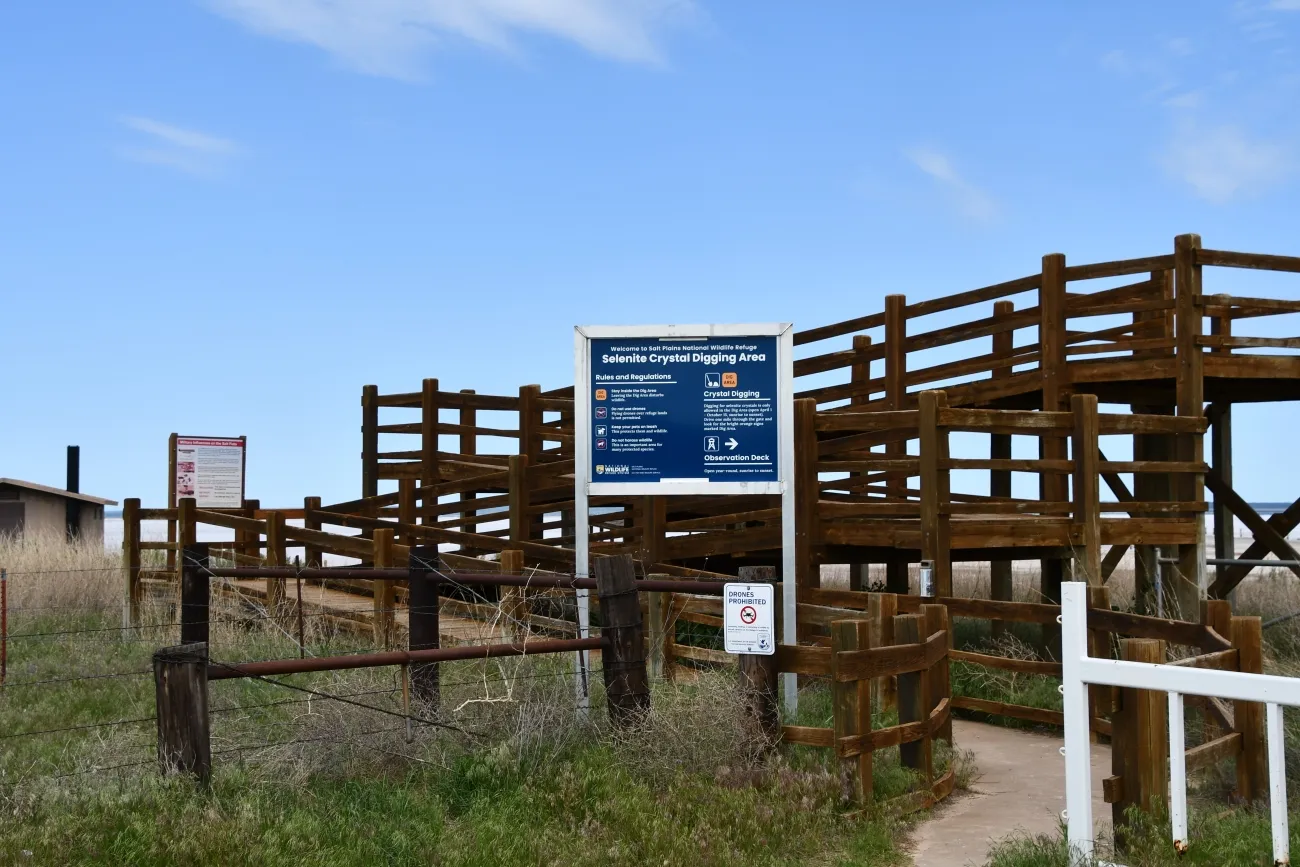
Missing the digging window does not mean missing the landscape. An observation deck outside the digging-area gate provides a view across the flats and is generally open year-round from sunrise to sunset. Interpretive material helps explain the habitat and the area's history. Confirm access on the day of your trip.
Bring binoculars and treat the deck as a place to observe from a distance. The seasonal closure is there for wildlife, and visitors should remain outside closed areas. It is a good stop for a cool-season itinerary when digging is unavailable, though conditions on an exposed platform can still be windy or bright.
4. Watch for birds along an open trail
Salt Plains protects wetlands and other habitat used by migratory birds. The refuge reports that more than 300 bird species have been observed since its establishment. Sandhill cranes, waterfowl and eagles are among the seasonal possibilities, but wildlife sightings depend on weather, water levels and migration timing.
The refuge lists Eagle Roost, Hoot Owl Loop, Casey Marsh, Sandpiper and Jet Recreation trails among routes normally open year-round from sunrise to sunset. Two fishing trails have a separate April 1–October 15 season and are open for fishing. Check the latest closure notices, stay on permitted routes and give birds room, particularly when they are resting or nesting.
5. Take the wildlife drive and plan around closures
The Harold F. Miller Auto Tour offers another way to see refuge habitat. A vehicle can be useful for visitors who prefer a less strenuous outing, though it is still wise to bring water and binoculars. Drive slowly, pull over only where permitted and use the refuge's map to understand the one-way route.
The visitor center was listed as closed for remodeling when this guide was prepared, and trails or the drive may close for controlled hunts or maintenance. Check the official refuge page or call 580-626-4794 before traveling. Entry is free, but facilities and activities have different schedules. A flexible day might combine the observation deck, an open trail and the auto tour—or a seasonal crystal dig when the area is open.