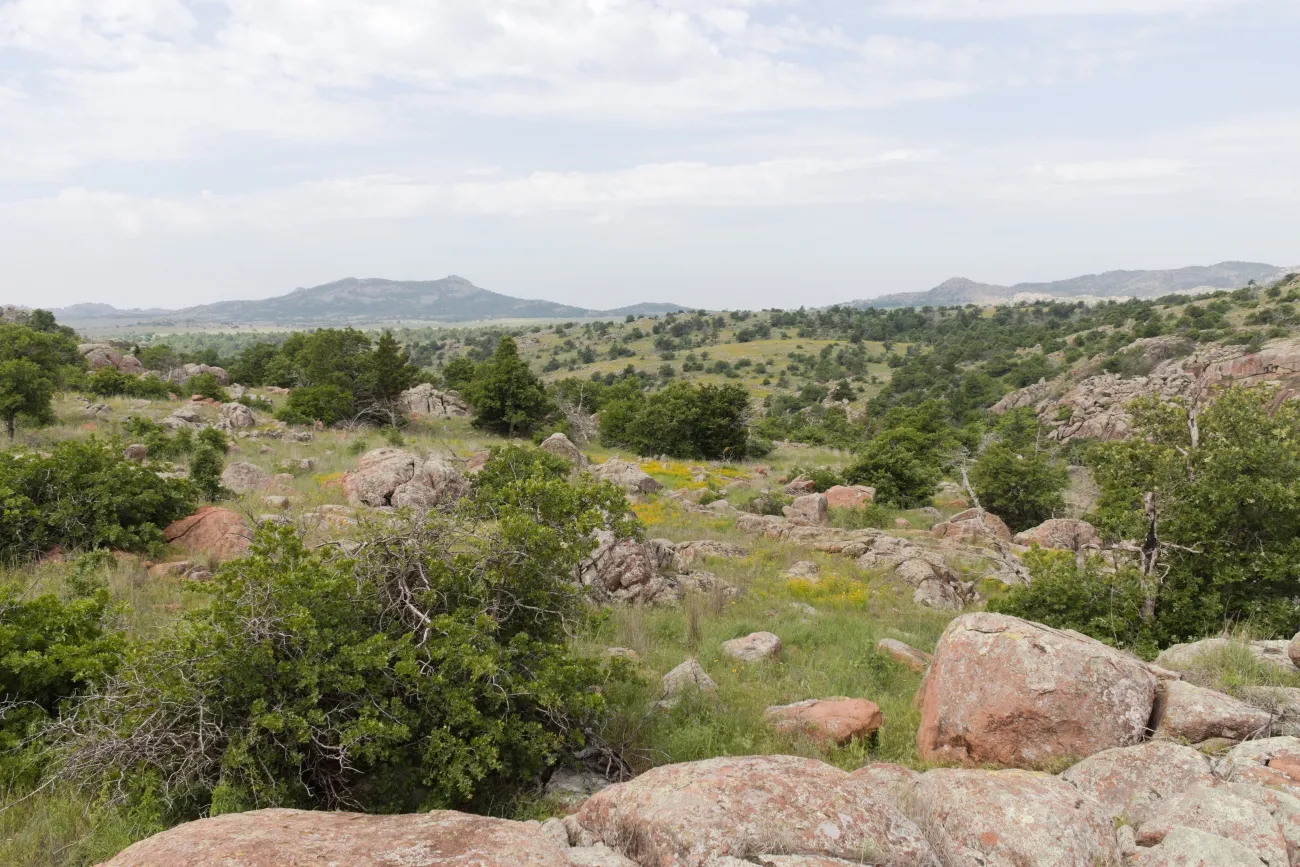
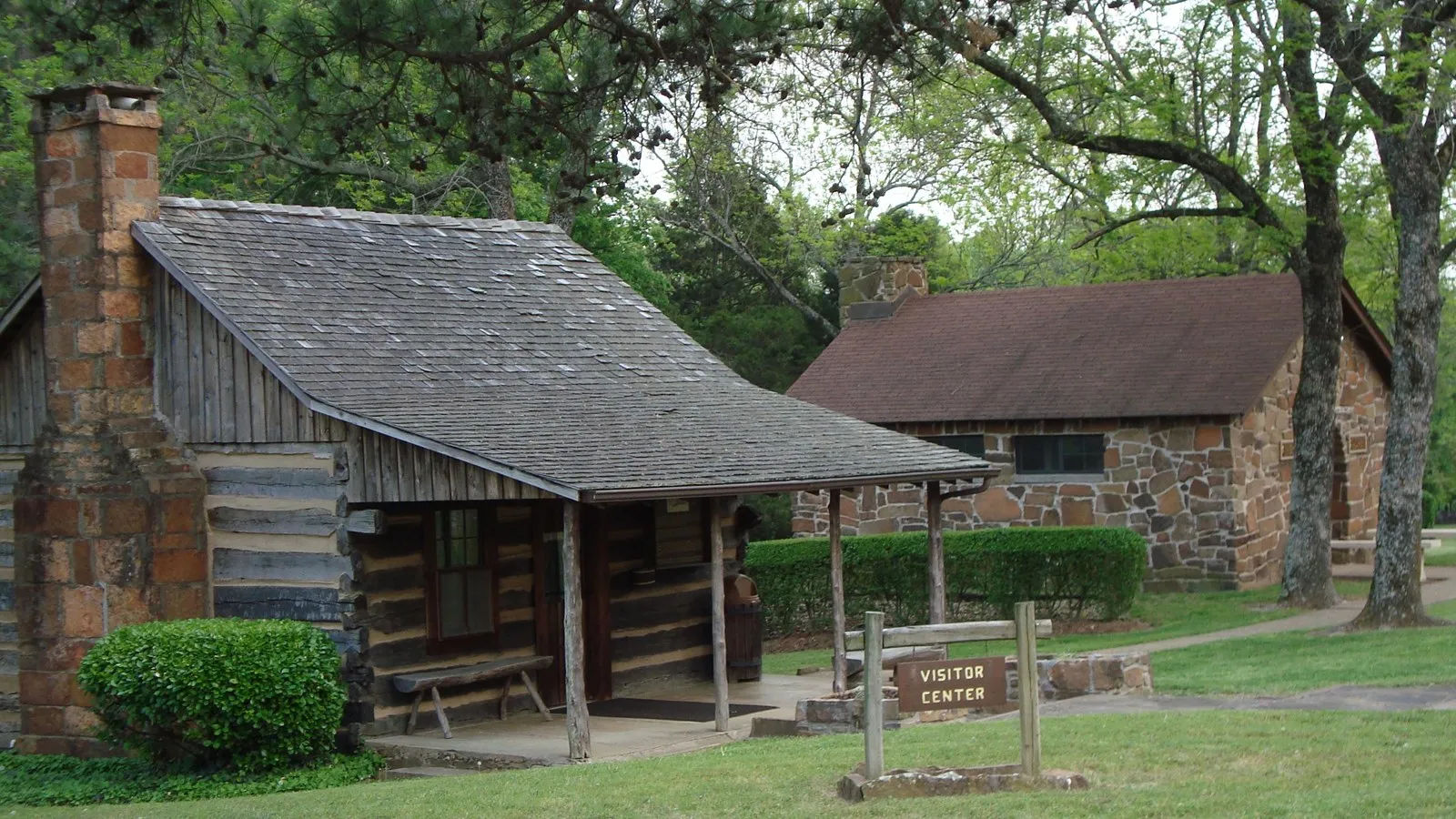
Near Vian in eastern Oklahoma, Sequoyah National Wildlife Refuge protects bottomland forests and wetlands in the Arkansas River floodplain. A visitor can explore by car, walk a paved nature trail or pause beside water to watch for birds. The refuge is free to visit and provides an accessible introduction to a landscape shaped by the meeting of rivers and a reservoir.
Wildlife and habitat protection come first here, so activities and access vary across the refuge. Use these four ideas to plan a flexible day, and check the Fish and Wildlife Service's latest alerts before traveling.
1. Start with a map and the visitor contact station

The visitor contact station inside refuge headquarters has exhibits, brochures and information about wildlife, habitat management and local history. Staff can help explain the main tour road and current conditions. Headquarters is south of Interstate 40's Vian exit at 107993 S 4520 Road; follow the refuge's directions rather than assuming every navigation app will use the same road name.
Headquarters hours differ from the refuge's outdoor hours. The agency lists weekday office hours and generally opens the Sandtown Bottom Unit and Sally Jones Lake from 5 a.m. until one hour after legal sunset. Confirm both before arriving. There is no entrance charge.
2. Follow the Sandtown Bottom tour road
The main tour road passes through the Sandtown Bottom Unit and provides access to several boat ramps, parking areas and the nature trails. Traveling slowly gives passengers a chance to scan wetlands, open water and woodland edges. Use designated places to stop, yield to other vehicles and never block the road for a photograph.
An auto tour can be a comfortable option for visitors who do not want a long hike. Bring binoculars and keep expectations flexible: sightings depend on weather, water levels and the animals' movements. The refuge says the highest concentrations of waterfowl typically occur from November through January, but no particular bird is guaranteed.
The drive can close in part for management and hunting. For example, the refuge announced closures beyond Tuff Boat Ramp on November 18–20 and December 2–4, 2026, for controlled deer hunts. These are specific dates, not a permanent schedule; review current notices for your visit and follow posted closures.
3. Choose a paved trail beside water or forest
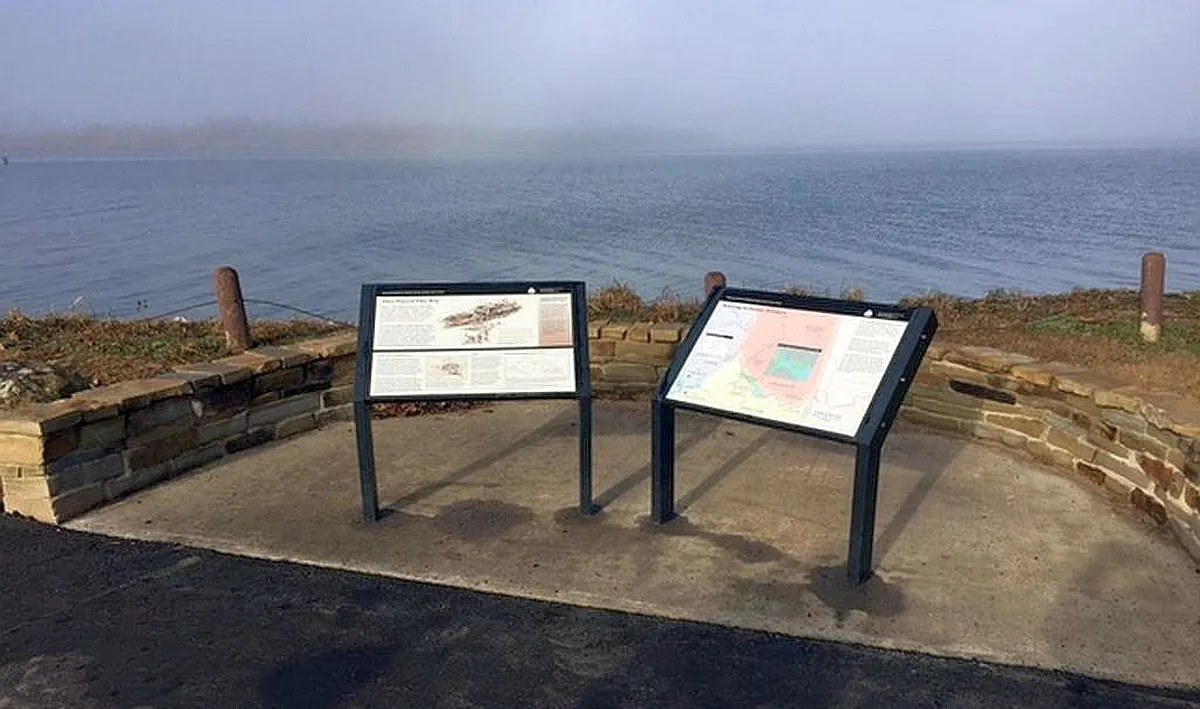
Horton Slough Nature Trail begins near headquarters and follows a wetland overlooking Sally Jones Lake. The refuge describes it as roughly one mile, paved and accessible, with an overlook and benches. In winter, snow geese and other waterfowl use the area, and bald eagles may also be seen. Bring a camera or binoculars and watch quietly from the trail.
Sandtown Woods Nature Trail is another roughly one-mile paved route, with views toward the Arkansas and Canadian rivers' delta and a transition into bottomland hardwood forest. Check the current trail listing for precise distances and surface conditions: the refuge's detailed listing gives lengths slightly over a mile. Ask staff about any temporary closure and whether a route meets your accessibility needs.
4. Learn the landscape's history and travel prepared
The refuge was established in 1970 as an overlay of the Robert S. Kerr Reservoir project. Its approximately 20,800 acres provide habitat for migratory birds and resident wildlife. People relied on the river landscape long before the refuge existed; the agency notes that Caddoan and other cultures used the area for centuries, and interpretive material also discusses the Trail of Tears.
Leave cultural and natural features in place. The refuge prohibits collecting plants, wildlife and cultural resources; keep pets leashed or under control and observe animals from a safe distance. Hunting occurs in designated areas, so pay attention to current rules and signs even when your plan is simply birdwatching.
Bring water, snacks, sunscreen and insect protection, as the refuge recommends. Vault toilets are available at several trail and ramp locations, while headquarters restrooms depend on office access. For a first visit, pick up a map, drive an open section of the tour road and choose one trail. Call 918-773-5251 if you need help confirming access for your date.