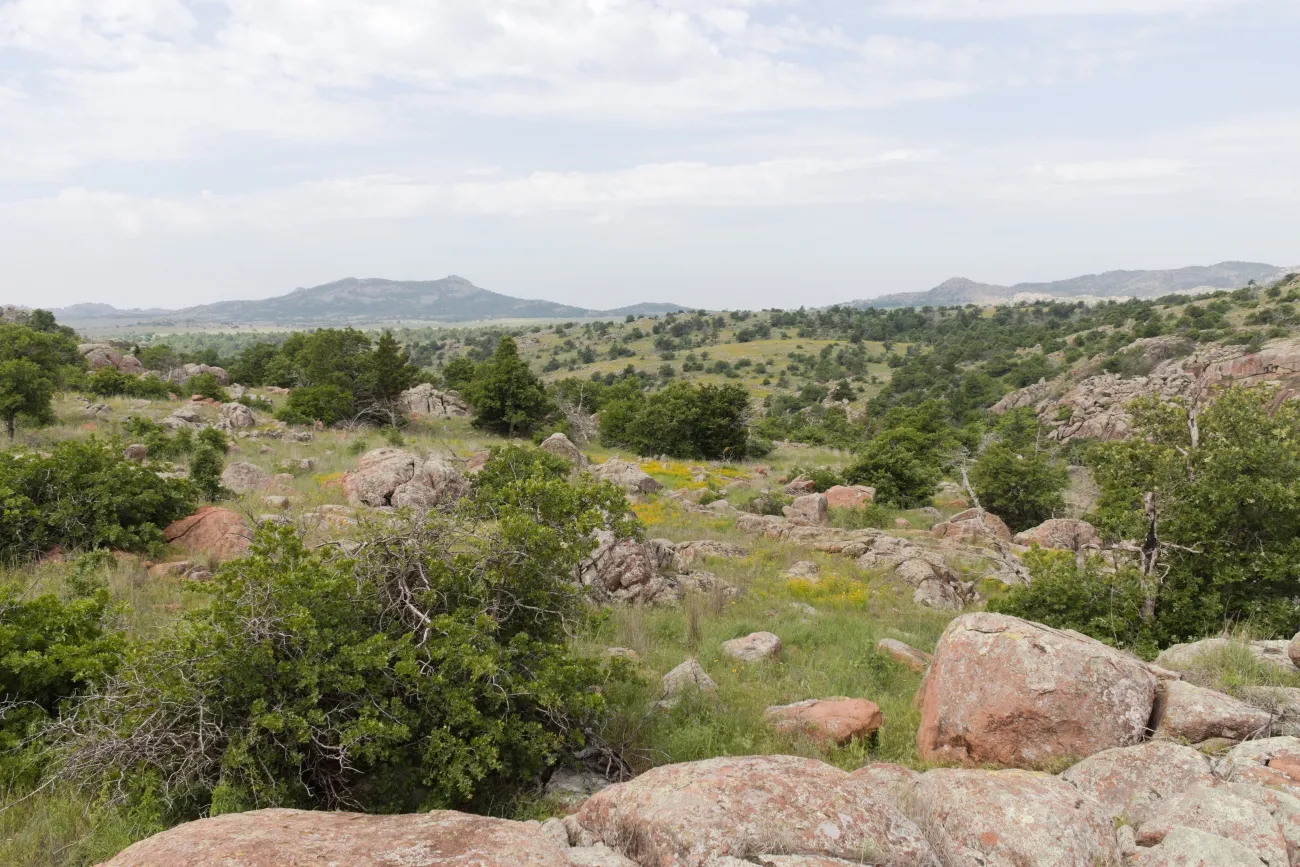
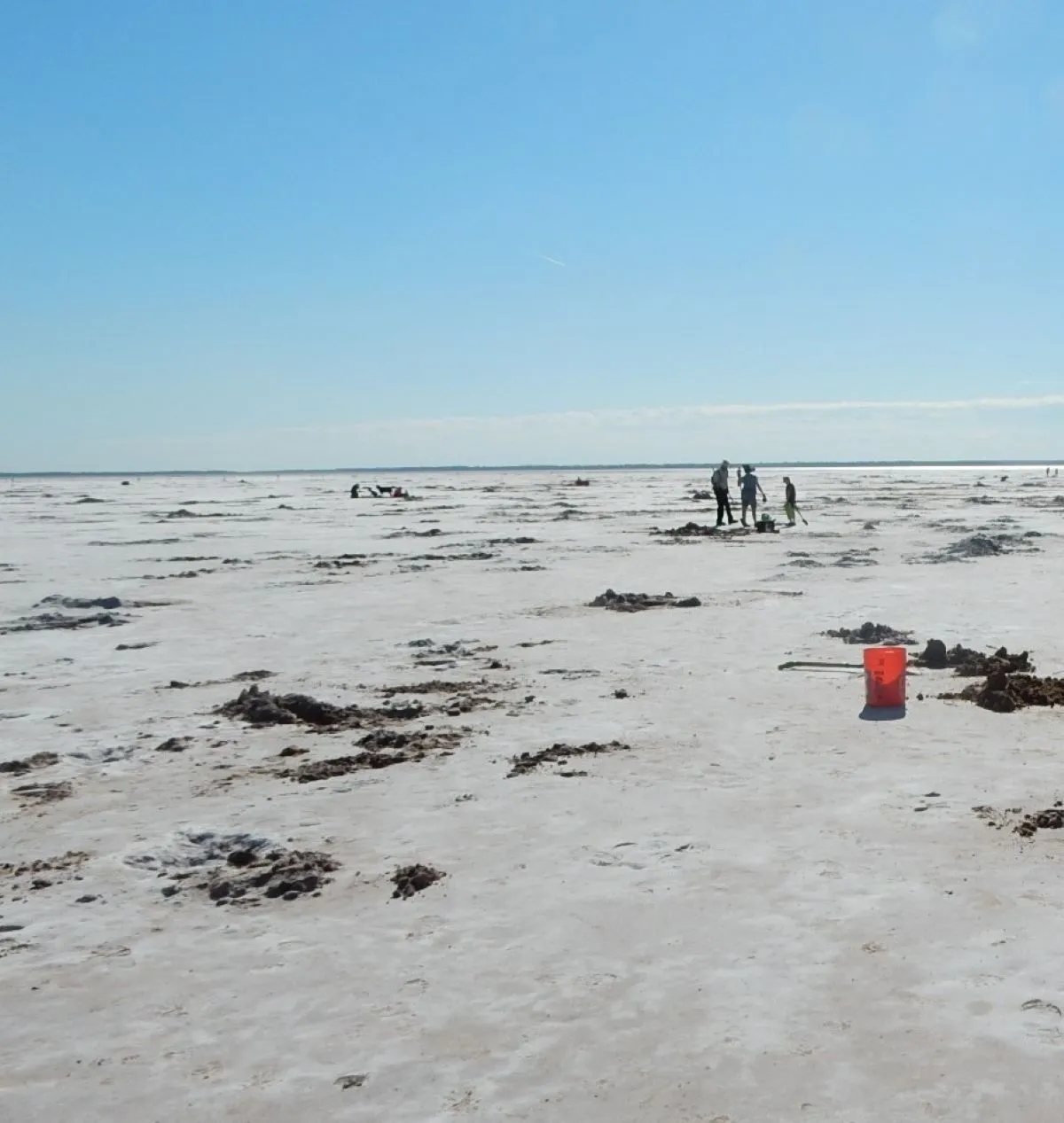
South of the town of Tishomingo, a wildlife refuge protects a part of the Washita arm of Lake Texoma. Here, visitors can follow short paths through woodland and prairie, look across the water for birds and learn about a landscape managed for wildlife. The refuge makes an easy addition to a south-central Oklahoma itinerary, with free entry and options for different walking abilities.
Established in 1946, Tishomingo National Wildlife Refuge is an administrative overlay on U.S. Army Corps of Engineers land. Its wetlands and uplands provide habitat for migratory birds and other wildlife. These five ideas offer a first visit without promising that any particular animal will appear.
1. Get oriented near the visitor center
The refuge visitor center is two miles south of town on South Refuge Road. Exhibits, maps and a wildlife list can help you identify what you are seeing and choose a route. The address is 11766 South Refuge Road, Tishomingo, Oklahoma.
The Fish and Wildlife Service lists variable weekday visitor center hours and weekend closures, so call 580-371-2402 before counting on indoor access. Refuge lands and trails generally open from sunrise to sunset. Entry is free, but some activities and areas have separate regulations. Check current alerts and pick up a map at an available kiosk if the center is closed.
2. Take the Craven Nature Trail toward Dick's Pond
Craven Nature Trail offers woodland and a boardwalk overlooking Dick's Pond. The refuge describes the loop as approximately half a mile, with a quarter-mile paved accessible segment from the trailhead to the boardwalk. Other sections include gravel. Interpretive panels and benches make it possible to stop and look rather than rush through.
The agency's older brochure lists a different total loop distance, so check the current map or ask staff before relying on a precise mileage estimate. Watch for ducks, herons or smaller woodland birds, using binoculars for a closer view. Surfaces and water levels can change after rain; confirm conditions if accessibility is a priority.
3. Explore Prairie Pathways
Prairie Pathways is a paved network near the historic headquarters, described by the refuge as an accessible half-mile loop. Interpretive signs introduce local plants, animals and the area's history. A native plant demonstration garden and views toward Cumberland Pool add variety to a short walk.
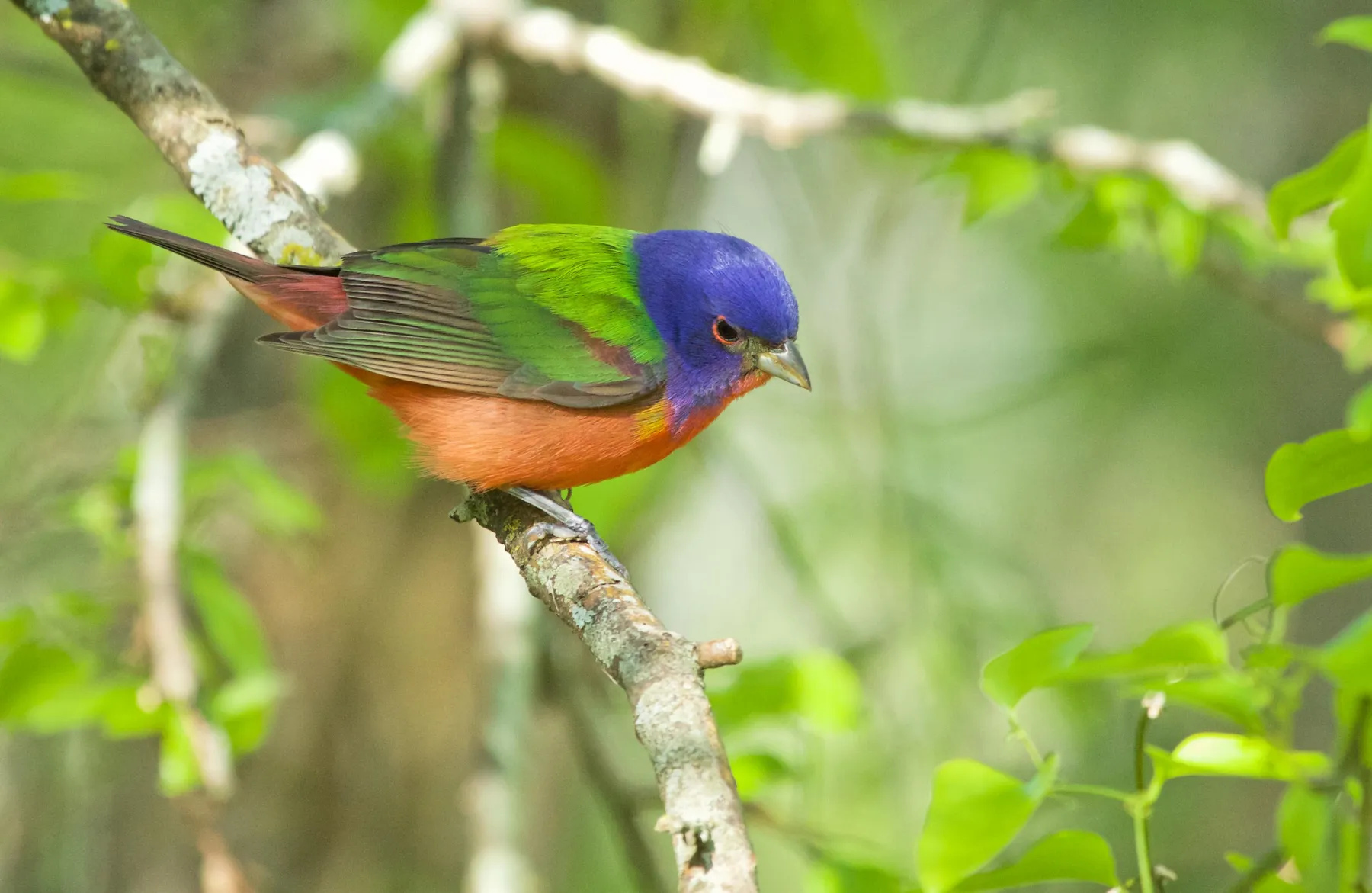
The refuge notes that butterflies, including monarchs, may be seen in spring and summer and that milkweed grows along the trail in warmer months. Wildlife activity changes with the season, so treat each observation as a possibility rather than a promise. Stay on designated paths and leave plants and insects where you find them.
4. Look for birds near Cumberland Pool
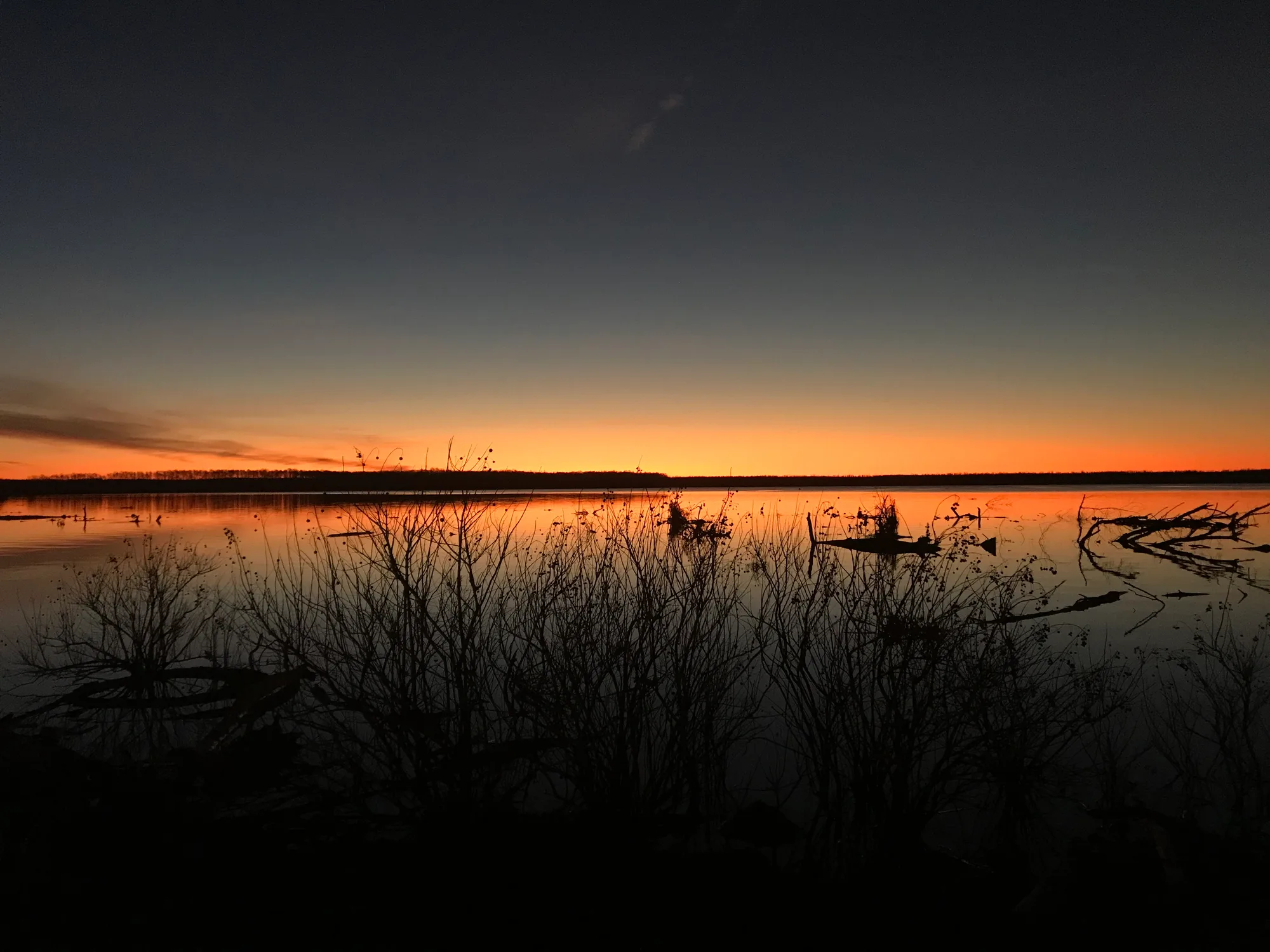
Water and surrounding fields draw a range of seasonal birds. The refuge describes winter visits by snow geese and other waterfowl, while shorebirds and wading birds use the shallows at other times. Headquarters areas, Prairie Pathways, Murray 23 and Jemison Overlook are among the places the agency suggests for observing open-water birds.
The Eagle Cove overlook is another place to scan the landscape. A field guide or identification app can help, but give wildlife space and avoid playing recordings to attract birds. Early morning and late afternoon are often productive according to refuge staff. Bring water and sun protection even for a short outing.
5. Choose a longer walk or waterside stop
Sandy Creek Trail is a short dirt loop, while Osi' Aapisa' Hin-oshi', or Eagle Lookout Trail, offers a longer option between Murray 23 and an observation tower beyond Sandy Creek. The refuge lists the latter as 2.4 miles one way on uneven dirt, gravel and grass. Plan for the return trip unless you have arranged transportation, and check for closures before leaving the trailhead.
Fishing and boating are permitted in designated areas subject to current rules and applicable permits. Swimming, personal watercraft and waterskiing are prohibited on the refuge. Keep pets leashed, stay on open roads and trails, and pack out trash. For a first day, combine the boardwalk and Prairie Pathways with a picnic or a birding stop, leaving the longer trail for a visit with more time.