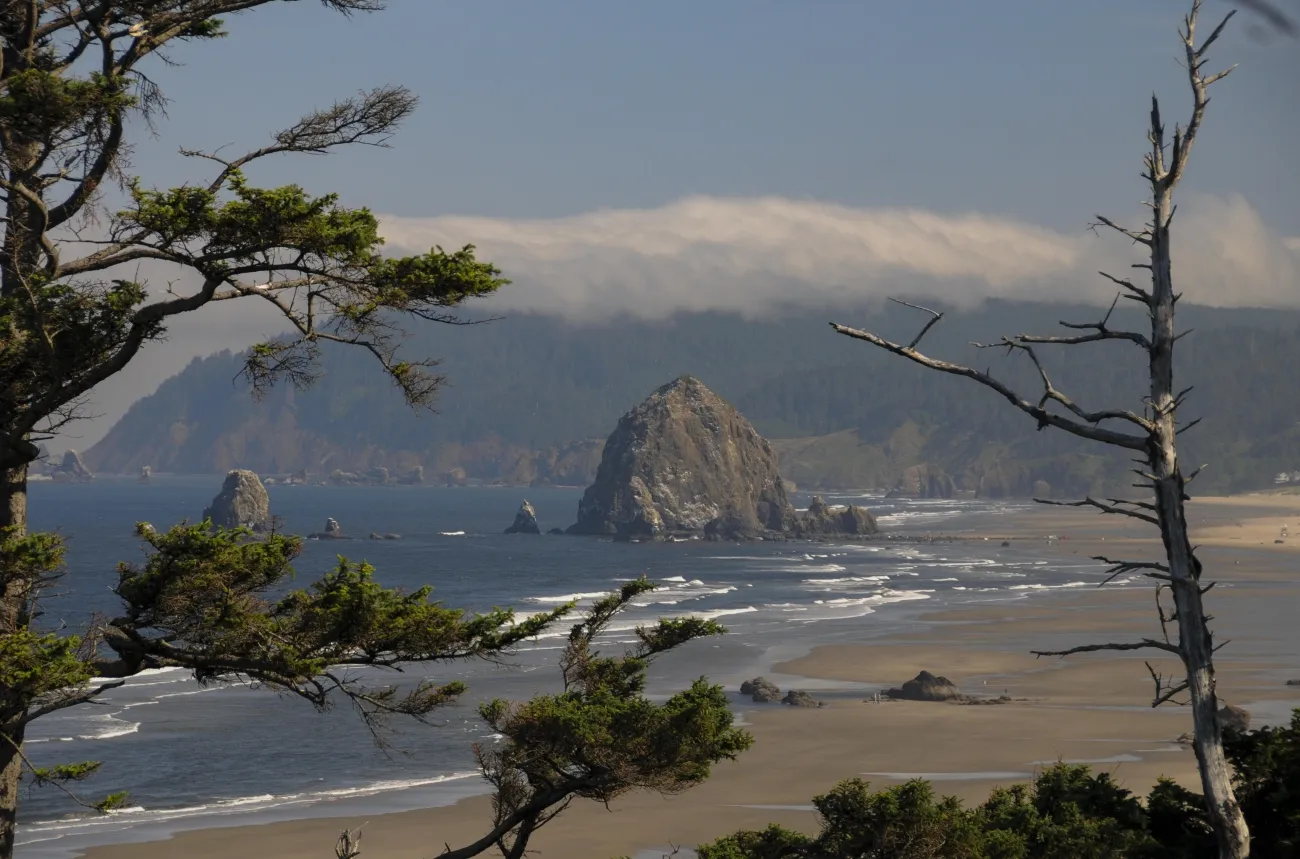
Haystack Rock rises from the shoreline at Cannon Beach, framing one of the Oregon coast’s most familiar views. Look closer and the landmark is also habitat: tidepools shelter marine life, and seabirds nest on the protected rock above the beach.
A good visit combines time on the sand with attention to tides, weather and wildlife. These six ideas can help you enjoy Cannon Beach while caring for the coast and the communities that share it.
1. Check tides and ocean conditions
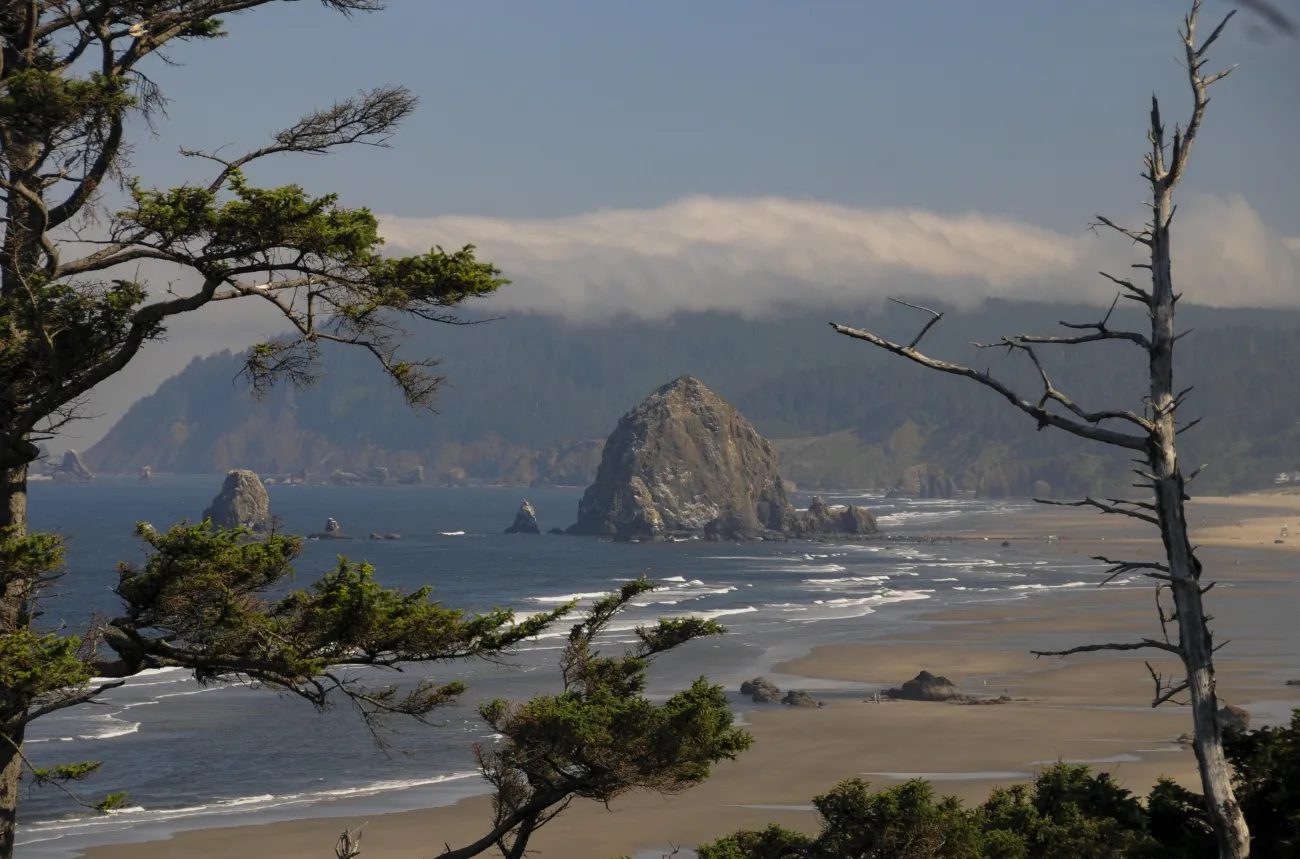
Consult a local tide table before walking near the rocks. An incoming tide can cut off a route that was dry earlier, and the Pacific can send unexpectedly large sneaker waves onto the beach. Stay aware of the water, keep children close and never turn your back on the ocean.
Logs on the beach can move suddenly in surf and cause serious injury. Give them plenty of space, particularly during high water or storms. Wind, fog and rain can also change the feel of the shoreline quickly, so bring layers and a waterproof jacket.
Low tide can create opportunities to see marine life, but it does not make every day safe. If waves are rough or staff close an area, enjoy the landmark from farther back on the sand or an open viewpoint.
2. Give Haystack Rock’s wildlife room
Haystack Rock is part of Oregon Islands National Wildlife Refuge. The U.S. Fish and Wildlife Service says the area above mean high tide is closed to public use year-round to protect nesting and roosting seabirds. Do not climb the rock or cross posted boundaries.
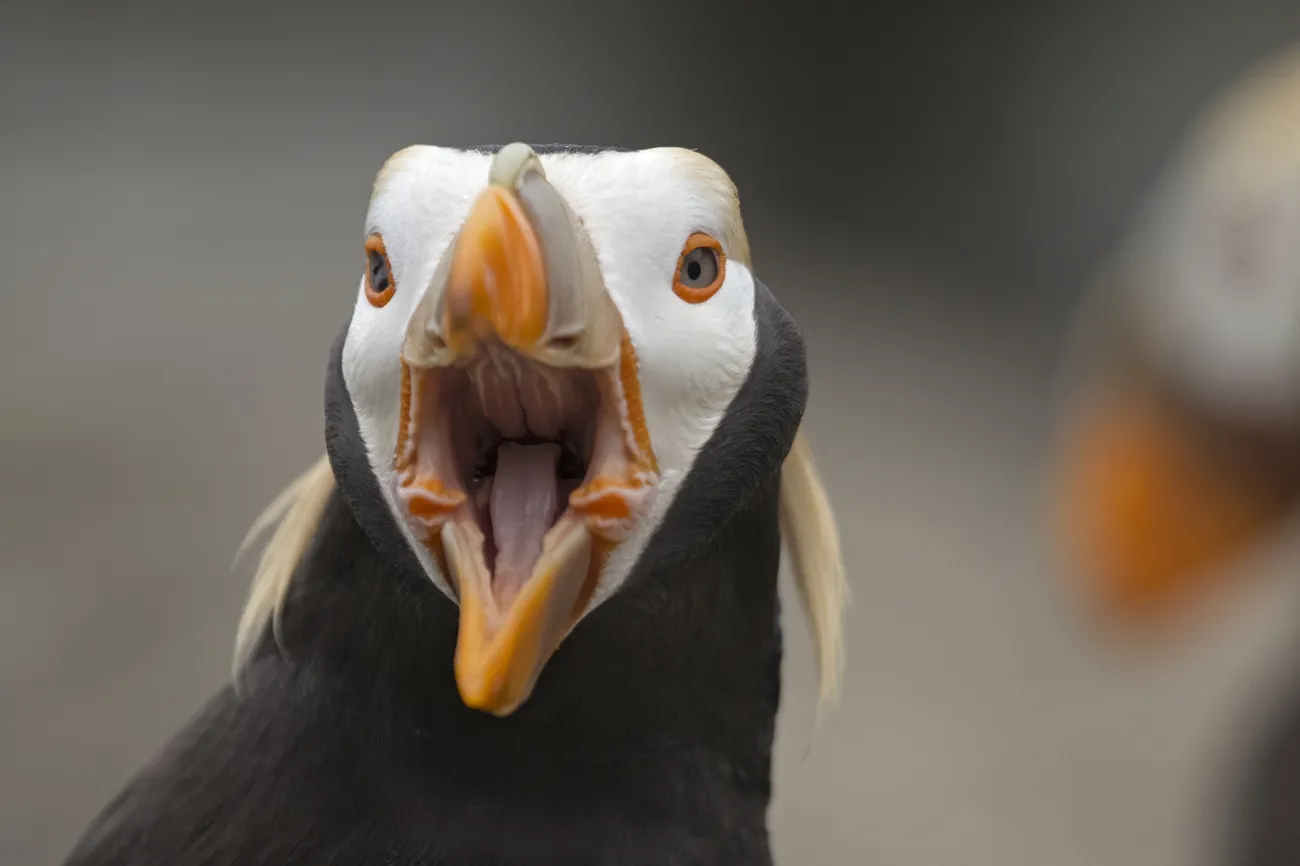
From the beach, binoculars can reveal birds on the rock without disturbing them. Tufted puffins nest along the Oregon coast in the warmer months; the USFWS identifies Haystack Rock as one place to look from shore. Sightings depend on the season and the birds’ behavior, so no encounter is guaranteed.
Give resting animals space and avoid loud noises or attempts to make wildlife move for a photograph. Keep dogs under control and follow current local rules. A quiet observer is more likely to see natural behavior and less likely to disrupt it.
3. Explore tidepools gently
At an appropriate low tide, the rocky shoreline can reveal anemones, sea stars and other organisms. Watch where you put your feet, move slowly on slippery surfaces and observe without prying animals from rocks. Leave shells, stones and living creatures in place.
Check for signs or local volunteers who can explain current conditions and tidepool etiquette. A pocket guide or a conversation with an interpreter can make small discoveries more meaningful. Keep a clear route back to dry beach and watch the tide throughout the visit.
Tidepools are habitats, not collecting bins. Avoid stepping directly on animals, turning over rocks or carrying creatures away. These simple choices help preserve the marine garden for wildlife and the next visitor.
4. Make time for Cannon Beach itself
The town provides a convenient place for a meal, galleries or supplies before returning to the shore. Park only in designated spaces, observe local restrictions and allow time to walk rather than circling for the closest possible spot. Summer and holiday weekends can be especially busy.
Bring a bag for litter, secure loose belongings against the wind and respect private property and nearby residents. The coast is enjoyable in many kinds of weather, but a stormy day may be best spent watching waves from a safe distance with a warm indoor break nearby.
Indigenous communities have longstanding connections to this coastline. Seek out local cultural interpretation and listen to the voices of the communities who continue to care about the region.
5. Consider Ecola State Park for another perspective
North of Cannon Beach, Ecola State Park offers coastal viewpoints and trails around Tillamook Head. Check Oregon State Parks for the current day-use parking requirement, weather and trail conditions before driving. The park’s overlooks offer a different perspective from the beach, but cliffs and slippery ground require care.
As of the state park’s posted April 2026 notice, the west section of the Clatsop Loop Trail is closed until further notice because of an active landslide. Do not bypass the closure; ask staff or use an open alternative. Additional conditions can change after storms.
Stay on established paths and behind barriers. Fog may obscure the view, and strong winds can make an exposed overlook uncomfortable. A shorter stop is a sensible choice when weather changes.
6. Leave the coast ready for the next visitor
Plan enough time for the return drive and check traffic and weather on U.S. 101. Carry out all waste, avoid disturbing wildlife and follow posted closures. The offshore rocks of Oregon Islands National Wildlife Refuge are protected year-round; the best way to experience them is from an open mainland beach or viewpoint.
Haystack Rock’s appeal extends beyond its silhouette. A thoughtful visit leaves room for the birds, tidepool life and people who make Cannon Beach special.