Deep in Oregon’s Siskiyou Mountains, water moving through marble created the twisting passages and formations of Oregon Caves National Monument and Preserve. A ranger-led tour is the way to see the cave; forests and mountain trails add another dimension above ground.
The cave is not a casual walk through a wide hallway. Its seasonal schedule, mountain road and physical requirements deserve attention before you book. These six tips can help you decide whether the trip fits your group.
1. Check the tour season and reserve ahead
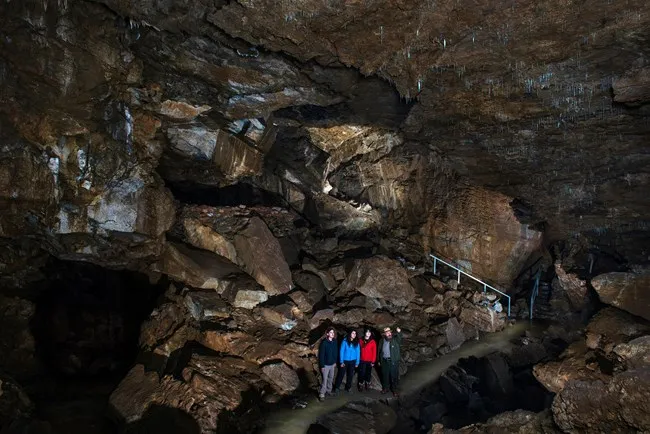
The National Park Service says cave access is by guided tour and requires a timed ticket. Advance reservations are recommended through Recreation.gov, while some same-day tickets may be available at visitor centers. Summer and holiday periods can sell out, so check availability before making a long drive.
For 2026, the NPS listed the Discovery Cave Tour through November 1, with schedules varying by season. Future dates can change; consult the park’s current tour and hours pages instead of assuming the cave operates year-round. No general park entrance fee is charged, but tours have their own fees.
The Illinois Valley Visitor Center in Cave Junction can provide current information before the drive up the mountain. Park guidance recommends stopping there for same-day tickets; check current hours and purchase instructions, and allow time for everyone in your party to arrive.
2. Allow time for the mountain road
From Cave Junction, the road to the monument is winding and takes about 40 to 45 minutes according to the NPS. Give yourself a margin for slower traffic, weather and the walk from parking to the visitor center or tour meeting point. Check road conditions before leaving and do not rely on a cell signal throughout the drive.
The park’s current planning information says the historic Oregon Caves Chateau and dining facilities are closed for repair and rehabilitation. Bring a picnic or eat in Cave Junction, and verify any changes before relying on meals or lodging at the monument.
Fill your vehicle with fuel and carry water. Mountain weather can be cooler than the valley, and rain or snow can affect the drive and surface trails. A late arrival can mean missing a timed tour even when the distance looks short on a map.
3. Understand the physical demands
The Discovery Cave Tour lasts about 90 minutes and involves narrow, twisting passages and more than 520 steps. Some steps are steep, uneven or lack handrails. The NPS describes a section with a ceiling as low as 45 inches, and guides check whether visitors can safely crouch and walk before the tour.
The park does not recommend the route for some visitors with heart or breathing conditions, balance difficulties or significant trouble walking or climbing stairs. Contact the park for individual accessibility information. If the full route is not right for someone in your group, ask staff what alternatives are currently available.
Children must be at least 42 inches tall for the Discovery Cave Tour and cannot be carried through the cave. Confirm the current rules before purchasing tickets, and choose a surface activity if the requirement or the length of the tour does not suit a child.
4. Dress for a cool, protected cave
The cave is about 44°F, so bring a warm layer even in summer. Wear sturdy, closed-toe shoes with good traction. The park prohibits items including backpacks, purses, food, gum, walking sticks and tripods on the tour; check the latest list and leave unnecessary belongings secured before entering.
The cave is lit and the ranger carries a light. Follow the guide, stay with the group and avoid touching walls or formations. Oils and contact can damage delicate features that took a long time to develop. Ask about photography rules and respect other visitors’ ability to see in the dim light.
To protect bats from white-nose syndrome, follow NPS instructions about clothing and equipment previously used in caves or mines. Tell staff about relevant prior visits and use any required cleaning procedures. The rule protects animals that depend on caves far beyond this one visit.
5. Explore the mountain above ground
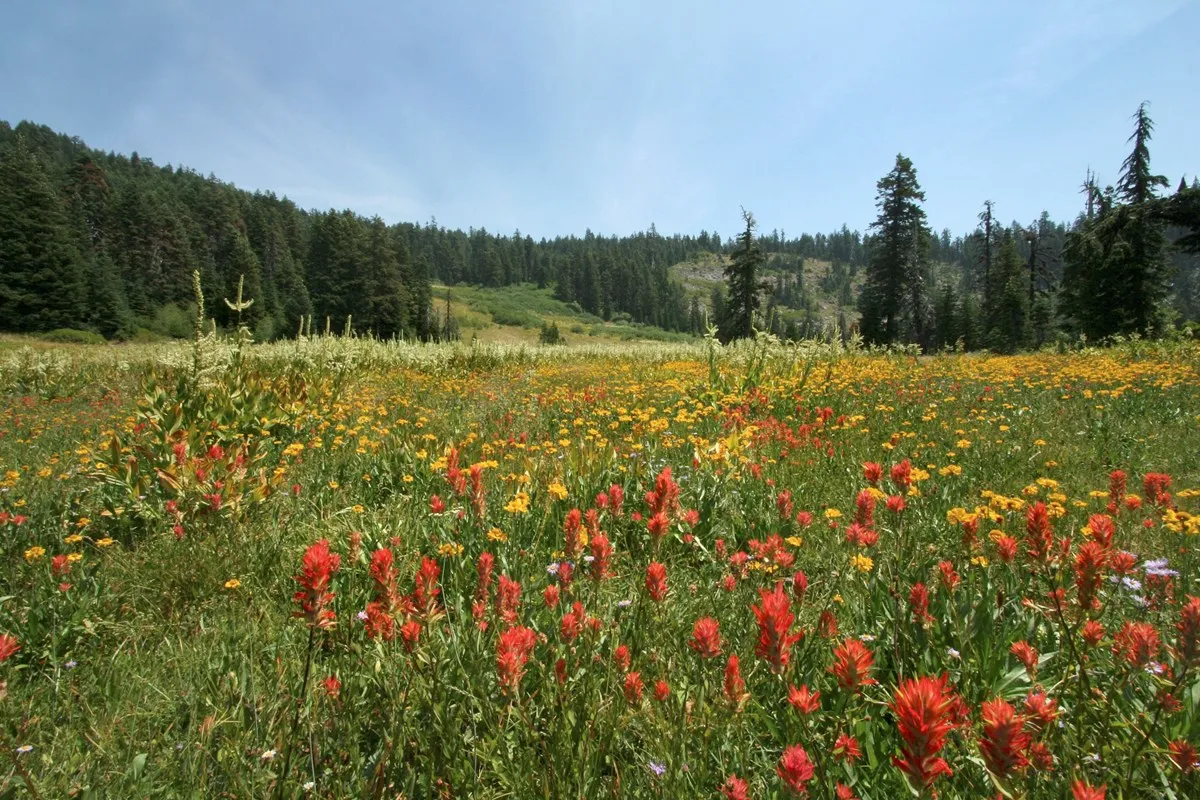
Oregon Caves includes forests, meadows and surface trails as well as the underground tour. Ask a ranger for routes that are open and appropriate for the group, especially if someone is not joining the cave tour. The preserve’s elevation and terrain can make even a short walk feel different from a valley stroll.
Carry water and a map, stay on designated trails and watch for uneven ground. Snow can linger or return in colder months, while summer storms can change conditions quickly. Do not enter caves or closed areas independently; the guided route protects visitors and sensitive resources.
Give wildlife space, pack out litter and leave plants, rocks and cultural objects in place. A surface walk can be a satisfying way to understand the setting without treating the cave as the only destination.
6. Leave room for a flexible return
Tour schedules, staffing and weather can change. Confirm your reservation and check current park alerts shortly before traveling. Allow enough time after the tour for the winding drive back, particularly if rain or darkness is expected.
The nearby communities of Cave Junction and the Illinois Valley offer places to plan meals and supplies. A flexible schedule makes it easier to enjoy both the marble passages and the mountain landscape while respecting the park’s limits.