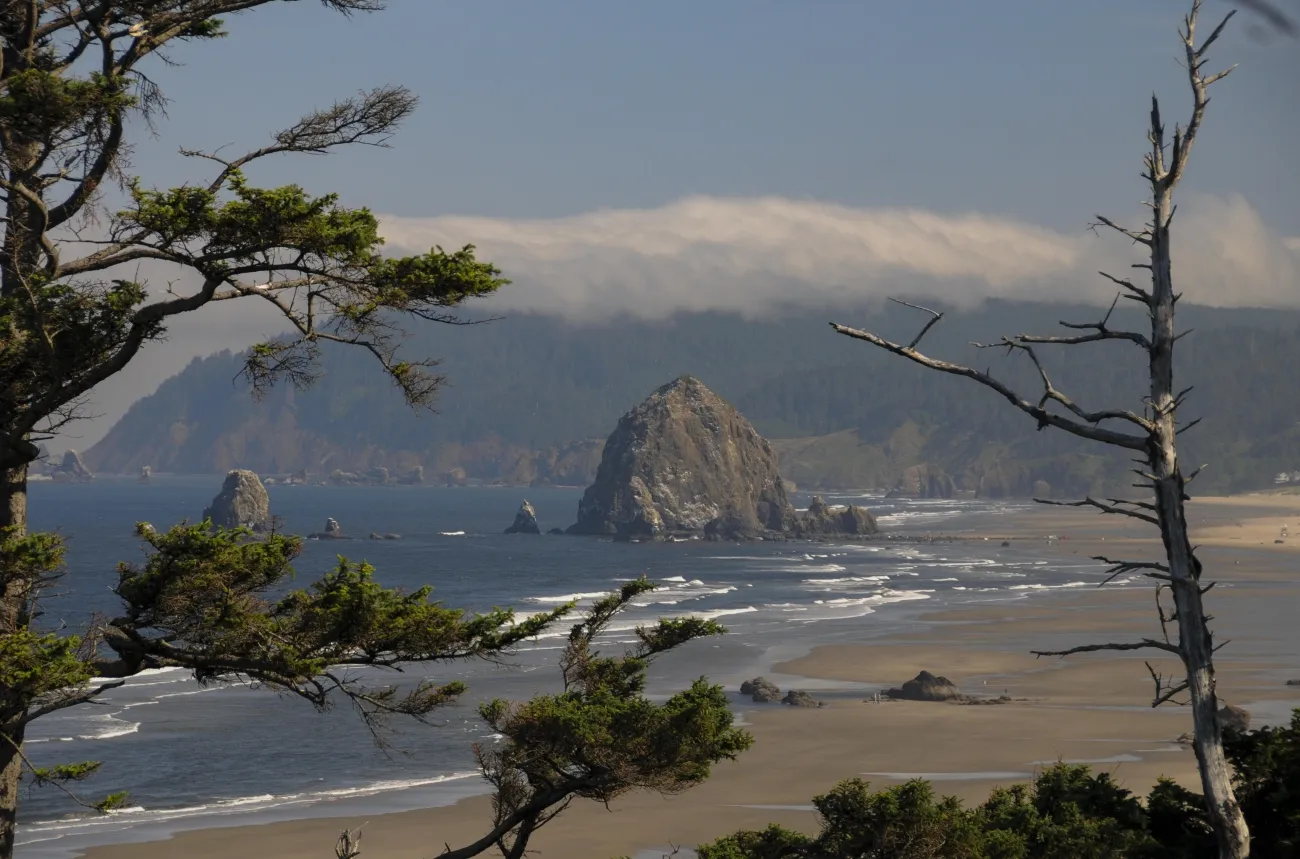
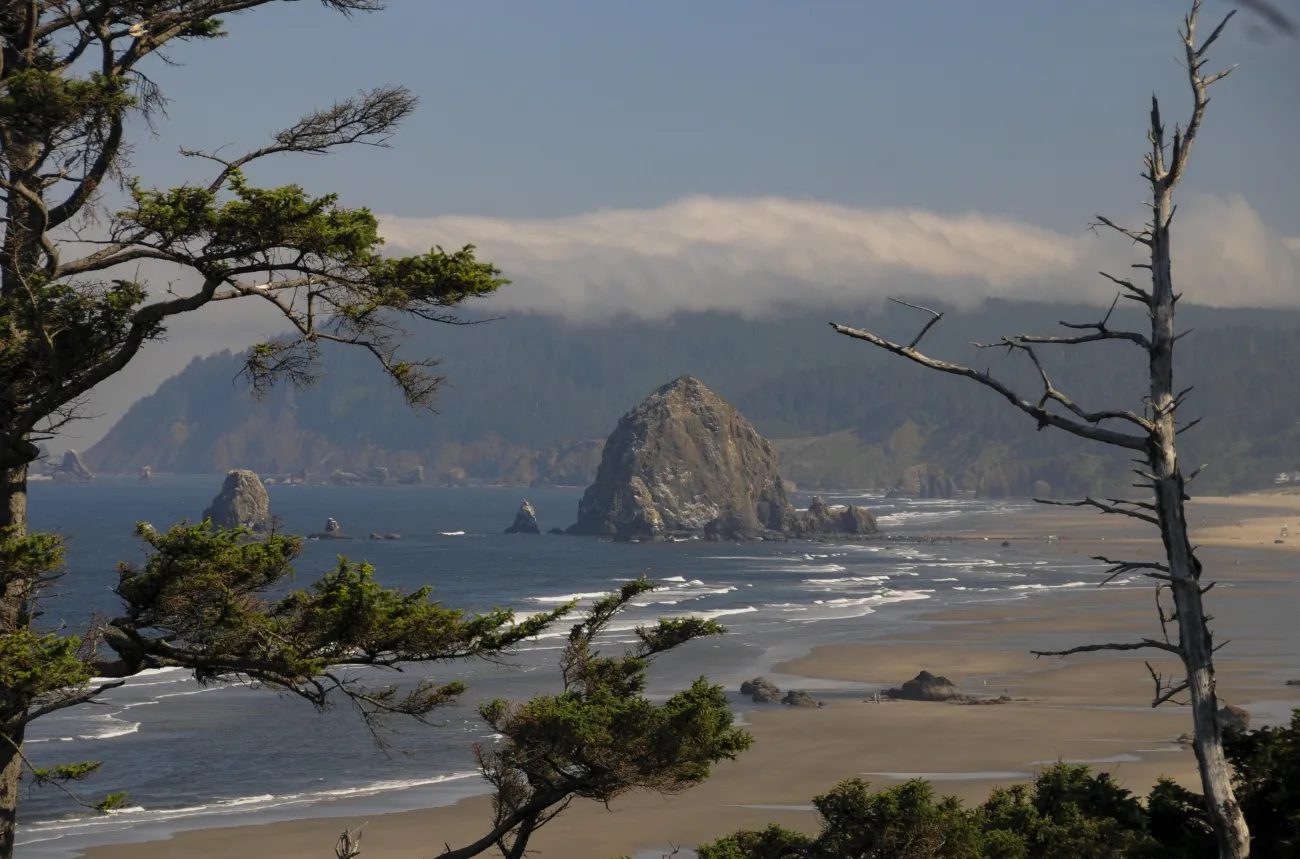
Near Astoria, Fort Clatsop sits among the wet forests and tidal waterways of Oregon’s north coast. A replica marks the winter encampment of the Lewis and Clark Expedition from December 1805 to March 1806, while the surrounding park tells a longer story of Indigenous communities and a landscape that remains important today.
Lewis and Clark National Historical Park includes several separated sites in Oregon and Washington. These five ideas focus on the Oregon side and make room for both the familiar expedition story and the people and places that extend far beyond it.
1. Start at the Fort Clatsop visitor center
The visitor center is the best place to orient yourself, check trail conditions and ask about current ranger programs. Exhibits and films introduce the expedition and the region; park interpretation also shares the enduring history of Native peoples whose homelands the expedition entered.
Check the NPS website for current hours, fees and holiday closures before traveling. The fort grounds and other park sites have different schedules, and seasonal programs depend on staffing. Allow time for the center before walking to the replica rather than treating it only as a ticket stop.
The north coast is famously wet. Bring a rain jacket and shoes with good grip, and prepare for a cool day even when the forecast is mild. Paths can be slick after rain, and some services or trails may be affected by storms.
2. Explore the Fort Clatsop replica
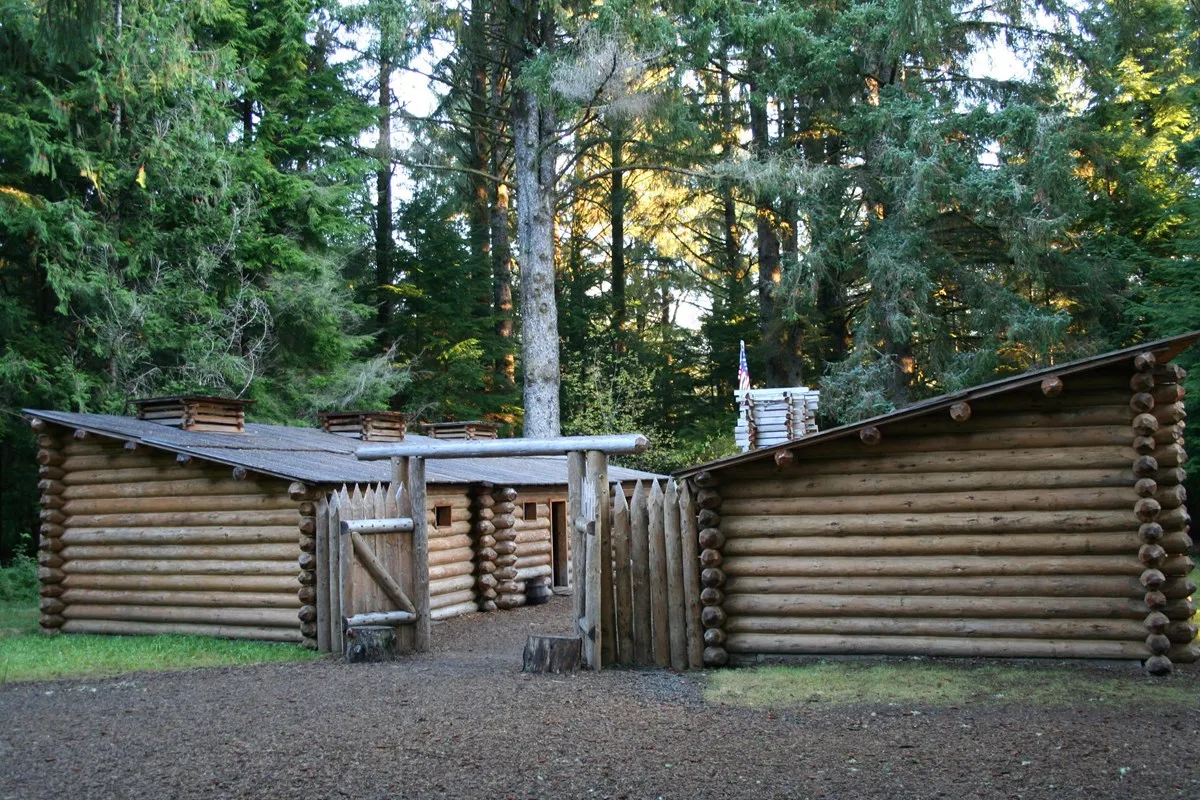
The expedition built a winter shelter here after reaching the Pacific region. The structure visitors see today is a replica, not the original fort. Walk through the rooms where access is allowed and use the park’s interpretation to understand the challenges of a wet winter, limited supplies and daily work.
Costumed interpreters or ranger programs may be available in some seasons. Ask what is offered on the day rather than assuming a demonstration runs continuously. Questions about food, clothing, trade and local knowledge can make a short visit more engaging for children and adults alike.
The expedition relied on interactions with Native communities. Take time to read the park’s accounts of those relationships and the communities’ continuing presence, rather than treating the region as an empty wilderness awaiting discovery. Stay on established paths and respect any closed areas.
3. Walk toward the river
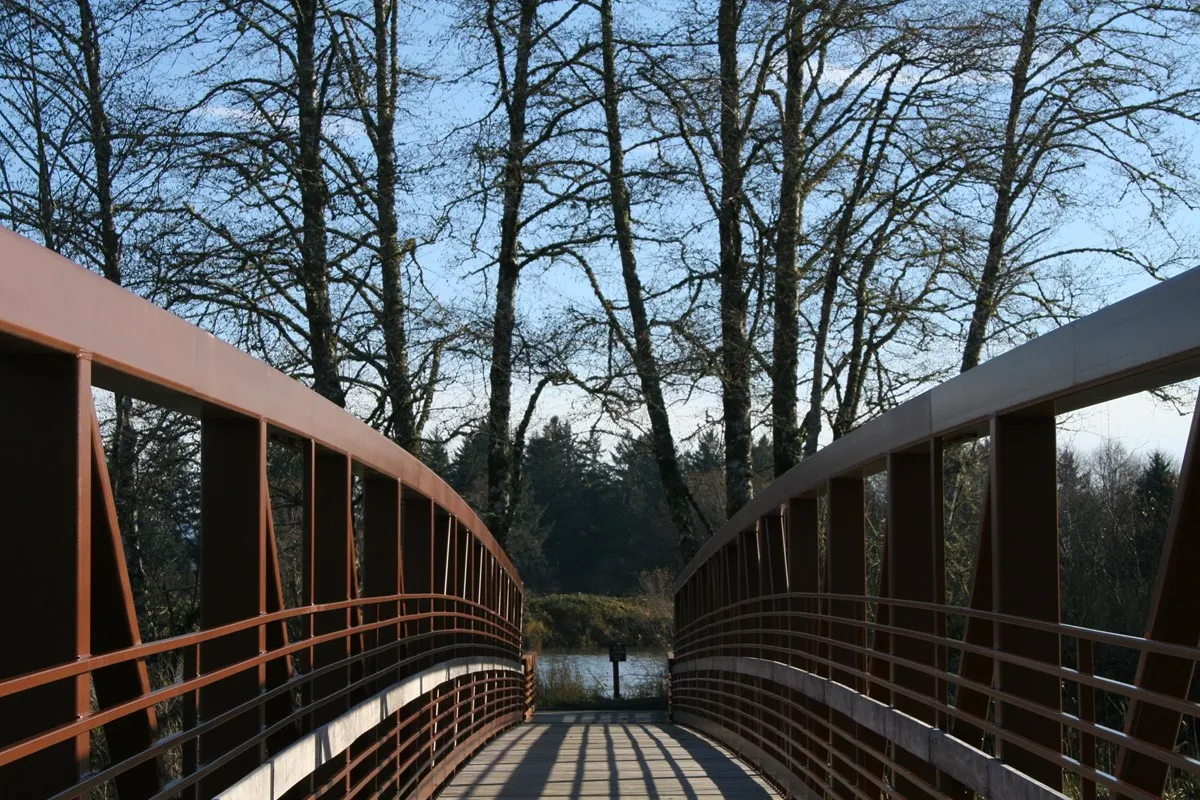
The historic canoe landing and Netul River Trail offer a different view of the site. The landing is associated with the expedition’s canoe travel, and the tidal river still rises and falls with the ocean. The NPS describes the Netul River Trail as following about 1.25 miles of the waterway between park areas.
Choose a distance that suits your group and check the current map and trail status. The full walk out and back is longer than the one-way distance. Wear suitable shoes, carry water and watch for slick boardwalks or roots after rain.
Birds and other wildlife may be visible along the water, but sightings are unpredictable. Observe quietly from the trail and give animals room. Remain on designated paths and boardwalks to protect habitat and avoid muddy or unstable ground.
4. Consider the Fort to Sea Trail
The Fort to Sea Trail runs about 6.5 miles from the visitor center area to Sunset Beach. It is a substantial one-way outing through varied terrain, not a short loop around the fort. Plan transportation at both ends or be prepared for a much longer return; check trailhead access and current conditions before starting.
Carry water, food, rain protection and a map. Coastal weather, daylight and muddy footing can change the difficulty, and a cell signal may not be dependable. Tell someone your route and expected return, and choose a shorter section if the full trip does not fit your group.
The ocean at Sunset Beach can be dangerous. Watch the surf, avoid logs and unstable edges, and follow local beach warnings. A trail’s destination is not a reason to approach rough water or stay past available daylight.
5. Add Seaside’s Salt Works with context
The park’s Salt Works site in Seaside interprets the expedition’s effort to obtain salt from seawater during the winter. It is separate from Fort Clatsop, so use the NPS directions and check its current hours before driving there. The stop can add another dimension to the daily work of the expedition.
Keep in mind that Indigenous communities had long lived and traveled throughout this coastal region. Seek out their perspectives in park exhibits and local cultural resources, and respect contemporary communities as well as historic sites.
Before leaving, check alerts for Fort Clatsop and each additional site. Carry out litter, obey pet and trail rules and give yourself enough time for the coastal roads. A slower visit can connect the forest, river and ocean without reducing their history to a single stop.