South of Bend, Newberry National Volcanic Monument protects a varied landscape of lava flows, lakes, forest and volcanic cones. Its landmarks are spread across a broad area, so a satisfying visit begins with a map and a realistic sense of the season.
Managed by the U.S. Forest Service within Deschutes National Forest, the monument includes the Newberry caldera and part of the volcano’s northwest rift zone. These five experiences show its range, with practical steps for visiting safely.
1. Begin at Lava Lands Visitor Center
The Lava Lands Visitor Center is a useful introduction to the monument’s geology and an opportunity to ask about current road and trail conditions. It operates seasonally, so check the Forest Service schedule before driving there. Outside operating periods, visitor services and access to individual attractions may be limited.
Nearby, the Trail of the Molten Land crosses a lava flow associated with Lava Butte. The USGS describes the paved route as a way to see a flow that originated roughly 7,000 years ago. Verify the route’s current accessibility and hours with the managing agency; weather and maintenance can change what is available.
Stay on designated routes and leave lava, plants and other materials in place. Rough volcanic rock can cut skin and damage shoes. Water and sun protection are important even for a short walk across an exposed flow.
2. Look toward Lava Butte
Lava Butte is a cinder cone rising above its own lava flow near the visitor center. A seasonal road leads toward the summit, but vehicle access, reservations or shuttle arrangements can vary. Check the current Forest Service instructions rather than assuming you can drive to the top on any day.
From an open viewpoint, consider how a volcanic cone, its lava flow and the surrounding forest fit together. The USGS notes that the flow reached the Deschutes River and diverted its course. Interpretation at the visitor center can help turn a scenic stop into a more complete geological story.
Respect barriers and posted closures, and keep children close near roads and exposed areas. Smoke, lightning or high winds may affect the visit, so carry a flexible alternative.
3. Explore the caldera and Paulina Lake
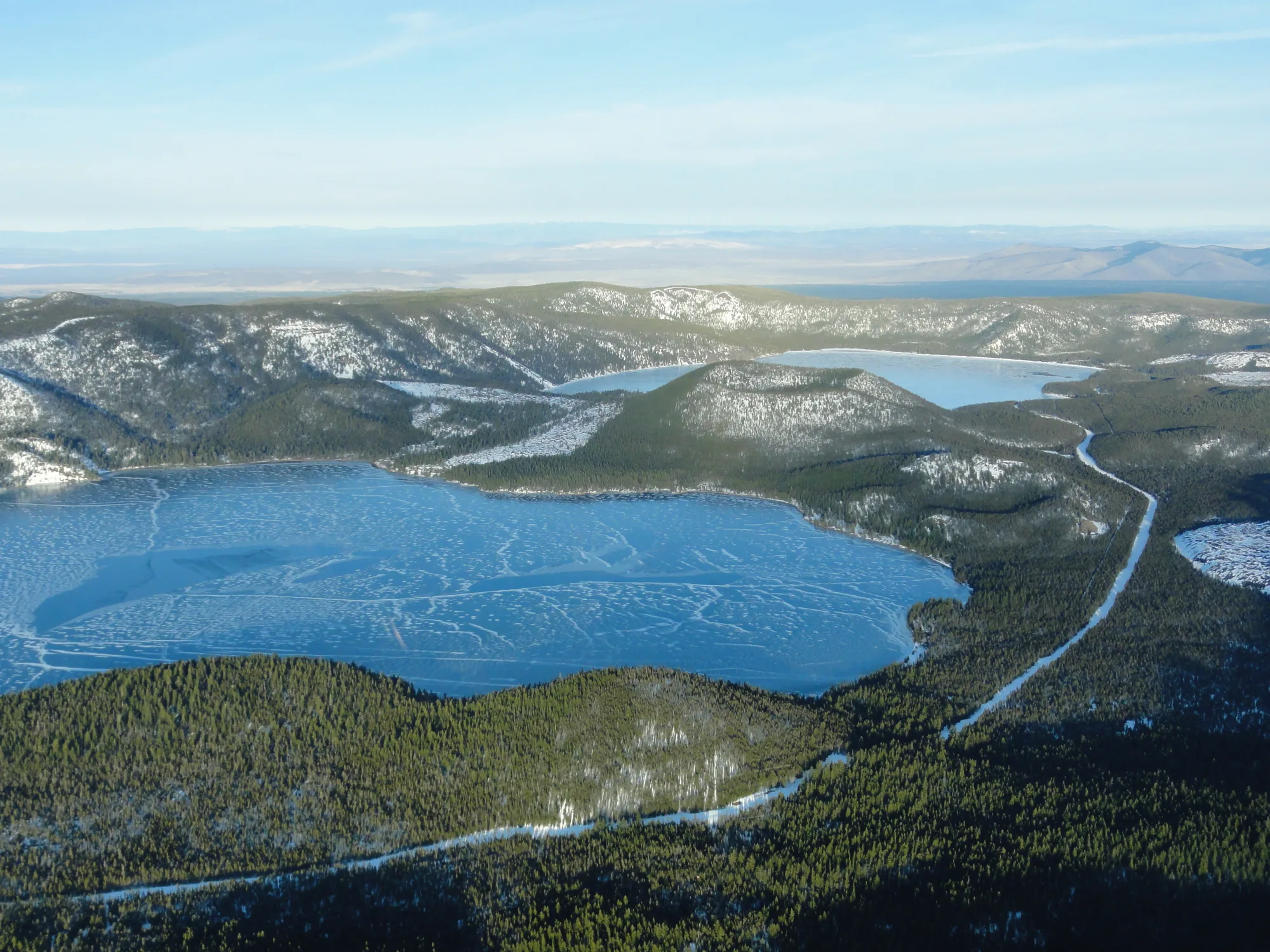
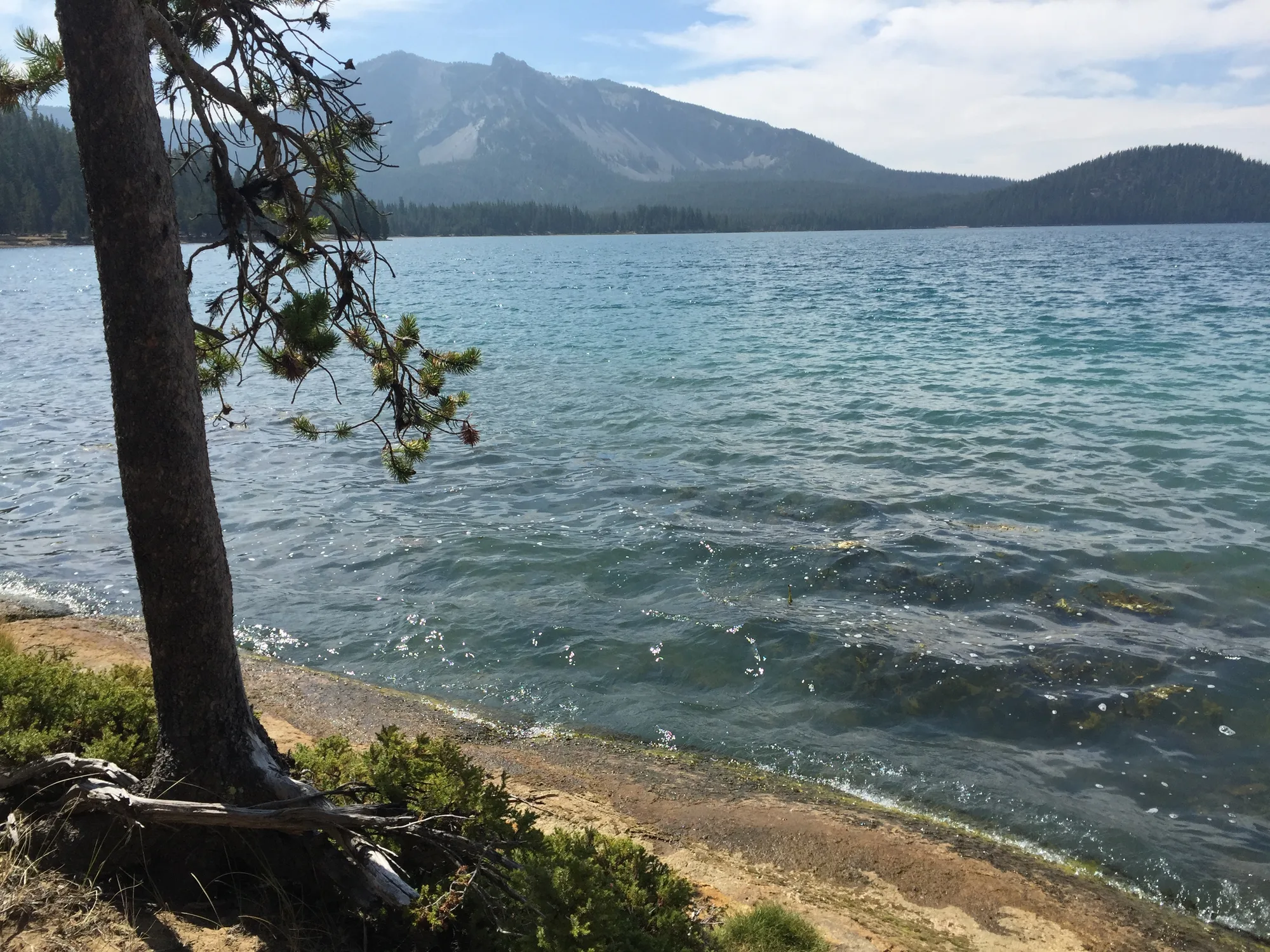
The high central part of Newberry Volcano contains a caldera with Paulina Lake and East Lake. A drive into this area reveals a different landscape from Lava Butte: water, forest and volcanic slopes share the same broad basin.
Access is seasonal and dependent on snow and road conditions. The Forest Service’s visitor guide notes that the Paulina area and peak road typically open later than lower-elevation sites. Confirm current road status, facilities and any day-use fees before traveling, and allow enough time for the mountain drive.
If you plan to walk, fish or picnic, check the rules for the specific site and the weather forecast. Keep food secure, give wildlife space and stay on designated paths. Water conditions and lake access can change, so never assume a shoreline is safe for swimming or boating.
4. See the Big Obsidian Flow responsibly
The Big Obsidian Flow is the youngest volcanic feature at Newberry, formed about 1,300 years ago. A trail lets visitors see dark volcanic glass and pumice in context. The flow’s sharp surfaces make sturdy footwear and careful footing essential.
Check seasonal access before starting, and remain on the established route. Do not collect obsidian, rocks or other natural materials from the monument. Leaving them in place protects the landscape and its scientific value for future visitors.
Bring water and sun protection. Snow or ice can linger at higher elevations, and storms can develop quickly. If the trail is closed or conditions are poor, use the visitor center’s interpretation or another open location rather than crossing a barrier.
5. Plan Lava River Cave as a seasonal stop
Lava River Cave is a lava tube on Newberry’s flank. The Forest Service typically opens it seasonally and closes it in the fall to protect bats; its guide lists a usual September 16 closure, but dates and entry arrangements can change. Check the current agency page before making it a central part of your itinerary.
An underground visit requires preparation for darkness, cool temperatures, uneven surfaces and stairs. Follow staff directions about lights, footwear and clothing, and disclose gear previously used in caves or mines so you can follow bat-protection procedures. Do not enter outside posted hours or when the cave is closed.
The monument’s sites are farther apart than a single trailhead. Fuel up, download a map and leave enough daylight for the return. A flexible plan with two or three stops can reveal Newberry’s variety without rushing through the landscape.