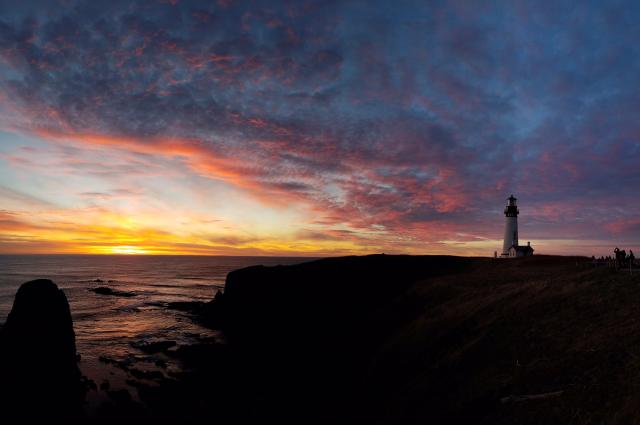
At Yaquina Head, a lighthouse rises above a basalt headland on Oregon’s central coast. The beam has guided mariners since 1873, while the rocks and offshore waters support tidepool life, harbor seals and nesting seabirds.
The Bureau of Land Management’s Yaquina Head Outstanding Natural Area is a day-use destination near Newport. These five ways to plan a visit balance lighthouse history, wildlife viewing and the changing conditions of the Pacific coast.
1. Start with the interpretive center
The center provides exhibits and orientation to the headland’s natural and human history. Ask staff about the day’s tides, weather, wildlife closures and lighthouse tour availability before heading out. The site is open year-round, but hours and holiday closures can change; confirm the current schedule and fee or pass requirements with the BLM.
The interpretive center is wheelchair accessible and offers captioned video and some tactile exhibits. The BLM also describes accessible observation decks and restrooms throughout the natural area. Contact staff in advance if a particular route or accommodation is important to your visit.
Bring layers and a rain jacket even when the forecast looks mild. Wind on the headland can be stronger than it feels in town, and conditions can change quickly. Water and restrooms are available at selected facilities; check the current visitor page before relying on a specific location.
2. Learn the lighthouse story
Yaquina Head Lighthouse stands 93 feet tall and was first lit on August 20, 1873. Its light evolved from an oil flame through later technologies to electricity. The tower remains an active aid to navigation as well as a historic landmark.
When offered, guided tours provide a closer look at the structure and the people who maintained it. The BLM strongly recommends reserving ahead because tour capacity is limited. Check current operating days, eligibility and instructions before booking; site access has its own fee or pass rules.
The exterior and surrounding viewpoints are also worthwhile if a tour is unavailable. Stay on maintained paths, observe barriers and wear shoes suitable for wet surfaces. The historic tower is part of a working coastal environment, so follow the directions of staff and volunteers.
3. Time tidepooling carefully
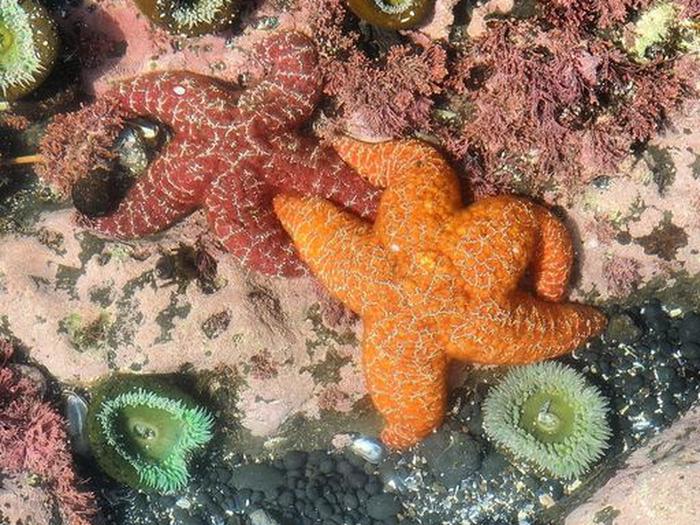
Cobble Beach’s tidepools can reveal sea stars, anemones and other small marine life when tides and conditions permit. Consult a local tide table and ask staff about safe viewing windows. A low tide is only one factor: swell, wind and sudden waves can make the shore unsafe even when the water appears far away.
Wear non-slip, closed-toe shoes and watch where you step. Observe animals without removing them or turning over rocks; leave shells, plants and other natural materials where they are. Keep children within arm’s reach near the water and never turn your back on the ocean.
The BLM warns that sneaker waves can arrive suddenly and sweep people off their feet. If surf is high, visibility is poor or staff have closed the beach, enjoy the view from an open observation area instead. A tidepool is not worth entering dangerous water.
4. Give nesting birds and seals space
The headland supports seabird colonies and harbor seals. Nesting and pupping seasons may lead to limited or no access to Cobble Beach, tidepools or other locations with active wildlife. Follow signs and ranger instructions even when a closed area looks quiet from a distance.
Bring binoculars and stay well away from animals. The BLM brochure advises keeping at least 50 yards from seals. Never feed wildlife, surround an animal or make noise to provoke a reaction. If an animal changes behavior because of your presence, move farther away.
Whales may be visible offshore at different times of year, but sightings are unpredictable. A patient look from an approved viewpoint can be rewarding even without a particular species appearing. Observe quietly and let wildlife use the coast undisturbed.
5. Make a safe day of the Newport coast
Yaquina Head is near Newport on U.S. 101, making it possible to pair the visit with a meal or another local stop. Allow time for the coast’s changing weather and for the interpretive center, rather than rushing between viewpoints. The natural area is day-use only; arrange camping or lodging elsewhere.
Keep pets leashed where allowed and note that they are not permitted near the lighthouse or in the Cobble Beach tidepools. Drones, kites and model aircraft are prohibited because they can disturb wildlife. Carry out litter and stay on maintained routes near cliffs.
Before setting out, check the BLM’s current hours, fees, tour information, tides and weather. If the ocean is rough or a wildlife closure is in place, a flexible plan lets you enjoy the headland while protecting the creatures that live there.