Arches National Park holds more than 2,000 documented natural stone arches, along with fins, pinnacles and balanced rocks above the desert near Moab. Some landmarks are visible from short walks; others require long, exposed hikes and careful planning.
These six tips can help you choose a first-day itinerary, understand entry rules and protect the delicate landscape. Check current National Park Service information before you leave, since visitor-management policies and trail conditions can change.
1. Check the entry rules for your year
For 2026, Arches did not require advance timed-entry reservations. The NPS cautions that vehicles may still be diverted temporarily when the park becomes too congested. A park entrance fee or valid pass remains necessary, and separate reservations or permits apply to certain activities.
Do not assume the same system will apply in a later year. Check the official planning page for the date of your trip, and allow extra time for entrance lines and full parking areas on busy days. The park webcam and parking information can help you make a flexible plan.
Devils Garden Campground and Fiery Furnace activities have their own reservation or permit requirements. Read the specific rules before booking lodging or arranging a hike. An entry policy for the park as a whole does not automatically cover those activities.
2. Match Delicate Arch to your group
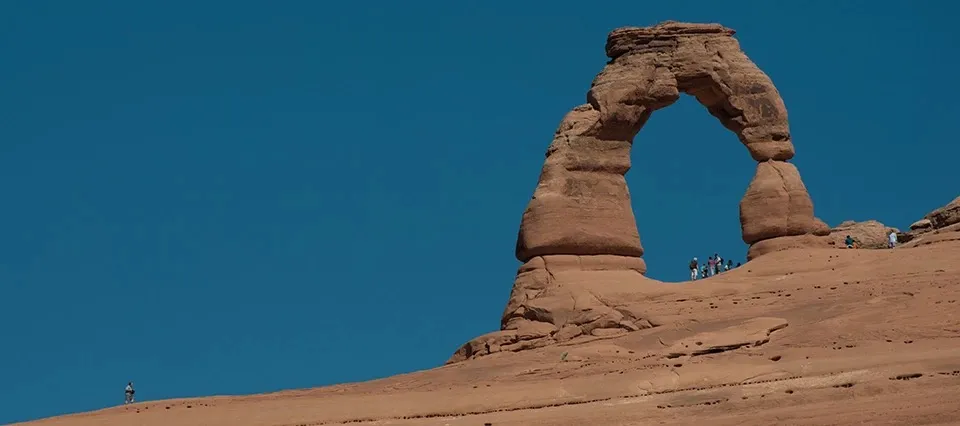
Delicate Arch is difficult to see from the main road. The Lower Delicate Arch Viewpoint provides a distant view after a short walk, while the Upper Viewpoint involves a longer walk with stairs. The NPS describes the hike to the arch itself as three miles round trip with about 480 feet of climbing.
The trail is exposed and can be very hot in summer or icy in winter. Carry water and sun protection, wear shoes with traction and turn back if weather or energy makes the return unsafe. Rangers frequently assist visitors who underestimate the route, so choose based on the whole group’s abilities rather than a photograph.
Sunset can be especially busy. Share the viewpoint, avoid blocking the trail and do not walk or climb on the arch. A distant viewpoint can be a satisfying option when the full hike is not appropriate.
3. Explore the Windows area
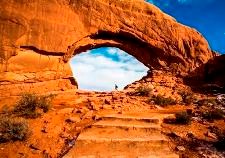
The Windows section contains several of the park’s well-known arches, including North and South Windows and Double Arch. Consult the park map and current accessibility information to choose a walk that suits your party. Even short trails can have steps, uneven surfaces or strong sun.
Take time to notice how sandstone fins and openings create different shapes. Water, weathering and time continue to alter these features. Stay on established paths and avoid climbing arches or prominent formations; the rules protect both people and fragile rock.
Parking can fill in popular areas. If a lot is full, continue to another open stop and return later rather than parking outside a designated space. A flexible order of stops is often more enjoyable than waiting for one particular viewpoint.
4. Protect the living desert soil
Dark, knobby biological soil crust may look like ordinary dirt, but it is a living groundcover that helps support desert ecosystems. Footprints can damage it for years. Stay on maintained trails, durable surfaces and designated viewpoints, and keep children with the group.
Leave rocks, plants and cultural materials in place. Pet rules differ from human trail access, so check the NPS guidance before bringing an animal. Never leave a pet unattended in a vehicle, especially in desert heat.
Carry out all litter and secure loose items against wind. The desert’s apparent openness can conceal vulnerable plants and soil. Small choices along the trail protect the landscape for wildlife and other visitors.
5. Plan around heat and storms
Summer temperatures can make exposed trails dangerous, while winter can bring snow and ice. Check the forecast and current park alerts, carry sufficient water and avoid strenuous hiking during extreme heat. Early starts and shorter routes may be appropriate, but they do not eliminate the need to monitor conditions.
Thunderstorms can bring lightning and flash floods, including in washes that are dry most of the time. Avoid entering canyons or drainages when storms threaten, and follow ranger instructions. Cell coverage may be limited; download maps and tell someone your plans.
The Fiery Furnace is a maze-like area with separate access requirements and navigation challenges. Do not enter without the appropriate permit or tour and current park guidance. Many visitors will find plenty to enjoy along signed routes without attempting it.
6. Leave time for the drive and the sky
Arches is close to Moab, but the park road and stops take longer than a quick look at the map may suggest. Fuel up, bring food and water, and allow time for the drive back. Services inside the park are limited compared with town.
Arches is an International Dark Sky Park. If you visit after dark where permitted, use a light carefully, stay on established routes and avoid shining lights toward other visitors. Check current access and weather, and give yourself enough energy for the return.
Before departure, review NPS alerts, the entrance policy and the forecast. A flexible itinerary lets you enjoy the park’s variety while protecting its remarkable stone and living soil.