At Timpanogos Cave National Monument, the underground destination is only part of the outing. Reaching the cave requires a steep climb above American Fork Canyon, followed by a guided visit through passages decorated with delicate formations. Plan around the season, your group's abilities and a reserved tour rather than expecting to step out of the car and walk straight underground.
1. Know when the cave is open
The cave tour season changes with weather and operations, usually beginning in late spring and ending in early fall. As of November 2026, the monument reports that the visitor center, caves and cave access trail are closed for winter. Check the monument's current information before traveling, since reopening dates vary.
The park's 2026 calendar listed regular tours through October 5, but that is not a schedule for a future year. Use the current park website and Recreation.gov for actual dates and availability. If you are planning a trip around the cave, confirm that the tour and access trail are operating before making other reservations.
2. Reserve a tour before you arrive
Cave visits are guided and require a ticket. The National Park Service recommends purchasing tickets early through Recreation.gov. Review the exact meeting time, tour description, prices and rules during booking, and allow enough time to complete the uphill hike before your assigned tour.
Tour types can differ in physical demands and availability. A regular cave tour is not the same experience as an introduction-to-caving or lantern tour. Read the details for the specific option you select and contact the park with questions about whether it fits your party.
3. Prepare for a steep paved trail
The cave trail climbs approximately 1,100 vertical feet over 1.5 miles each way. The park suggests allowing about two to two and a half hours for the round-trip hike, separate from time spent on the cave tour. Paved does not mean flat: steep grades and drop-offs make this a demanding route.
The park says the trail is not wheelchair accessible and does not permit wheels, including strollers. Benches provide places to rest, but each visitor should be prepared for the climb and descent. Choose sturdy shoes, carry water and set a pace that allows you to reach the tour without rushing. Children under 16 must be accompanied by an adult on the trail.
4. Pack for sun above ground and cool cave air
The canyon and cave are different environments. In summer the exposed asphalt can reflect heat; the park notes that temperatures at the visitor center and cave elevations often differ. Check the forecast and bring appropriate layers, including something warmer for the cave.
Start with enough water for the hike, and consider sun protection for exposed sections. The trail can close for hazards such as lightning, high winds or rockfall. If conditions are unsafe, follow ranger instructions even if you have already arranged a tour. Check current policies about weather and refunds when booking.
5. Look closely at the formations
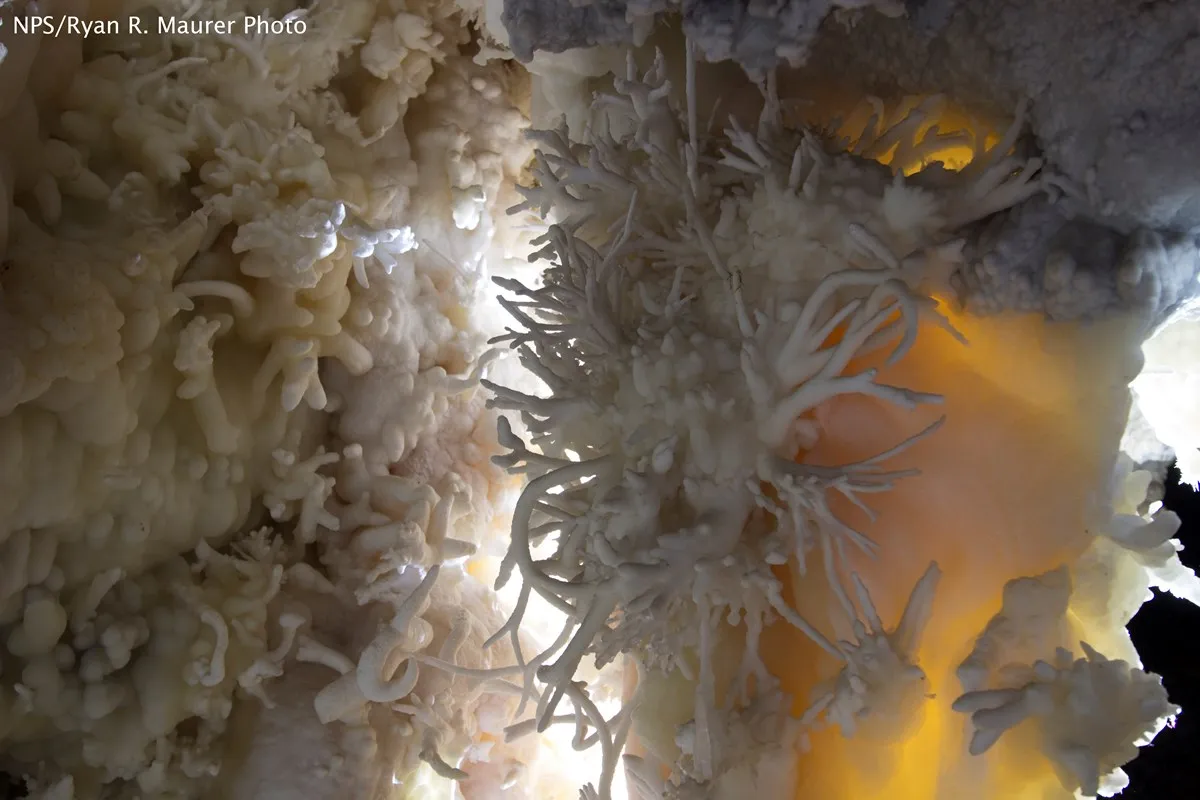
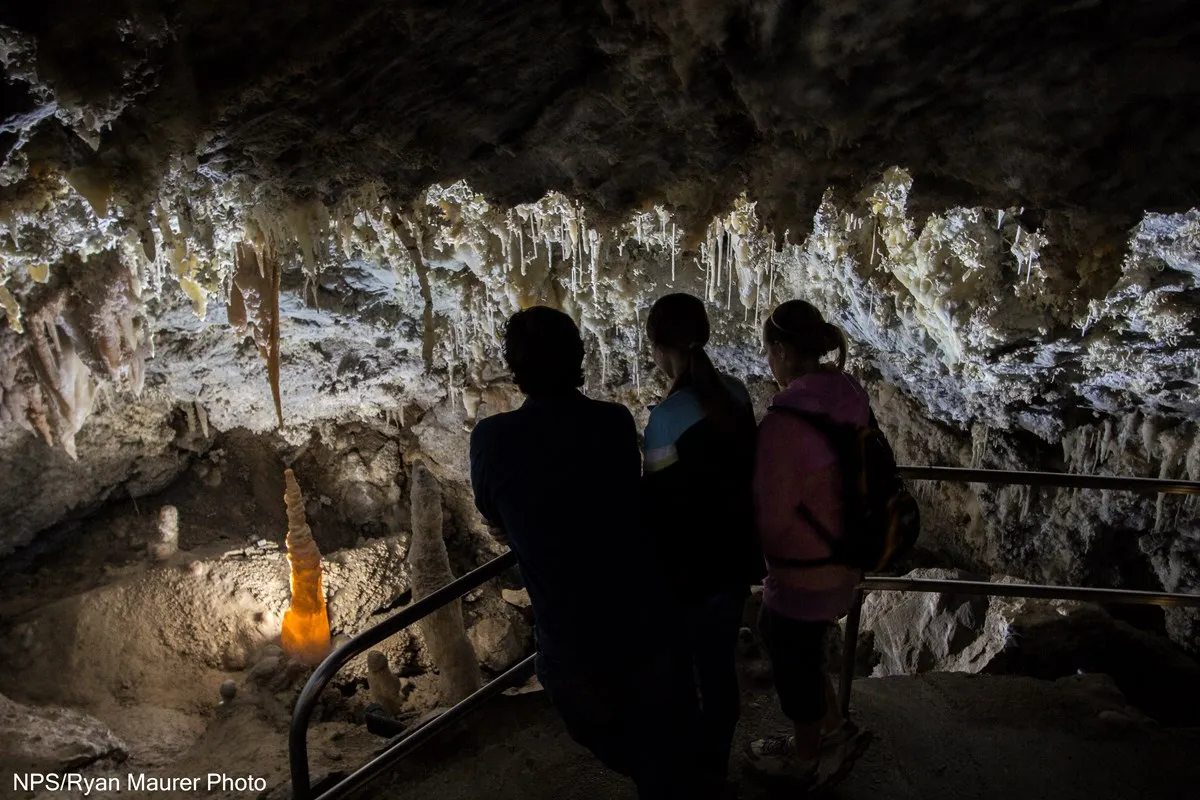
Inside the cave system, visitors encounter mineral formations, including twisting helictites. These features developed over long periods and are vulnerable to damage. Follow your guide, stay on the designated path and avoid touching formations or walls unless specifically instructed otherwise.
Passages may require visitors to duck and turn. Listen to the ranger's instructions and watch both your footing and your head. A guided tour also adds context: the cave is a place to learn about geology, exploration and conservation, not simply a collection of photogenic rooms.
6. Make the return part of the plan
The descent can feel easier on the lungs but remains steep. Give yourself time, keep children close and use care near exposed edges. The views over American Fork Canyon are part of the experience, but stop in a safe place to look rather than walking while distracted.
Check park guidance before bringing pets; they are not allowed on the cave trail. Review local canyon access and fee information separately from cave tour fees, and download directions in case connectivity is limited. With a confirmed reservation, the right gear and a realistic assessment of the climb, the trip can be a memorable combination of mountain scenery and underground discovery.