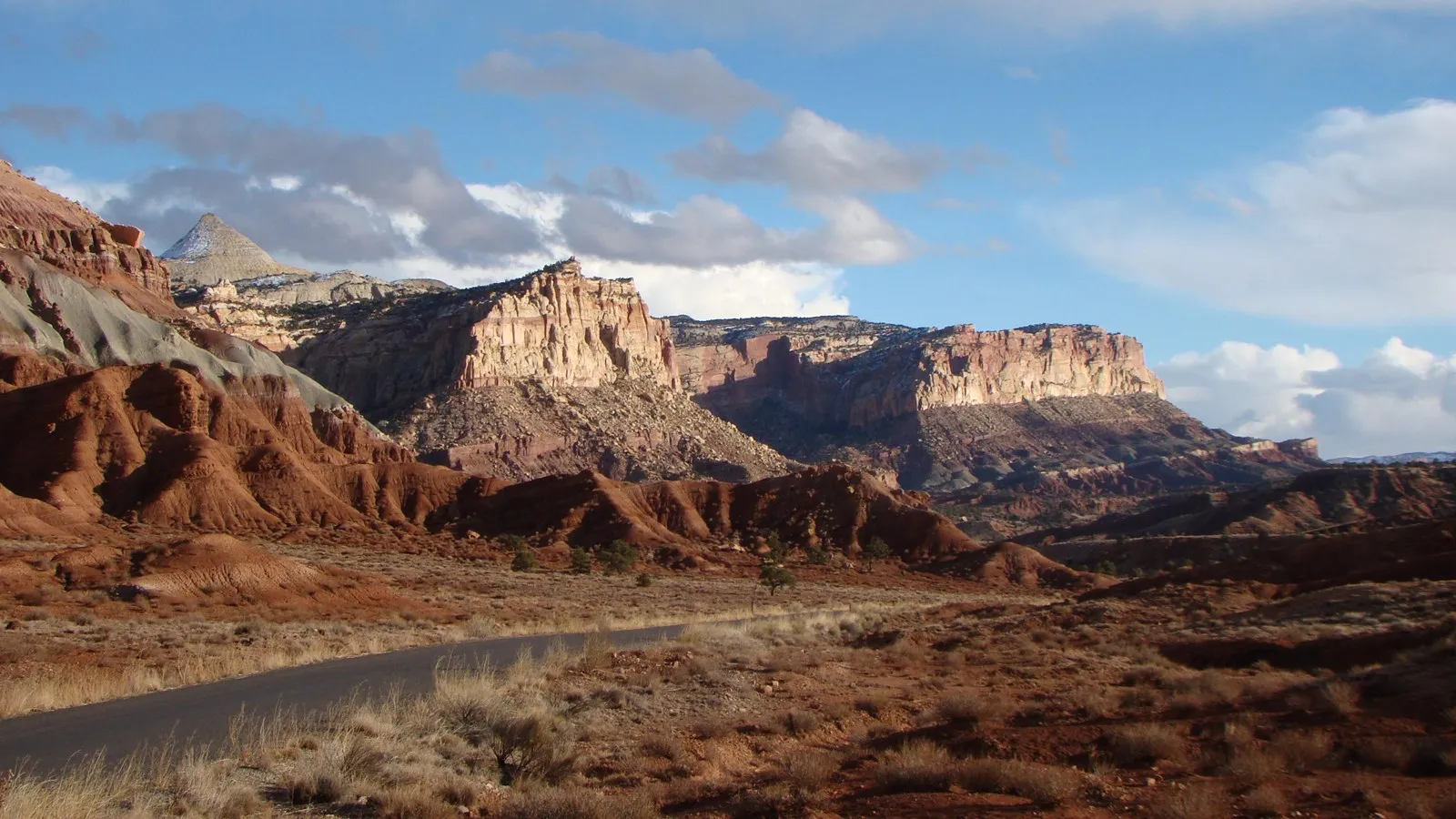
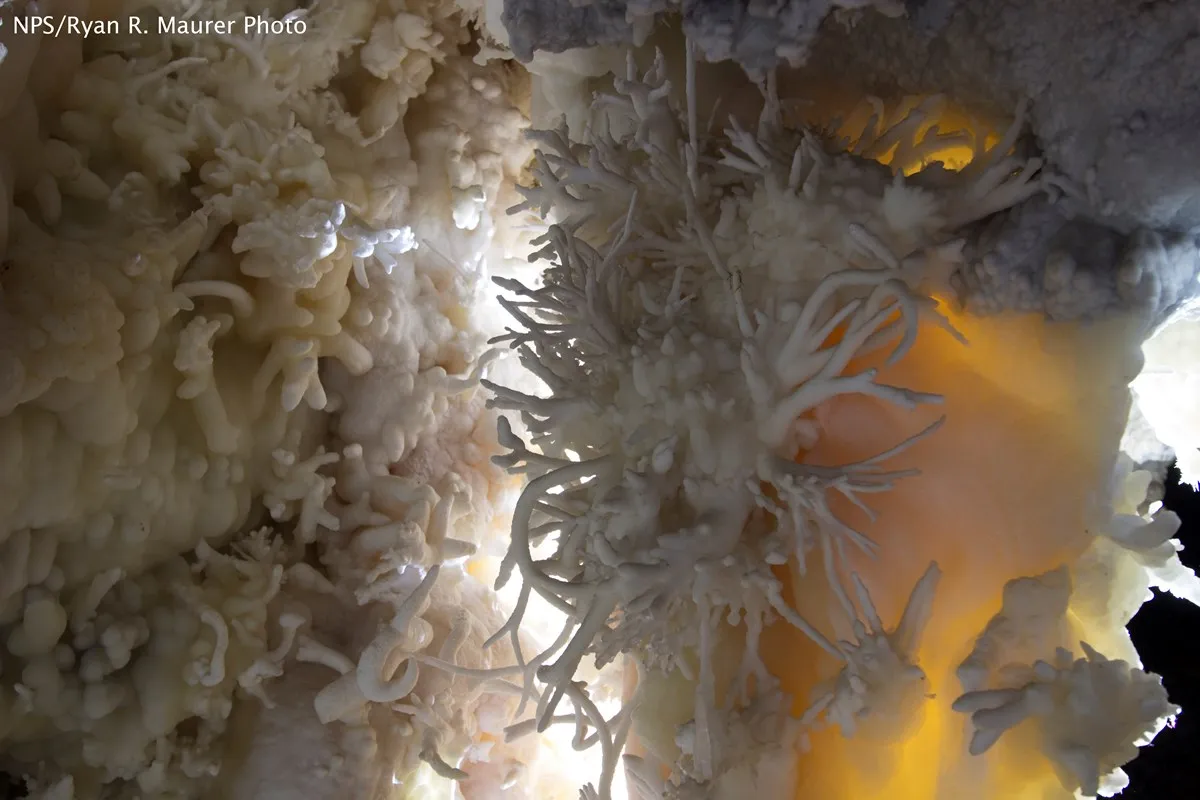
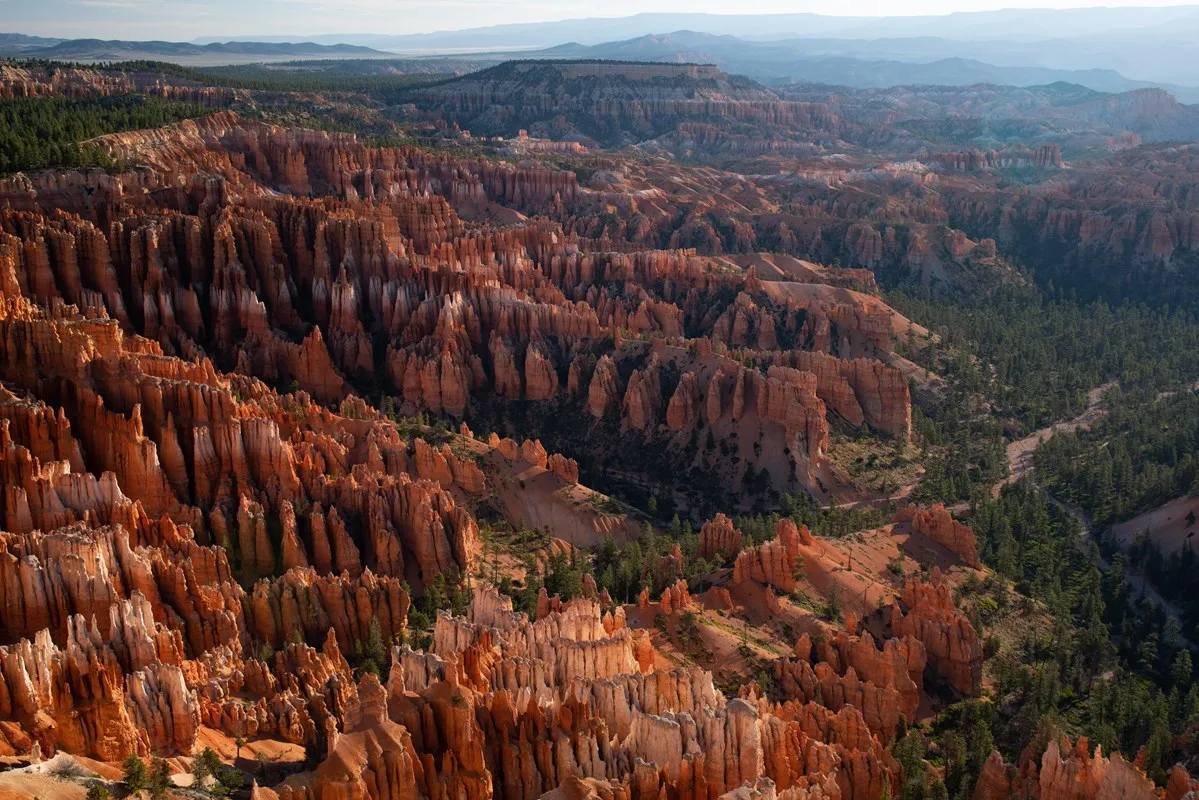
At Dinosaur National Monument, a wall of ancient bones is still embedded in the rock where visitors can see it. The experience begins on the Utah side of a monument that also stretches into Colorado. Around the quarry, desert roads, river scenery and evidence of much more recent human history can turn a fossil stop into a fuller day.
1. Start at the Quarry Visitor Center near Jensen
The Quarry Visitor Center is about seven miles north of Jensen, Utah, off Highway 149. It is the starting point for the fossil quarry and a helpful place to ask about current conditions, tickets, exhibits and directions. The center has a park film and displays that introduce the monument before you reach the bones themselves.
The monument crosses the state line, and its Colorado visitor center serves a different area. If your priority is the famous fossil wall, navigate to the Utah Quarry Visitor Center. Check seasonal hours and any holiday closures before leaving; the visitor center and Quarry Exhibit Hall are separate buildings.
2. See the dinosaur bones where they were found
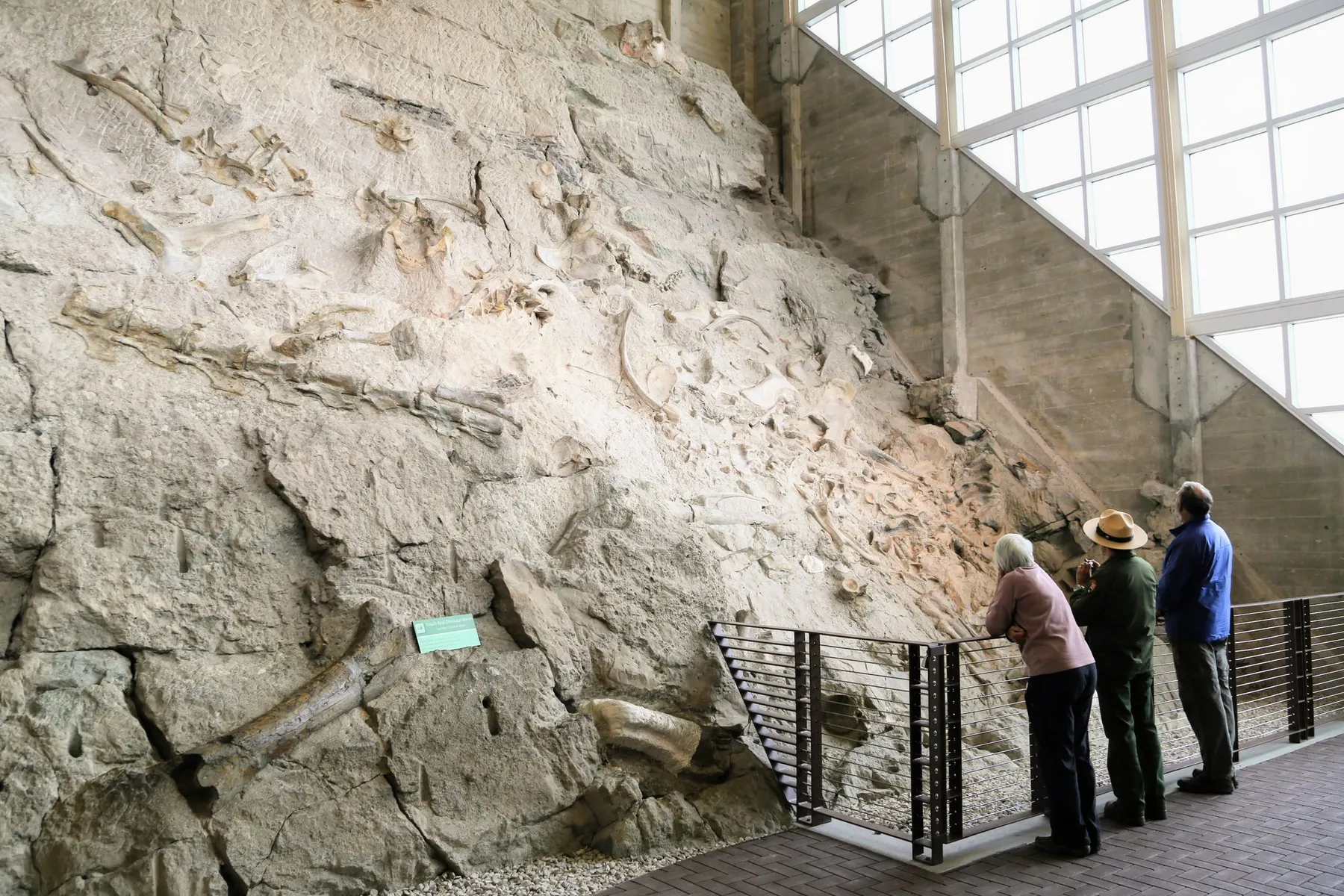
Inside the Quarry Exhibit Hall, more than 1,500 fossilized bones remain exposed in a section of the Morrison Formation. The rock records life from the Late Jurassic, approximately 150 million years ago. The National Park Service identifies remains of several dinosaurs here, including Allosaurus, Apatosaurus, Camarasaurus, Diplodocus and Stegosaurus.
Rather than expecting every bone to form a complete skeleton, look for the differences in size and shape across the wall. Many remains are scattered and unconnected; some are articulated. Exhibits help explain the fossil environment, and rangers can answer questions. The park designates certain fossils that visitors may touch: follow posted instructions and leave all other specimens undisturbed.
The hall's two levels offer different perspectives on the wall. An accessible ramp connects the floors, although there is no elevator. The park says a wheelchair may be borrowed on request. Ask a ranger about the most comfortable route for your group.
3. Know how to reach the exhibit hall
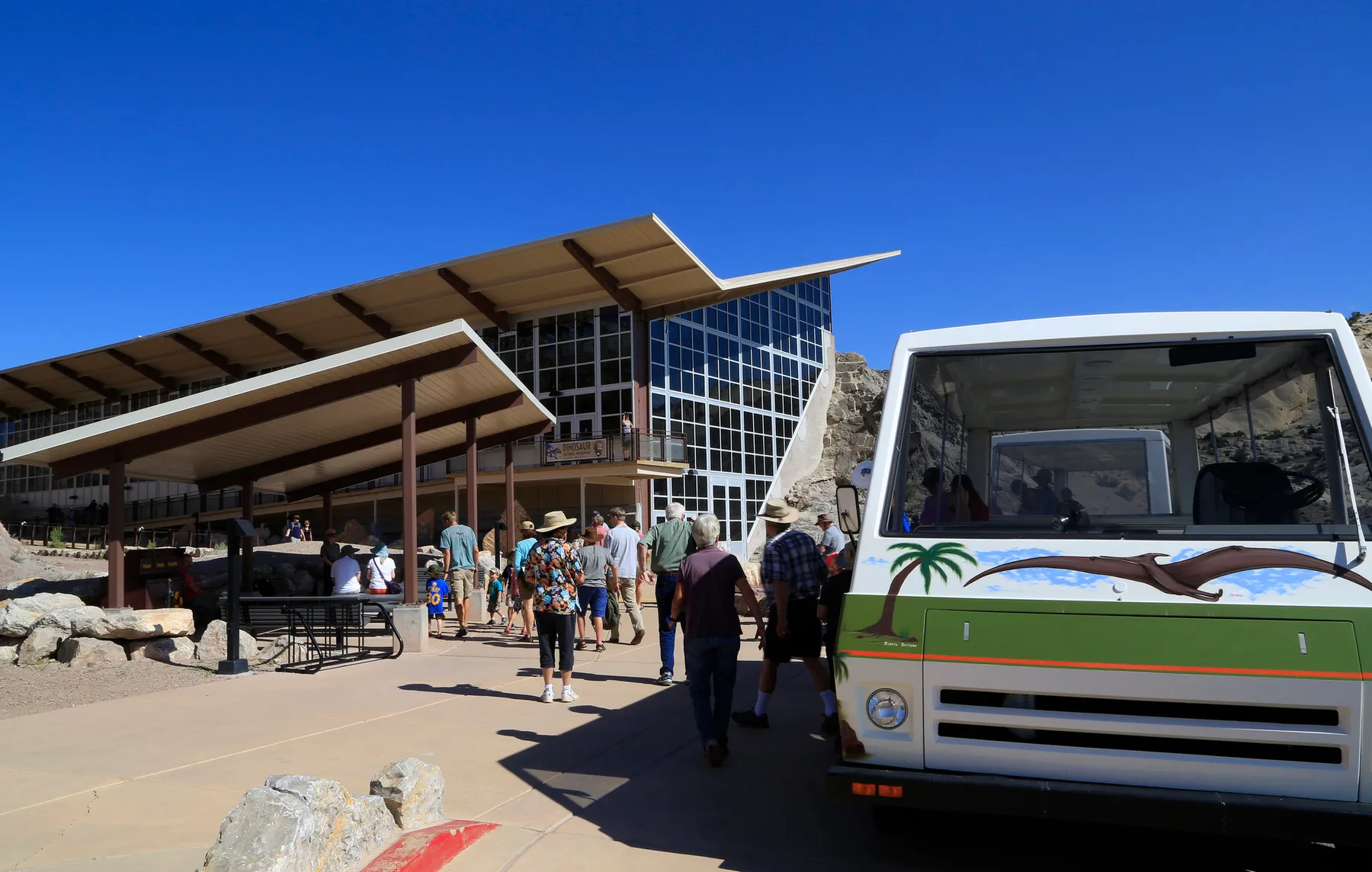
In summer, the park asks most visitors to use a free shuttle from the visitor center because parking at the exhibit hall is limited. When the shuttle is not running, visitors may drive between the buildings. The NPS also allows visitors who have difficulty with the shuttle or walk to use their own vehicle; check current guidance and service before arrival.
When conditions allow, the Fossil Discovery Trail offers another way between the visitor center and the hall. The route is 1.2 miles one way, so plan the return or shuttle connection before setting out. The park's October 29, 2026 conditions report described loose rocks from storm damage; check for updates, wear sturdy shoes and take water.
Pets are not allowed on the shuttle or the Fossil Discovery Trail, and pets are generally not permitted inside federal buildings. The park provides guidance for travelers with animals, including the option to drive and take turns waiting with them. Never leave a pet unattended.
4. Follow Cub Creek Road beyond the quarry
The quarry is only one part of the Utah side. Cub Creek Road leads toward additional views and historic sites, with opportunities to learn about the landscape and the people who have lived in it. Before leaving the visitor center, ask which stops suit the time you have and request a current road report.
As of the park's October 29, 2026 update, the first eight miles of Cub Creek Road were paved and open and the final two miles were unpaved and open. Weather and repairs can change that assessment. Check conditions immediately before traveling, particularly after storms, and do not assume a dirt road will be suitable for every vehicle.
Along the way, Indigenous rock markings provide a reminder that the monument preserves human history as well as fossils. View them from designated areas, never touch or trace the markings, and leave artifacts where they are. A photograph can preserve the memory without damaging the place.
5. Plan for a full desert day, or make a focused stop
A focused trip can center on the visitor center and exhibit hall, leaving extra time for the shuttle or the trail. For a longer visit, add a scenic drive or a ranger-recommended walk after checking conditions. The park reported storm damage on several trails in its October 2026 update, so an older trail description may not reflect what you'll find.
Bring water, sun protection and layers, and account for the season and your group's needs. Cell service may be unreliable away from developed areas. Leave fossils, rocks and cultural objects in place for other visitors and researchers. With a little preparation, the quarry's remarkable wall can be the starting point for understanding an entire landscape rather than a quick photo and a departure.