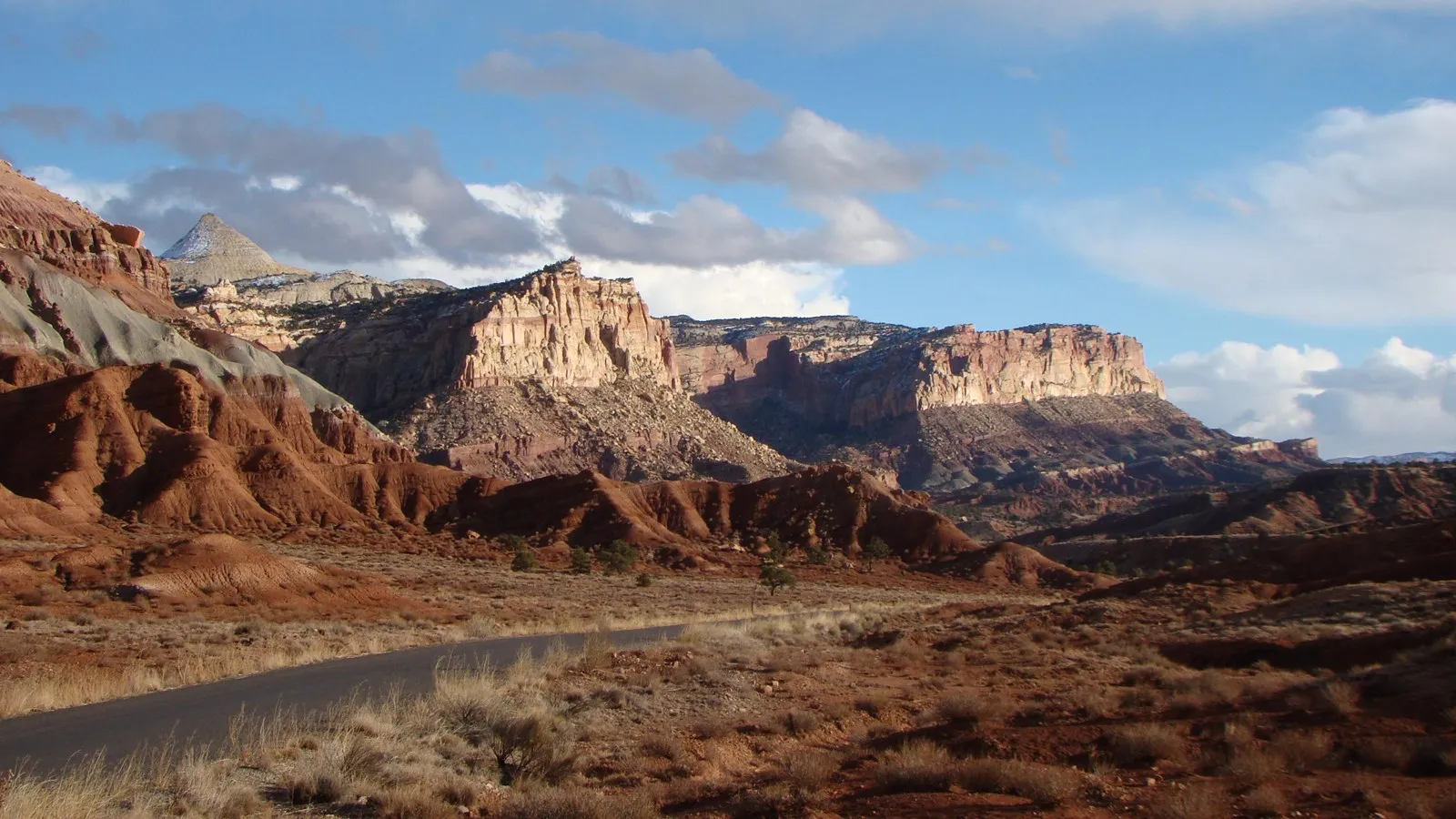
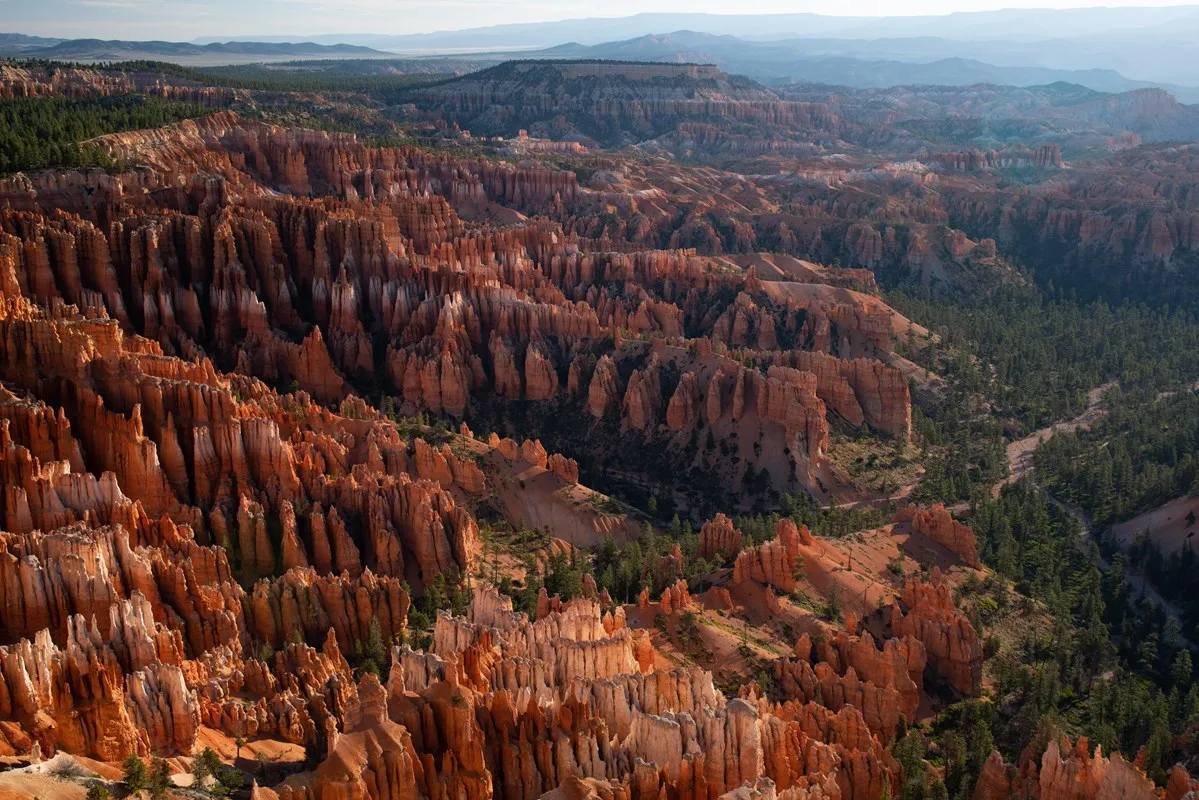
High above southern Utah, Cedar Breaks National Monument opens onto a vast natural amphitheater of colorful rock. It is an easy place to underestimate: the overlooks may look close together on a map, but elevation, snow and changing weather shape every visit. A little planning makes room for the scenery without assuming the mountain behaves like the desert below.
1. Start at Point Supreme
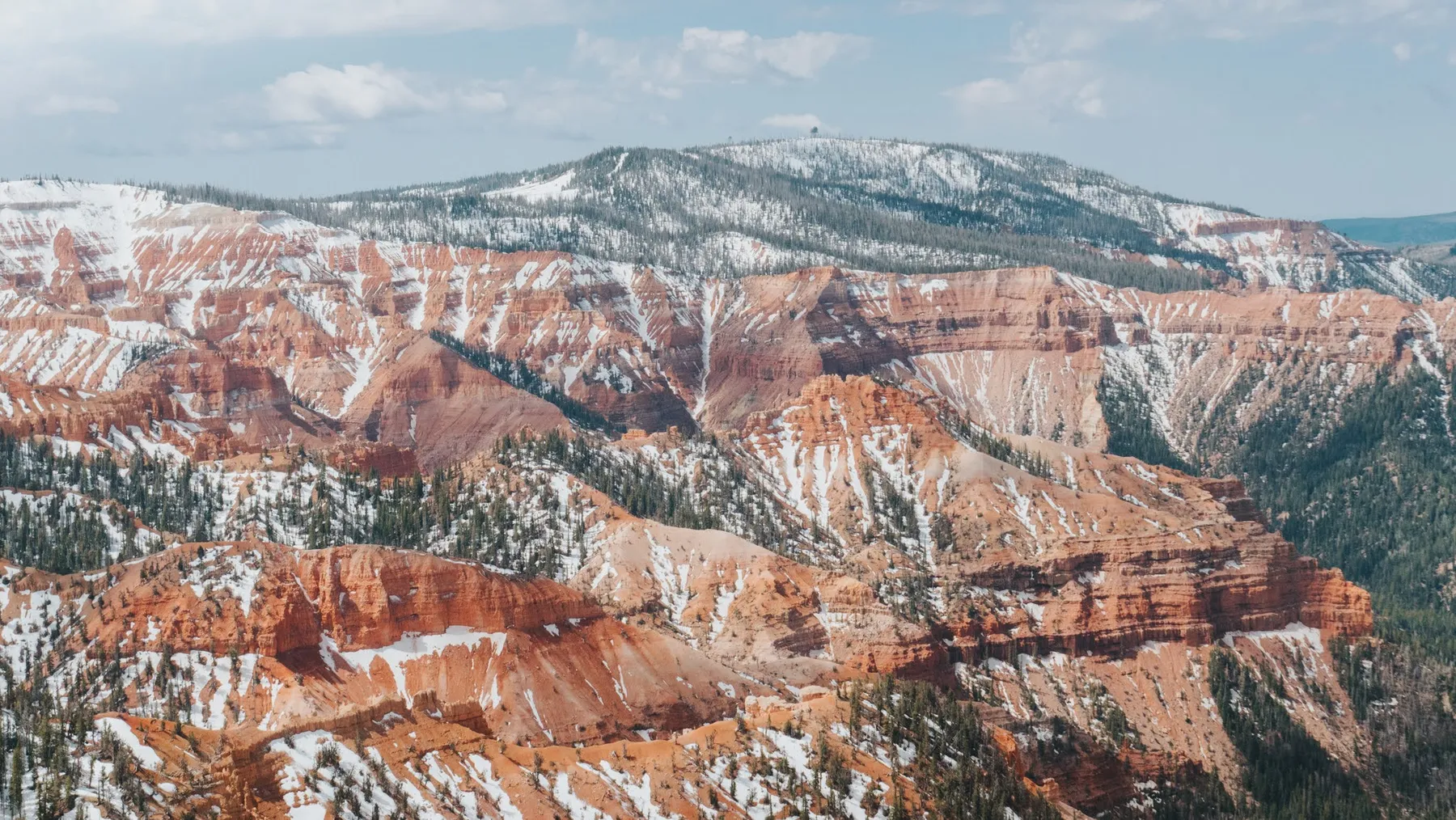
Point Supreme Overlook provides a sweeping introduction to the amphitheater from approximately 10,350 feet. Weathering and erosion have shaped the formations below, and changing light brings out different colors and shadows. A paved path leads toward the overlook, which the National Park Service lists as wheelchair accessible when available.
The view can be enjoyed without a long hike, making it useful for a mixed-ability group. Stay behind barriers and keep children close to the rim. At this elevation a short walk may feel harder than expected, so give everyone time to adjust and take a break.
2. Check the road before setting out
State Route 148 is the main road through the monument and closes seasonally to vehicles because of snow. The timing changes with conditions; the park describes a typical closure roughly from mid-November to mid-May. Point Supreme and other overlooks along that route cannot be reached by ordinary road vehicles during the closure.
The park's October 17, 2026 conditions update listed Route 148 and Route 143 as open, but that is a dated snapshot rather than a promise for a later trip. Route 143 generally stays open longer, though storms and wind can close it temporarily. Check the latest park and Utah Department of Transportation reports immediately before driving.
3. Dress for a mountain climate
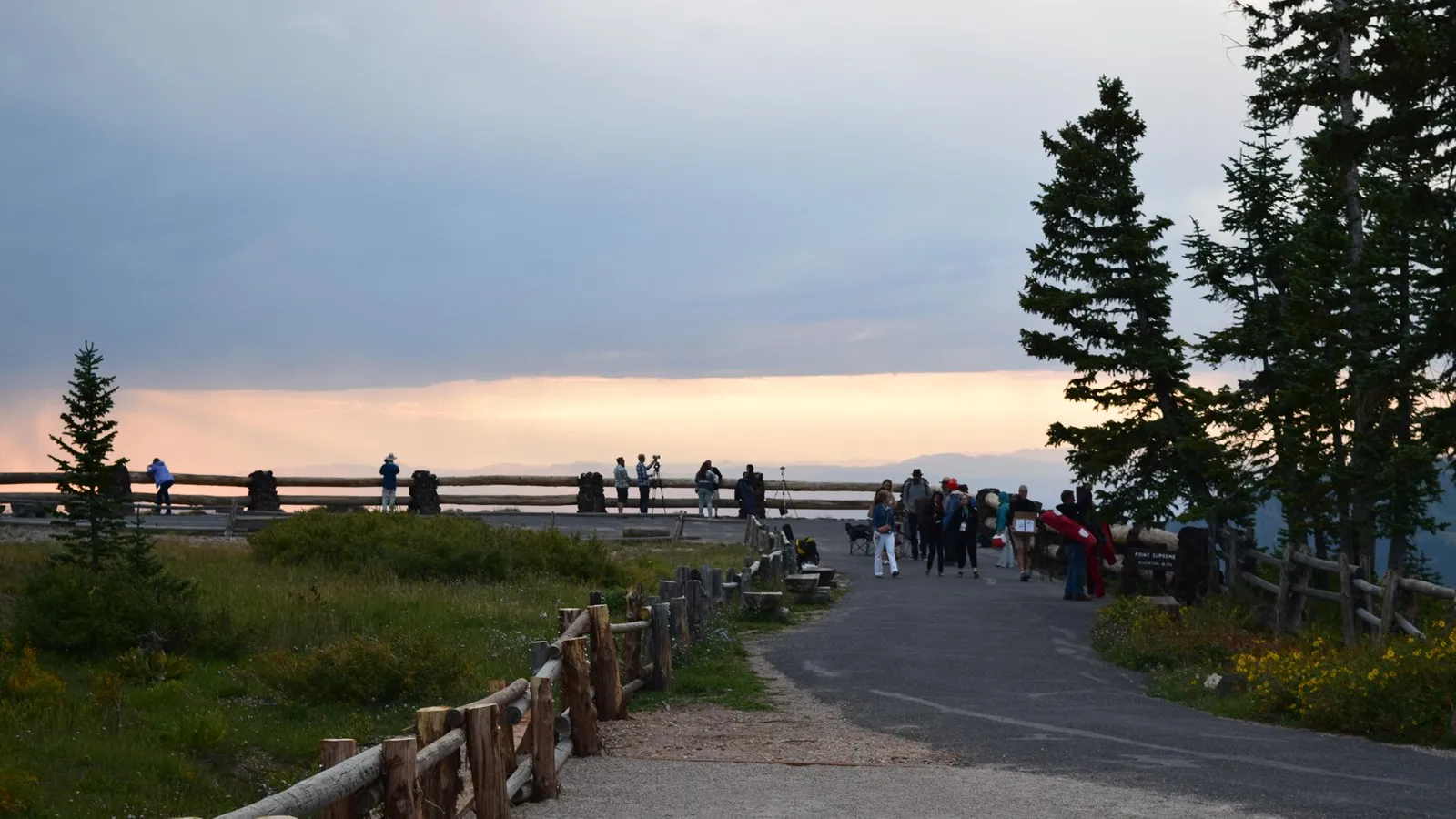
Cedar Breaks sits above 10,000 feet, where a warm day in a nearby valley can become cold, windy or stormy. Bring layers, sun protection and drinking water, even for a visit focused on overlooks. Snow can linger into spring, and ice can return early in fall.
Thunderstorms and lightning are particularly important concerns at exposed, high-elevation viewpoints. Check the forecast, plan conservatively and leave the rim when storms approach. The park's October 2026 alert warned of slippery surfaces and trees down on trails; check whether hazards have changed before choosing a walk.
4. Look beyond the cliffs
The amphitheater is the headline view, but the surrounding subalpine landscape has its own attractions. Meadows, forest and ancient bristlecone pines reveal a different side of southern Utah from the low desert. In warmer months, look for wildflowers while remaining on designated trails and leaving plants for others to enjoy.
Ask a ranger which routes fit your group's ability and available time. Short distances can be surprisingly tiring at altitude, and a trail that is pleasant in summer may be icy, muddy or difficult to follow in another season. Carry a map, wear shoes suited to the surface and be willing to turn around.
5. Match your plans to seasonal services
Visitor services are not available year-round simply because the monument is open. The park announced that the visitor center and museum would finish their 2026 season on October 17; its campground had already closed. The current-conditions page lists seasonal restroom and facility availability, which can change with snow and maintenance.
Bring your own water, especially late in the season, and do not build the day around a store or staffed desk without checking. If a restroom is essential for your party, verify access before leaving. On busy summer days, arrive with enough time for parking and an unhurried stop.
6. Let the season shape the visit
When the main road is open, a scenic drive with several viewpoints can make a rewarding half-day. In winter, the park says closed sections may be reached by snowshoe, cross-country skis or snowmobile where permitted, but those trips require suitable equipment, skills and current route information. North View may remain reachable from Route 143 when conditions allow.
Whether your visit is a short overlook stop or a carefully prepared winter outing, check conditions shortly before departure. Cedar Breaks is most enjoyable when the itinerary respects the elevation and leaves time to take in the amphitheater rather than racing through it.