Utah's famous national parks share a state, but they don't share a single landscape. A trip can move from a canyon framed by cliffs to a high amphitheater of hoodoos, then across red-rock country toward arches, orchards and immense river-carved canyons. These five stops are best approached as a flexible multi-day journey, with time for the drives and changing conditions between them.
1. Zion National Park: Start with the canyon shuttle
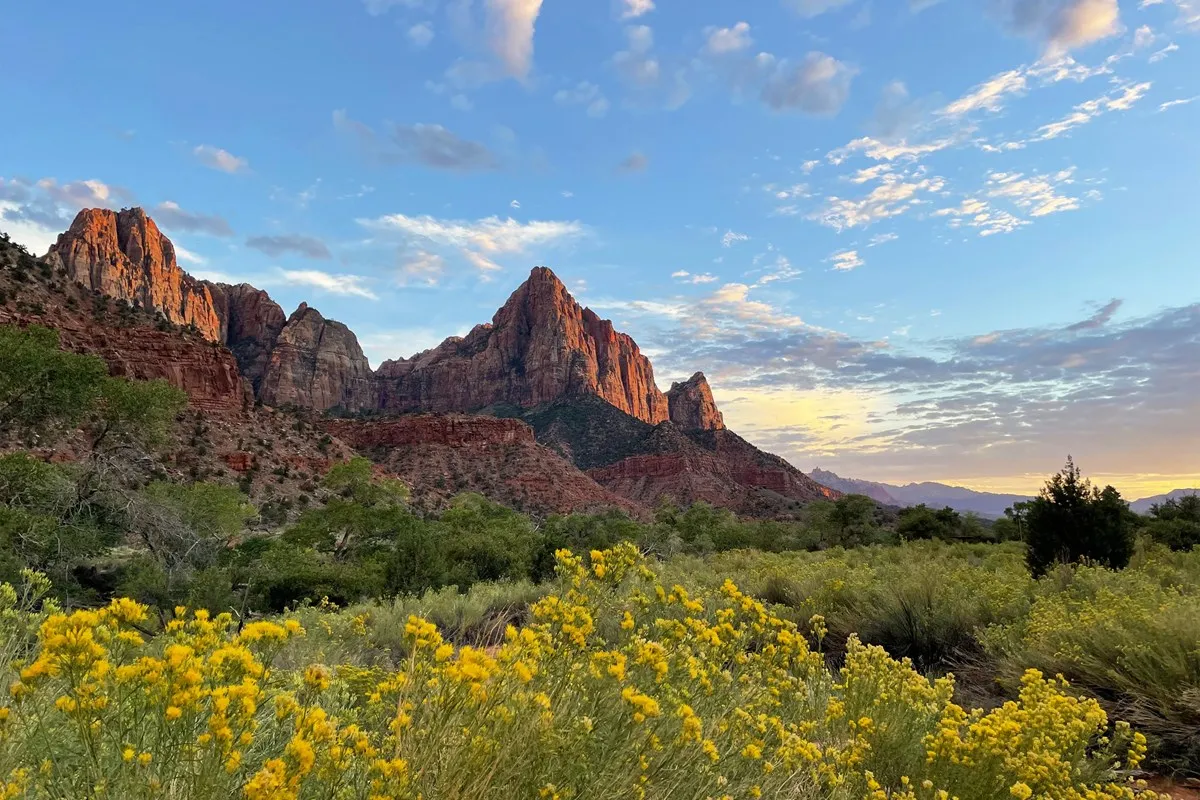
Zion Canyon introduces the trip on a dramatic scale. Sheer walls rise above the Virgin River, and stops along the canyon provide access to viewpoints and walks. During shuttle operations, most private vehicles cannot drive the Zion Canyon Scenic Drive, so consult the National Park Service's current schedule and plan extra time to park and board.
Choose a route that matches your group. Riverside walks, viewpoints and longer hikes offer different experiences; the famous Angels Landing route requires a permit for its final section. The Narrows involves walking in the river, with water levels, temperature and flash-flood forecasts determining whether conditions are safe. Check current guidance instead of treating either route as an automatic stop.
An early start can help on busy days, but a calmer itinerary may be more valuable than trying to complete every major hike. Carry water, use the shuttle information provided by the park and allow for delays on the road between destinations.
2. Bryce Canyon National Park: Watch the light on the hoodoos
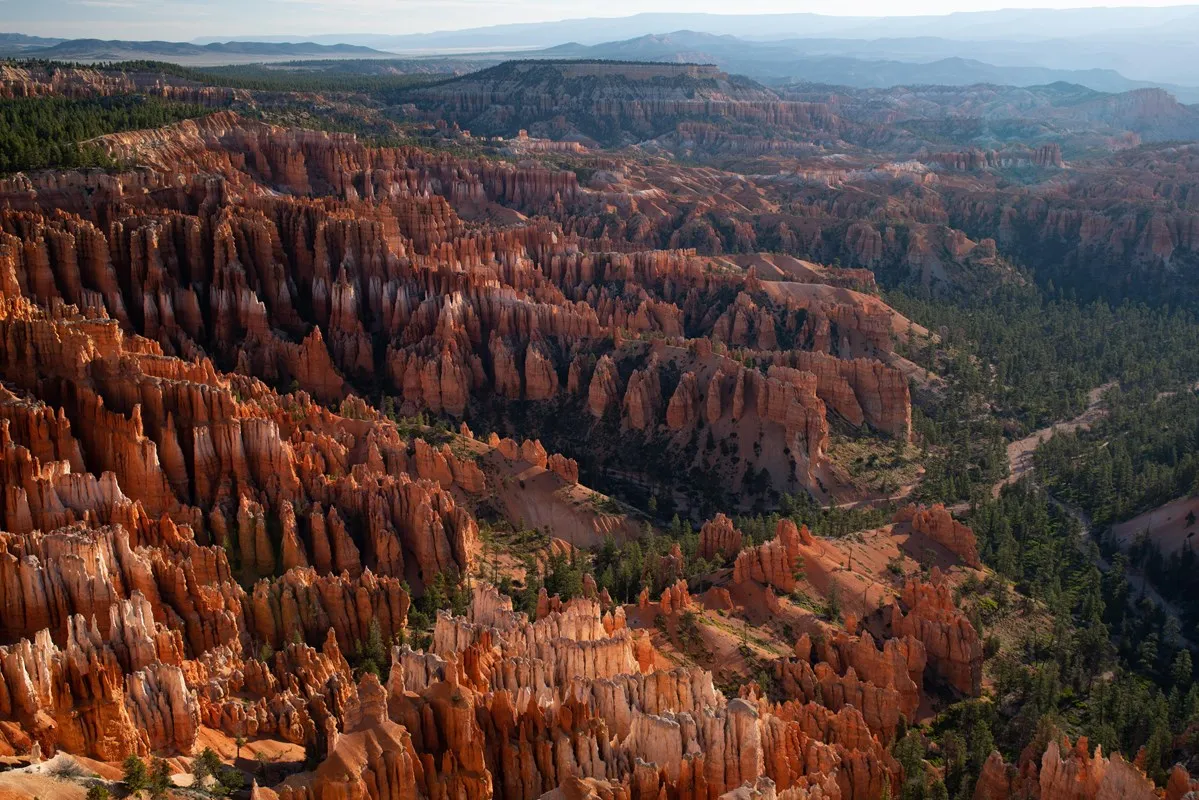
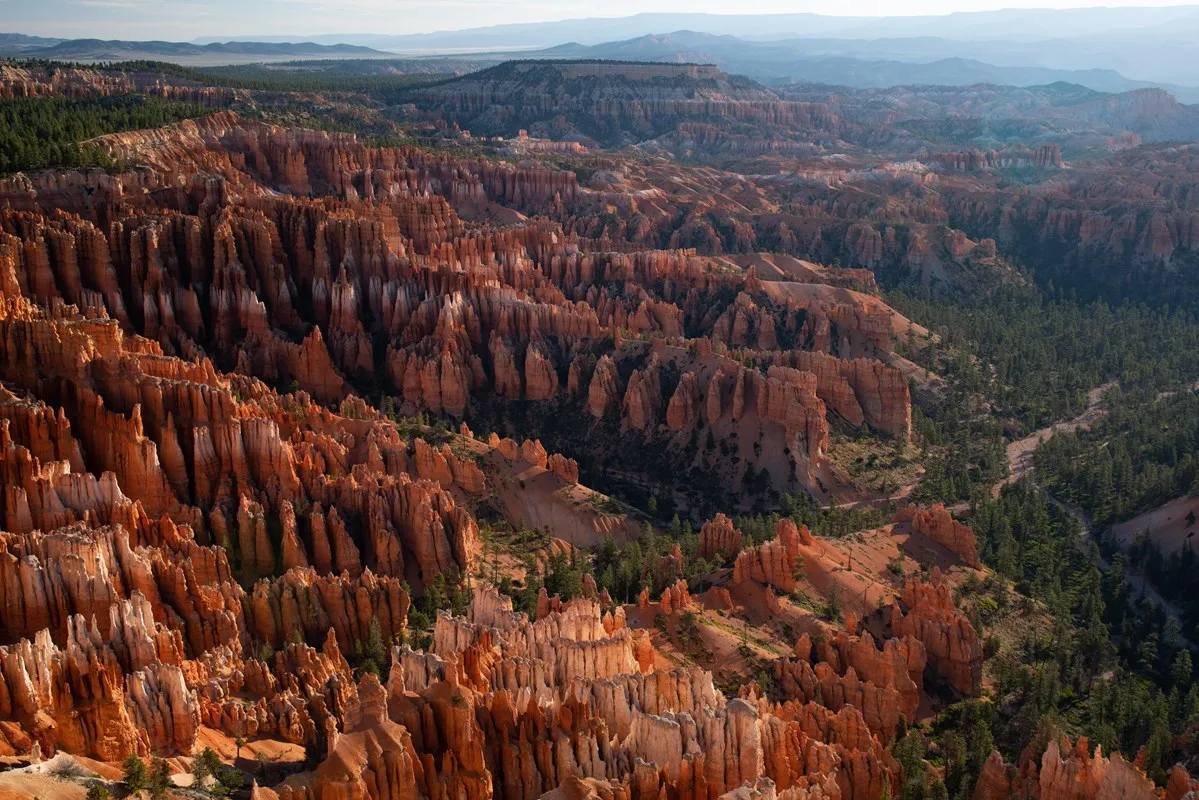
At Bryce Canyon, the elevation and climate can feel very different from Zion. The Bryce Amphitheater is filled with hoodoos, the tall rock spires shaped by weathering and erosion. Viewpoints along the rim reveal their patterns without requiring a descent into the amphitheater.
If you do hike below the rim, remember that the return is uphill. Check current trail conditions and allow for snow or ice outside summer. The park operates a seasonal shuttle; check dates and parking options before arrival rather than assuming it runs all year. At this elevation, layers and a weather forecast are useful even when lower destinations are warm.
Sunrise or late afternoon can make the formations particularly striking, but the best view is the one that fits your schedule and the weather safely. Keep away from unprotected edges and stay on marked trails to protect the fragile landscape.
3. Capitol Reef National Park: Pause for orchards and history
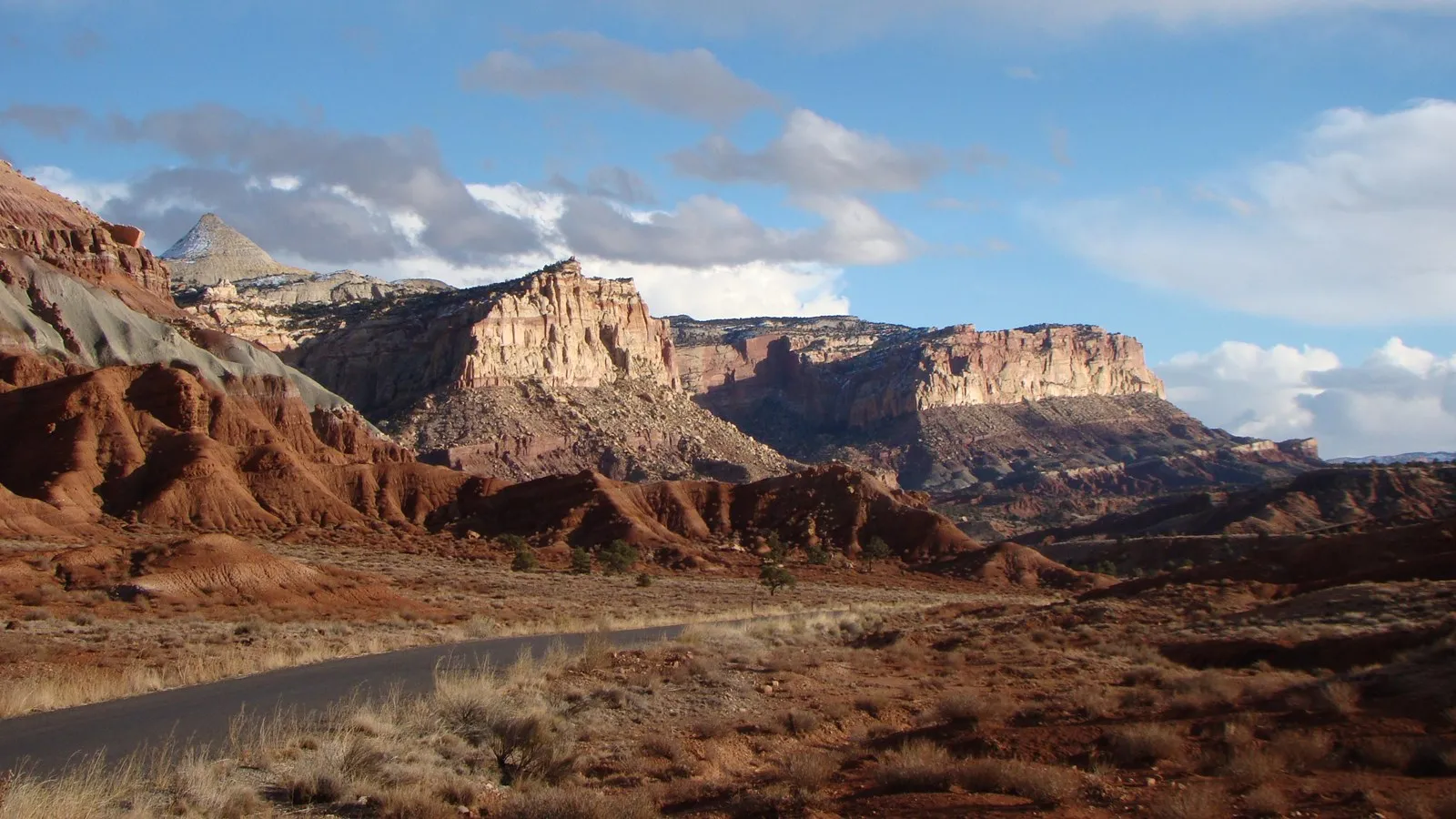
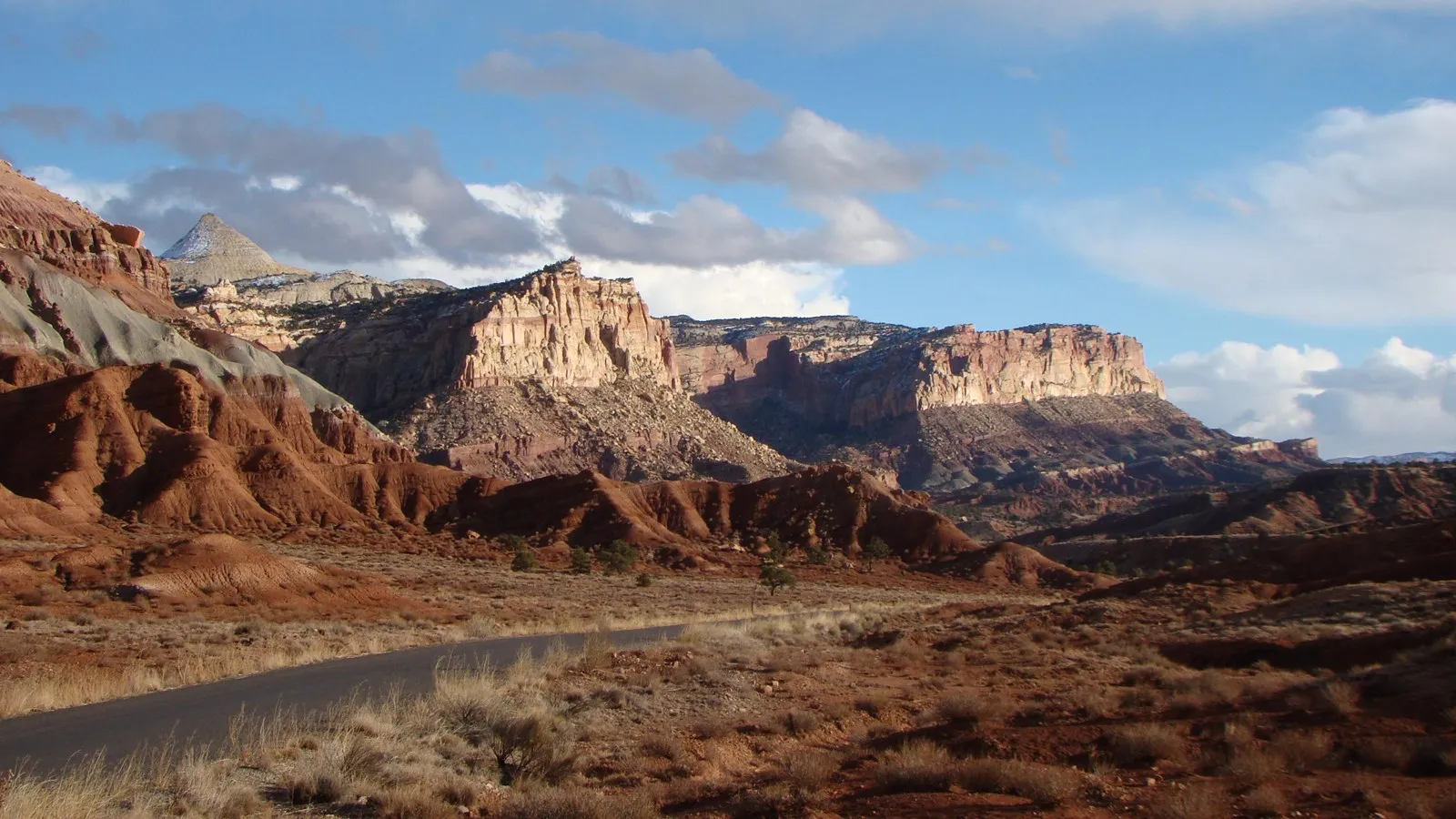
Capitol Reef adds a human scale to the trip. The Fruita district sits among cliffs and tilted layers of the Waterpocket Fold, with orchards and the historic Gifford Homestead near the Fremont River. The petroglyph boardwalks along Highway 24 provide a chance to learn about the people archaeologists call the Fremont Culture. View the markings without touching them.
The paved Scenic Drive runs 7.9 miles one way and requires a return along the same road. A fee applies. Dirt spurs and wash hikes depend on conditions; ask about road surfaces and flash-flood risk before adding them. The Gifford House and fruit harvests are seasonal, so check the park's current information and pick fruit only in orchards posted as open.
Consider leaving a slower day here between longer drives. A visitor center stop, orchard stroll and viewpoints can make a satisfying visit without adding another strenuous hike to an already full trip.
4. Arches National Park: Look for stone shapes near Moab

Arches offers a concentration of natural sandstone arches and a scenic road to viewpoints and trailheads. Some stops are short walks; others require a longer exposed hike on uneven rock. Delicate Arch is a celebrated destination, but the trail's exposure and changing conditions deserve an honest assessment before setting out.
Carry water and sun protection, and avoid climbing on arches or leaving established routes. Heat, storms and winter ice can change the character of a hike. For 2026, the park announced it would not use a timed-entry reservation system, but future entry policies can change; check the official site for the year of your trip.
Moab makes a practical base for exploring this area. Leave flexibility for crowded parking lots and the time required to move between the park and town. A shorter viewpoint walk can be a good alternative when weather or fatigue makes a longer route unwise.
5. Canyonlands: See the canyons from Island in the Sky
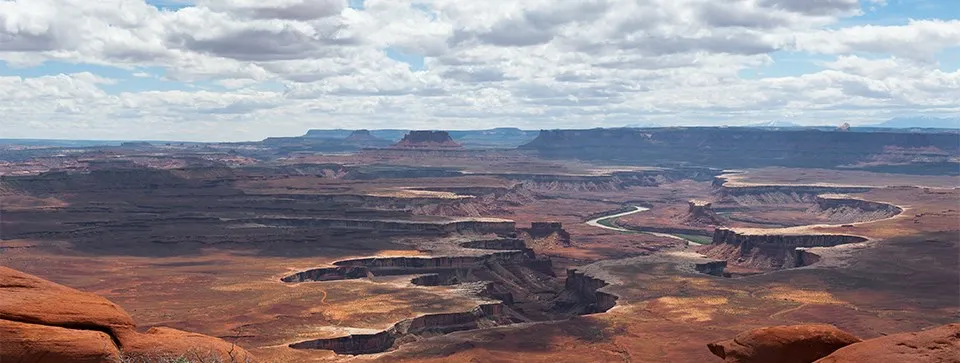
The Island in the Sky district of Canyonlands sits on a mesa above a vast network of canyons. Its paved scenic drive links overlooks that show the landscape at different scales. The short Mesa Arch trail leads to an arch at a cliff edge; the route is uneven and not wheelchair accessible, and the drop beyond the arch calls for careful supervision.
Grand View Point and Green River Overlook offer different perspectives on the terrain below. The park's districts are separated by difficult country, and Island in the Sky is not directly connected to the Needles by a paved park road. Treat the two as separate destinations when planning.
Backcountry routes such as the White Rim require substantially more preparation than a drive to the viewpoints. Check permits, vehicle requirements and current road conditions. For a first visit, a few overlooks and a carefully chosen walk can fill a memorable day.
Putting the trip together
These stops span a large region. Give each park enough time to be more than a parking lot, add the drive between overnight bases to your schedule, and build in room for weather or rest. A single visit need not include every stop; choosing two or three can make a shorter vacation more enjoyable.
Before leaving, check official alerts, seasonal services, shuttle schedules and the weather for each destination. Conditions at different elevations can vary dramatically. The shared thread is not a checklist of famous places, but a chance to see how water, stone and time have produced a remarkable variety of Utah landscapes.