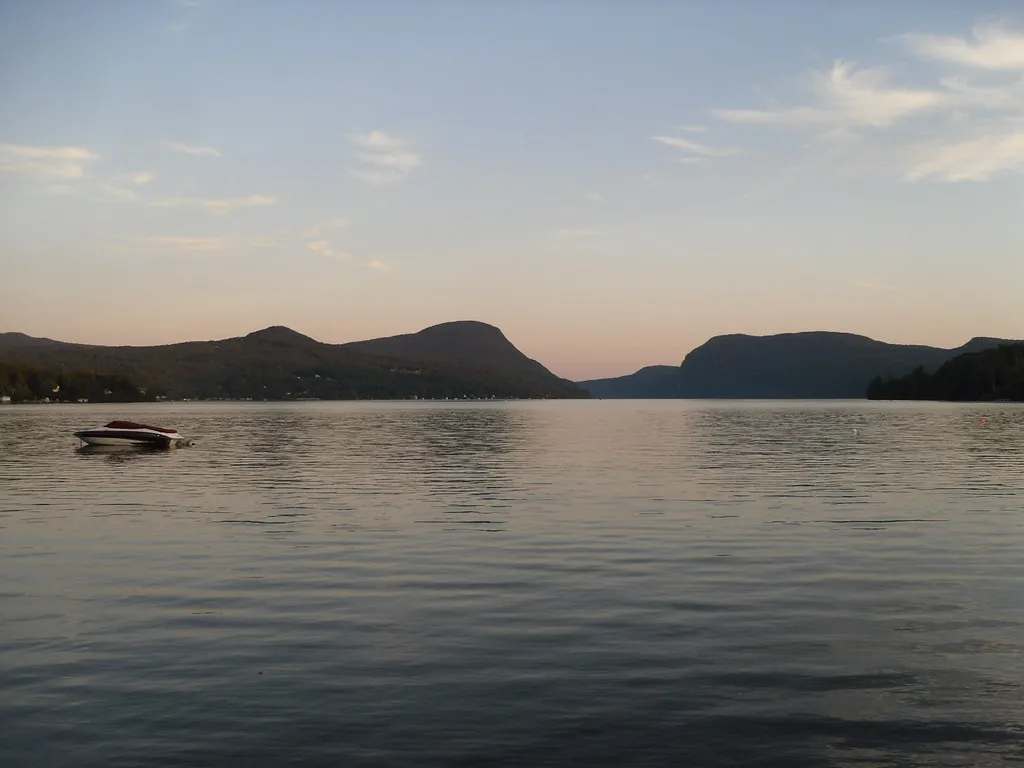
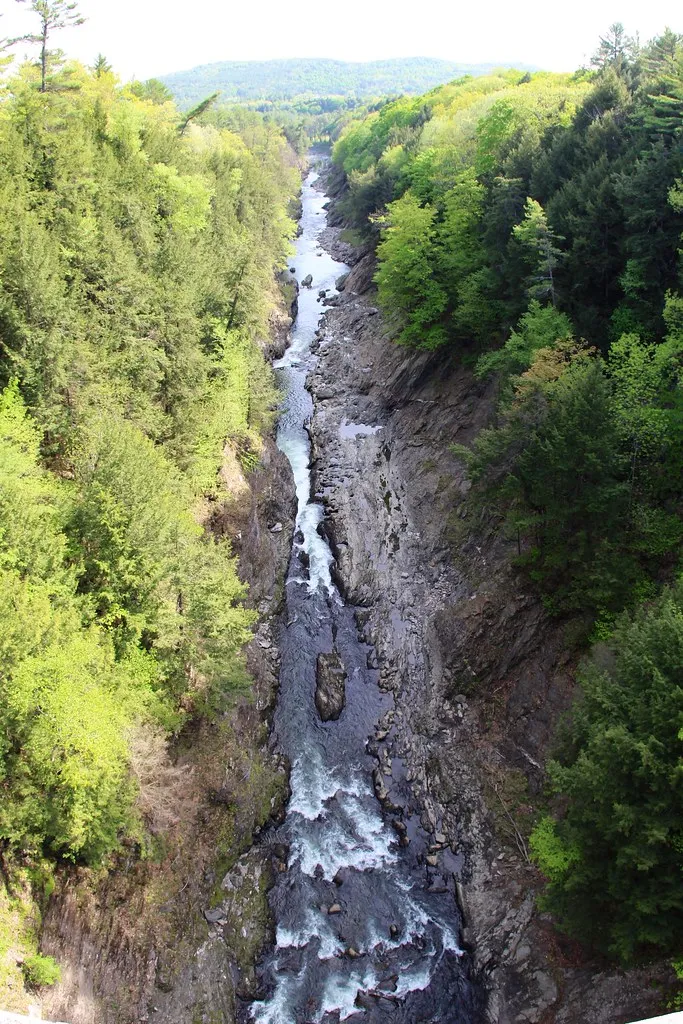
Bennington's skyline and streets offer an inviting starting point for a southwestern Vermont history trip. A tall monument recalls a Revolutionary War victory, while the town below provides places to pause for a meal and consider the larger region in which that history unfolded.
One geographic detail makes this story more interesting: the Battle of Bennington was fought across the state line in what is now New York, while the Vermont monument stands at the site of a military supply depot that British forces had sought. Visitors can explore either place separately or connect them on a longer day, provided current access and seasonal hours allow.
1. Begin with the monument's story
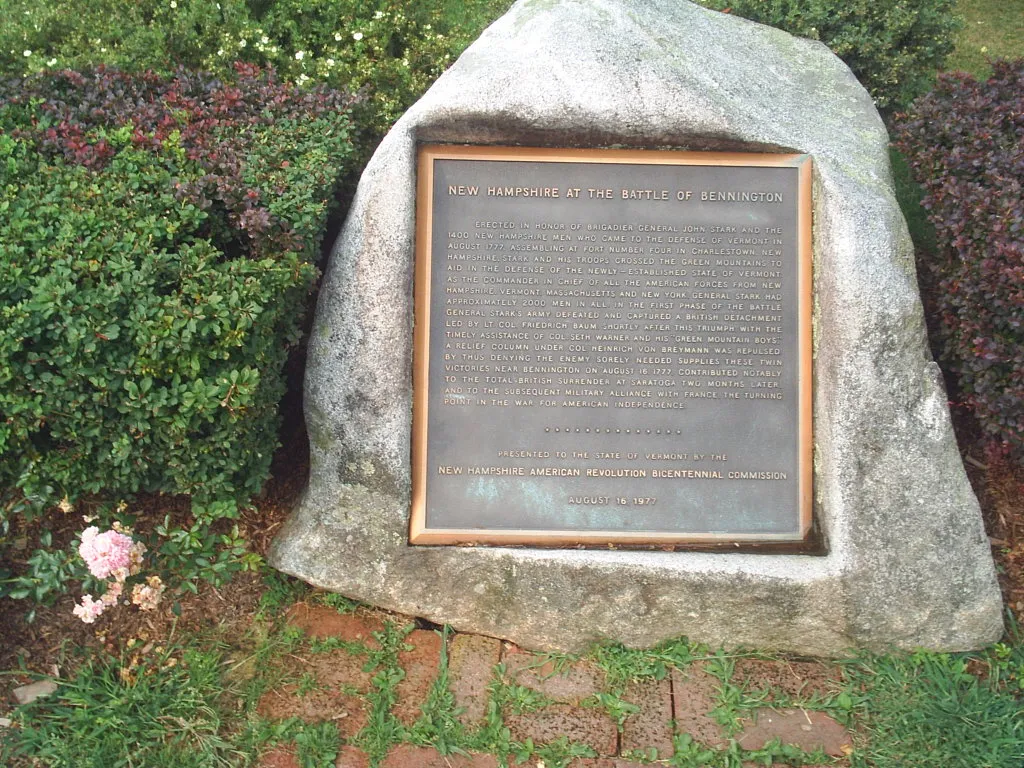
The Bennington Battle Monument stands at 15 Monument Circle in Bennington. Vermont's historic-sites office describes the 306-foot structure as a commemoration of the August 16, 1777 victory by American forces, including New Hampshire militia, Vermont's Green Mountain Boys and Massachusetts volunteers.
The monument was built on the site of a supply depot, not on the principal battlefield. That distinction helps the landscape make sense: the stores in Bennington were a target of the British expedition, and the fighting that stopped it occurred near Walloomsac, New York. The National Park Service places the battle in the wider Saratoga campaign.
Before visiting, check the Vermont site for current hours and facilities. The state lists the 2026 operating season as May 22 through October 31. As of November 16, the regular season has ended. Do not assume that the interior exhibit or services are available simply because the monument can be seen from outside.
2. Check the observation-level closure
The Vermont Division for Historic Preservation says the monument's elevator remains offline for safety reasons and the observation level is closed. The ground-floor exhibit and other site facilities have operated with separate arrangements when the site is open. Confirm the latest status directly with the state before buying a ticket or planning a visit around a view from above.
An exterior view and the history of the site can still be meaningful, but access to the grounds and facilities depends on the season and current notices. If the elevator or site status changes, follow the operator's updated guidance. Ask staff about accessible parking and routes if those details matter to your group.
Read the interpretation with a question in mind: how did the loss of a supply expedition affect the larger campaign? Connecting a local monument to the movement of armies, supplies and communities makes the story more than a date on a marker.
3. Spend time in Bennington
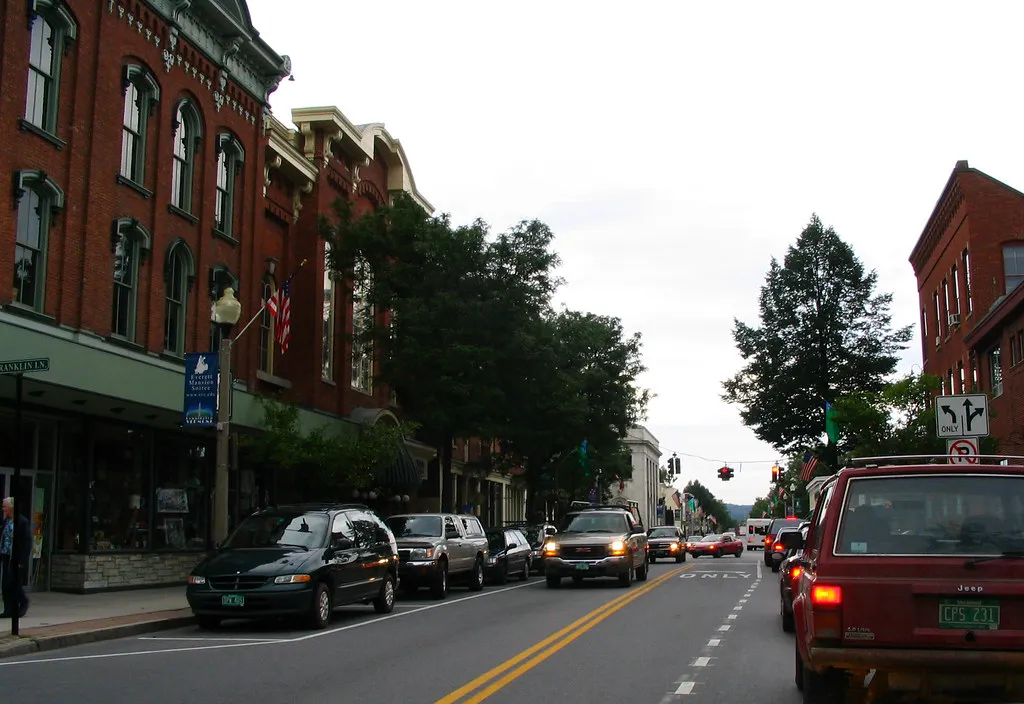
Bennington can serve as a comfortable base for exploring southwestern Vermont. A meal, a walk through open public areas and time to look at the town's architecture give the day a different rhythm from a single monument stop. Individual businesses and attractions set their own schedules, so check before traveling, particularly in the off-season.
Use marked crossings, follow local parking signs and respect private properties. Older streets and sidewalks may have uneven surfaces or changing grades. Families can keep the outing manageable by choosing one primary historic attraction and leaving time for breaks rather than trying to fit every regional stop into one afternoon.
The monument is reached from the center of town by following the state's directions toward Old Bennington and Monument Avenue. Check current maps and road conditions, especially after snow or storms, and allow time to return before dark if you plan to visit another site.
4. Consider a separate battlefield trip across the border
Bennington Battlefield State Historic Site is in Walloomsac, New York, at 5157 Route 67. The National Park Service describes two engagements fought there on August 16, 1777, and notes interpretive signs and a trail system at the battlefield. It is a separate site from the Vermont monument, with its own managing agency and schedule.
The park's listed regular operating season runs from May 1 through Veterans Day. As of November 16, 2026, that season has passed; check the New York State Parks operator for current access before planning a visit. Guided programs may also vary by season and staffing.
If both sites are open during a future trip, allow driving time across the state line and enough daylight for any walk. Choose a route and distance that fit the group's ability, wear suitable shoes and follow posted signs. A battlefield trail, a monument exhibit and a town walk each offer a different way to understand the same campaign.
5. Put the day together at an easy pace
In the open season, begin with a confirmed visit to the monument, take time in Bennington and add the battlefield only if its schedule and the weather fit. In winter, check whether the historic sites and facilities are open and consider planning the indoor portions for a later date.
The day's strength is the connection between places: a Vermont supply depot, a battle fought in New York and a later monument built to remember the outcome. A little preparation makes room to appreciate that geography and the people whose decisions shaped it.