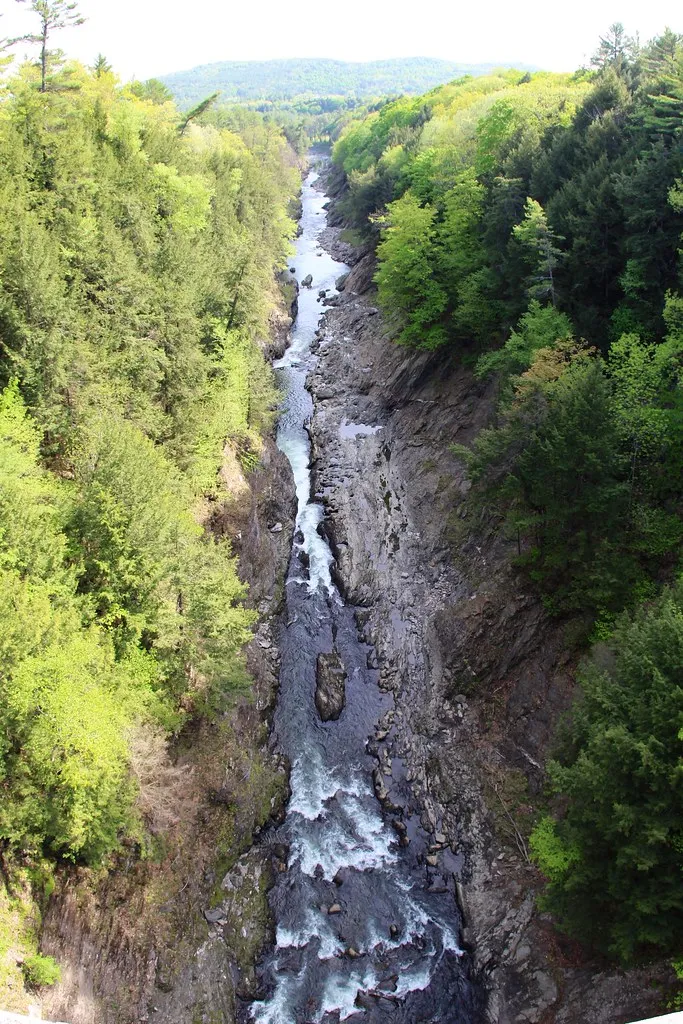
Lake Willoughby sits between steep mountain slopes in Vermont's Northeast Kingdom, giving a drive or lakeside stop a sense of scale that photographs can struggle to capture. The surrounding state forest offers trails and changing seasonal landscapes, but visitors do not have to climb a summit to appreciate the setting.
A good first trip starts with a realistic plan for weather, parking and the experience your group wants. Willoughby State Forest includes several different access points and habitats; confirm current rules and conditions before setting out, especially in winter or after storms.
1. Take in the mountain setting
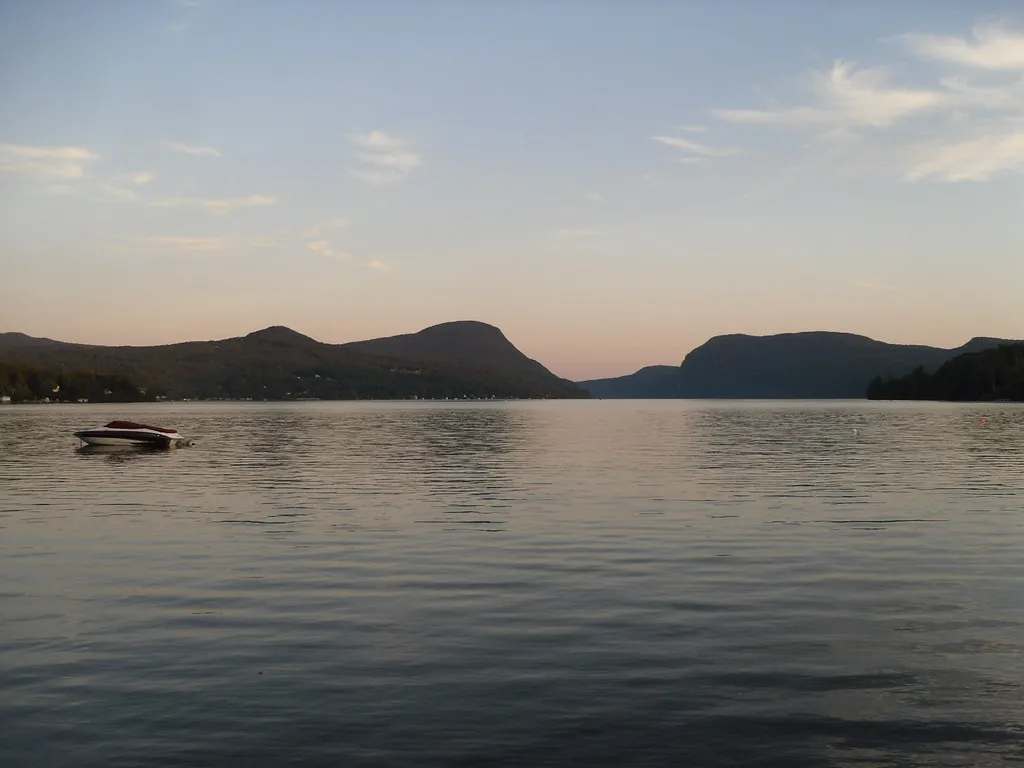
Vermont's Department of Forests, Parks and Recreation describes Lake Willoughby between Mount Hor to the west and Mount Pisgah to the east. The cliffs and water create a distinctive landscape along Route 5A. A drive can introduce the scale of the lake, but the driver should keep attention on the road and stop only in a legal, safe place to look or take photographs.
The lake is one of the deeper lakes in the northeastern United States, according to the state. Its long views and cold water can make the shore feel remote even on a warm day. Bring a layer, check the forecast and avoid assuming that conditions on the lake will match those inland.
Use public access areas and respect private property around the shoreline. Parking availability and rules can change, and a narrow roadside shoulder is not necessarily a safe place to leave a car. Check the current state information and posted signs before deciding where to stop.
2. Decide whether a hike belongs in the day
Willoughby State Forest contains hiking routes and natural areas as well as the lake. Mount Hor and Mount Pisgah rise on opposite sides of the water, but a mountain trail is a different commitment from a lakeside stop. Consult a current trail map, choose a route suited to the least experienced person in the group and allow enough daylight for the return.
Conditions can change quickly. Mud, ice, wet leaves and steep ground may make a trail more demanding than its distance suggests. Carry water, layers and a light, tell someone your route and turn back if weather or footing becomes unsafe. Stay on marked trails and away from cliff edges.
The state says bicycles are allowed only on specified gravel-surfaced roads in Willoughby State Forest, including CCC Road and Duck Pond Road, and are not allowed on hiking trails. Check current rules before bringing a bicycle, and contact forest staff if you need details about an accessible route.
3. Treat the lake as a changing environment
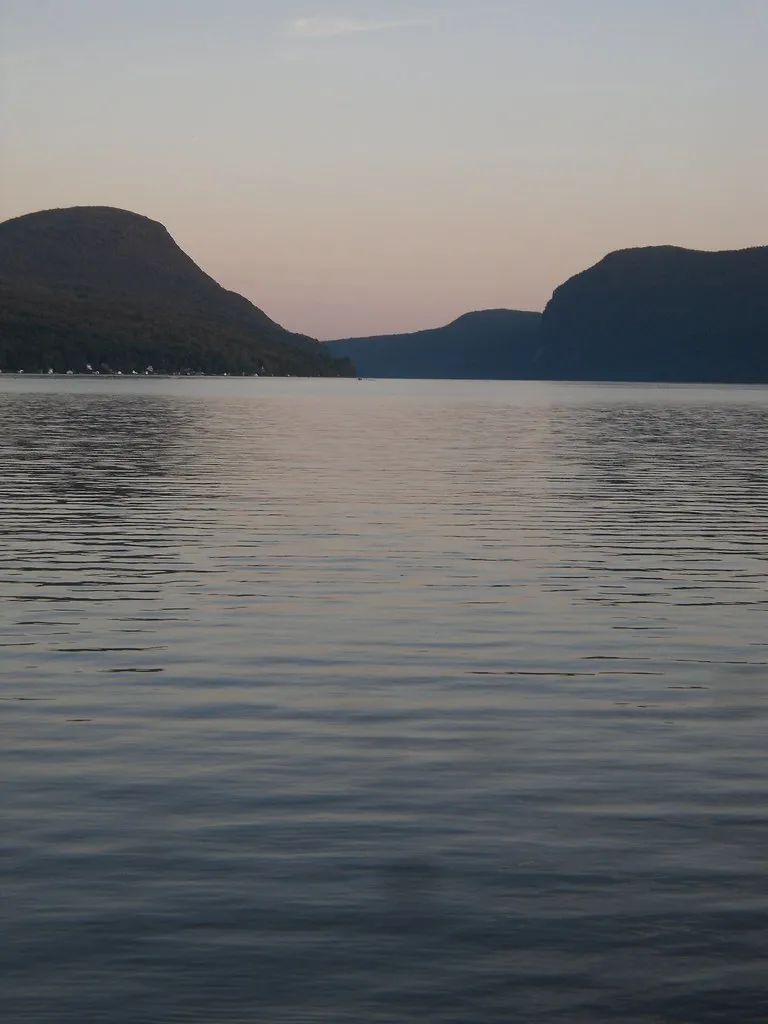
Lake Willoughby's clear water and mountain backdrop invite people to linger, but water temperature, wind and waves can change the safety of any activity. Use established public access points and follow local signs. If swimming or boating is part of your plan, confirm where it is allowed and choose conditions appropriate for the group's ability.
Cold water deserves particular respect, including during warmer weather. Bring appropriate safety equipment for boating, tell someone your plan and stay out of the water if conditions or posted notices make access unsafe. Do not assume lifeguards or services are present at a particular shore location.
Help protect the lake by carrying out trash and following state guidance for cleaning, draining and drying boats and gear. Give wildlife space and stay away from sensitive vegetation. A quiet shore visit can be rewarding without entering the water at all.
4. Let the season shape the itinerary
Summer can be a pleasant time for lake views and hiking, while fall brings changing color and potentially busy roads. Winter changes both the appearance and the practical demands of the landscape. The state describes a network of groomed Nordic terrain around Bartlett Mountain when conditions permit, along with designated ungroomed backcountry areas managed through a partnership.
Check the current grooming report, trail rules and weather before planning a winter activity. Some routes are suitable only for people with appropriate equipment and experience. Snow and ice can obscure signs and parking boundaries, so do not treat a summer route description as a winter safety plan.
Spring can bring wet, muddy trails and variable access. Whenever you visit, use the official forest information and posted notices to decide what is open. Stay on designated routes and do not remove vegetation or create new paths.
5. Make the Northeast Kingdom outing your own
For a relaxed first day, combine a safe lakeside stop with a meal in the surrounding area. Add a hike only if the forecast, daylight and everyone's preparation support it. Local businesses have their own seasonal hours, so confirm the places you want before traveling.
If you have more time, use the state forest map to choose another open destination rather than trying to see every mountain in one day. The distances between places can feel longer on winding roads, and a slower itinerary leaves room for weather changes.
Lake Willoughby's appeal is the relationship between the water and the mountains around it. Whether you enjoy that view from a legal public stop or earn it on an appropriately chosen trail, a little planning makes it easier to appreciate the landscape at its own pace.