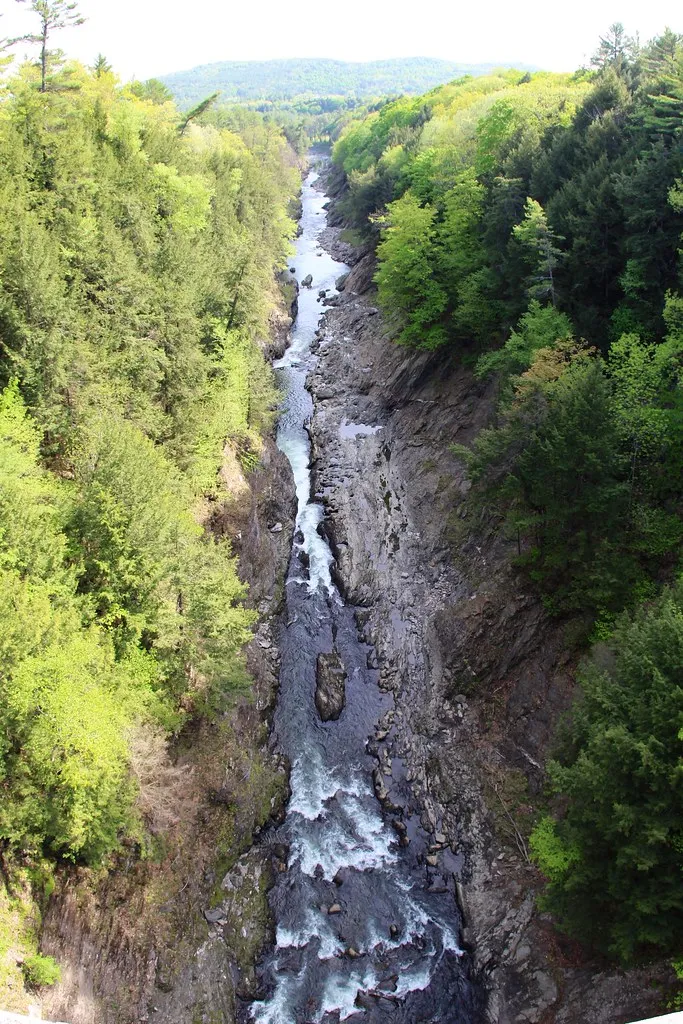
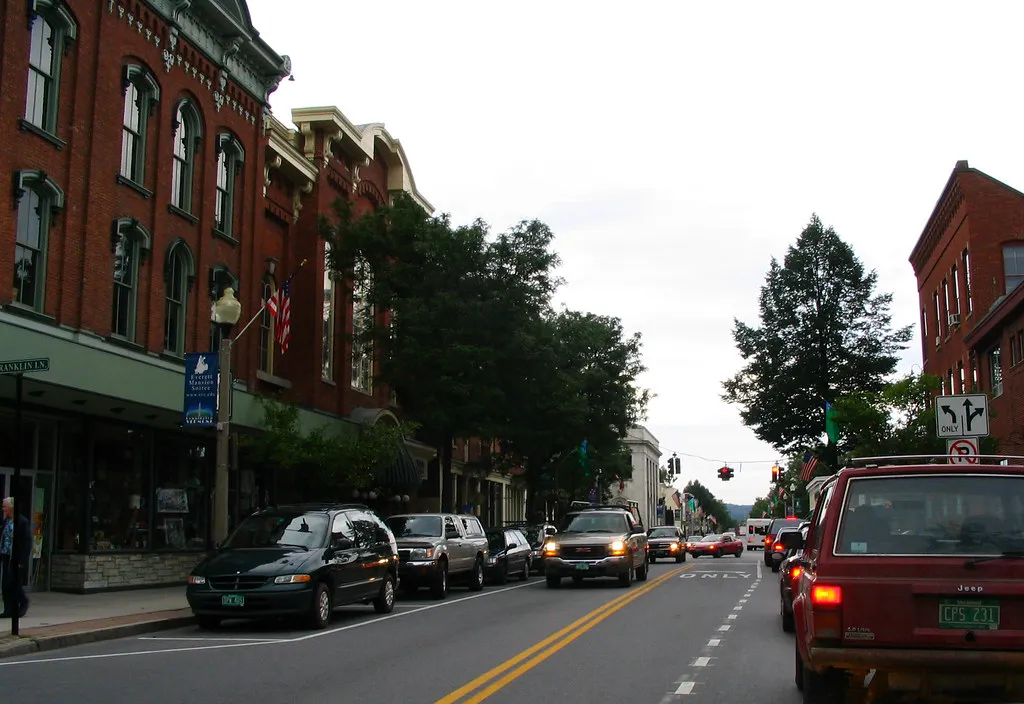
Vermont's water views are not all reached the same way. In Burlington, a city path follows the shore of Lake Champlain. In the Northeast Kingdom, Lake Willoughby lies between steep mountain slopes. Near Woodstock, a forest walk can lead to the Pogue, a pond on Mount Tom.
These are three separate destinations rather than a compact driving loop. Compare them by the time you have, the season and the kind of outing your group wants. Each is worth a slower visit, and each requires checking local conditions before setting out.
1. Burlington: Lake Champlain with a city waterfront
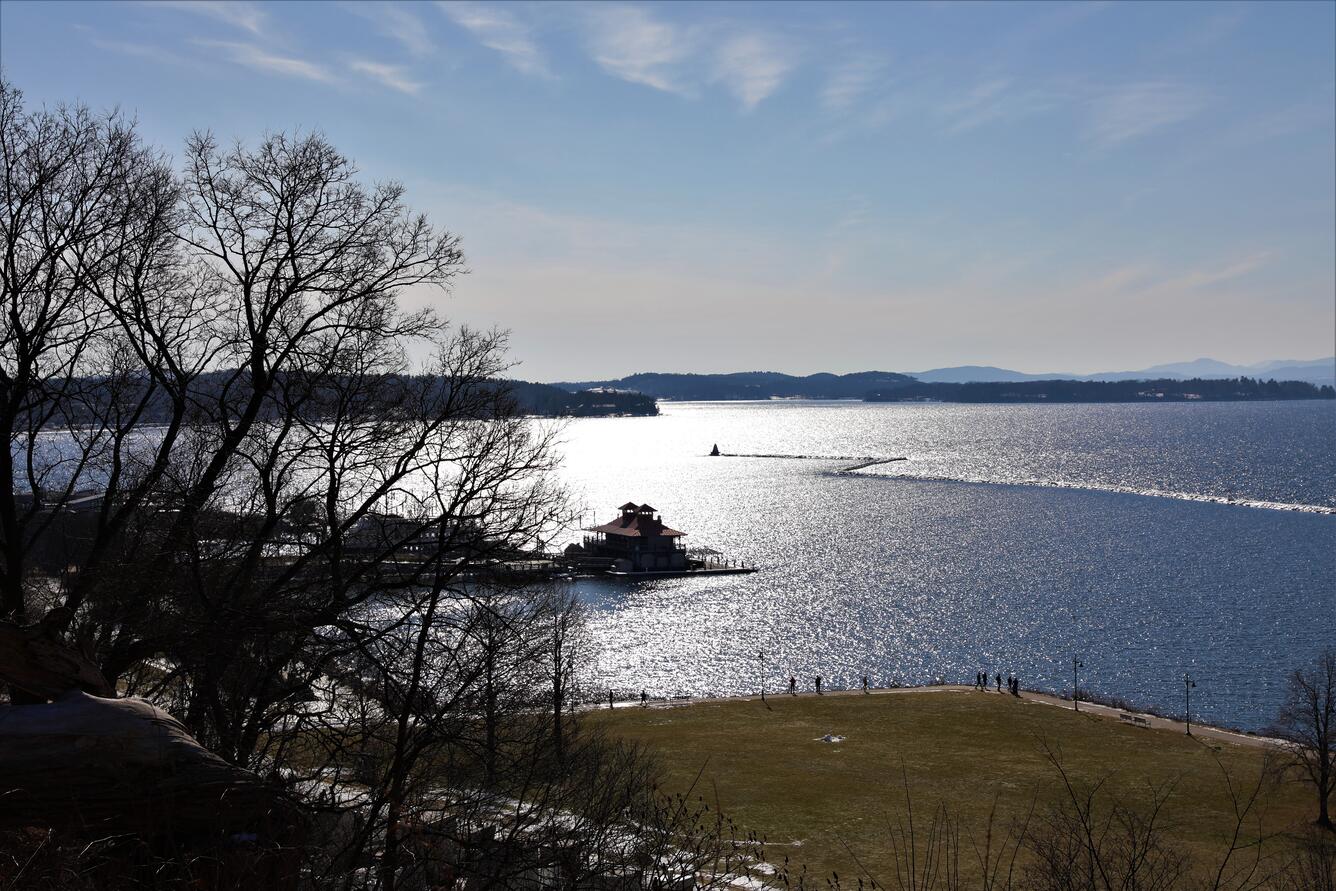
The Burlington Greenway follows the Lake Champlain shore and connects parks and neighborhoods. The city describes it as an approximately eight-mile paved multi-use path, but visitors can choose a short section near Waterfront Park and turn back whenever they like. A view from Battery Park adds an elevated perspective over the lake and waterfront.
This is the most urban of the three outings. It works well for travelers who want to combine fresh air with a meal, museum or downtown stop. Walkers, runners and cyclists share the Greenway, so give others room and pay attention at crossings. Parking, event access and seasonal restrooms should be checked with the city before you arrive.
Winter requires extra care. Burlington says the Greenway is plowed after storms but is not salted or sanded because of its proximity to the lake. Icy surfaces may remain. Choose another route if conditions are unsuitable, and bring a warm layer for the waterfront even when the temperature elsewhere feels comfortable.
The longer Island Line Trail includes a seasonal bike ferry beyond Burlington. A short waterfront visit does not require that crossing. If the ferry is part of your plan, verify its schedule and terms separately rather than assuming it runs year-round.
2. Lake Willoughby: A mountain lake in the Northeast Kingdom
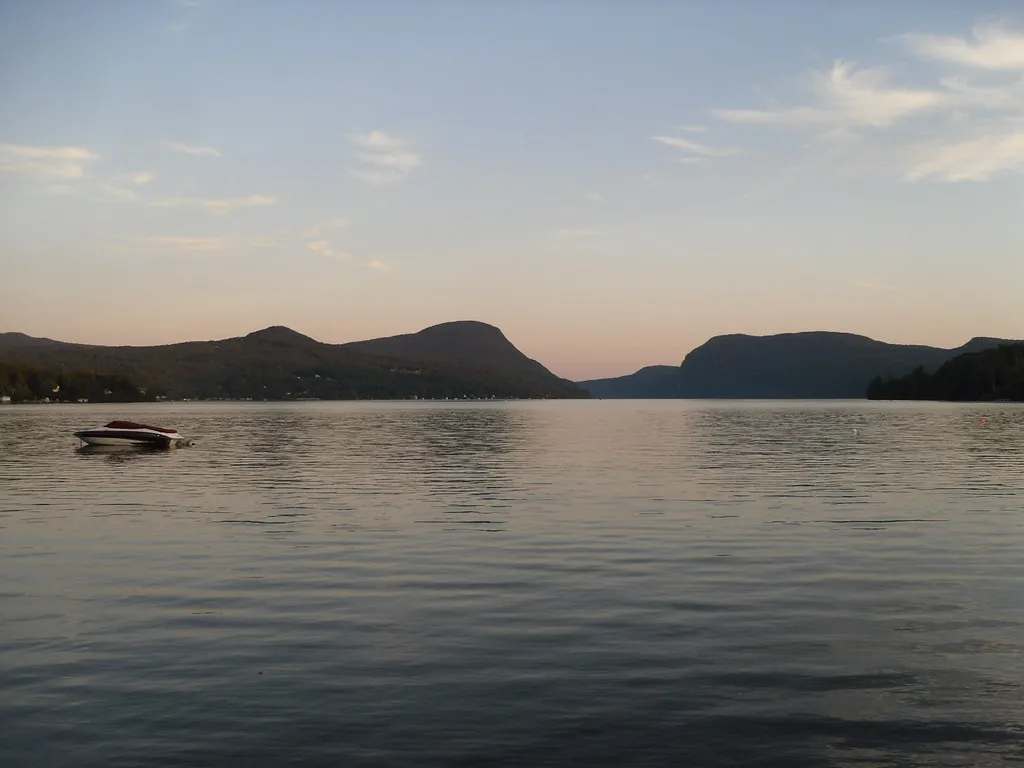
Lake Willoughby offers a more rural setting, with Mount Hor to the west and Mount Pisgah to the east. Vermont's Department of Forests, Parks and Recreation describes the lake and cliffs as defining features of Willoughby State Forest. Route 5A provides views of the landscape, but drivers should stop only in legal, safe locations and respect private property.
This is a strong choice for travelers who want a mountain backdrop and are comfortable planning around fewer immediate urban services. A lakeside stop can be part of a relaxed day; a hike is a separate commitment requiring a current map, appropriate equipment and enough daylight. Check forest notices, parking information and the weather before choosing a trail.
The state allows bicycles only on specified gravel roads in the forest, not on hiking trails. Stay on designated routes and away from cliff edges. In winter, some Nordic terrain may be groomed when conditions permit, while backcountry routes require appropriate experience and equipment. Verify the latest conditions rather than relying on a summer description.
Water temperature, wind and waves also matter. Use established public access points, follow posted rules and avoid assuming lifeguards or facilities are available. A quiet view from shore may be the right choice when conditions are uncertain.
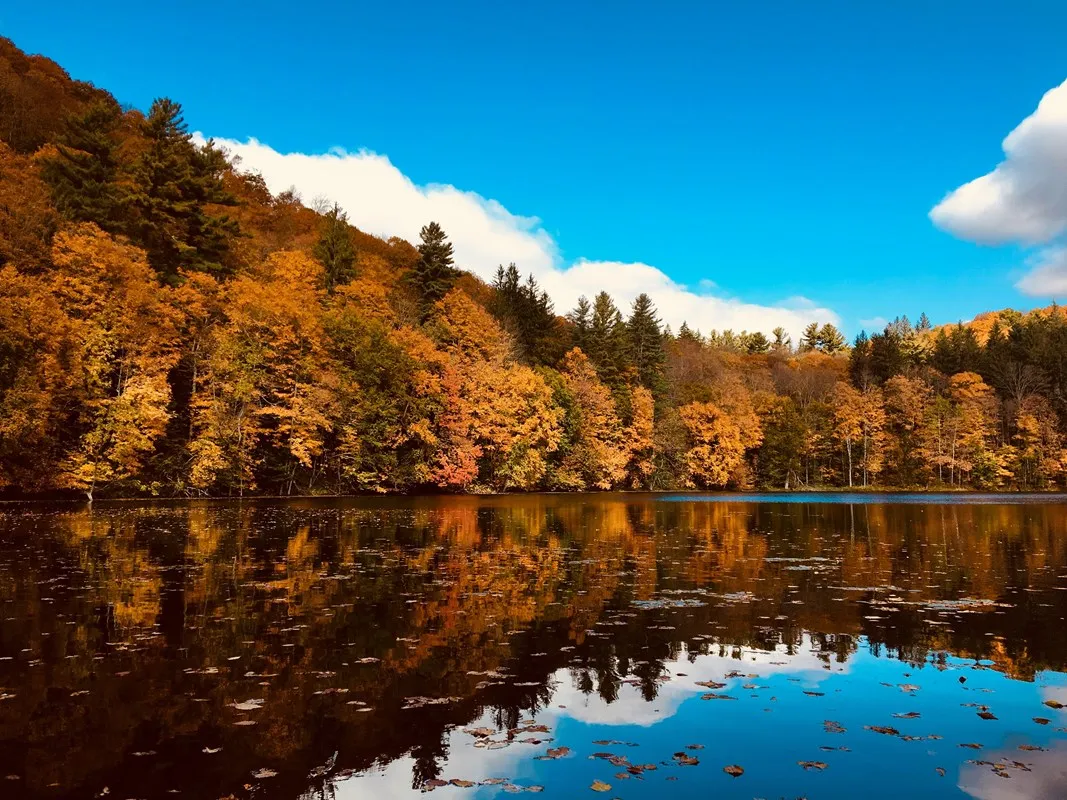
3. The Pogue: A woodland pond above Woodstock
The Pogue lies within Marsh-Billings-Rockefeller National Historical Park on Mount Tom. It offers a different sort of water view: a pond reached through a managed forest, with the park's carriage roads and trails telling a story of conservation and land stewardship.
Start with the National Park Service's map and choose an open route that fits your group. The park says its grounds and gardens are open dawn to dusk year-round. Before winter snow accumulates, carriage roads and trails are free to use; when snow supports skiing and snowshoeing, free access is limited to designated multi-use trails, while groomed Nordic routes require a valid ticket or pass.
The visitor center and ranger programs are seasonal, so check the current schedule if you want an indoor or guided experience. General parking is shared with Billings Farm & Museum, and the approach to the park's visitor center includes a short, steep hill. Contact park staff for current accessibility information and trail conditions.
This outing suits visitors who want a forest walk rather than an urban waterfront or an open lakeside drive. Bring water and layers, stay on marked routes and avoid walking onto ice unless a responsible authority has specifically confirmed an appropriate activity.
Choose the view that fits the day
Pick Burlington for a flexible city-and-lake visit, Willoughby for a mountain setting and the Pogue for a woodland walk. None requires a packed itinerary. Check official notices, daylight, weather and parking before leaving, and make a backup plan for closures or poor conditions.
Stay in open public areas, respect private property and carry out trash. The best Vermont water view is the one your group can enjoy safely, with enough time to pause and take in the surroundings.