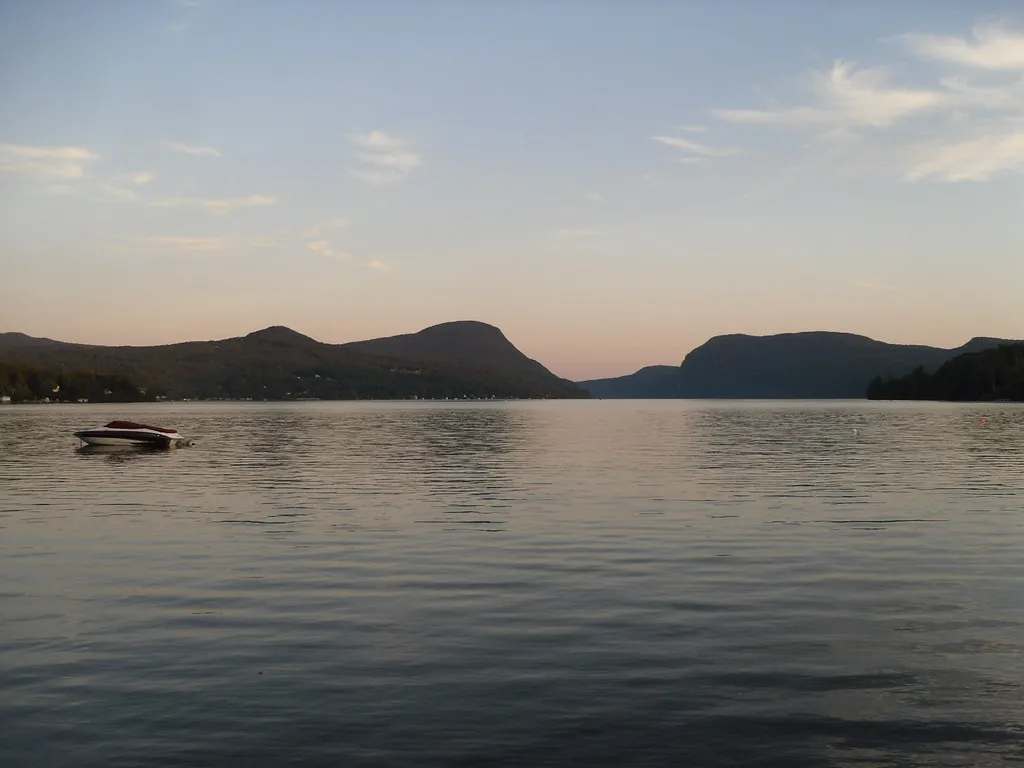
Near Vermont's northern border, Missisquoi National Wildlife Refuge protects a rich landscape of wetlands, floodplain forest and waterways connected to Lake Champlain. A visit offers a quieter way to experience the region: follow an open trail, watch for birds and let the changing water and seasons set the pace.
The refuge was established for migratory birds and was designated a Ramsar Wetland of International Importance in 2013. Its trails and access points are spread across the area, so a successful first visit begins with the official map and current notices. Seasonal bird protection and hunting closures can change which routes are available.
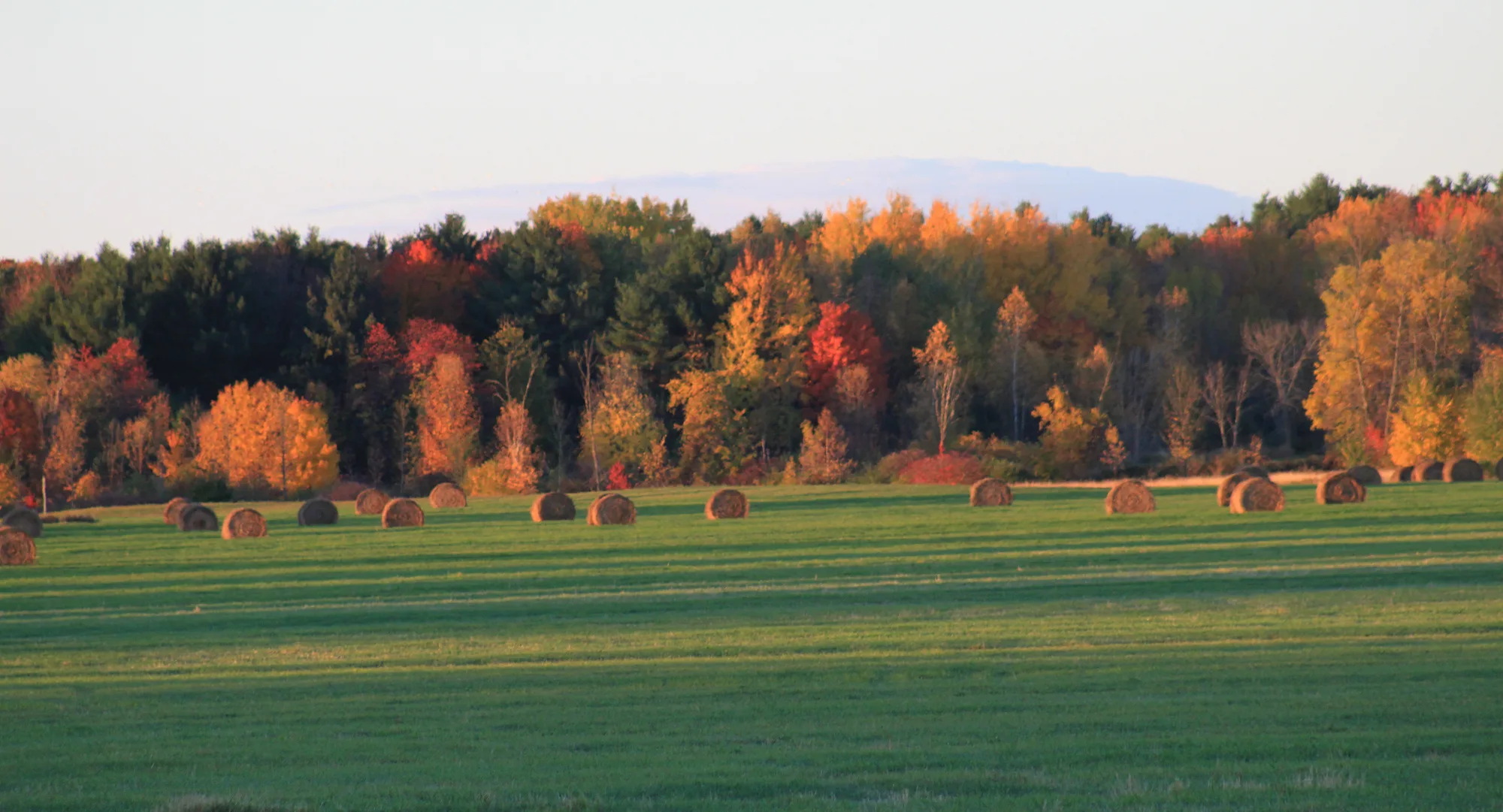
1. Begin at the visitor center near Swanton
The refuge office and visitor center are at 29 Tabor Road, west of Swanton. The U.S. Fish and Wildlife Service lists office and visitor center hours as Monday through Friday, 7 a.m. to 3:30 p.m., with weekends and federal holidays closed. Confirm the schedule before relying on an indoor stop.
Pick up or download a trail map, ask about current conditions and check where the route you want begins. Trailheads are located on Tabor Road and Route 78, not all at the visitor center. A little preparation prevents a long drive between the wrong parking area and the landscape you intended to see.
Refuge trails are generally open dawn to dusk and are for foot traffic. Stay on the path, carry out trash and follow posted rules. The agency allows dogs on a leash on refuge trails; verify the latest rules before bringing an animal and keep it under control around wildlife and other visitors.
2. Choose a walk that matches the season
The refuge lists five public-use trails through different habitats. Black Creek and Maquam Creek trails offer a roughly 2.5-mile round trip with boardwalks and paths near the creeks. The Old Railroad Passage follows a former rail corridor for a longer outing. Consult the current map for distances, trailheads and surface information before choosing.
The Jeep Trail has a seasonal closure to protect breeding birds: the refuge describes it as open roughly August 1 through April 1. Dates and conditions can change, so verify current notices and obey signs on the ground. Do not enter a closed route because an older map shows it as a through trail.
The refuge also says all trails are closed during rifle and muzzleloader deer seasons except the Black and Maquam Creek trails. Check the current hunting calendar and any temporary safety notices before visiting, particularly in late fall. Ask staff which trail is appropriate if you are uncertain.
3. Watch the wetlands without disturbing them
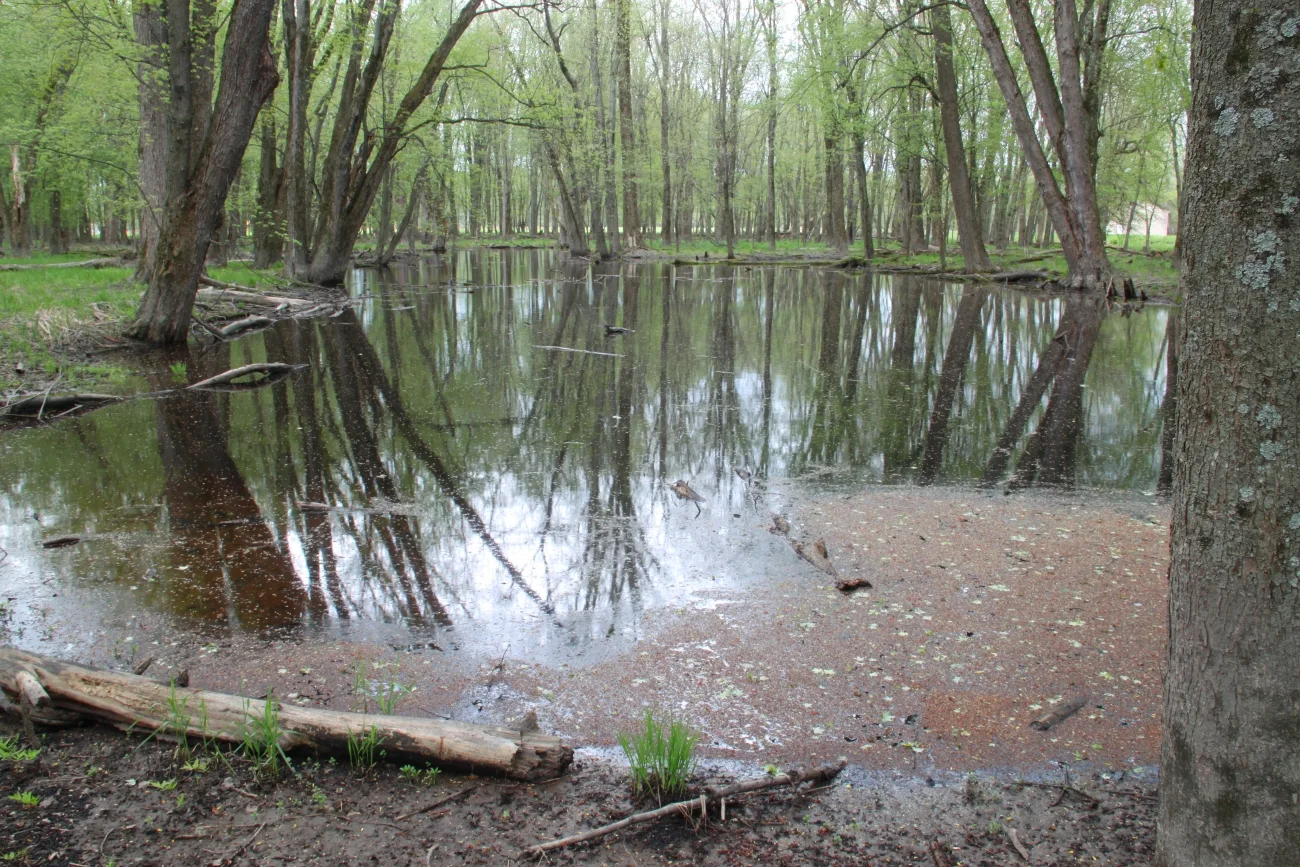
Missisquoi's mix of wetlands, river channels and forest supports migratory and resident wildlife. Bring binoculars and watch quietly from an open trail or viewing area. Birds and other animals move according to their own needs, so no specific sighting is guaranteed, but patience can make even a familiar marsh feel full of activity.
Boardwalks provide access through sensitive habitat on some trails. Stay on them where provided and do not step into vegetation for a closer photograph. Give wildlife room to feed and rest, leave plants and natural objects in place and keep noise low enough for others to enjoy the refuge.
Wetland conditions are seasonal. Insects may be present in warm months, while cold weather can bring ice or snow to paths and parking areas. Wear appropriate shoes, bring water and layers, and turn back if footing or daylight becomes a concern. Ask the refuge about accessible routes and current surfaces if your group needs them.
4. Consider the water only with a separate plan
The Fish and Wildlife Service identifies two boat ramps and opportunities to explore the Missisquoi River and Lake Champlain. A paddle can offer a different perspective from the foot trails, but open water requires preparation and knowledge of weather, water levels and current access rules.
Check the refuge's current boating information and any seasonal closed areas before launching. Bring properly fitted safety equipment, tell someone your plans and choose a route suited to your skill. Wind and cold water can turn a short outing into a serious challenge, particularly in the shoulder seasons.
If boating is not right for the day, stay with a manageable land route and leave time for a stop in the Swanton area. Businesses and other attractions set their own hours. The best refuge trip is one that fits current conditions and gives wildlife the space the refuge was created to protect.