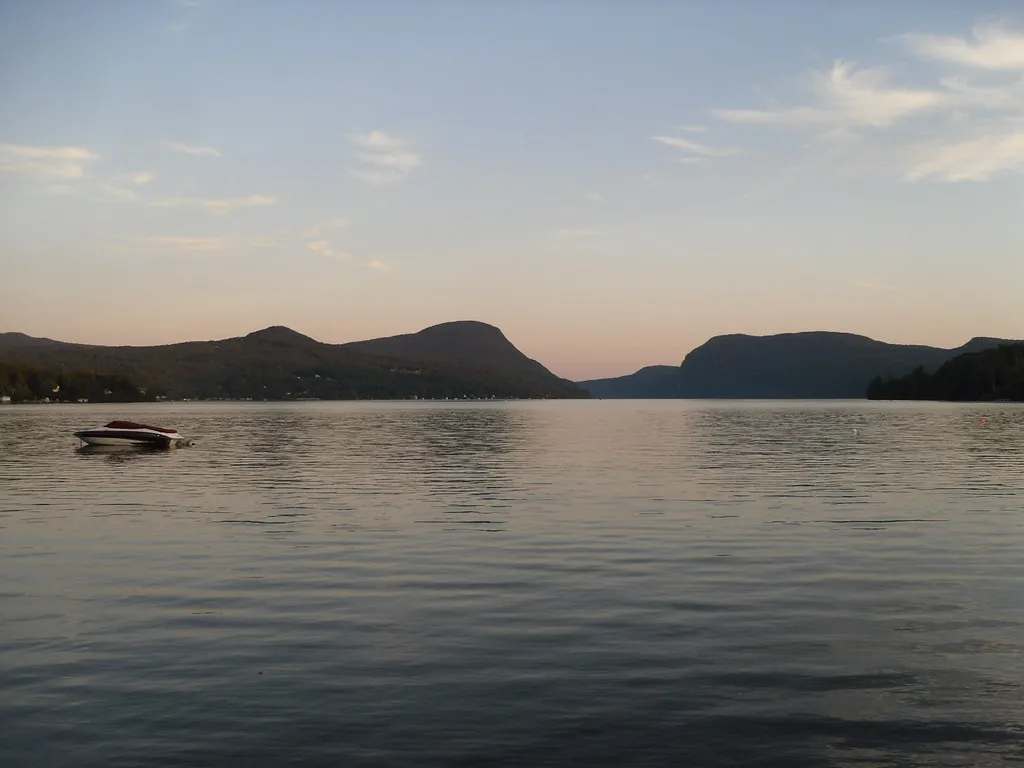
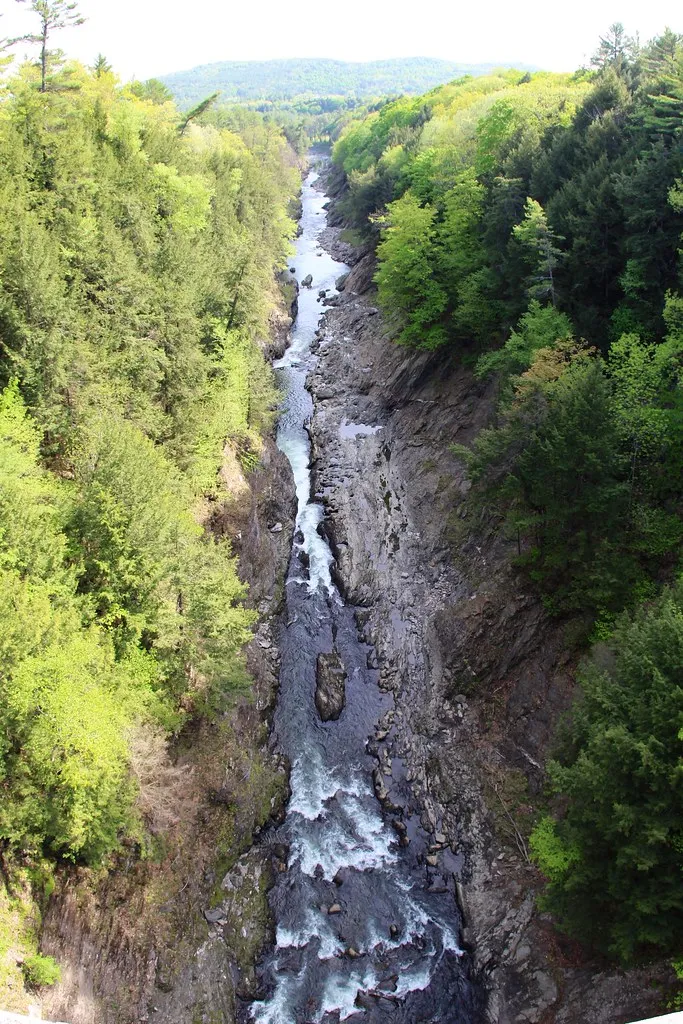
Plymouth Notch looks like a small Vermont village, but one of its houses witnessed an extraordinary transfer of presidential power. In the early hours of August 3, 1923, Calvin Coolidge took the presidential oath in his family homestead after learning of President Warren G. Harding's death.
The President Calvin Coolidge State Historic Site preserves a wider village landscape as well as that famous story. A visit can connect the presidency with rural life, farming and the people who lived and worked here. The site is seasonal, and preservation work can affect individual buildings, so check current state information before making the drive.
1. Start with the story of the oath
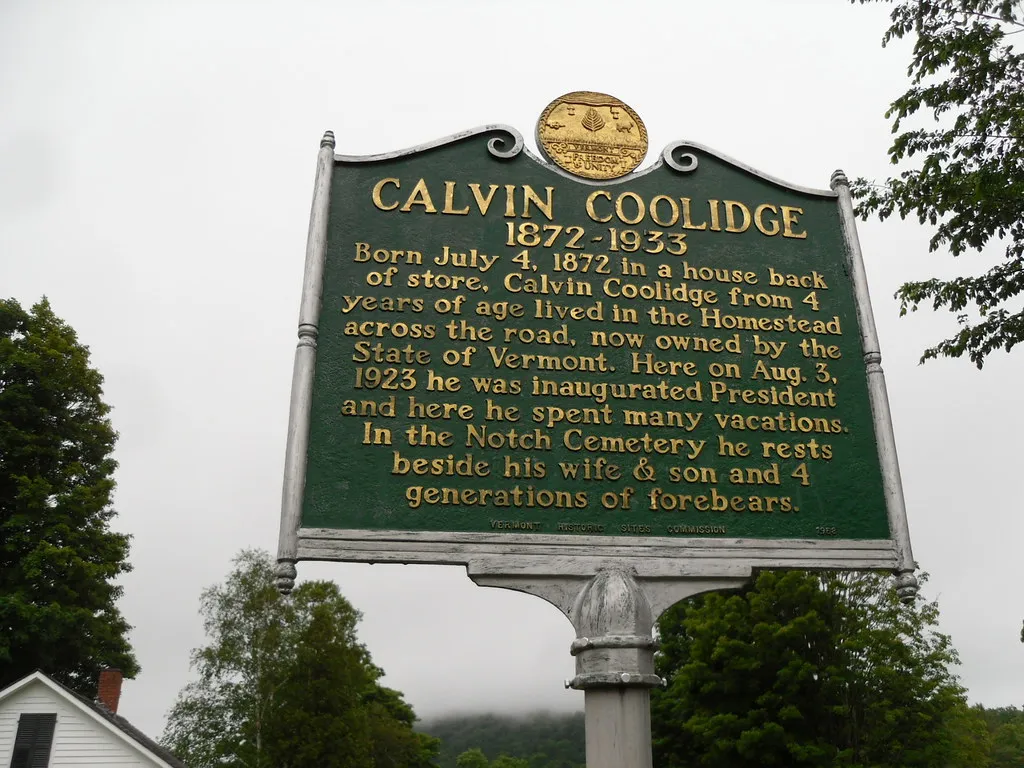
Coolidge was born in Plymouth Notch on July 4, 1872. He was visiting his father when word arrived that Harding had died. According to the Calvin Coolidge Presidential Foundation, his father John, a notary public, administered the oath in the family parlor by the light of a kerosene lamp.
That setting makes the national story unusually tangible. Rather than a grand public ceremony, the transition began in a rural family home. Park interpretation can help visitors understand the event in context and follow Coolidge's path from Vermont to national office.
The state has listed the Coolidge Homestead, also described as the boyhood home, closed for essential preservation work. Its important objects have been moved to an exhibit in the museum. Restoration schedules can change, so check the site's current updates before expecting to enter the room where the oath took place.
2. Explore the village beyond one building
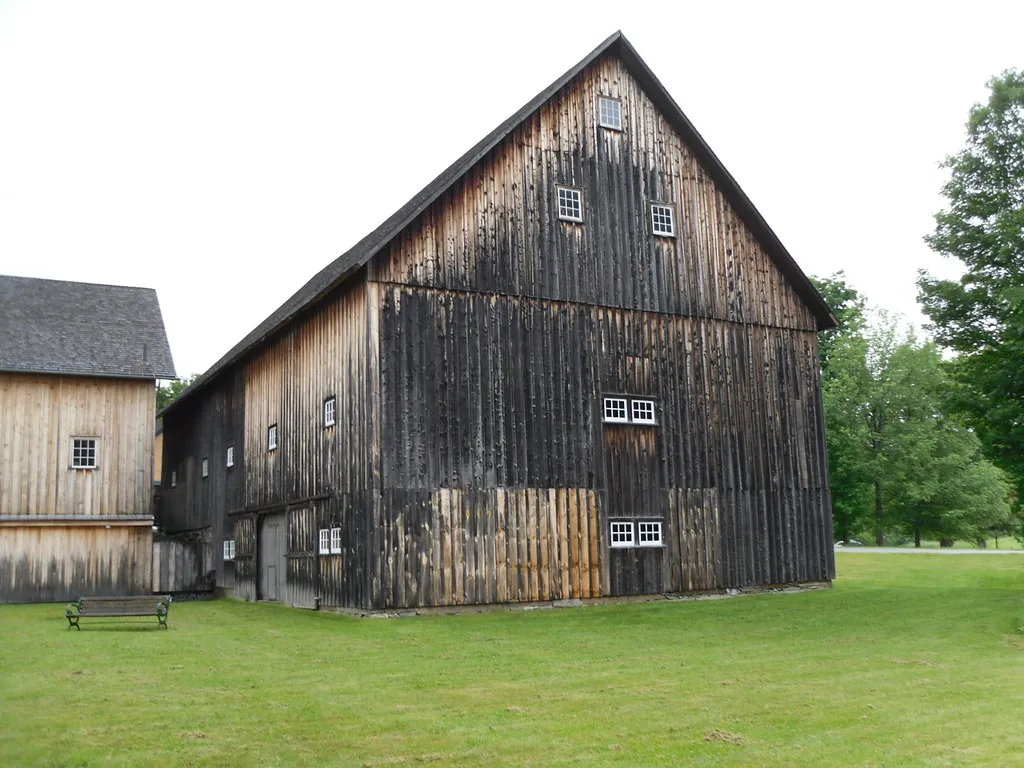
The historic site includes more than the homestead. The state identifies the birthplace, Cilley Store, school, barns, church, museum and other buildings as parts of the preserved village. They show the setting in which Coolidge grew up and offer a way to consider a community rather than a single famous resident.
When the site is open, allow time for the exhibits and interpretation rather than trying to see every building in a hurried circuit. Building access can vary because of staffing, restoration and the season. Check with staff about which interiors are open and whether a guided program is available on the day of your visit.
The village remains a real place with roads and neighboring properties. Stay in areas open to visitors, follow posted signs and respect private property. Historic surfaces may be uneven, so comfortable shoes and a question to staff about accessible routes can make the outing easier.
3. Look for the farming and cheese-making stories
The site's exhibits include a farm workshop and a cheese-making display. The state explains that the 1890 cheese factory was established by John Coolidge and other local farmers, closed in 1934 and was reopened by the president's son John in 1960. Its equipment and interpretation help connect the village to Vermont's agricultural economy.
The workshop exhibit offers another practical perspective: tools for maintaining farm equipment and working with wood or metal. These objects can be a useful entry point for families because they show the daily work that supported a rural household and community.
Check the current schedule before promising a cheese factory visit or a purchase. The historic site and any separately operated business may have different hours, especially outside summer. Ask staff which exhibits are available and whether stairs or other features affect access.
4. Plan around the site's seasonal schedule
The state lists the 2026 visitor season as ending October 25. As of November 16, the regular season has ended, so confirm future opening dates before planning an indoor visit. Seasonal closures are different from the ongoing homestead restoration; a building may remain unavailable even after the wider site reopens.
The state also warns of bridge repair and replacement projects in the Plymouth area during 2026 and 2027. Allow extra travel time and consult Vermont transportation notices for current detours. Mountain roads and weather can add further delays in winter or during storms.
The historic site is at 3780 Route 100A in Plymouth. Use the state's directions and current notices rather than relying solely on an old travel article. If you need restrooms, picnic facilities or accessible parking, verify availability for your particular date.
5. Make it a relaxed Vermont history trip
In season, a sensible first visit begins at the museum, continues through the open village buildings and leaves time for questions about Coolidge's life and the community around him. Add a meal or another stop only after checking its own schedule. The appeal of Plymouth Notch lies partly in its setting among the Green Mountains, which rewards a slower pace.
If the site is closed, do not assume that buildings or facilities are available merely because they can be seen from a road. Plan a return during announced hours and respect signs and neighboring properties. When it reopens, the combination of a presidential story, working landscape and preserved village makes this a distinctive Vermont history outing.