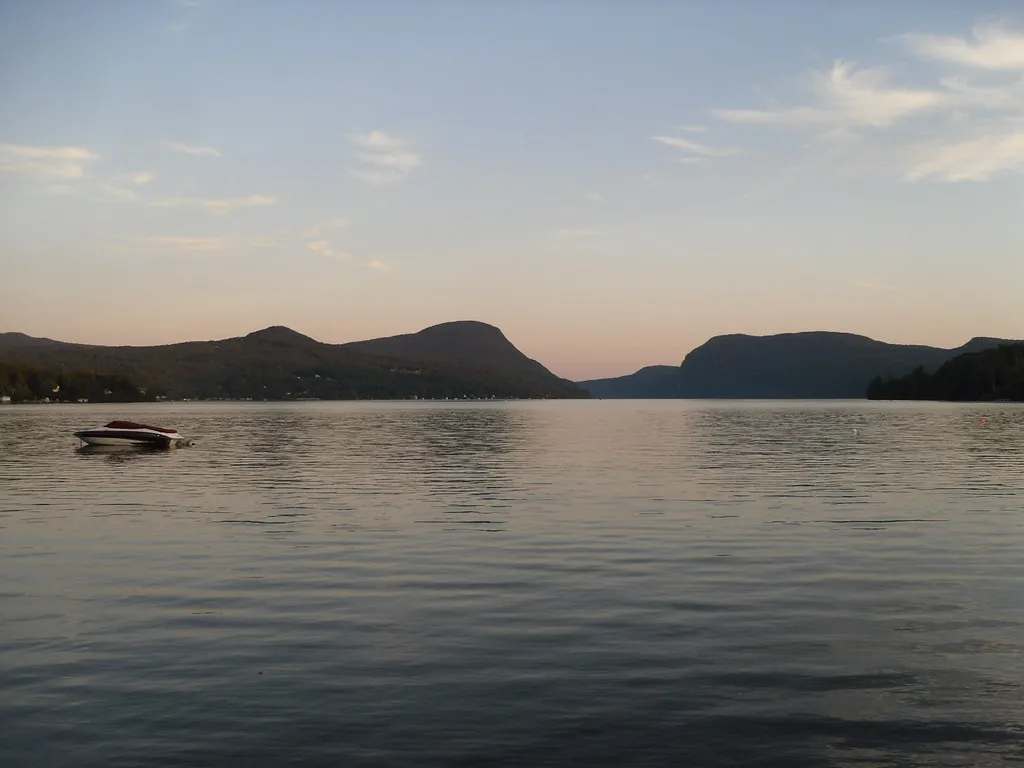
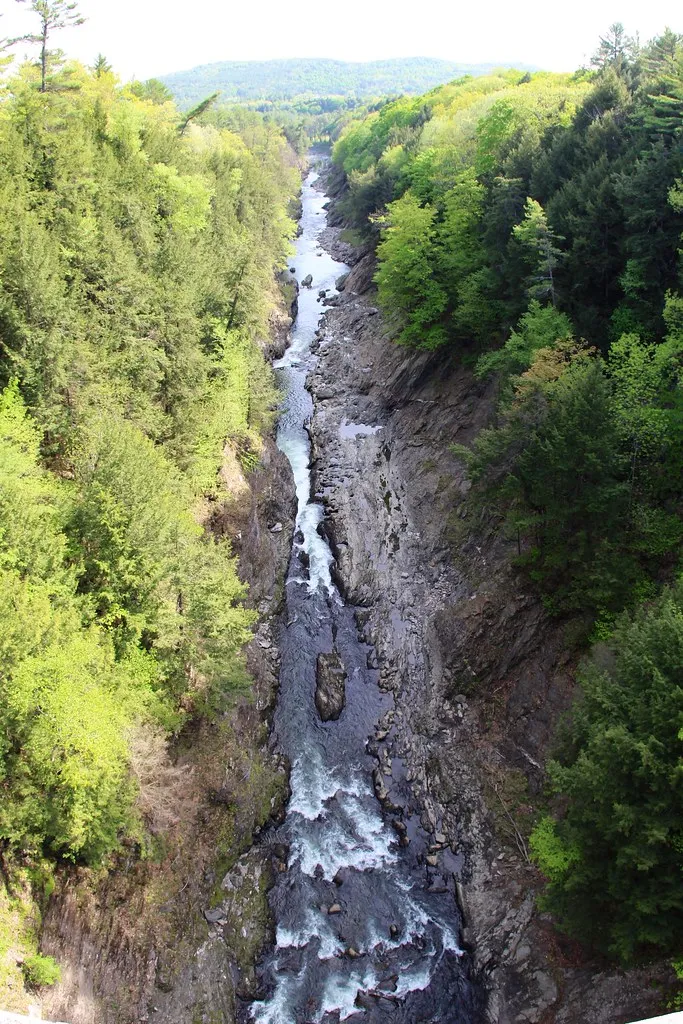
Vermont waterfalls come in different scales and settings. One requires a substantial forest hike, another is reached near a popular mountain town, and a third can be paired with a visit to a state park beside a lake. Each offers a reason to slow down and pay attention to the landscape around the water.
Lye Brook Falls, Moss Glen Falls near Stowe and the Falls of Lana are separate destinations, not a short loop. Choose a trip that matches your group's experience and the season. Check current trail conditions before leaving and keep clear of wet rocks, steep banks and fast water.
1. Lye Brook Falls: A forest hike near Manchester
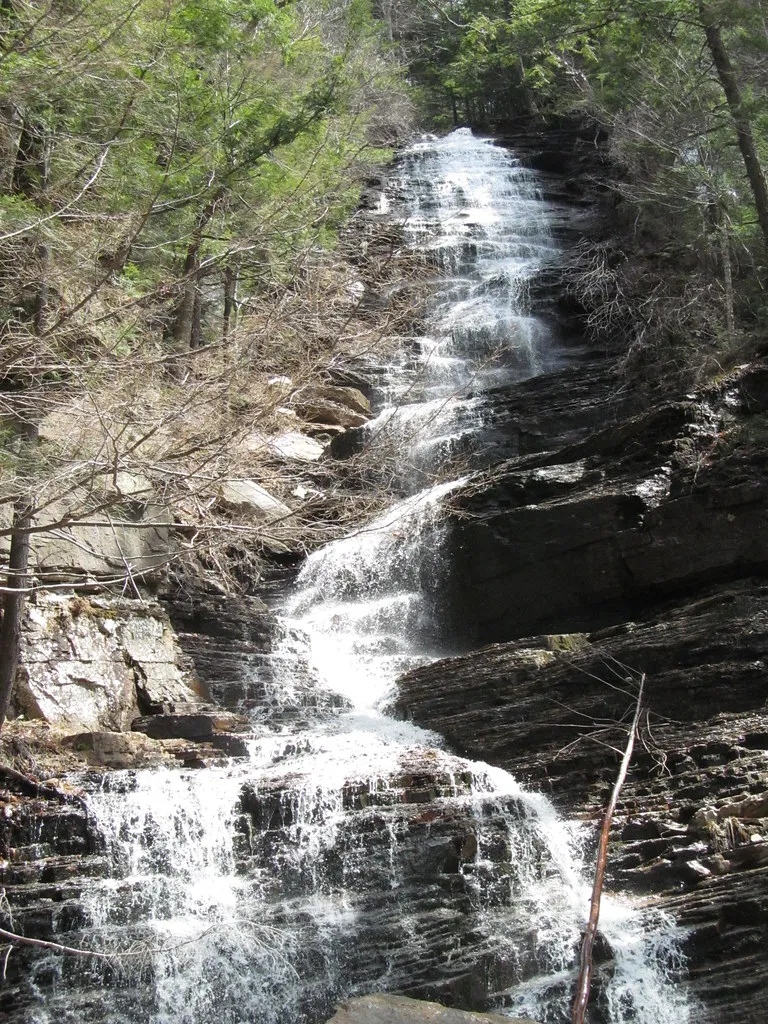
Lye Brook Falls is a destination for visitors who want the journey through the woods to be part of the experience. The U.S. Forest Service hiking guide describes a route of approximately 4.6 miles round trip, including a spur trail to the cascade. That distance makes it a more substantial commitment than a roadside photo stop.
The guide directs hikers from the Lye Brook trailhead along the main trail before turning onto the spur to the falls. The route crosses an area affected by a landslide during Tropical Storm Irene. Bring a current map and check the Green Mountain National Forest for current closures and conditions; a published distance does not guarantee an easy or dry trail.
The Forest Service notes that the access road is not maintained for winter access. In snow, ice or mud, travel to the trailhead and the hike itself may be substantially harder than they look in a summer guide. Carry water, layers and a light, tell someone your plans and turn around if conditions exceed your group's ability.
Stay on the established trail and view the falls from safe areas. Wet rock around waterfalls can be unexpectedly slippery, and climbing beside moving water is not necessary to appreciate the cascade. Give yourself enough daylight for the return hike rather than spending every available minute at the destination.
2. Moss Glen Falls near Stowe: A mountain-town outing
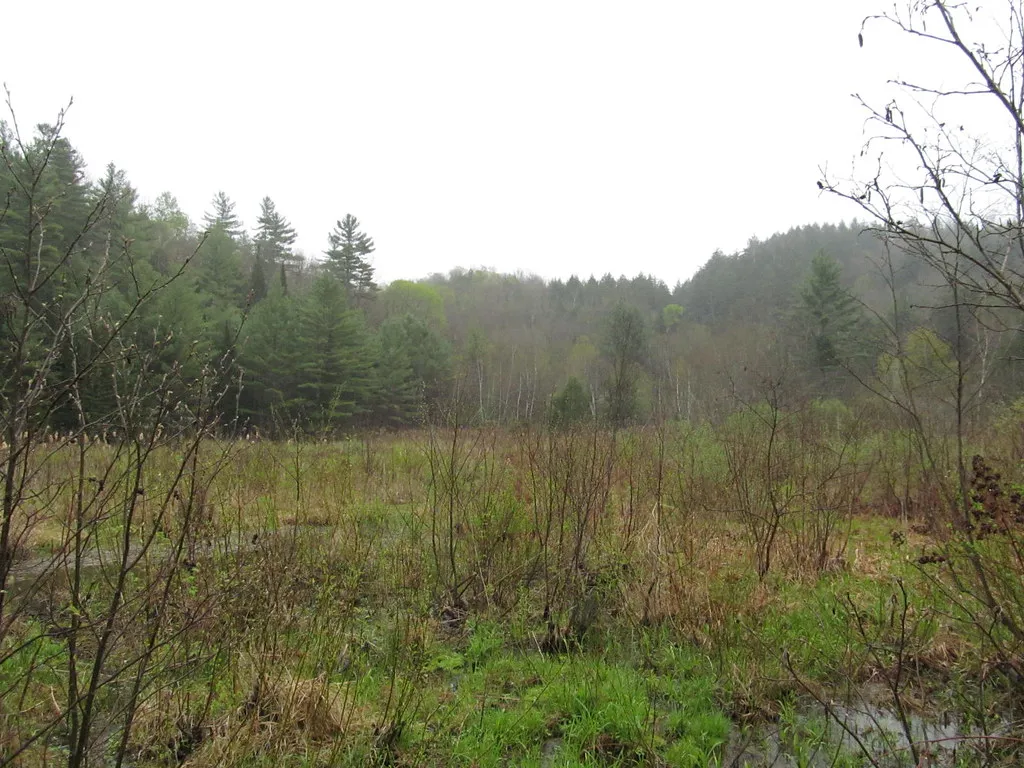
Moss Glen Falls near Stowe offers another way to experience falling water in Vermont's mountain landscape. Vermont State Parks lists it among waterfall trips in the area and provides directions from Route 100 north of Stowe. Use the destination name and current map carefully: Vermont has more than one place called Moss Glen Falls.
The falls can be combined with time in Stowe, but do not assume the path or parking area will be quiet during peak foliage and summer weekends. Check local conditions and arrive with a backup plan if parking is full. Never park where signs prohibit it or where your vehicle blocks access for residents and emergency services.
Water levels, trail surfaces and weather change through the year. A short approach does not eliminate the need for appropriate shoes or careful footing, especially when roots, mud or ice are present. Stay on open paths and follow posted warnings; keep children close near water and steep ground.
After the walk, a meal or a village stroll can round out the day. Check individual business hours, which can vary in the shoulder seasons. The goal is to enjoy the waterfall and its surroundings without feeling compelled to reach an unsafe viewpoint for a better photograph.
3. Falls of Lana: Pair a cascade with Lake Dunmore
The Falls of Lana lie near Branbury State Park and offer a contrast to a longer forest hike. Vermont State Parks describes a trail across Route 53 from the park with a short climb to signs and viewing areas. The same state-park outing can also include time near Lake Dunmore when the relevant facilities are open.
Be especially careful crossing the road and choosing where to park. Follow the current park map and posted directions, and check seasonal park hours and fees before assuming facilities are available. View the falls from appropriate established areas rather than scrambling down wet rock or approaching the edge.
This is a useful option for a group that wants a shorter waterfall stop alongside another activity, though “short” does not mean flat or accessible for everyone. Contact the park about current trail conditions and any accessibility needs. A rainy day can make even a brief path slippery.
Choose the right waterfall for the day
Choose Lye Brook when your group is prepared for a longer round-trip hike. Consider Moss Glen near Stowe for a mountain-town day, or Falls of Lana when you want to combine a waterfall with the Lake Dunmore area. Distances and access conditions vary, so confirm the exact route you plan to use before setting out.
The safest waterfall view is from a marked, open place away from the edge. Water levels can rise after rain, rocks may be slippery even when they look dry, and swimming or entering a stream may be prohibited or dangerous. Follow local rules, carry out trash and leave wildlife and vegetation undisturbed.
Vermont's seasons are part of the attraction: spring runoff, summer greenery and fall color all change the view. They also change the practical details. Check weather, daylight, road access and official notices shortly before your trip, then leave enough time to enjoy the walk back as well as the falls.