At Appomattox Court House, a small Virginia village holds a story far larger than one room. On April 9, 1865, Confederate General Robert E. Lee surrendered the Army of Northern Virginia to Union General Ulysses S. Grant in the McLean House. The meeting marked the beginning of the end of the Civil War, though other Confederate forces had yet to surrender and the work of securing freedom and equality was far from complete.
Today the national historical park preserves and interprets a village landscape of homes, roads and fields. It rewards more than a quick photograph: the National Park Service suggests allowing at least two hours to explore. A visitor can follow the surrender story while also considering slavery, emancipation and the difficult years that followed.
1. Begin at the reconstructed courthouse
Start in the visitor center in the reconstructed courthouse at the center of the village. The original building burned in 1892; the present courthouse was rebuilt in 1964. Exhibits, an orientation film, maps and staff guidance can help put the historic setting in context before you walk outside.
Ask about the day’s ranger talks or living-history programs and which buildings are open. Schedules vary, and there is no need to squeeze every feature into one visit. The park’s suggested two hours is a useful minimum; add more time if you want to take a guided program or walk beyond the village.
2. Visit the McLean House
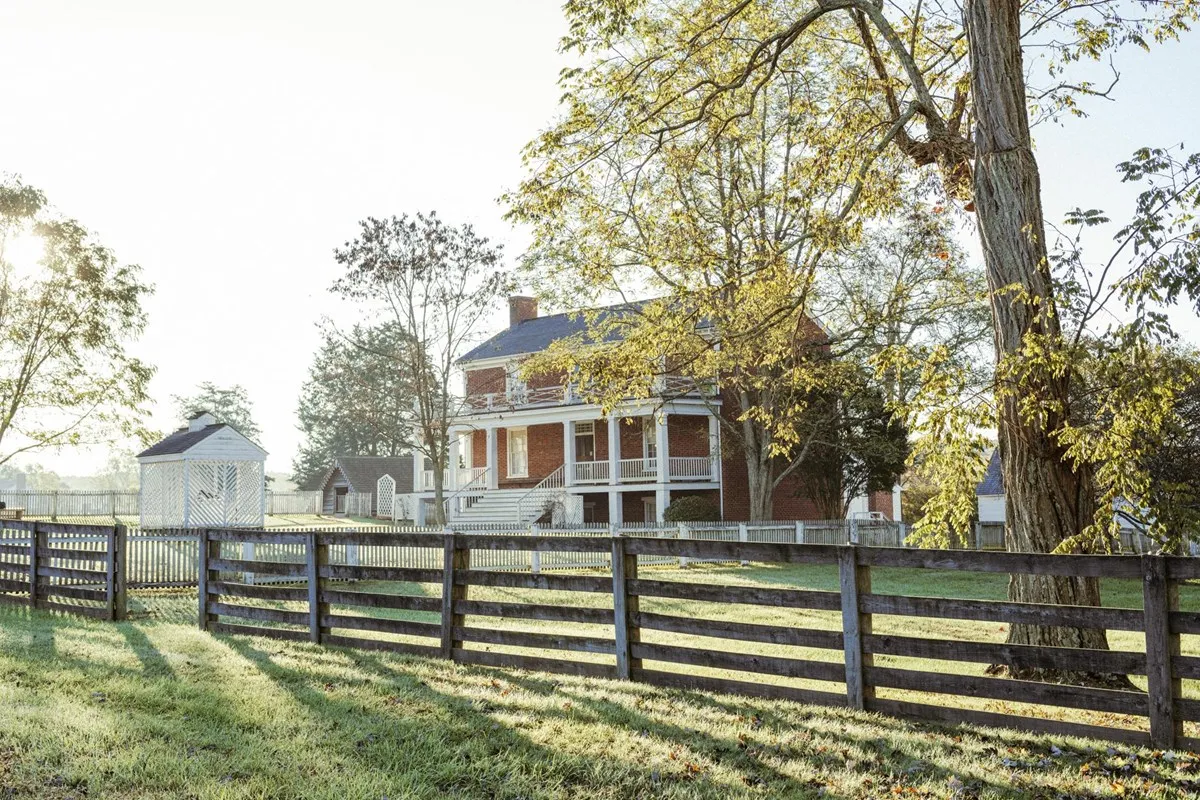
The reconstructed McLean House is the best-known stop. Lee and Grant met in its parlor to agree on surrender terms for the Army of Northern Virginia. Standing in a room associated with that meeting helps make a familiar date feel connected to a specific place and human decisions.
The house visitors see today has a complicated history of its own. Investors once took the original structure apart for a planned move that never happened; the house was later reconstructed. Park interpretation can explain both the 1865 meeting and the subsequent preservation story. Check current operating hours and accessibility information before visiting.
3. Walk the village, not just the famous room
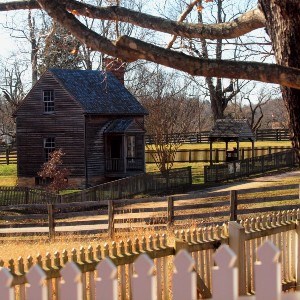
The surrender occurred in a working community, not an isolated monument. Paths lead among more than a dozen buildings and across a landscape once used by travelers, residents and soldiers. The Clover Hill Tavern, for example, connects the village to the practical business of parole passes for Confederate soldiers after the surrender.
Take a slow circuit and read the signs rather than assuming each building tells the same story. Some structures are original and others have been reconstructed; the park explains those distinctions. Historic surfaces and steps can be uneven, so comfortable shoes and a little extra time are worthwhile.
4. Consider emancipation and Reconstruction
Military surrender did not instantly create equal rights or settle the meaning of freedom. Appomattox offers a chance to examine the lives of the enslaved people whose labor sustained the region and the choices facing newly freed people after the war. Interpretation of the Kelley/Robinson House and other village places extends the story into the aftermath and Reconstruction.
Make space for these accounts alongside the commanders’ meeting. Ask a ranger about available programs or exhibits addressing Black life, emancipation and the community after 1865. The resulting visit is richer and more honest than treating the village as the backdrop for a single handshake.
5. Explore the surrounding landscape
The park also includes trails and roadside stops beyond the central village. Its driving-tour guide explains places along Route 24 connected with the final campaign and the people who lived and fought there. Review the map before leaving the visitor center and choose only stops that fit your time and the conditions that day.
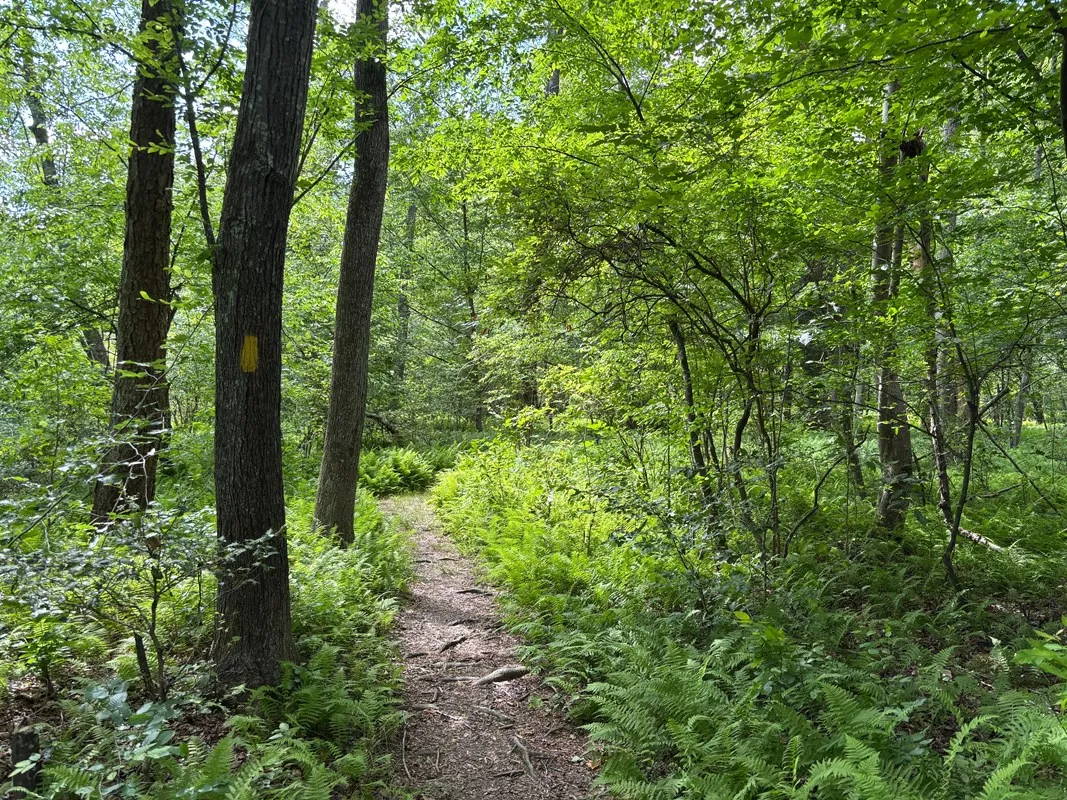
Trails can add a quieter outdoor dimension, but bring water and check the forecast. Stay on designated routes and respect historic features. If traveling with someone who uses a wheelchair or has difficulty with steps, consult the park’s accessibility guidance: the historic character of the village means some buildings and upper floors have limited access, and the visitor center offers alternatives for areas that are inaccessible.
6. Make a practical plan
The park generally opens daily from 9 a.m. to 5 p.m., with holiday closures, an early Christmas Eve closing and possible weather-related delays. Verify hours and alerts before the drive, especially around holidays or winter weather. Program and building availability can change separately from the grounds.
For a straightforward first visit, begin at the courthouse, visit the McLean House, walk the village and finish with a ranger program or one nearby driving stop. Leave room for questions. The peace made in this village mattered, but understanding what followed is just as much a part of the journey.