Virginia can change character dramatically over the course of a few hours: mountain ridges give way to river rapids, a barrier island opens onto the Atlantic, and a historic site adds a human story to the landscape. These five day-trip ideas are spread across the state, so treat them as separate outings or choose a few for a longer itinerary rather than trying to reach them all in one day.
Each has a distinct reason to visit. Check official hours, road conditions and program schedules before setting out, and build in enough time to experience more than the parking area.
1. Skyline Drive and Shenandoah’s mountain overlooks
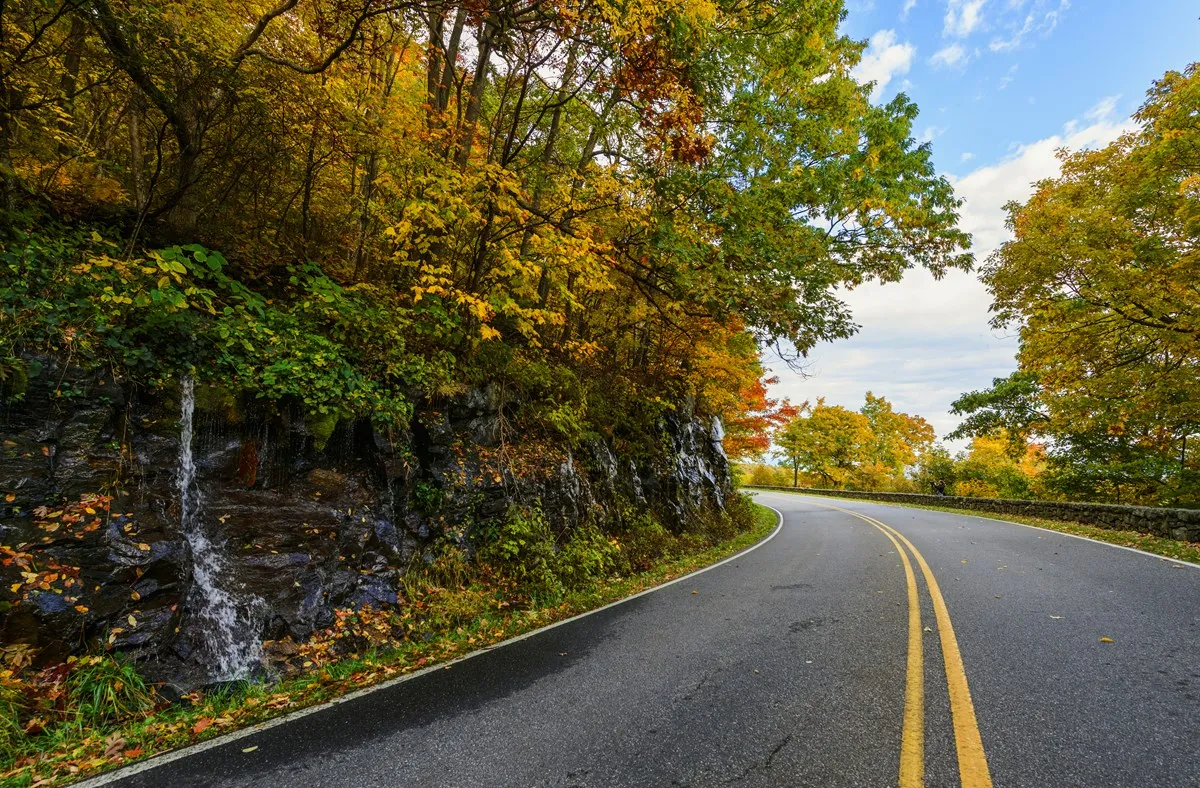
Skyline Drive follows the crest of Shenandoah National Park for 105 miles, with more than 75 overlooks along the route. The views shift from the Shenandoah Valley to the Piedmont, and even a short section can fill a day when you stop for a picnic or walk. Pick an entrance and a manageable stretch rather than setting a mileage goal that leaves no time to enjoy it.
Allow extra time for winding roads, wildlife and changing weather. Park officials say that driving the full length takes at least three to four hours without significant stops. Fog, ice or maintenance can close portions of the road, and visitor services are seasonal. Check the park’s live road status and fill your fuel tank before entering.
2. Great Falls Park and the Potomac Gorge
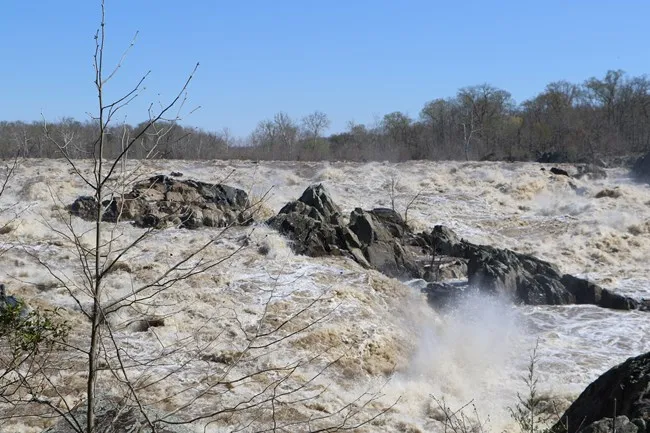
At Great Falls Park in northern Virginia, the Potomac squeezes through rocky channels before entering Mather Gorge. Three overlooks are a short walk from the visitor center; Overlooks Two and Three offer ramp and compacted-gravel approaches. The closest overlook has steps and uneven rock, so consider the needs of everyone in the group.
After viewing the falls, explore some of the Patowmack Canal history or choose a trail suited to your experience. Remain behind railings and never enter the water: swimming and wading are prohibited throughout the park. Busy weekends can bring long entrance waits, making an early arrival and a backup plan useful. Remember that the Maryland side is a separate destination across the river.
3. Chincoteague refuge and Virginia’s Assateague shore
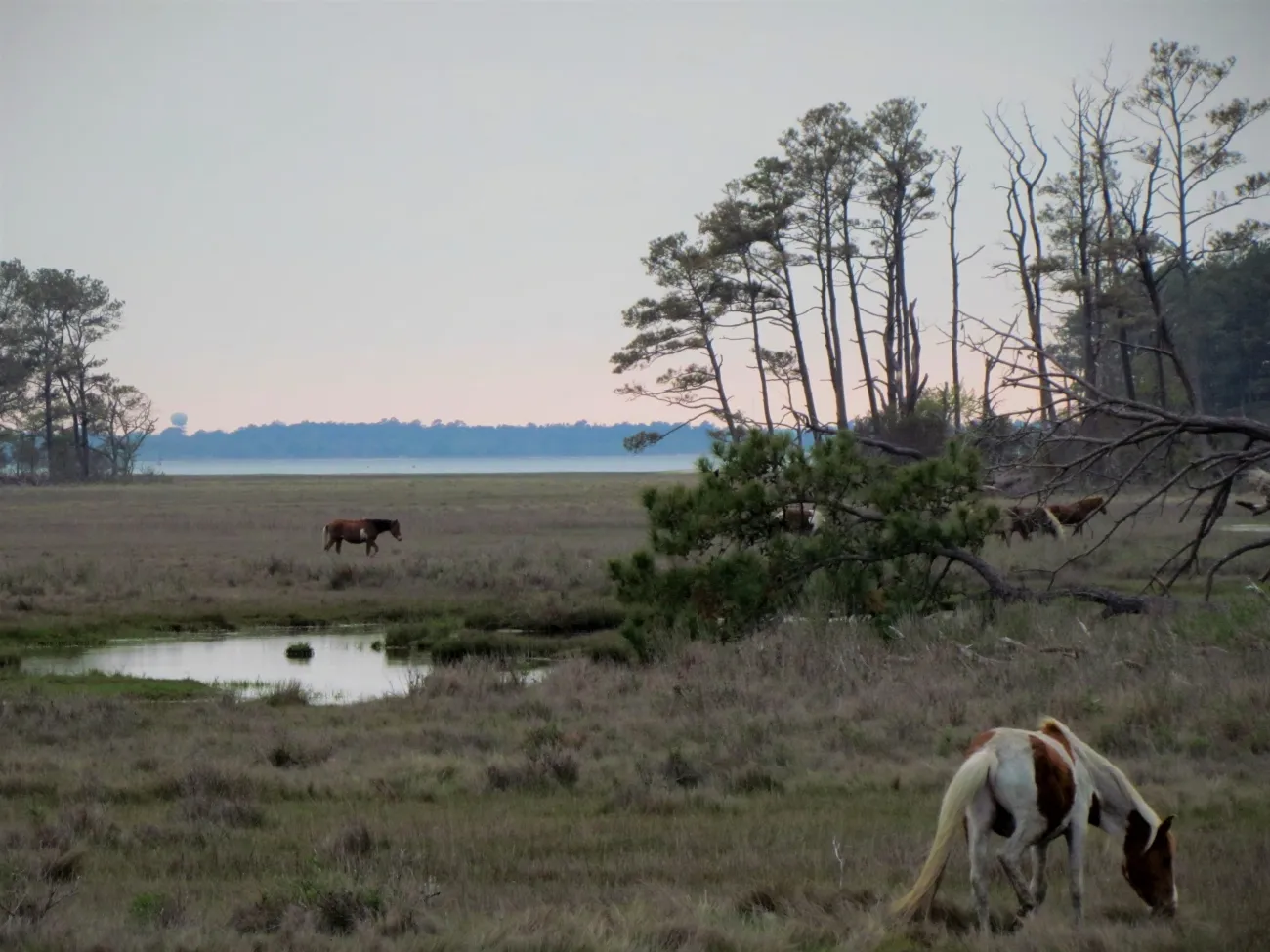
On the Eastern Shore, Chincoteague National Wildlife Refuge protects marsh, maritime forest and beach habitats on Assateague Island. The famous ponies are an exciting possibility, but a trip can also center on birdwatching, the Woodland Trail or a walk along the Atlantic beach. Bring binoculars and keep a respectful distance from wildlife; never feed or approach the ponies.
The Wildlife Loop opens to vehicles in the afternoon, currently at 3 p.m. until dusk, while refuge access hours vary by season. Consult the refuge website for the latest schedule, entrance fees and any trail or beach closures. The town of Chincoteague offers a convenient base, but the ponies and the refuge are on neighboring Assateague.
4. Historic Jamestowne and the island loop
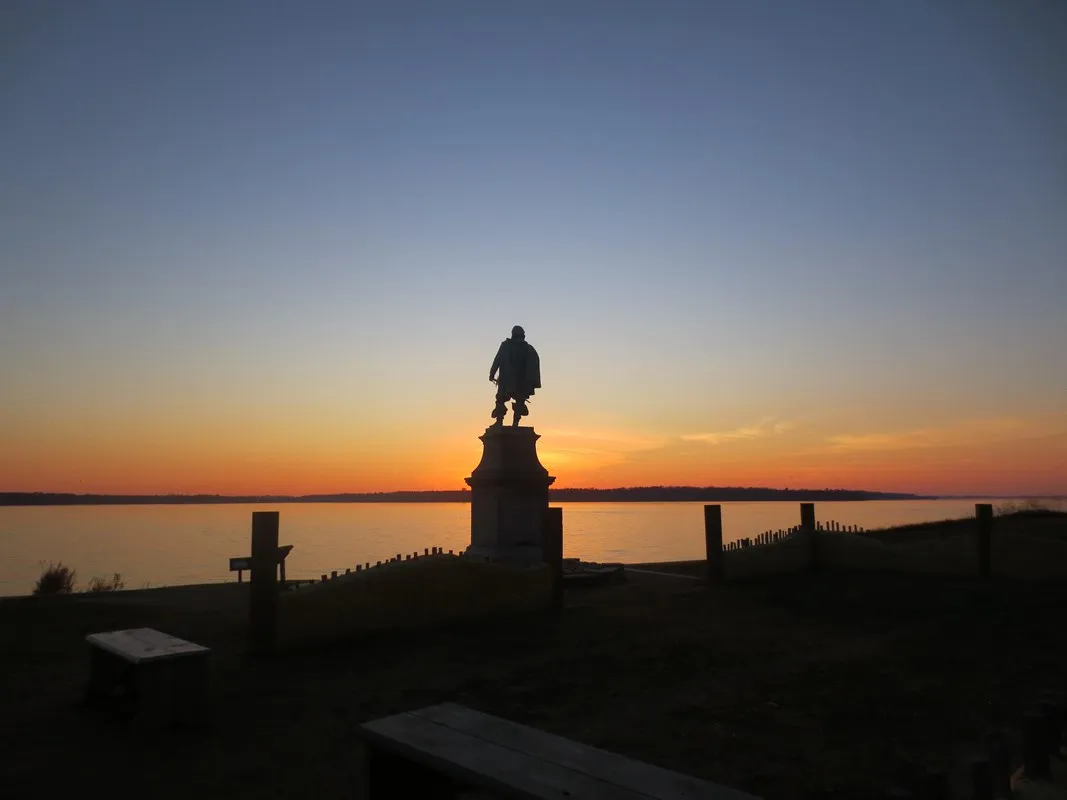
Historic Jamestowne combines archaeology, exhibits and a riverside landscape. It interprets the English settlement established in 1607 alongside the much longer Indigenous history of the region and the lives of Africans whose experiences are essential to understanding colonial Virginia. Start at the visitor center and ask about tours and the archaeology museum before walking the site.
The Glasshouse interprets early industry, while a paved island loop provides another perspective on marsh and woodland. Historic Jamestowne is jointly interpreted by the National Park Service and Jamestown Rediscovery/Preservation Virginia; check the operator’s guide for the different admission components and current schedules. It is a separate attraction from nearby Jamestown Settlement.
5. Booker T. Washington’s birthplace in Franklin County
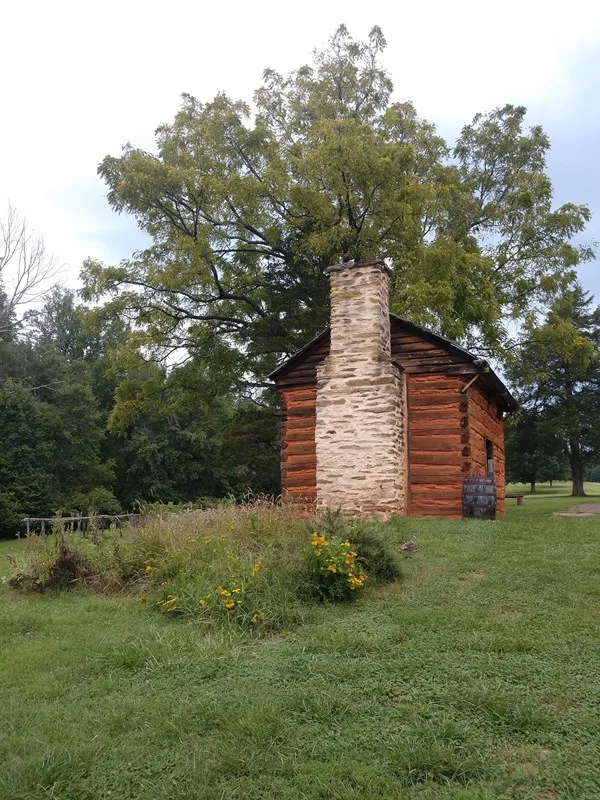
Booker T. Washington National Monument preserves part of the former tobacco farm where the educator was born enslaved in 1856. A visitor center and reconstructed historic buildings introduce his family’s early life, slavery and emancipation. The cabin reconstruction is an interpretive structure; park sources explain the documented history behind it.
Follow the mostly paved route to the historic area, or add the longer Jack O’ Lantern Branch Trail if time and conditions allow. Some grades are steep, so consult the park’s accessibility information. Visitor-center hours differ from grounds hours and vary around holidays. This stop offers a quieter, reflective end to a day in Virginia’s Piedmont, with a story that continues through Washington’s later life in West Virginia and Alabama.